MINI Countryman Front Parking Sensors Installation Review
Service Price
$115–150
Estimated price · Actual price may vary by shop

MINI Countryman front parking sensor installation for safer parking with PDC integration. Seamless upgrade.
Addressing the Missing Front Parking Sensors on the MINI Countryman
It's common to feel a pang of regret when a desired option is missing from a newly purchased vehicle, especially when it concerns safety features. One MINI Countryman owner found themselves concerned about the blind spot in front of their vehicle during parking maneuvers. This concern led them to seek a solution, and the team at Today's Car successfully resolved this by retrofitting genuine front parking sensors. This case study details the process and benefits of adding front sensors to a MINI Countryman.
Why Front Parking Sensors Are Crucial
The front of a vehicle presents a significant blind spot, particularly the area beneath the front bumper, which is often obscured from the driver's direct view. This is especially problematic in urban environments, such as crowded parking garages or narrow alleyways, where low-speed collisions with unexpected obstacles can easily occur. Front parking sensors act as an electronic safeguard, compensating for these blind spots and enhancing parking safety. The owner in this instance expressed a consistent feeling of unease and anxiety when parking, particularly in noisy or visually obstructed areas, highlighting a fundamental desire for secure and confident parking.
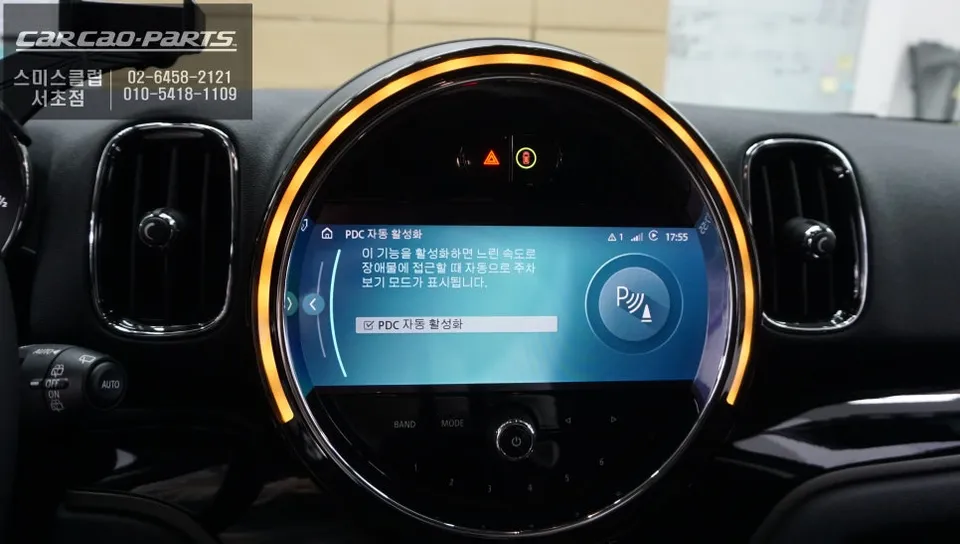
The Advantage of Genuine OEM Front Sensors
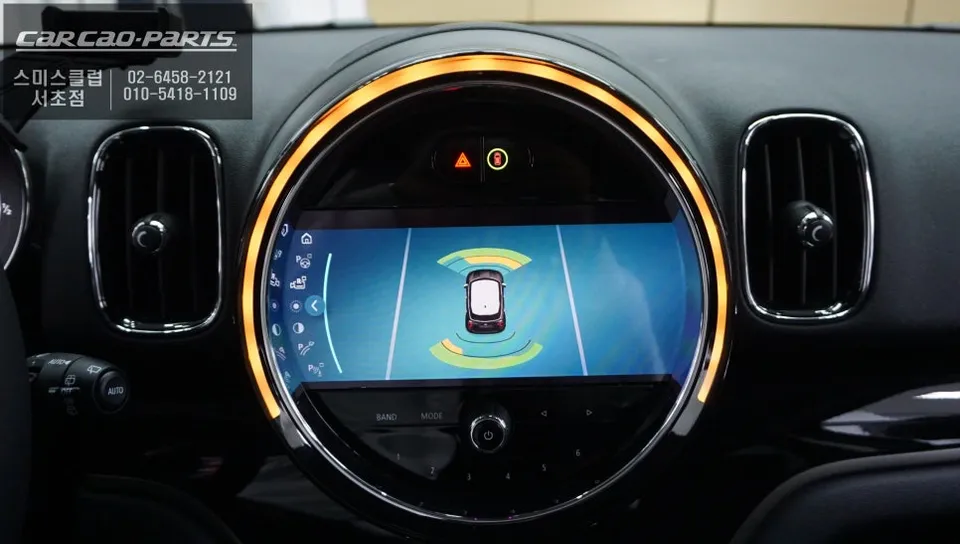
Unlike generic aftermarket sensors, genuine OEM (Original Equipment Manufacturer) front sensors integrate seamlessly with the vehicle's existing electronic systems. For this MINI Countryman, the data captured by the sensors is displayed directly on the original monitor, and the PDC (Park Distance Control) function is automatically activated. The PDC system is intelligently designed to operate only during parking or low-speed driving situations, automatically deactivating when the vehicle exceeds 10 km/h to prevent unnecessary alerts during higher-speed travel. This ensures drivers receive relevant assistance precisely when they need it.
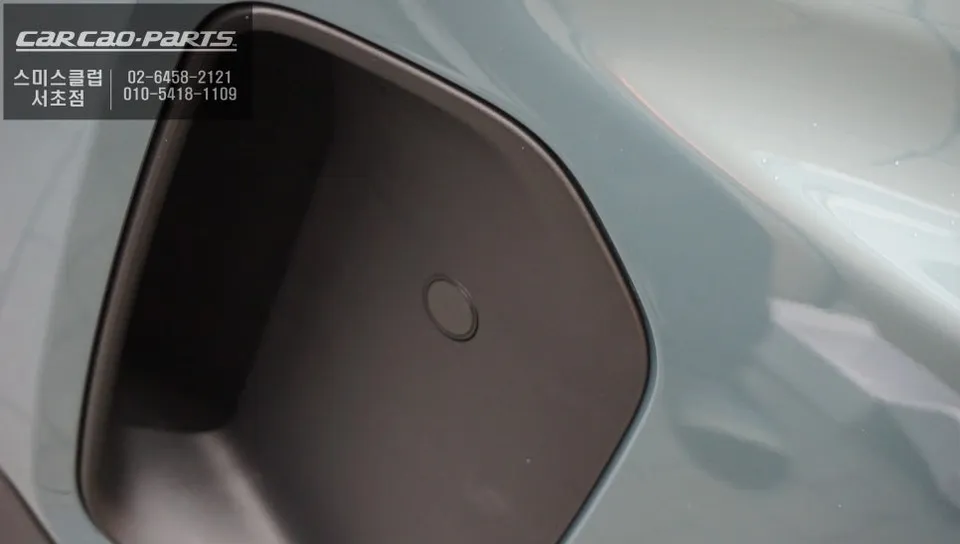
Installation Process: Precision Placement of Four Sensors
The installation of front parking sensors requires a meticulous approach. The process begins with the complete removal of the front bumper. Once the bumper is detached, the precise locations for the sensors are measured and marked before drilling. The key to effective installation lies in the equal and uniform spacing of the four sensors across the bumper. Each sensor is designed to be flush-mounted within the bumper, maintaining the vehicle's aesthetic while maximizing detection accuracy. Technicians with a thorough understanding of automotive structures ensure that the existing wiring and components are not compromised during this delicate procedure.
The sensors themselves operate using an ultrasonic principle. They emit sound waves that bounce off nearby objects, and the time it takes for the reflected waves to return is measured to determine the distance to the obstacle. This technology is robust and designed to minimize interference from external elements like dust, snow, or mud.
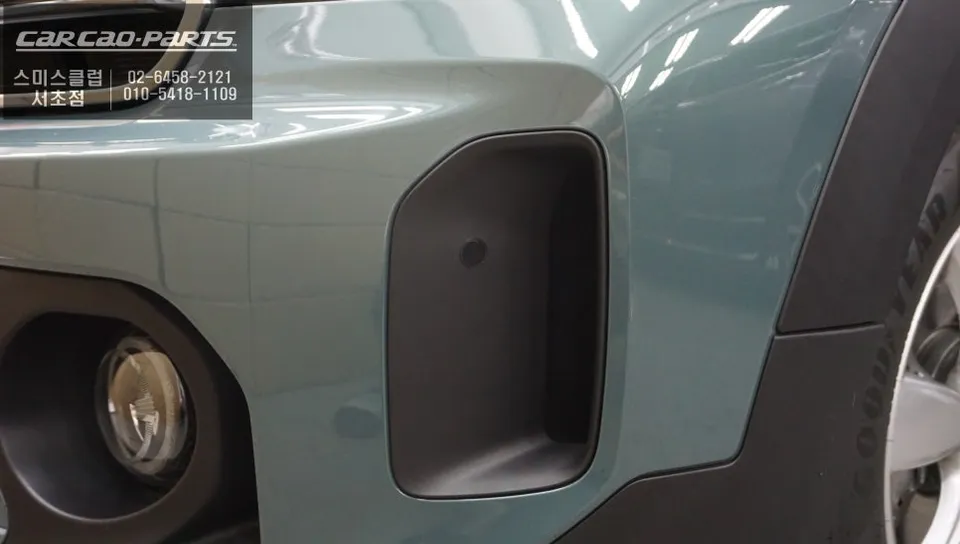
Wiring Integration and Monitor Synchronization
Sensor installation is only part of the process; they must be correctly wired into the vehicle's electrical system. Specialists familiar with MINI's electronic control systems ensure a secure and reliable connection between the new sensors and the original factory monitor. This involves referencing vehicle-specific wiring diagrams. For the MINI Countryman, the existing PDC wiring structure is utilized, but the front sensor data is routed through a separate channel. This configuration allows the front and rear parking sensors to function independently and simultaneously without interference.
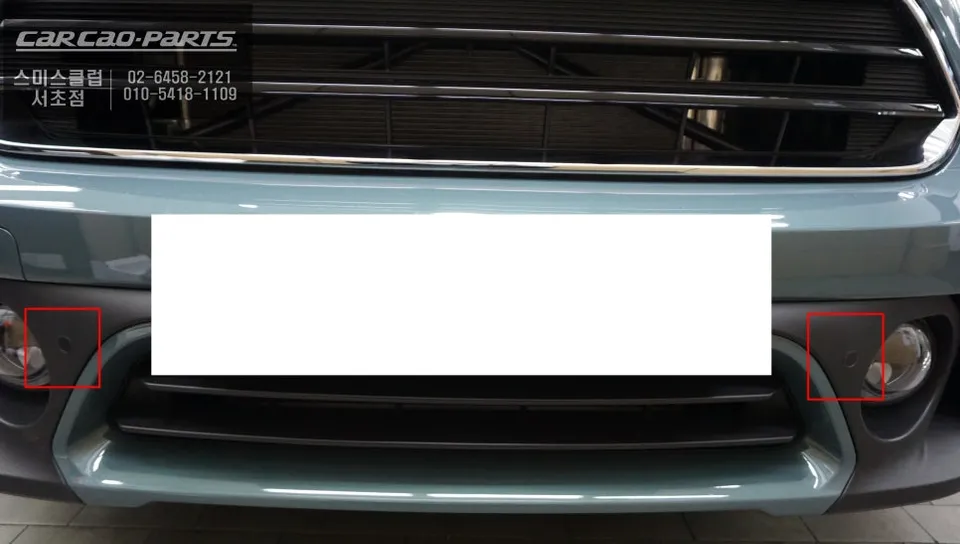
Post-Installation Performance in Real-World Parking Scenarios
Following the completion of the installation, the customer performed a test parking maneuver. As the vehicle approached an obstacle, the front sensors immediately responded. Small icons appeared on the monitor, providing a visual representation of the distance to the obstruction. As the vehicle moved closer, the audible alerts became more frequent, and the pitch of the warning tone increased, offering intuitive and immediate feedback to the driver.

Frequently Asked Questions
Q. How much does OEM front parking sensor installation cost for a MINI Countryman?
The cost for OEM front parking sensor installation on a MINI Countryman in Korea was covered by the service fee, with the specific price not disclosed in the original text. Typical US installation costs for such upgrades can range from $500 to $1500 depending on the vehicle and complexity.
Q. How long does OEM front parking sensor installation take on a MINI Countryman?
The installation process for front parking sensors on a MINI Countryman involves bumper removal, sensor mounting, and wiring integration, typically taking several hours. Regular maintenance involves keeping the sensors clean from dirt and debris to ensure optimal performance.
Q. Are OEM front parking sensors worth adding after purchase for a MINI Countryman?
Adding OEM front parking sensors is highly beneficial for MINI Countryman owners who frequently navigate tight parking spaces or experience anxiety about front blind spots. The integration with the factory PDC system provides a significant enhancement to parking safety and convenience.
Q. How are OEM front parking sensors installed on a MINI Countryman?
Installation involves removing the front bumper, precisely measuring and drilling holes for the four sensors, and flush-mounting them. The sensors are then wired into the vehicle's electrical system, integrating with the factory monitor and PDC module for seamless operation.
Q. What is the difference between dealer-installed options and aftermarket upgrades for a MINI Countryman?
Dealer-installed OEM options, like these front parking sensors, are designed to integrate perfectly with the vehicle's existing systems and maintain factory warranty. Aftermarket upgrades may offer similar functionality but can sometimes lack the seamless integration and reliability of genuine parts.
Kakao Parts