Peugeot 508 Dash Cam Installation Review
Service Price
$approx. $1,150–1,500
Estimated price · Actual price may vary by shop

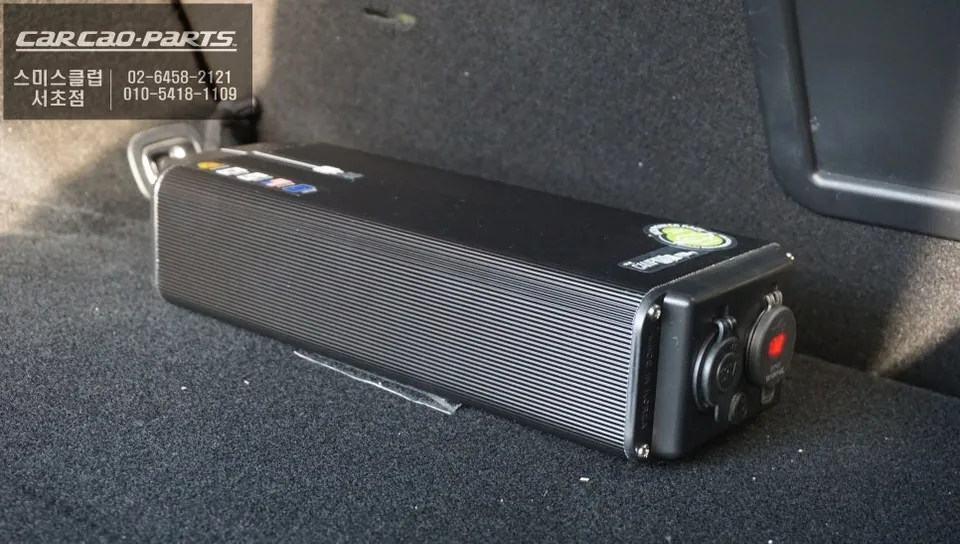
Peugeot 508 dash cam installation with auxiliary battery: Approx. $500-$750. Provides up to 84 hours of parking mode recording.
Addressing Power Drain in the Peugeot 508 with Dash Cams
Modern vehicles like the Peugeot 508 are packed with electronics, and adding accessories such as dash cams or radar detectors can strain the main battery. This is especially true for dash cams that require continuous power for parking mode recording. A common issue is the main battery draining, leaving you stranded. For the Peugeot 508, utilizing the trunk space for an auxiliary battery is an efficient solution to ensure stable parking surveillance. This review details a specific installation case.
Optimizing Trunk Space for Auxiliary Batteries in the Peugeot 508
While the Peugeot 508 offers ample trunk space, careful consideration is needed for battery placement. The auxiliary battery must be securely mounted to prevent movement during driving, and its wiring must be routed to avoid interference with vehicle components. In this installation, an EcoPowerPack 28CCP was chosen. This lithium iron phosphate battery boasts a high cycle life and a safe, non-flammable design. It features both USB-C and standard USB ports, offering versatility, and can even be removed for home charging.
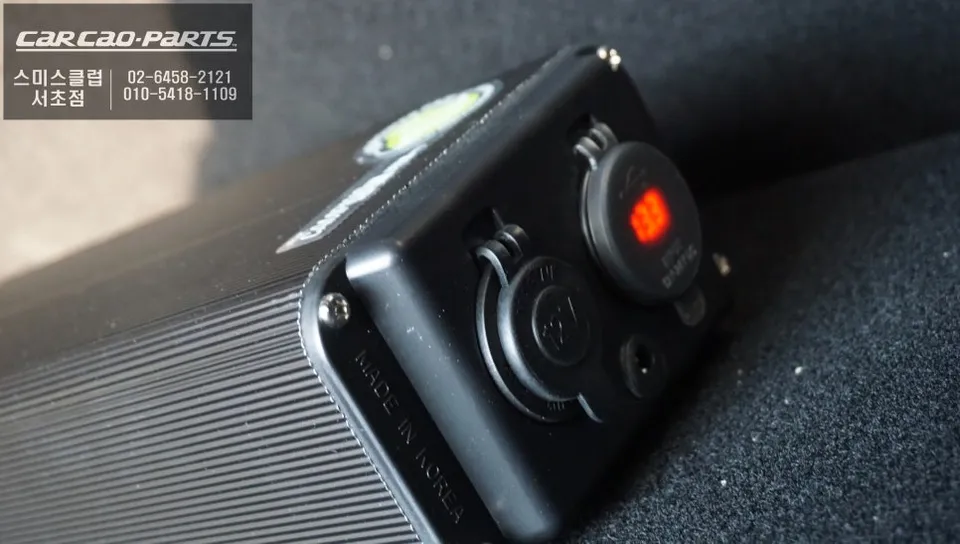
Understanding Auxiliary Battery Charging and Dash Cam Power
A critical aspect of installing an auxiliary battery is the charging circuit design. It needs to transfer charging power from the main battery during driving without compromising the main battery's performance. This installation utilized a dedicated control circuit for stable charging. After approximately 1 hour and 20 minutes of driving, the auxiliary battery reaches full charge. With a dash cam consuming about 320mA in parking mode, the EcoPowerPack 28CCP can provide up to 84 hours (roughly 3.5 days) of continuous recording, which is more than sufficient for typical home parking scenarios.
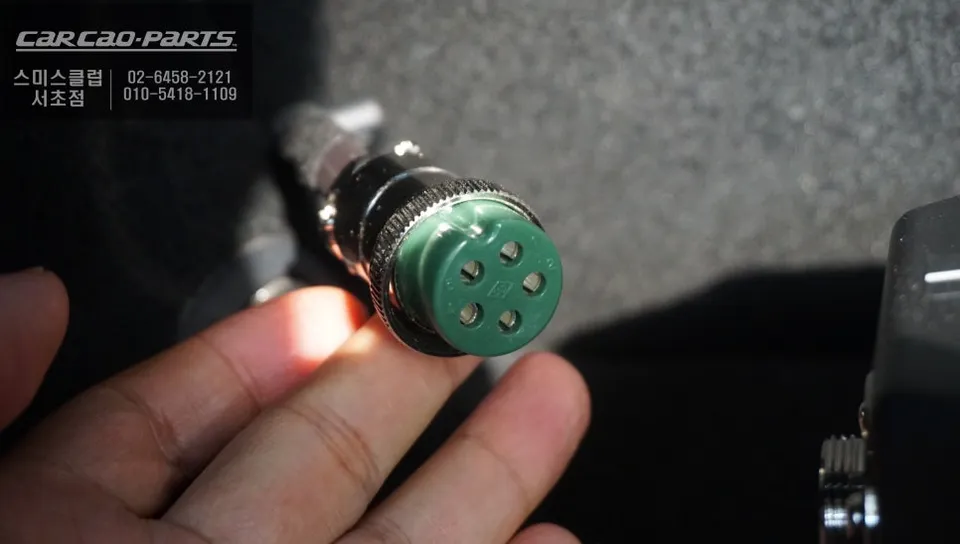
Prioritizing Safety in Wiring and Installation
Installing a high-voltage battery in a vehicle is not a simple plug-and-play task. Wiring must be appropriately gauged according to automotive electrical standards, and safety components like fuses and proper terminals are essential. The wiring branches off the main battery's positive terminal to create the charging circuit for the auxiliary battery, ensuring no interference with the Peugeot 508's existing electrical system. The wiring path is also crucial; cables running from the trunk to the engine bay follow the vehicle's existing wire harnesses and are protected by conduit to prevent chafing and short circuits caused by vibrations.
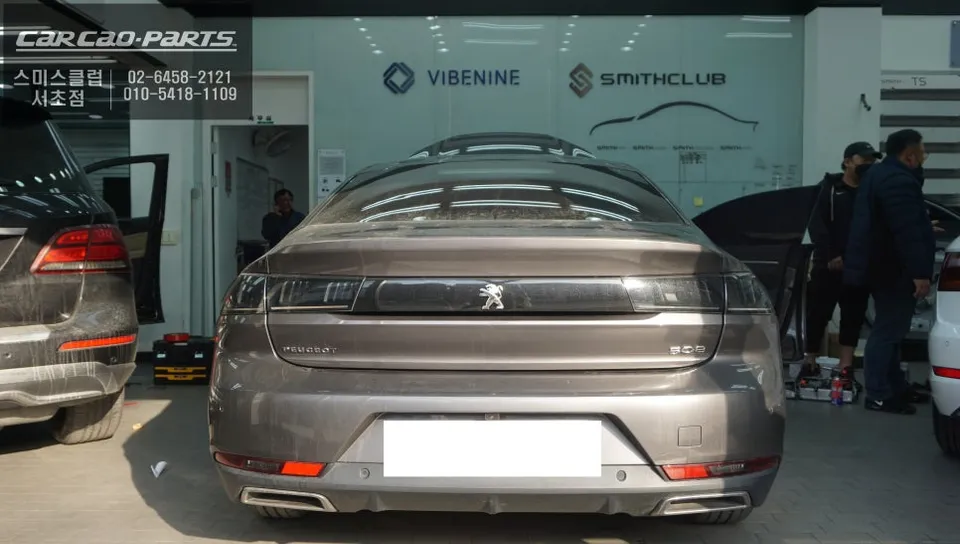
Connecting the Dash Cam for Reliable Parking Surveillance
The ultimate goal of installing an auxiliary battery is to power the dash cam reliably during parking. By connecting the dash cam's power line to the auxiliary battery's output port instead of the main battery, the risk of main battery drain is significantly reduced. The key advantage here is the separation of power sources for driving and parking. While driving, the main battery powers all vehicle systems and charges the auxiliary battery. When parked, only the auxiliary battery supplies power to the dash cam, leaving the main battery solely for starting the engine.
Installation Process:
- Securely mount the auxiliary battery in the designated trunk location.
- Route and connect the charging wires from the main battery to the auxiliary battery via a dedicated control circuit.
- Connect the dash cam's power cable to the auxiliary battery's output port.
- Ensure all wiring is protected and secured to prevent damage from vibrations.
This installation, performed in Korea, demonstrates a robust solution for Peugeot 508 owners concerned about dash cam power drain during parking. The approximate cost for this type of setup, including the auxiliary battery and professional installation, can range from ₩700,000 to ₩1,000,000 (approximately $500-$750 USD), depending on the specific battery model and vehicle complexity.
Frequently Asked Questions
Q. How much does dash cam installation cost for a Peugeot 508?
This specific installation in Korea cost between ₩700,000 and ₩1,000,000 (approx. $500-$750 USD). Professional dash cam installation costs in the US can typically range from $100 to $300, excluding the cost of an auxiliary battery.
Q. How long does dash cam installation take on a Peugeot 508?
While the installation itself might take a few hours, the durability of a professionally hardwired dash cam system, especially with an auxiliary battery, can last for many years. Regular checks of connections and the battery's health are recommended.
Q. Is a hardwired dash cam worth it over a self-install for a Peugeot 508?
A hardwired dash cam is highly recommended for vehicles like the Peugeot 508, especially if utilizing parking mode, as it safely integrates with the car's electrical system. It offers peace of mind regarding battery drain and ensures continuous recording without constant battery worries.
Q. How is a dash cam professionally installed on a Peugeot 508?
Professional installation involves securely mounting the dash cam, hardwiring its power source (often to an auxiliary battery for parking mode), and carefully routing and protecting all cables. This ensures a clean look and prevents electrical issues or damage.
Q. What is the difference between a front and rear dash cam for a Peugeot 508?
A front dash cam records only the view ahead, while a front and rear dash cam system provides comprehensive 360-degree coverage, recording both the road ahead and behind your Peugeot 508. For maximum security, a front and rear system is generally recommended.
Kakao Parts