Polestar Polestar 4 PPF Review: Heat Rejection & Protection
Service Price
$150+
Estimated price · Actual price may vary by shop
Before
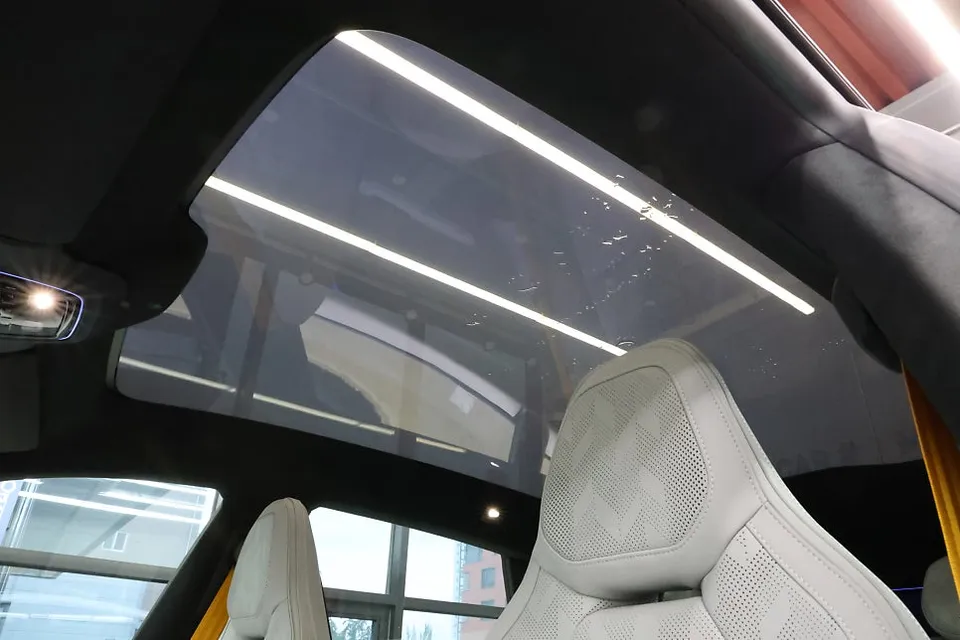
After
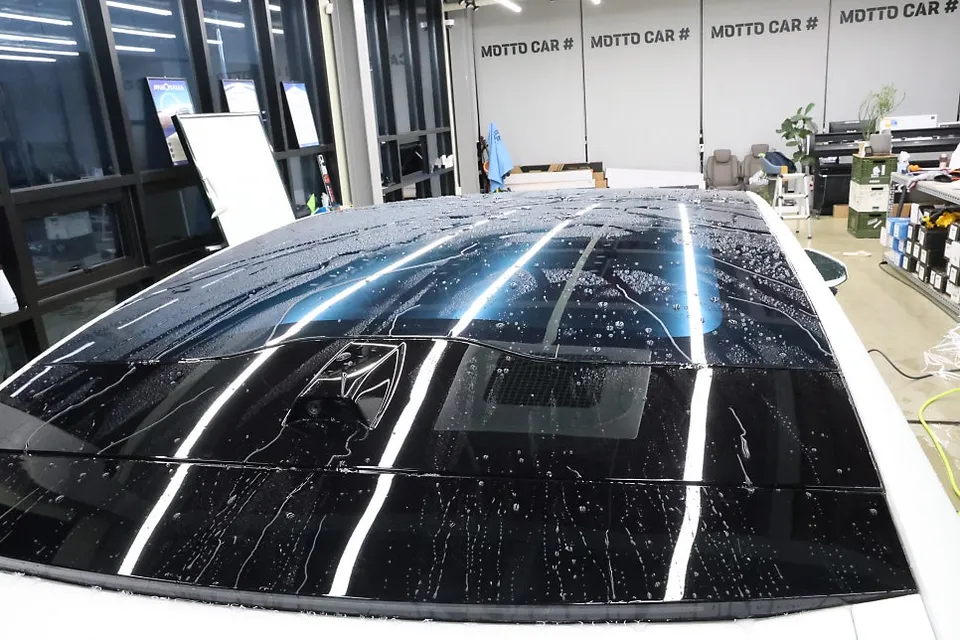
Process photos
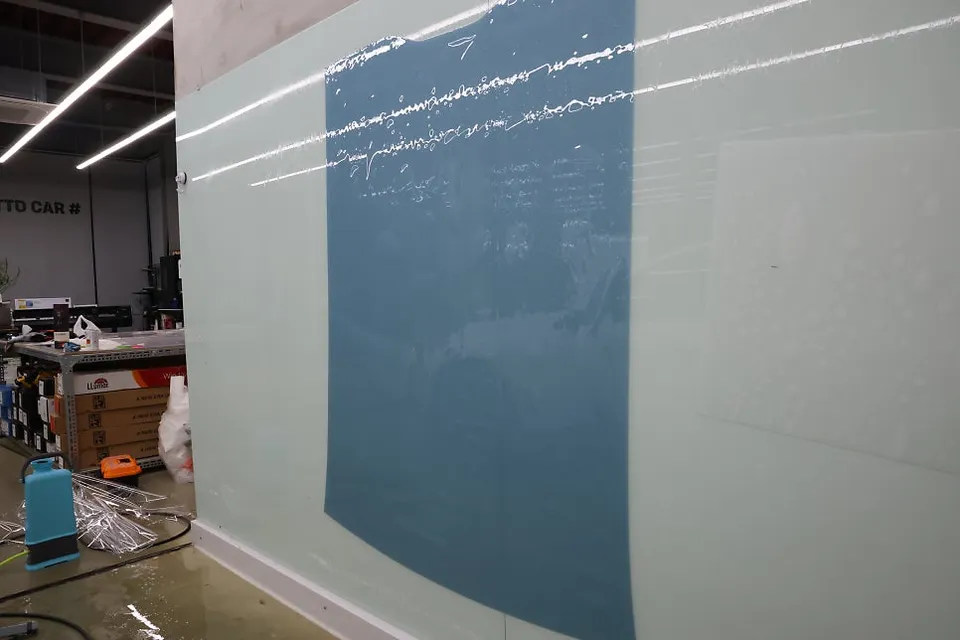
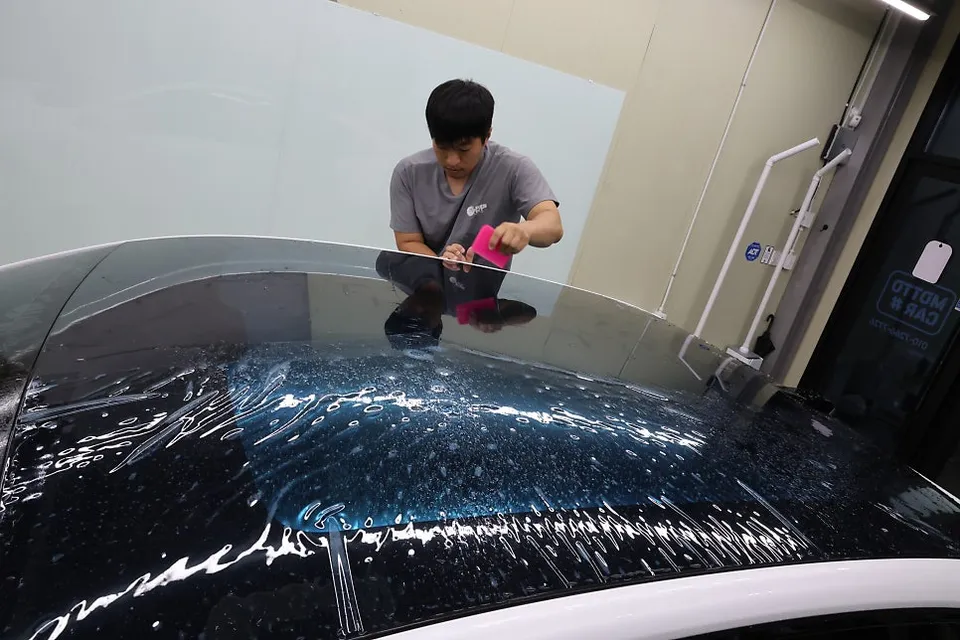
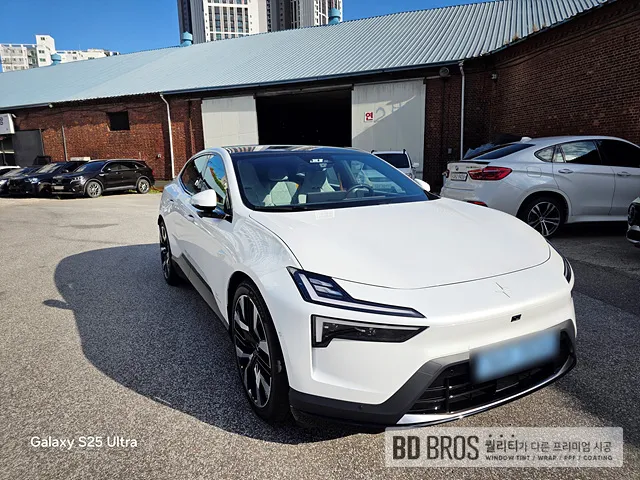
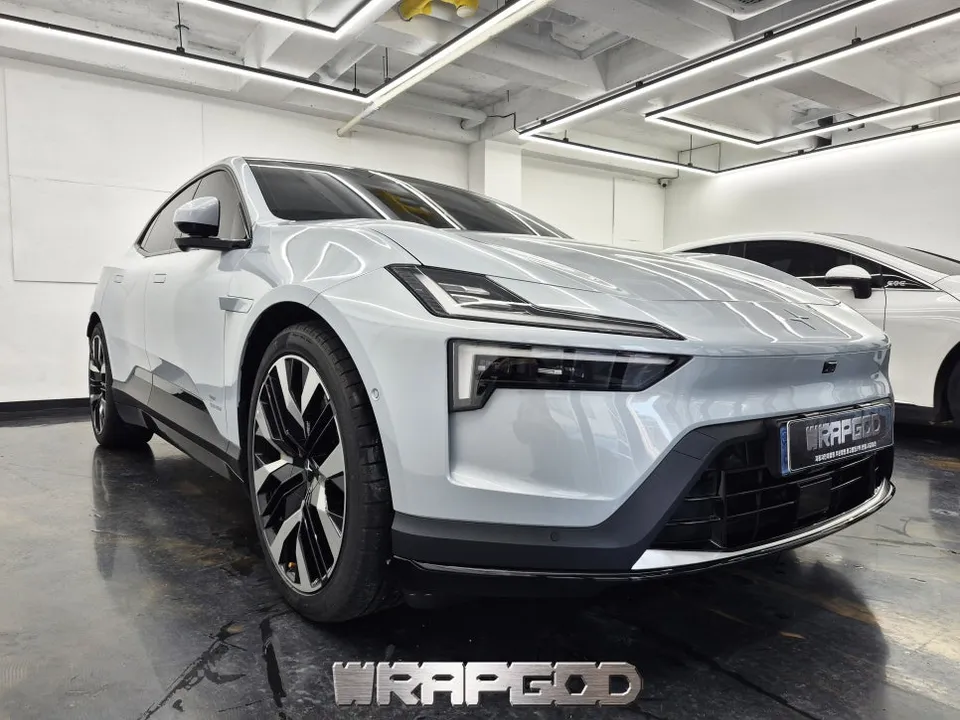
Polestar 4 glass roof PPF: 96.1% IRR rejection, 70% VLT. Protects against heat and glass damage.
Why Your Polestar 4 Needs Glass Roof Heat Rejection PPF
Owning a vehicle like the Polestar 4, with its expansive Wide Glass Roof, presents a unique challenge: managing interior heat buildup, especially during summer. Heat rejection PPF is more than just a comfort upgrade; it acts as a crucial protective layer for the reinforced glass roof itself. This installation in Gwangju focused on achieving high infrared rejection while simultaneously enhancing the safety of the glass.
We'll explore how this method maintains the original clarity of the glass while effectively blocking solar heat, and why it surpasses traditional interior tinting for this specific application. The key specifications for this Polestar 4 were: Glass Roof Heat Rejection PPF, applied externally, achieving 96.1% Infrared Rejection (IRR) and 70% Visible Light Transmission (VLT). The service was completed at Today's Car Gwangju branch in approximately 3-4 hours.
The Necessity of Heat Rejection PPF for Wide Glass Roof Vehicles
Modern electric vehicles, including models like the Polestar 4, often feature panoramic glass roofs for enhanced aesthetics and an open cabin feel. While visually appealing, these Wide Glass Roofs come with significant drawbacks, primarily related to thermal management. The direct solar radiation (radiant heat) penetrating the glass rapidly increases cabin temperature. Unlike the limited coverage of a sunroof in traditional sedans, a full glass roof covers a substantial area, making internal sunshades or standard window tinting insufficient.
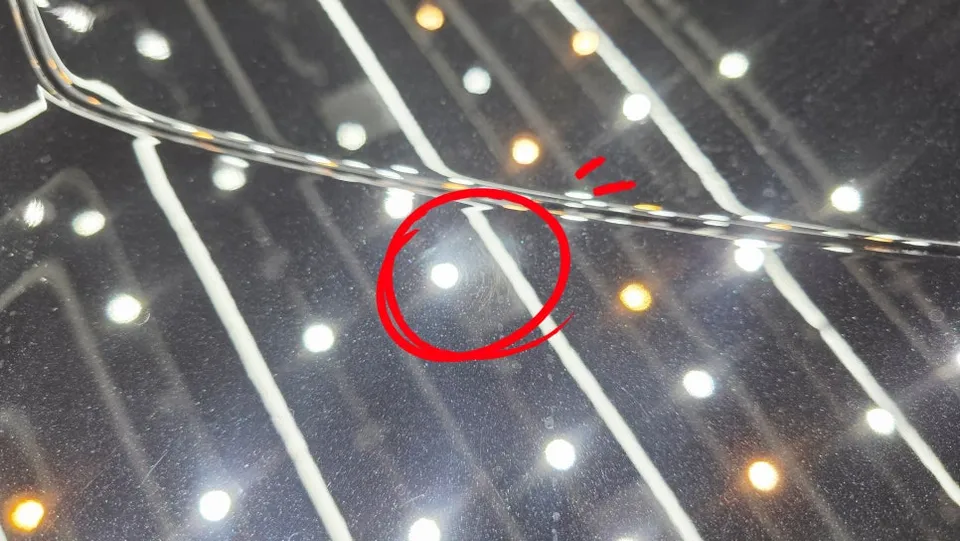
Furthermore, reinforced glass, while strong, is susceptible to spontaneous shattering, known as edge fracture, when subjected to concentrated impact, particularly on the edges. Even minor impacts from road debris can potentially lead to catastrophic failure of the entire glass panel.
External Heat Rejection PPF: Unpacking the Performance
The core advantage of heat rejection PPF lies in its external application. Unlike conventional window tinting applied to the interior surface, this PPF is adhered directly to the exterior of the glass. This placement allows it to intercept and block radiant heat at the source, before it even enters the vehicle. The difference is palpable; interior films work after heat has already penetrated the glass, whereas external PPF acts as a primary barrier.
The premium film used in this Polestar 4 installation boasts impressive performance metrics: a 96.1% IRR rating effectively blocks the majority of solar heat, while maintaining a 70% VLT. This means a clear, unobstructed view is preserved, with only the harsh sunlight being significantly mitigated. The film is constructed using US-made adhesives and Japanese TPU raw materials, ensuring long-term durability against the elements. Unlike lower-quality films that can degrade, yellow, or delaminate under UV exposure, premium films resist chemical changes, offering stable performance for 3-5 years or more. The top coat also includes hydrophobic and oleophobic properties, reducing water spots and dirt accumulation, and protecting against UV rays and contaminants like acid rain or bird droppings. Regular maintenance with PPF care products can extend its pristine condition.
Installation Process: Precision Application
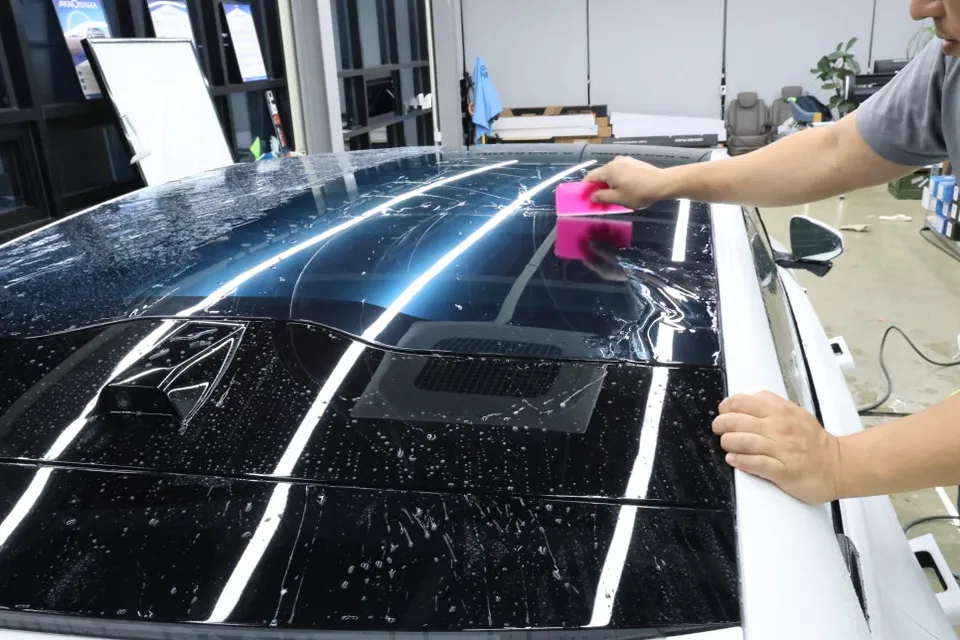
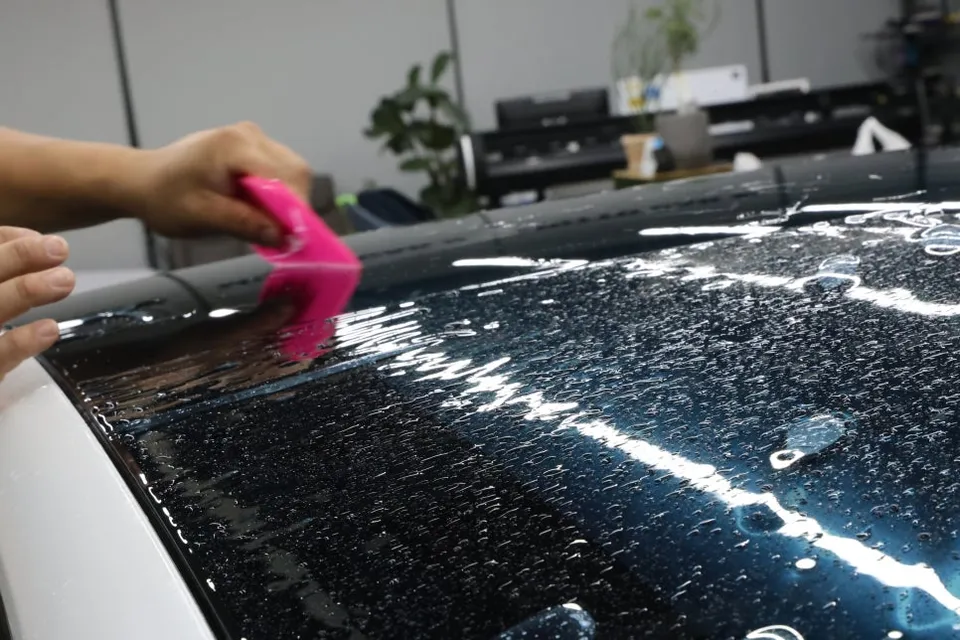
The installation process for external PPF on a glass roof requires meticulous attention to detail. It begins with a thorough cleaning and preparation of the glass surface to ensure optimal adhesion and a flawless finish. The PPF is then carefully cut to precisely match the contours of the Polestar 4's glass roof. Using specialized tools and solutions, the film is applied to the exterior surface, meticulously working out any air bubbles or imperfections. Finally, the edges are sealed, and the film is allowed to cure, integrating seamlessly with the glass.
Frequently Asked Questions
Q. How much does PPF cost for a Polestar Polestar 4 glass roof?
The specific cost for this Polestar 4 glass roof PPF installation in Gwangju was not explicitly stated in Korean Won, but typical US pricing for similar premium exterior PPF applications can range from $800 to $1500.
Q. How long does PPF last on a Polestar Polestar 4 glass roof?
Premium exterior PPF, like the type used on this Polestar 4, is designed to last 3-5 years or more with proper care. Regular cleaning and occasional application of PPF maintenance products will help maintain its clarity and protective qualities.
Q. Is PPF worth it for a Polestar Polestar 4 glass roof?
PPF is highly recommended for Polestar 4 owners concerned about interior heat and potential glass damage from impacts. It offers superior heat rejection compared to interior tinting and provides a physical barrier against minor road debris, preserving the integrity of the glass roof.
Q. How is PPF installed on a Polestar Polestar 4 glass roof?
1. The glass roof surface is meticulously cleaned and prepared. 2. The PPF is precisely cut to fit the glass contours. 3. The film is carefully applied to the exterior glass using specialized tools and solutions to ensure a bubble-free finish. 4. Edges are sealed, and the film is allowed to cure.
Q. What is the difference between PPF and ceramic coating for a Polestar Polestar 4 glass roof?
PPF provides a physical, sacrificial layer that protects against impacts and scratches, while also offering heat rejection, whereas ceramic coating is a thin, hard layer primarily for gloss enhancement and chemical resistance, offering minimal impact protection. For glass roof protection and heat management, PPF is the superior choice.
OhCar Partner Shop
More ppf Reviews
See all →

More Polestar Reviews


Pair with Another Service
Add hydrophobic protection on top of PPF
Complete your new car protection package