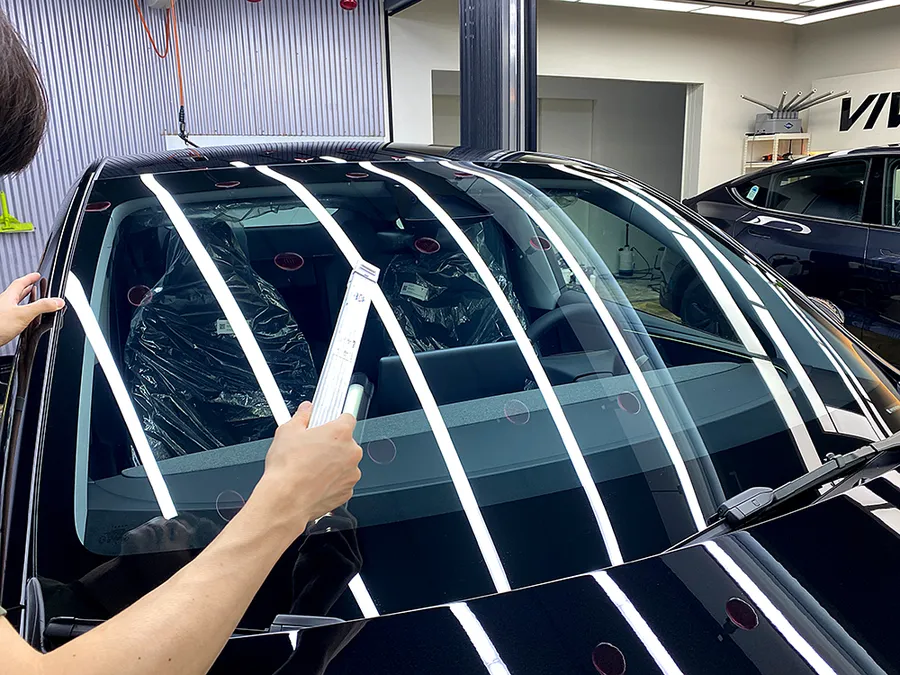
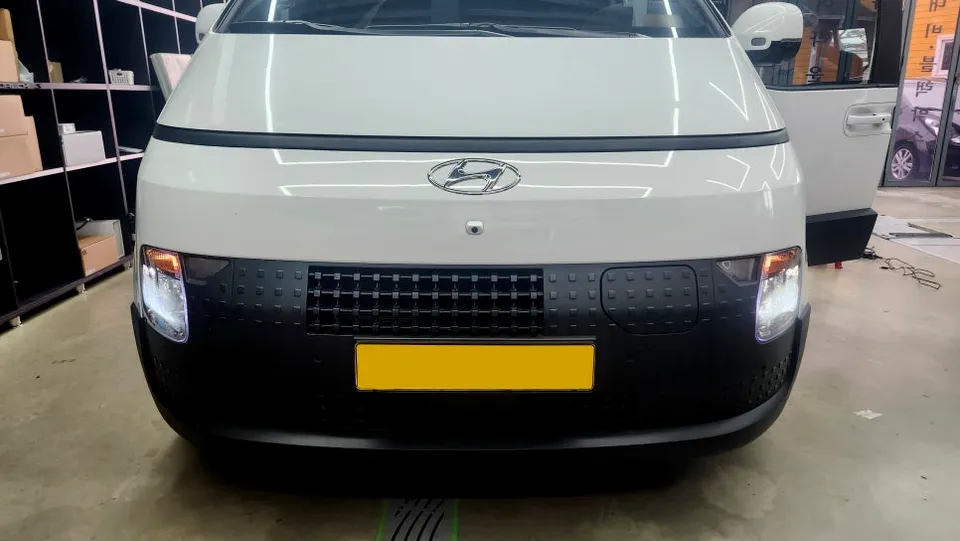
Ford Explorer PPF Review: Black Light Film for a Sporty Look
Service Price
$40–80
Estimated price · Actual price may vary by shop
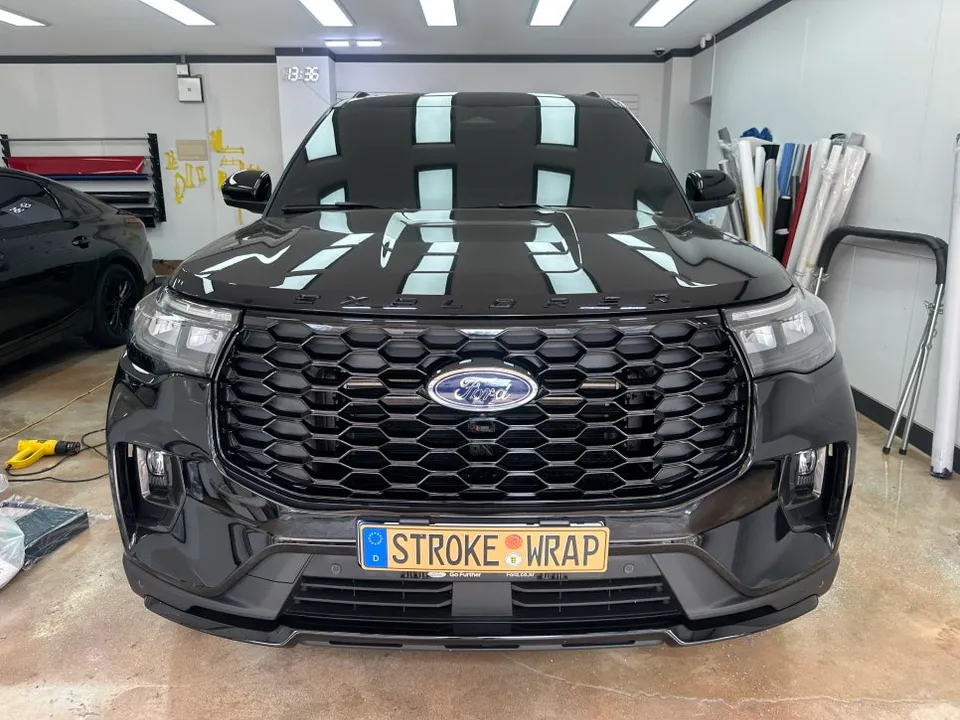
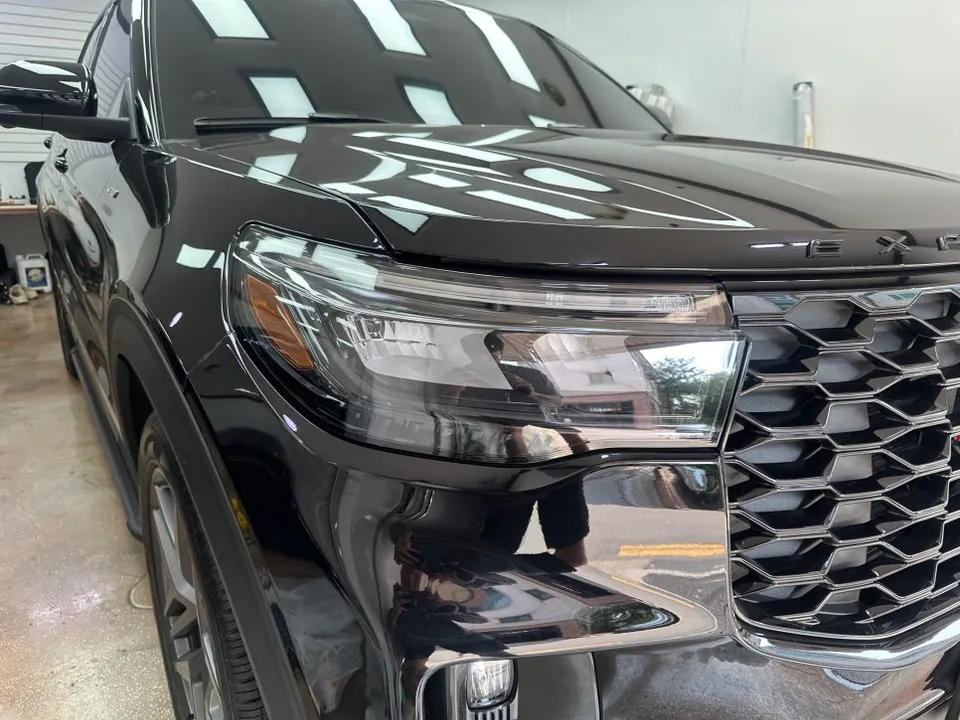
Black PPF light film on Ford Explorer: Transforms look and protects lights. Review covers results and installation.
Transforming Your Ford Explorer with Black PPF Light Film
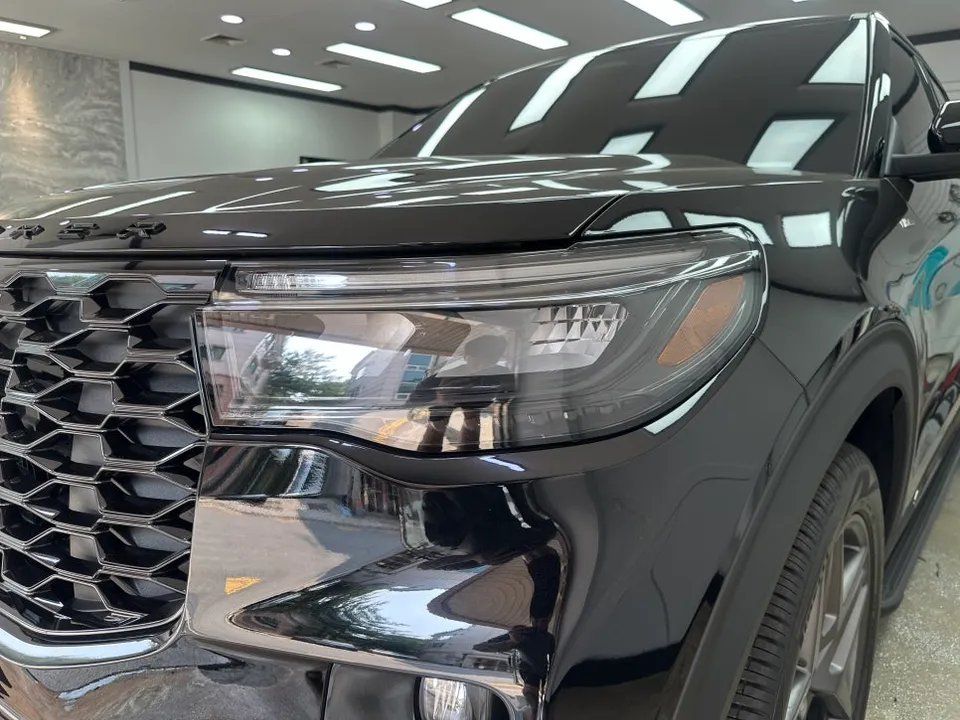
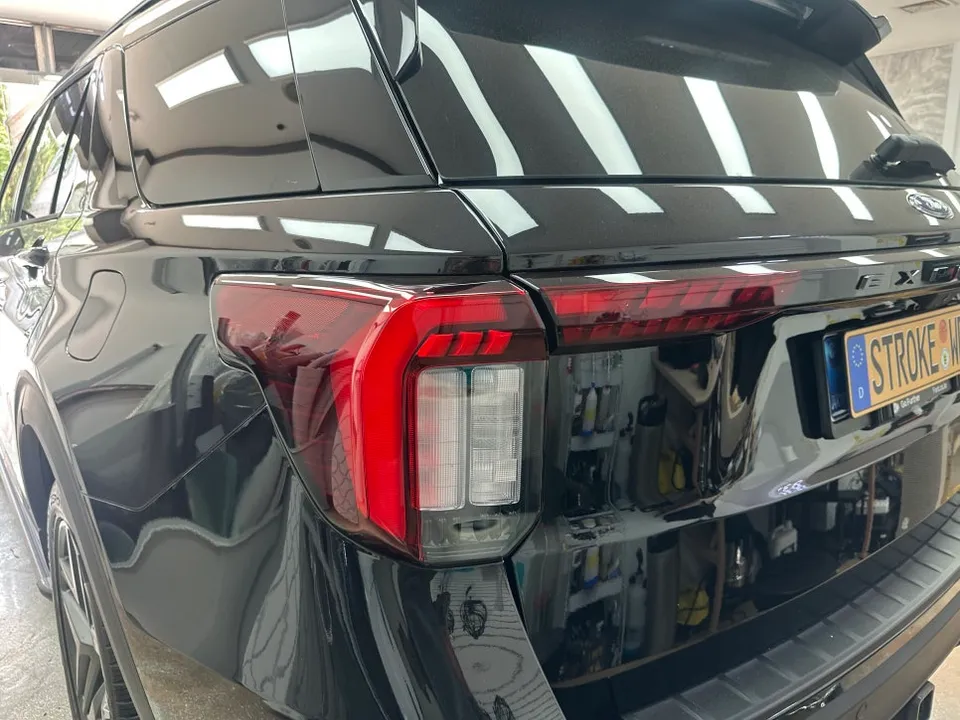
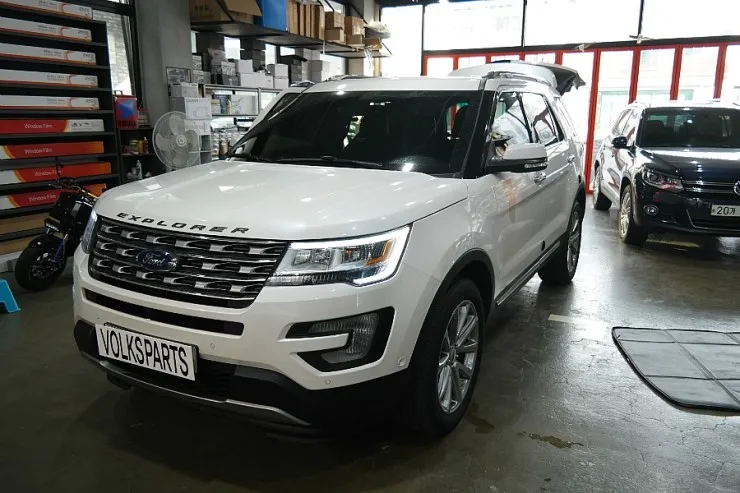
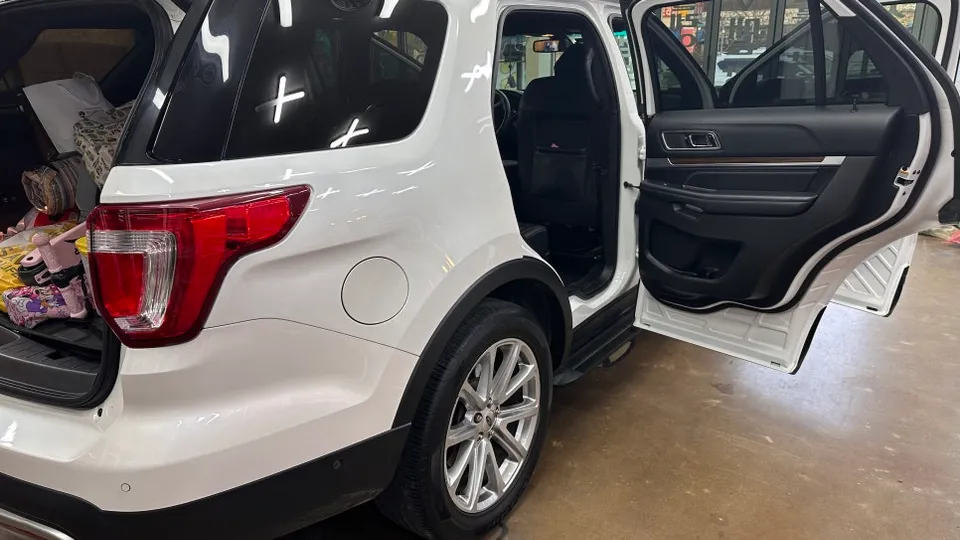
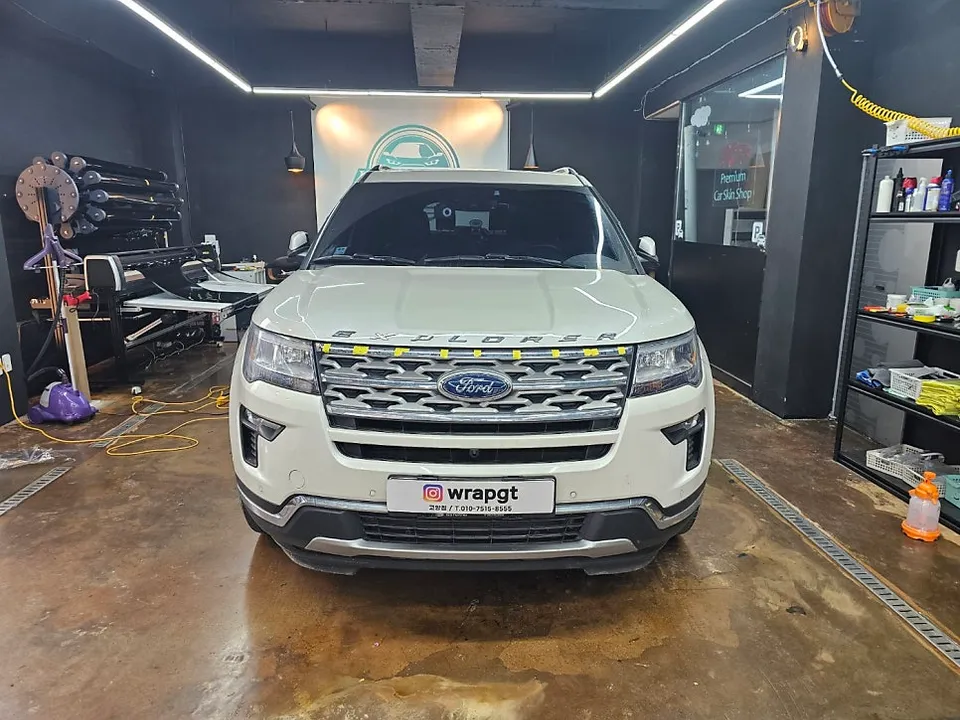
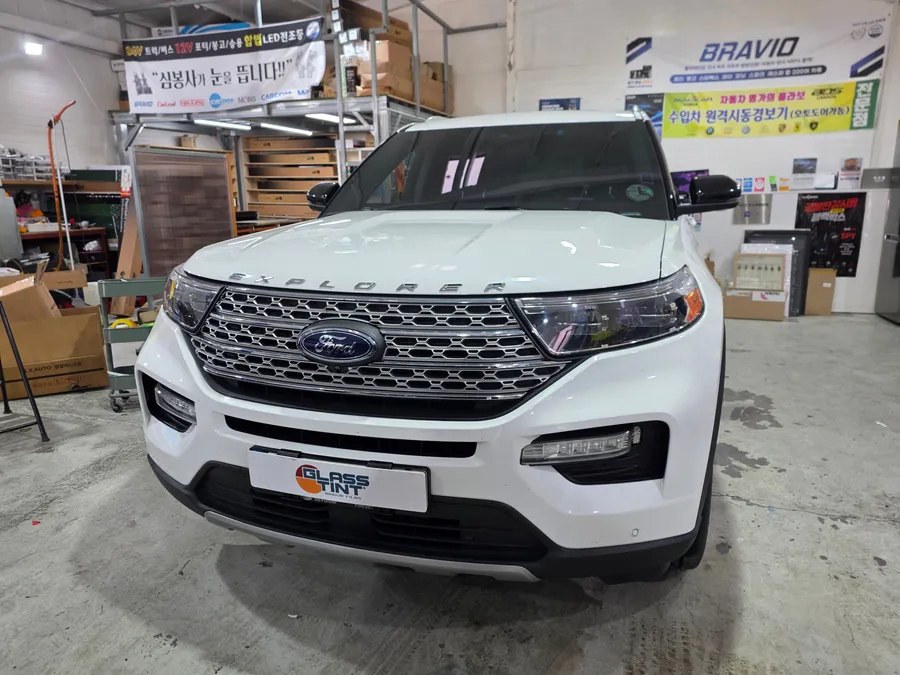
The Ford Explorer is a popular SUV, and owners often look for ways to enhance its appearance and protect its components. This review focuses on a specific modification: the application of black Paint Protection Film (PPF) to the vehicle's lights, particularly the tail lights. The goal was to achieve a more sophisticated, sporty aesthetic while also providing a layer of protection. The original Korean context details a Ford Explorer that, while already a dark color, had bright red tail lights that the owner felt were a bit too prominent. The desire was to tone these down for a sleeker, more integrated look.
The Appeal of Cliff Design Black PPF Light Film
The chosen product for this transformation was Cliff Design's Black PPF Light Film. This film comes in several color options, including light, purple, and black, with the darkest black variant selected for this Ford Explorer. Even a simple test fit showed a significant change: the bright red of the stock tail lights was immediately subdued, creating a much more refined and sporty appearance. This isn't just about aesthetics; PPF is renowned for its protective qualities. It acts as a barrier against minor impacts, scratches, and road debris, helping to maintain the integrity and appearance of the lights over time. This dual benefit – enhancing the look while adding protection – makes it an attractive option for car owners.
Installation Process and Final Results
The installation process for PPF, while seemingly straightforward, requires precision and expertise to achieve a flawless finish. Here’s a general overview of how it’s typically done:
- Surface Preparation: The lights are thoroughly cleaned and degreased to ensure no contaminants interfere with adhesion.
- Film Cutting and Application: The PPF is precisely cut to match the contours of the lights. It's then applied using a specialized solution, carefully squeegeeing out any air bubbles or excess liquid.
- Trimming and Sealing: Excess film is trimmed, and edges are sealed to ensure a long-lasting bond.
- Curing: The film needs time to cure and fully adhere to the surface.
The outcome on the Ford Explorer was exactly as desired. The tail lights achieved a perfectly clean and unified look. The black PPF wasn't excessively dark, striking a balance that complemented the vehicle's overall design. It effectively muted the intensity of the original red, resulting in a cohesive and sporty appearance. For Ford Explorer owners who find the stock tail light color too vibrant or simply want a more subdued, premium look, this PPF light film application is a highly recommended modification. While the original context mentioned a price range of 300,000 to 600,000 Korean Won (approximately $225-$450 USD, depending on exchange rates) for similar SUV light film installations, actual costs can vary based on the specific shop and film chosen.
Frequently Asked Questions
Q. How much does PPF cost for a Ford Explorer?
The cost for PPF on a Ford Explorer can vary widely depending on the coverage area, typically ranging from $40-$80 for smaller applications like just the front bumper or headlights, up to several thousand dollars for a full vehicle wrap. Specific light film installations, as seen in this review, might fall into a lower range, often between $200-$500 USD.
Q. How long does PPF last on a Ford Explorer?
Paint Protection Film generally lasts between 5 to 10 years, depending on the quality of the film and how well it's maintained. Regular washing and avoiding harsh chemicals will help extend its lifespan.
Q. Is PPF worth it for a Ford Explorer?
PPF is worth it for Ford Explorer owners who prioritize protecting their vehicle's paint from rock chips, scratches, and environmental damage, especially on high-impact areas like the front bumper and hood. It offers a clear, sacrificial layer that maintains the original paint's condition and resale value.
Q. How is PPF installed on a Ford Explorer?
PPF installation involves meticulously cleaning the vehicle's surface, precisely cutting the film to fit specific panels, and then applying it using a squeegee to remove air bubbles and ensure a smooth finish. The process requires professional skill for optimal results, especially on complex curves.
Q. What is the difference between PPF and ceramic coating for a Ford Explorer?
PPF provides a thick, physical barrier that protects against impact damage like rock chips and scratches, while ceramic coating is a thin, liquid-applied layer that offers hydrophobic properties, UV protection, and enhances gloss. PPF is primarily for protection, whereas ceramic coating is more for shine and ease of cleaning.
OhCar Partner Shop
More ppf Reviews
See all →

More Ford Reviews
Pair with Another Service
Add hydrophobic protection on top of PPF
Complete your new car protection package