Porsche 911 Performance Upgrade Review: Cost & Results
Service Price
$40–80
Estimated price · Actual price may vary by shop
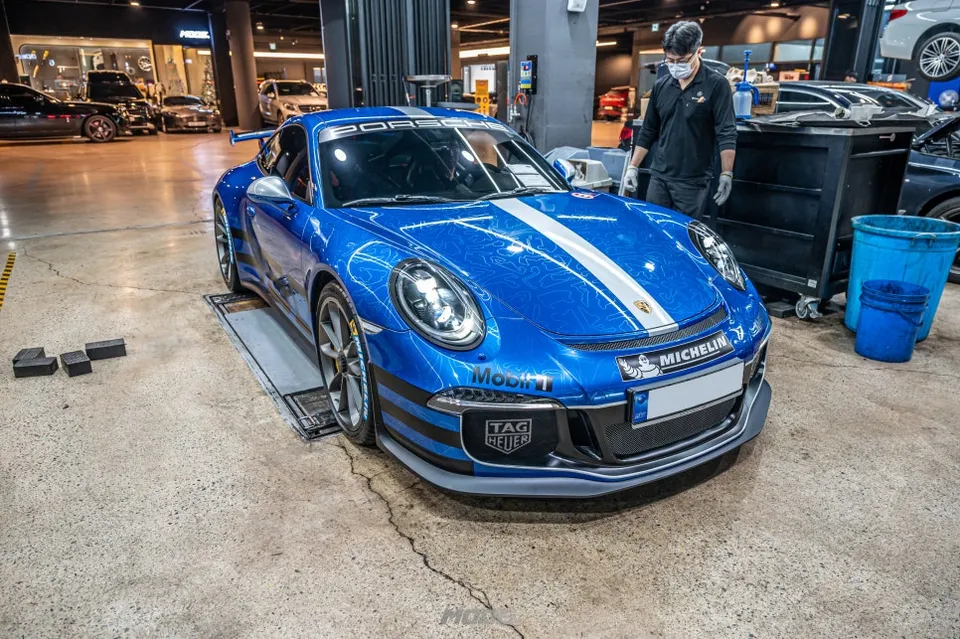
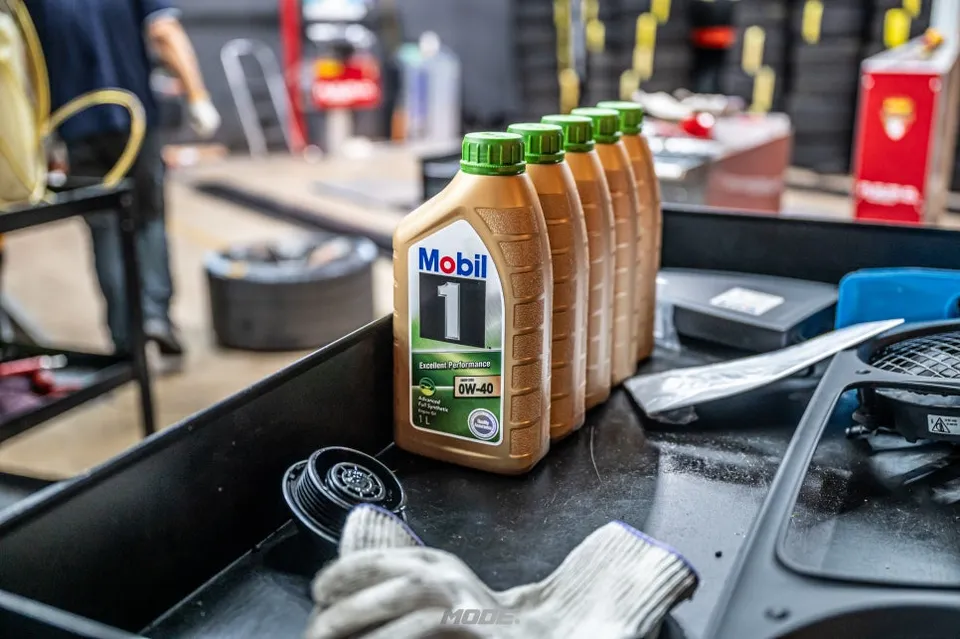
Porsche 911 Performance Upgrade: ~$40-80. Enhanced exhaust sound and potential power gains.
Porsche 911 GT3 Performance Upgrade: Essential Maintenance Insights
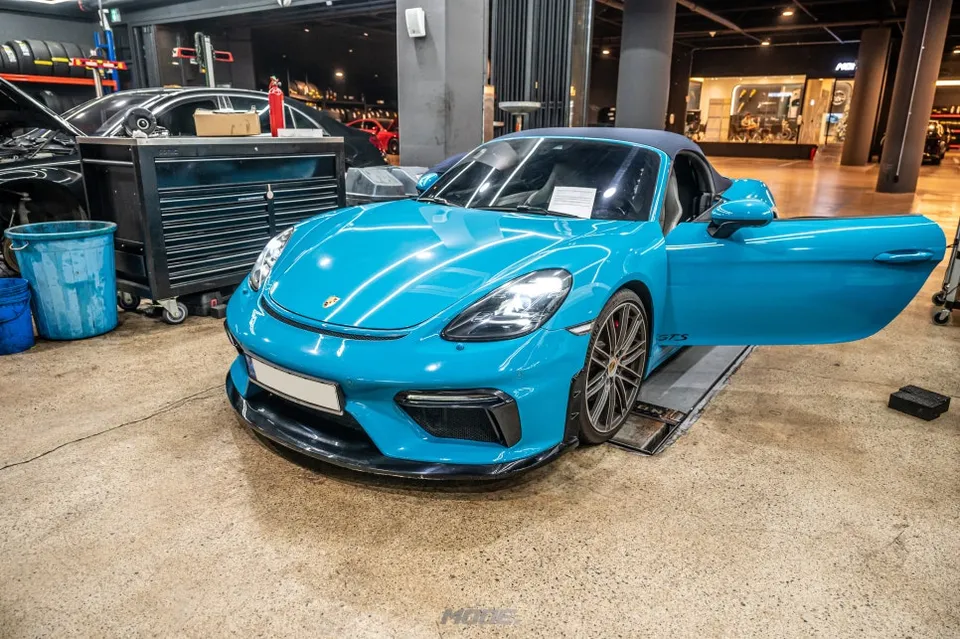
For owners of high-performance vehicles like the Porsche 911 GT3, meticulous maintenance is paramount to preserving peak performance. This review delves into the critical aspects of a performance upgrade, focusing on aspects like exhaust systems, and the importance of proper fluid management. We'll cover the installation process, expected outcomes, and help you decide if this upgrade is the right choice for your 911.
Understanding the Importance of Performance Upgrades and Fluid Maintenance
The Porsche 911 GT3, with its precision-engineered engine and transmission, demands exacting standards in its upkeep. Engine oil is the lifeblood, reducing friction, dissipating heat, and preventing corrosion in thousands of rotating components. The oil filter plays a crucial role in removing impurities, thereby extending engine life. Similarly, transmission fluid ensures smooth gear shifts and efficient power delivery by lubricating the intricate parts of the gearbox. For the 911 GT3's high-revving, naturally aspirated engine, precise oil management is non-negotiable. Using the correct grade of oil and filters, installed with the specified torque, is vital. Neglecting these aspects can lead not only to performance degradation but also to severe mechanical failures.
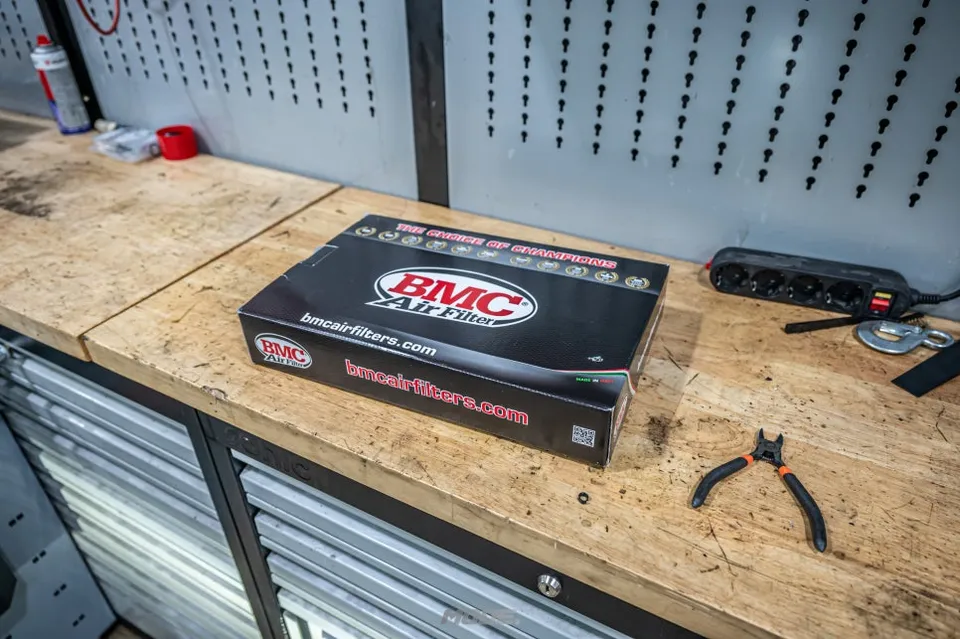
Performance Upgrade Installation and Fluid Change Process
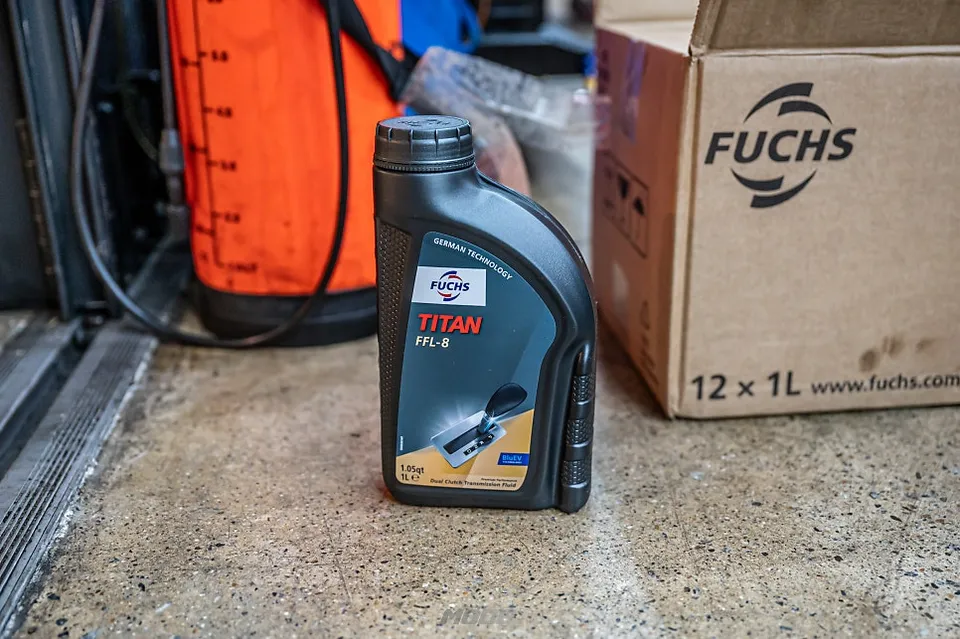
This review details a comprehensive maintenance service on a Porsche 911 GT3, including fluid changes and filter replacements. Key products used were MOBIL 1 ESP 0W-40 engine oil, a BMC air filter, a MAHLE oil filter, a PORSCHE transmission oil filter, and TITAN FFL-8 transmission fluid. The process began with safely lifting the vehicle to completely drain the old engine oil, effectively removing accumulated contaminants and wear particles. The old oil filter was then removed and a new one installed to the specified torque. For the transmission fluid change, the transmission oil pan was removed to drain the existing fluid. New transmission fluid was then precisely refilled to the correct level. Finally, fresh engine oil was added, completing the service. Maintaining the engine oil in optimal condition is crucial for the vehicle's heart.
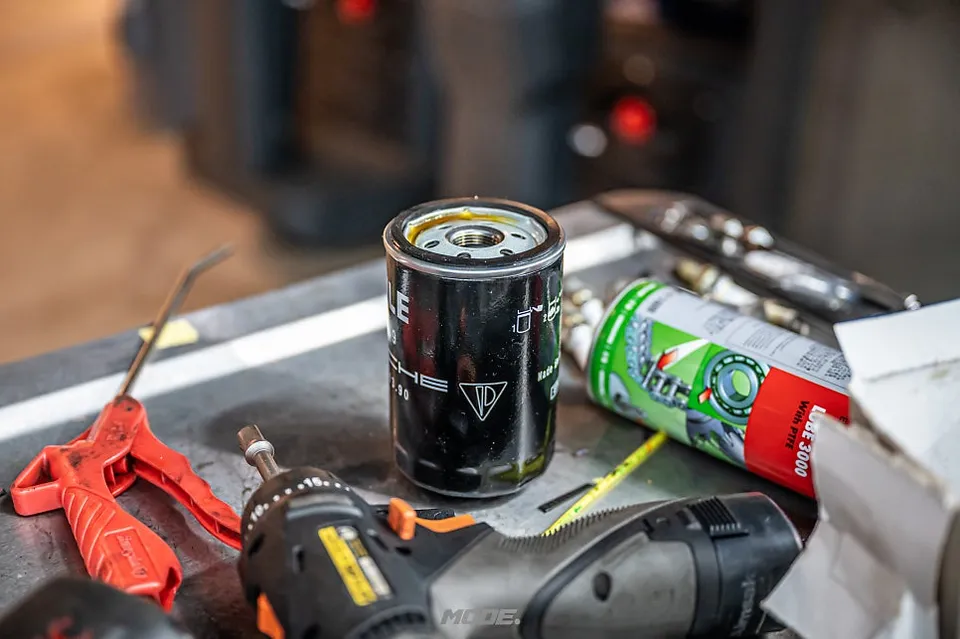
Air Filter Location and Replacement Nuances
Replacing the air filter on a Porsche 911 GT3 presents a unique challenge compared to standard vehicles. Its location is not within the engine bay but rather at the rear of the car, requiring the removal of the rear bumper for access. To ensure safe and accurate replacement, the tires were removed to facilitate the procedure. The old air filter was carefully extracted, and the new one was installed in the correct orientation. The air filter is essential for maintaining the cleanliness of the air entering the engine, optimizing performance. Inspection and replacement are recommended every 5,000 to 10,000 km, depending on driving conditions. This meticulous attention to detail ensures the longevity and performance of your 911 GT3.
Frequently Asked Questions
Q. How much does an exhaust upgrade cost for a Porsche 911?
While specific costs vary, this service was performed in Korea with an estimated price range of $40–80 USD. Typical US installation costs for performance exhaust systems on a Porsche 911 can range from $1,000 to $5,000+ depending on the system chosen.
Q. How does an exhaust upgrade affect performance on a Porsche 911?
A performance exhaust upgrade, such as a catback or axleback system, can lead to improved exhaust flow, potentially resulting in modest horsepower and torque gains, and a more aggressive exhaust note. Durability is generally high for quality aftermarket exhausts, with regular checks for leaks recommended.
Q. Is an exhaust upgrade worth it for a Porsche 911?
An exhaust upgrade is most beneficial for owners seeking a more visceral driving experience through enhanced sound and potentially minor performance improvements. For those prioritizing track performance or a distinct auditory feedback, the investment is often considered worthwhile.
Q. How is an exhaust system upgraded on a Porsche 911?
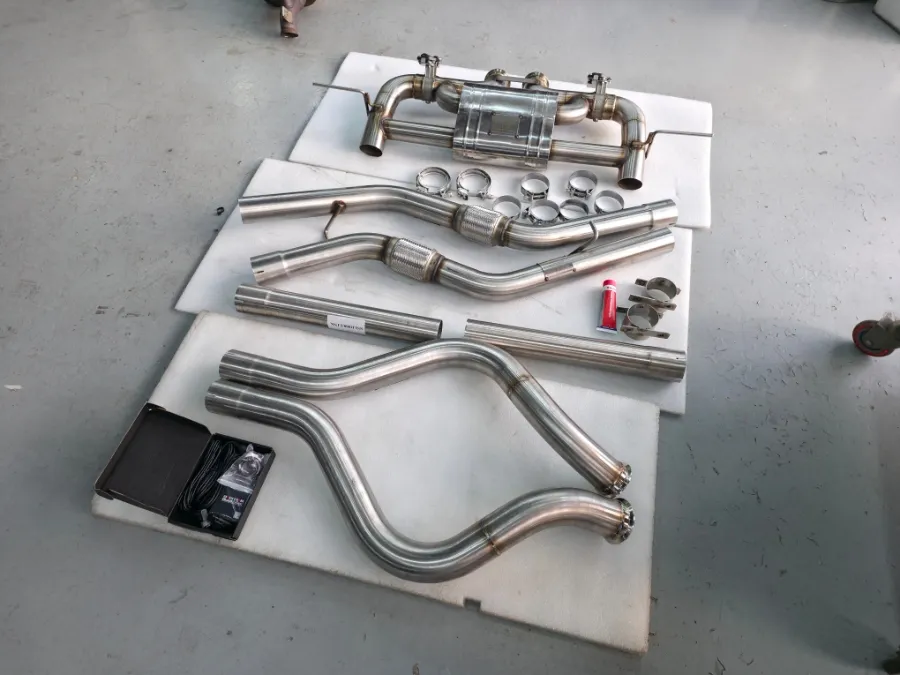
1. The existing exhaust system (muffler, catback, or axleback sections) is carefully removed. 2. The new performance exhaust components are fitted and aligned. 3. Connections are secured, and hangers are adjusted to ensure proper fitment and clearance.
Q. What is the difference between a catback and axleback exhaust for a Porsche 911?
An axleback exhaust replaces only the rear muffler section, offering a simpler installation and a more noticeable sound change. A catback exhaust replaces everything from the catalytic converter back, providing potentially greater performance gains and a more significant sound alteration.
OhCar Partner Shop