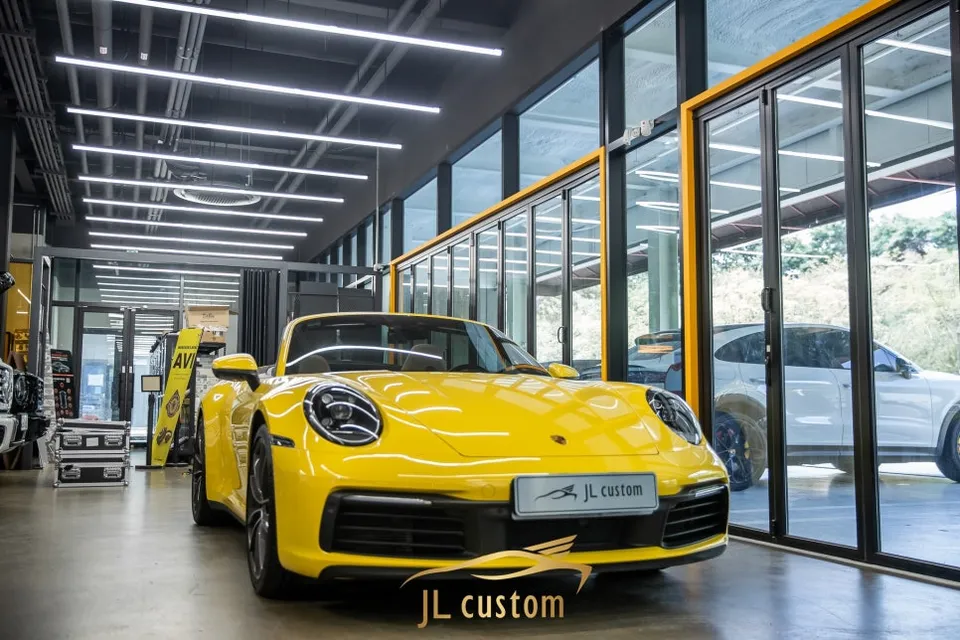
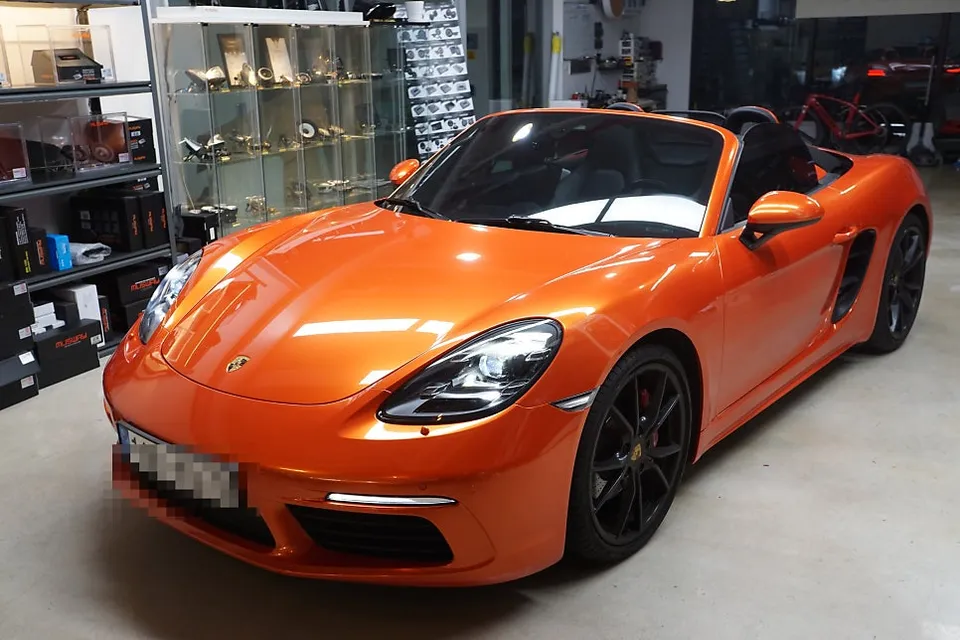
Porsche 911 Seat Climate Upgrade Review
Service Price
$115–150
Estimated price · Actual price may vary by shop
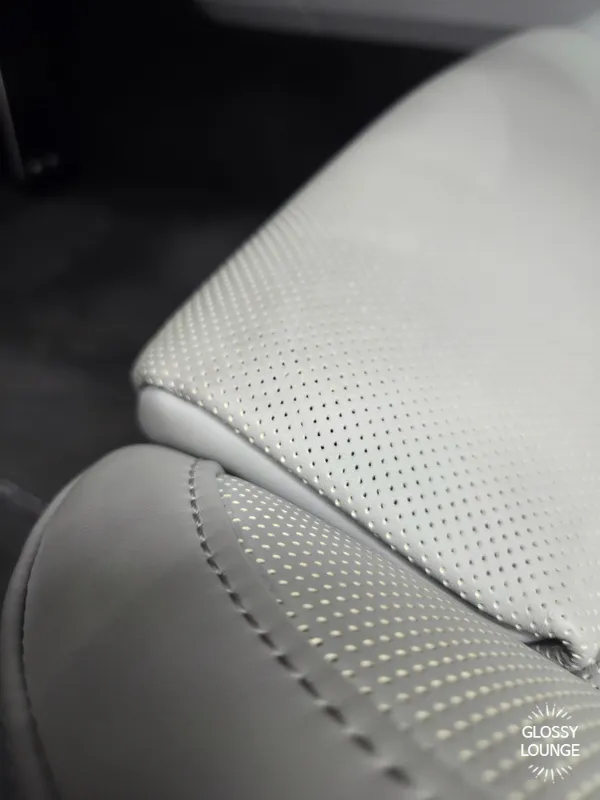
Porsche 911 seat climate upgrade: $115-$150+. Enhances comfort with heating/ventilation. Worth it for climate extremes.
Enhancing Your Porsche 911's Interior Comfort
For owners of a Porsche 911, maintaining the pristine condition of the interior is paramount. Even with minimal mileage, the passage of time can leave its mark, especially on lighter-colored leather seats. This review delves into the benefits and process of a seat climate upgrade, specifically focusing on seat ventilation and heating retrofits, to address concerns about interior wear and tear. While the original Korean context discussed leather coating for a Porsche 911, this adaptation focuses on the seat climate upgrade service, drawing parallels in the need for specialized care for premium interiors.
Why Consider a Seat Climate Upgrade?
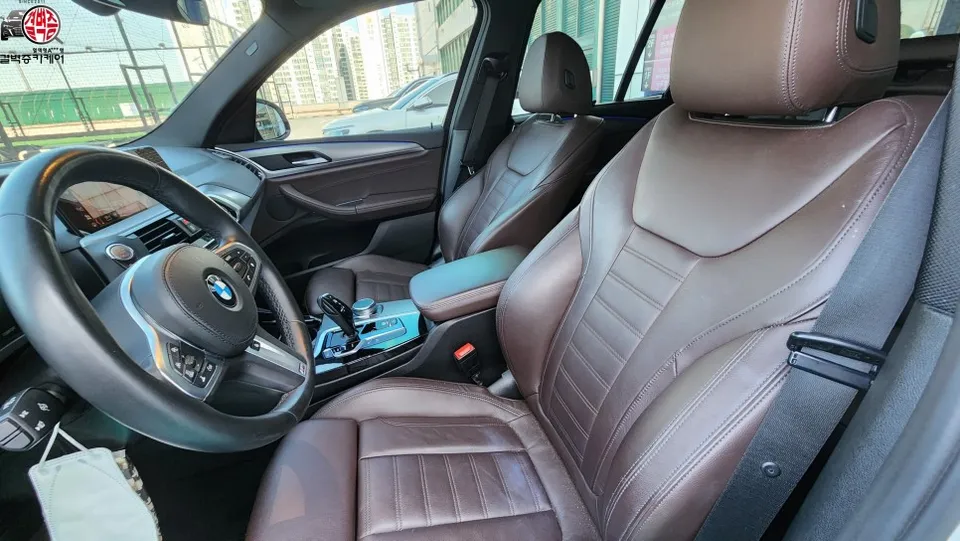
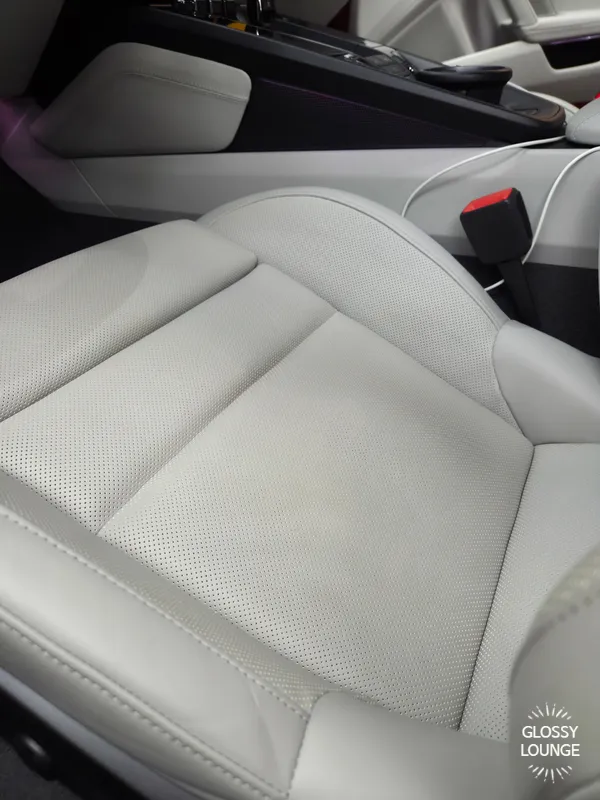
Premium automotive interiors, like those found in a Porsche 911, often feature sensitive materials that require careful handling. While the original context highlighted leather coating to prevent stains and enhance durability, a seat climate upgrade offers a different, yet equally valuable, enhancement. Ventilated seats help dissipate heat and moisture, keeping you cool and comfortable during warmer months, while heated seats provide welcome warmth in colder weather. This dual functionality transforms the driving experience, making it more enjoyable year-round. For vehicles with light-colored interiors, such as the beige seats mentioned in the source, the risk of visible staining from denim transfer or other daily grime is a significant concern. A seat climate upgrade doesn't directly prevent stains, but it enhances the overall comfort and perceived value of the cabin, complementing the aesthetic appeal.
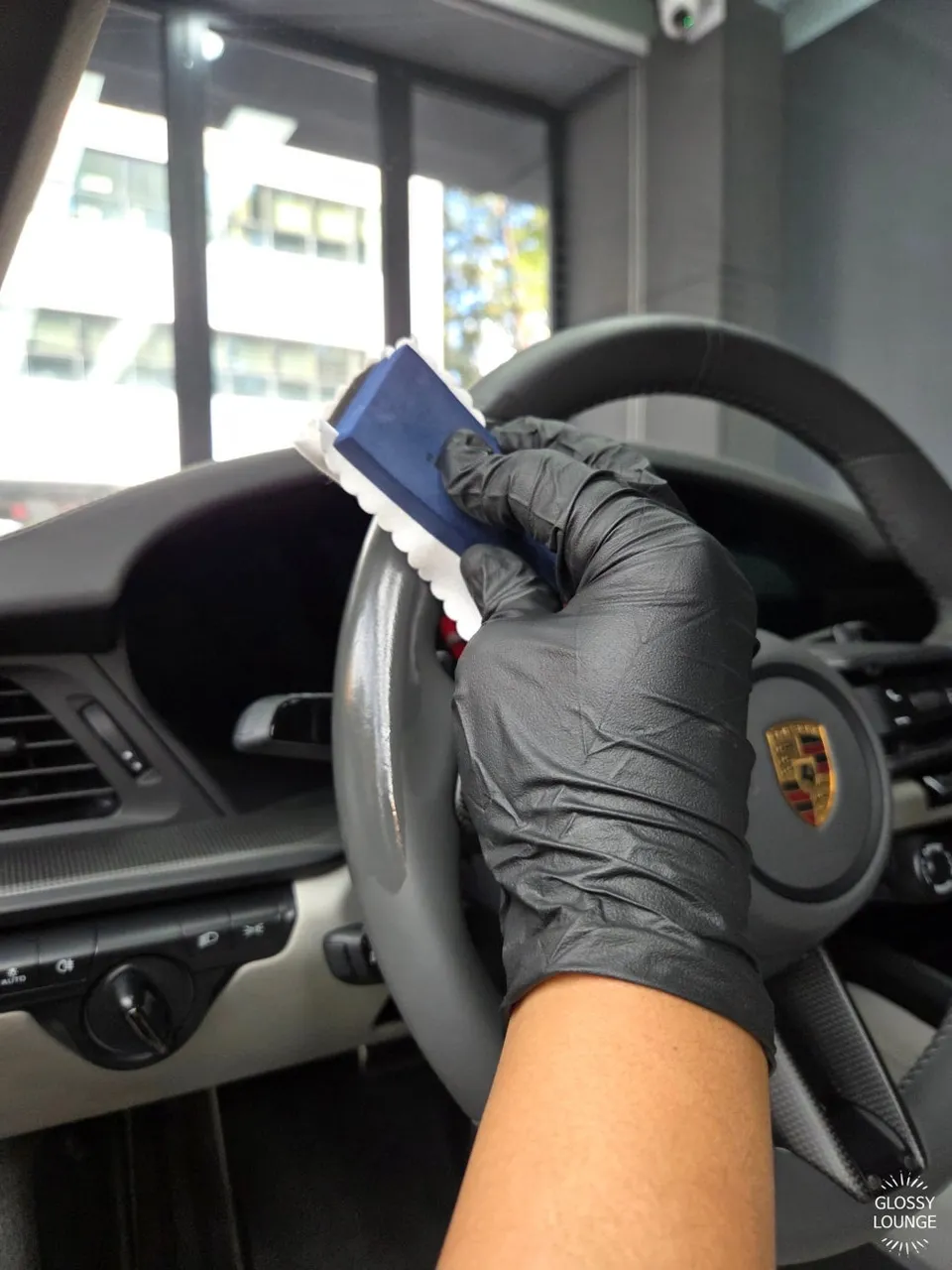
The Seat Ventilation & Heating Installation Process
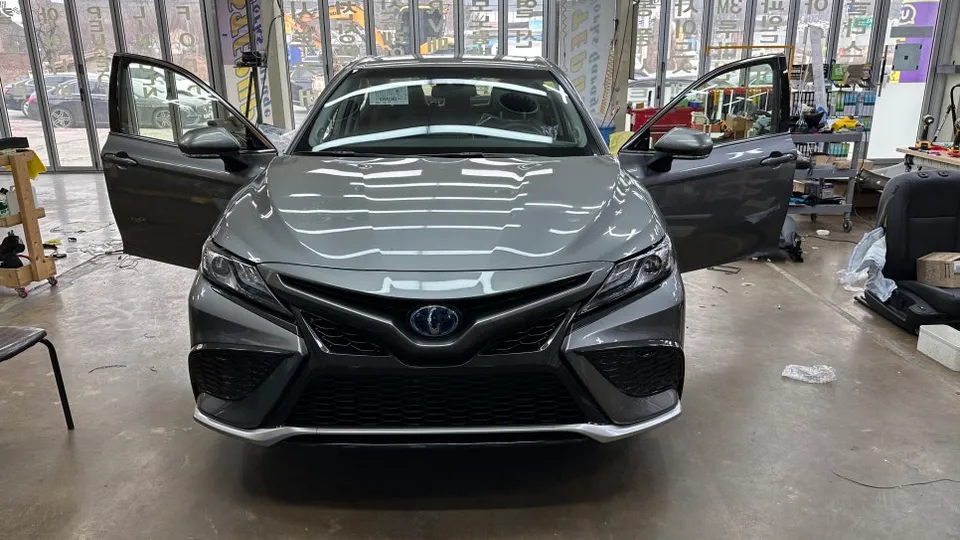
Installing seat ventilation and heating systems in a Porsche 911 is a meticulous process that requires expertise. The general steps involved are as follows:
- Disassembly: The seat covers are carefully removed to access the underlying foam and frame.
- Component Integration: Ventilation fans, heating elements, and control modules are precisely integrated into the seat structure. This often involves custom fabrication to ensure a factory-like fit and finish.
- Wiring: Electrical connections are made to the vehicle's power supply and climate control system, often requiring integration with existing dashboard buttons or a dedicated control panel.
- Reassembly and Testing: The seat covers are reinstalled, and the entire system is thoroughly tested to ensure all functions operate correctly and safely.
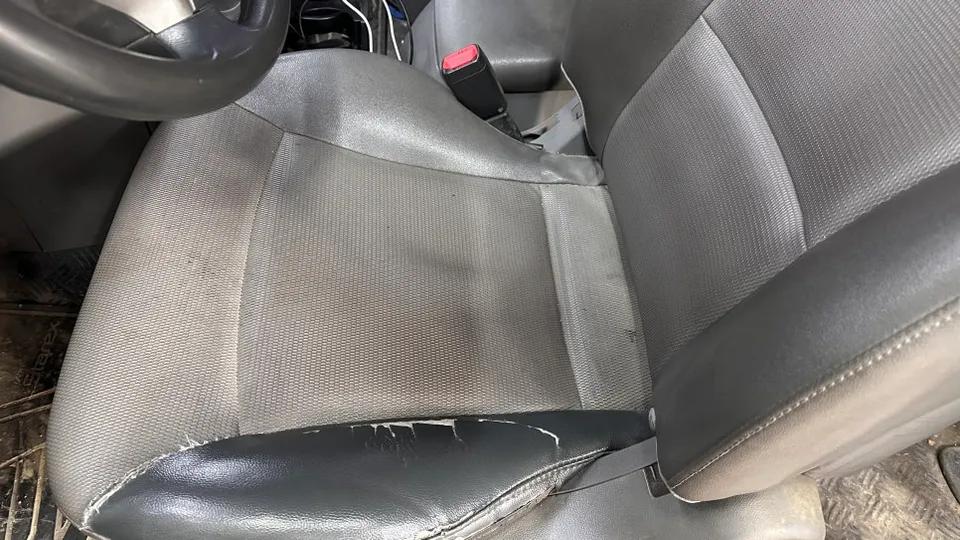
The process demands attention to detail to avoid damaging the delicate leather or compromising the seat's structural integrity. Specialized tools and knowledge are essential for a successful retrofit.
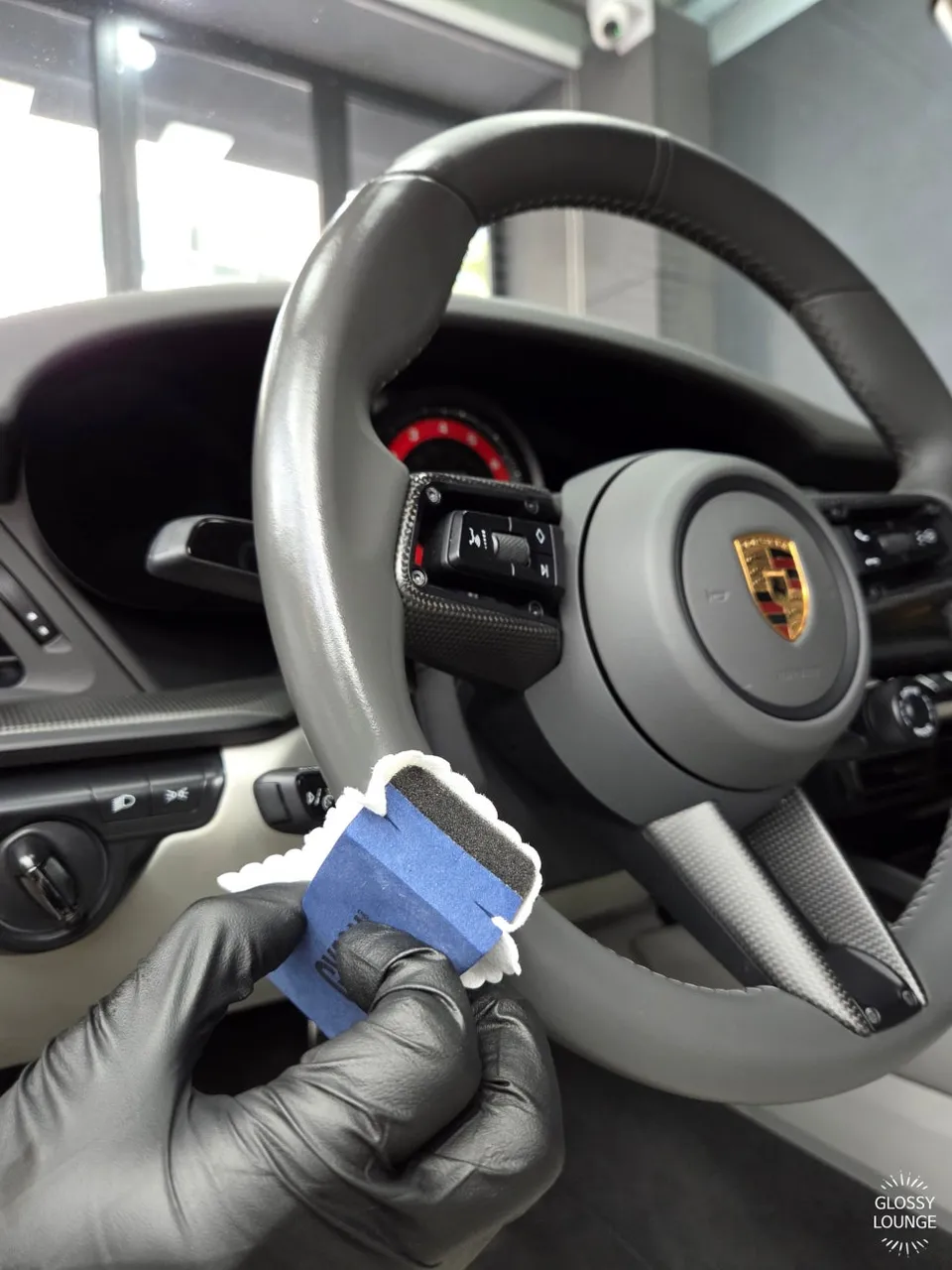
Durability, Maintenance, and Value
The durability of an aftermarket seat ventilation and heating system depends heavily on the quality of the components used and the professionalism of the installation. Reputable installers use high-quality fans and heating pads designed for automotive use, which can last for many years with proper care. Maintenance typically involves ensuring the ventilation pathways are kept clear of debris. Unlike leather coating, which might last 3-5 years, a well-installed climate system can provide benefits for the lifespan of the vehicle. The decision of whether a seat climate upgrade is worth the investment hinges on individual priorities. For drivers who spend significant time in their Porsche 911 or live in climates with extreme temperatures, the added comfort and luxury can be invaluable. While the original context mentioned a Korean price range for leather coating (approximately ₩500,000-1,500,000, or $360-$1,100 USD), aftermarket seat climate retrofits can range significantly, often starting from around $115–150 USD per seat for basic heating elements and going up considerably for full ventilation and heating packages with custom controls. The value proposition lies in transforming a high-performance car into a supremely comfortable daily driver, enhancing both the ownership experience and the vehicle's resale appeal.
Frequently Asked Questions
Q. How much does ventilated seat installation cost for a Porsche 911?
While specific installation costs for a Porsche 911 can vary, basic heated seat kits often start around $115–150 USD per seat. Full ventilation and heating systems with advanced controls will be considerably more expensive.
Q. How long does seat ventilation installation take on a Porsche 911?
The installation process for seat ventilation and heating typically requires at least 8 hours, and sometimes up to a full day or two, to ensure proper integration and testing. Regular maintenance involves keeping ventilation pathways clear of debris.
Q. Are aftermarket ventilated seats worth it for a Porsche 911?
Aftermarket ventilated seats are often worth it for Porsche 911 owners who prioritize year-round comfort, especially those living in very hot or cold climates. The enhanced driving experience can significantly increase the enjoyment of owning a luxury sports car.
Q. How are ventilated seats installed in a Porsche 911?
Installation involves carefully disassembling the seat, integrating ventilation fans and heating elements into the seat structure, and connecting the wiring to the vehicle's electrical system. The seats are then reassembled and tested thoroughly.
Q. What is the difference between OEM and aftermarket ventilated seats for a Porsche 911?
OEM (Original Equipment Manufacturer) systems are designed and integrated by Porsche, offering seamless factory fit and function, but are typically very expensive to retrofit. Aftermarket systems offer a more budget-friendly alternative, though quality and integration can vary significantly by installer and components used.
OhCar Partner Shop