Porsche 911 Seat Climate Upgrade Review
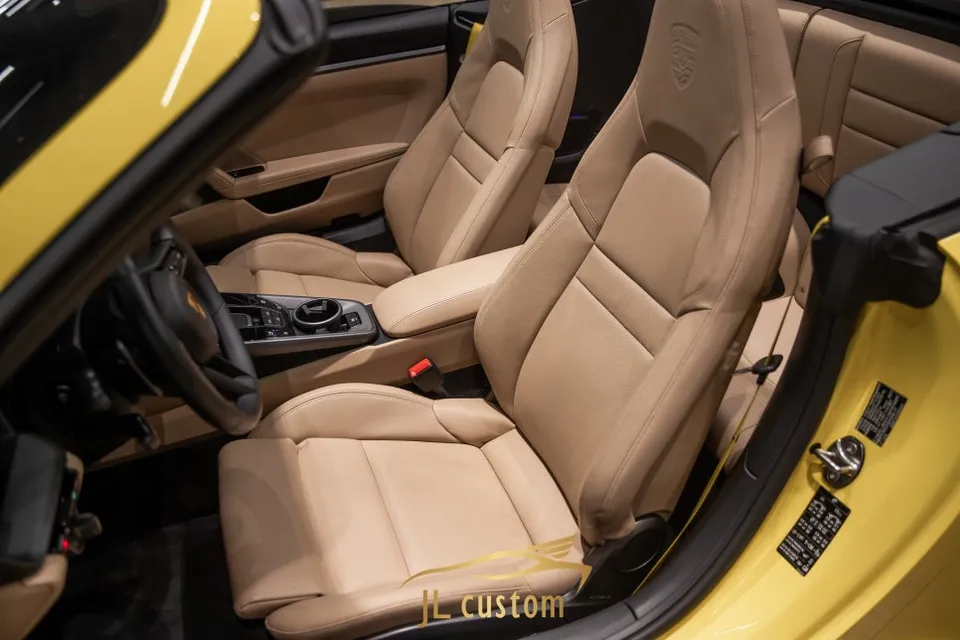
Porsche 911 seat ventilation & heating retrofit: Approx. $750-$1500 USD. Achieves factory-level comfort and integration.
Porsche 911 Seat Ventilation & Heating: A Comfort Upgrade
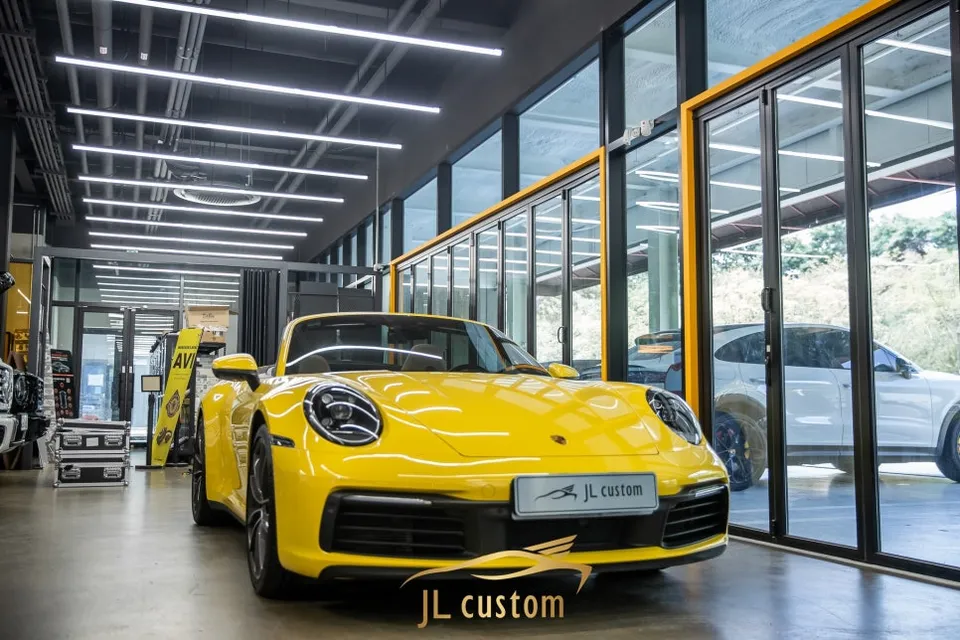
For drivers who demand the best, even in the most luxurious sports cars, comfort is paramount. This review delves into the Seat Ventilation & Heating upgrade for the Porsche 911, focusing on the experience provided by JL Custom in South Korea. We'll explore the installation process, the tangible before-and-after results, the durability of the system, and ultimately, whether this seat climate upgrade is a worthwhile investment for your 911.
Installation and Results: A Near-Factory Finish
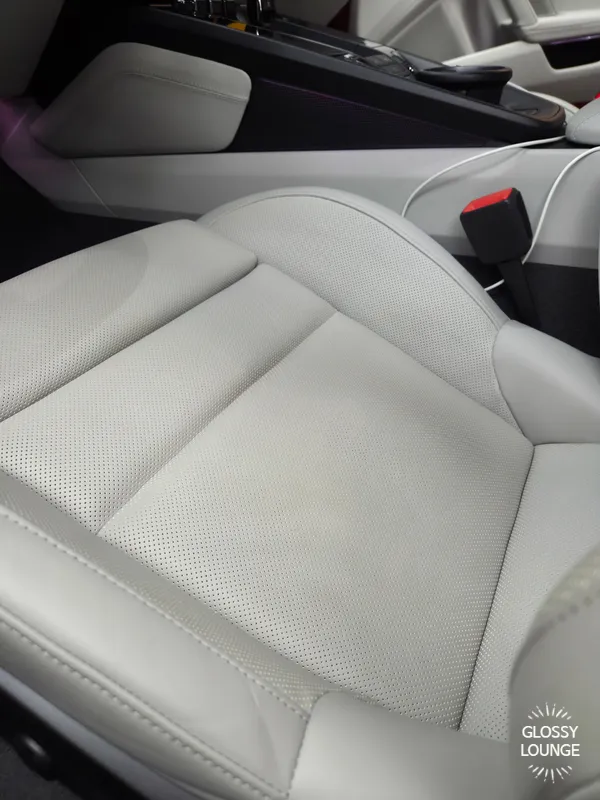
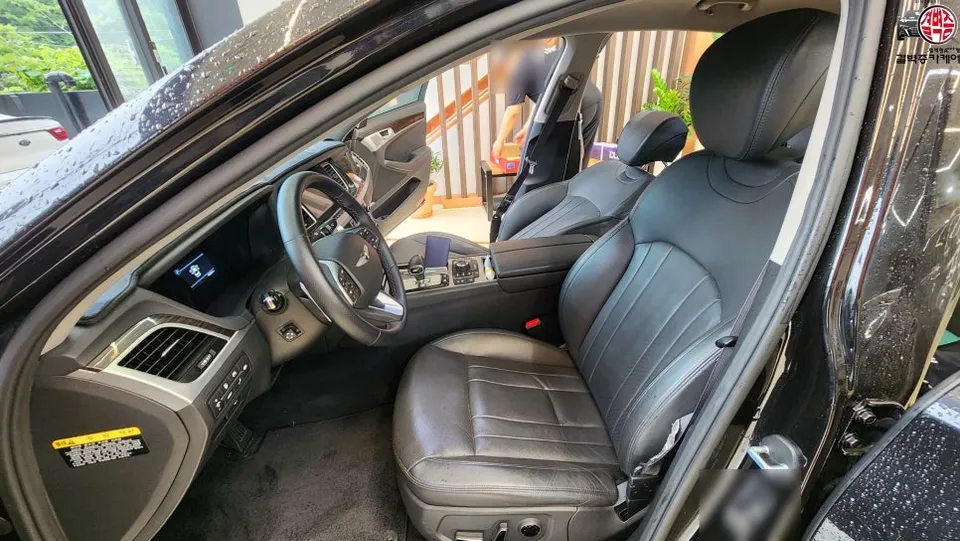
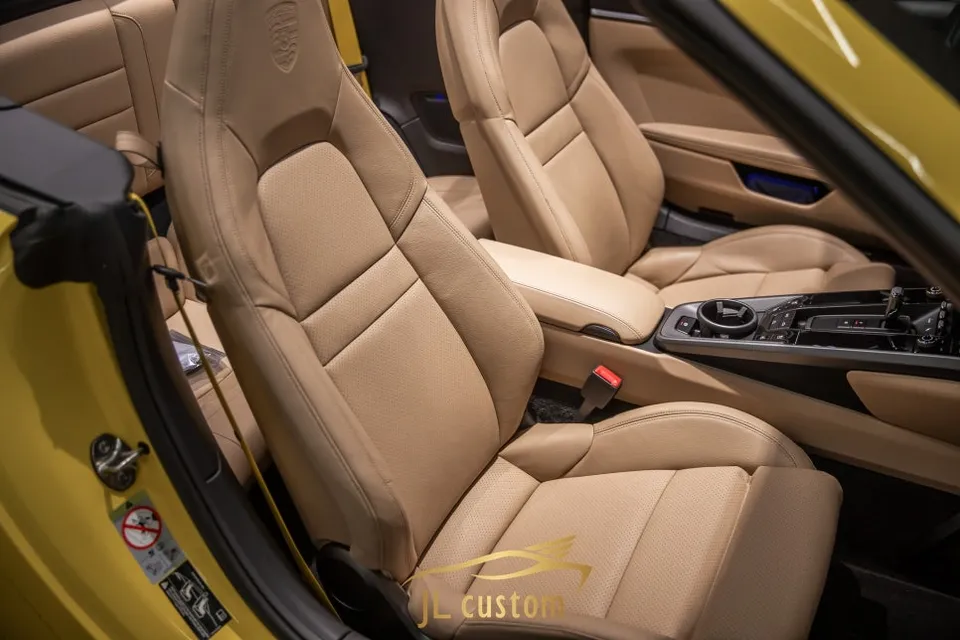
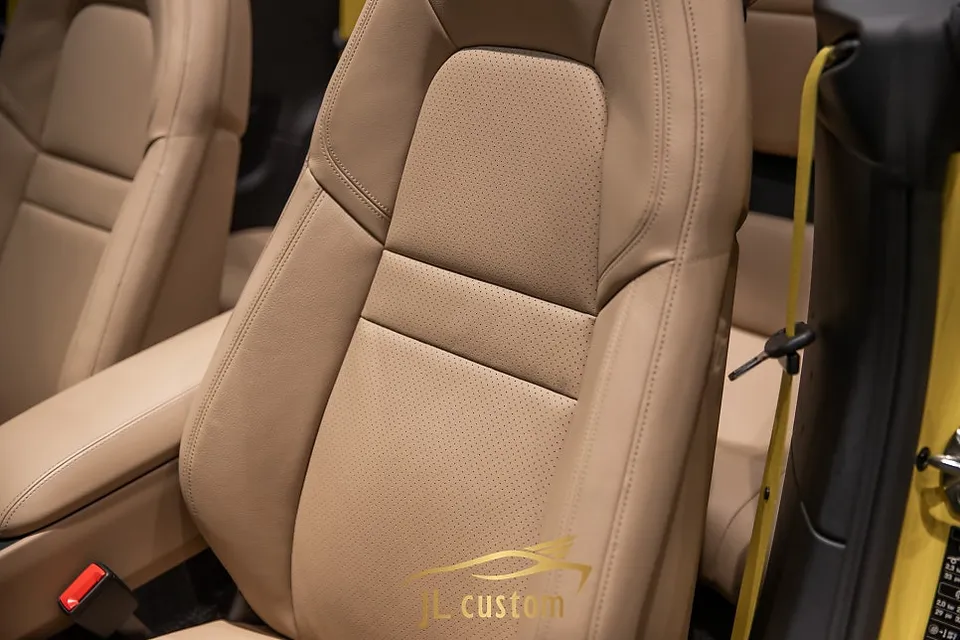
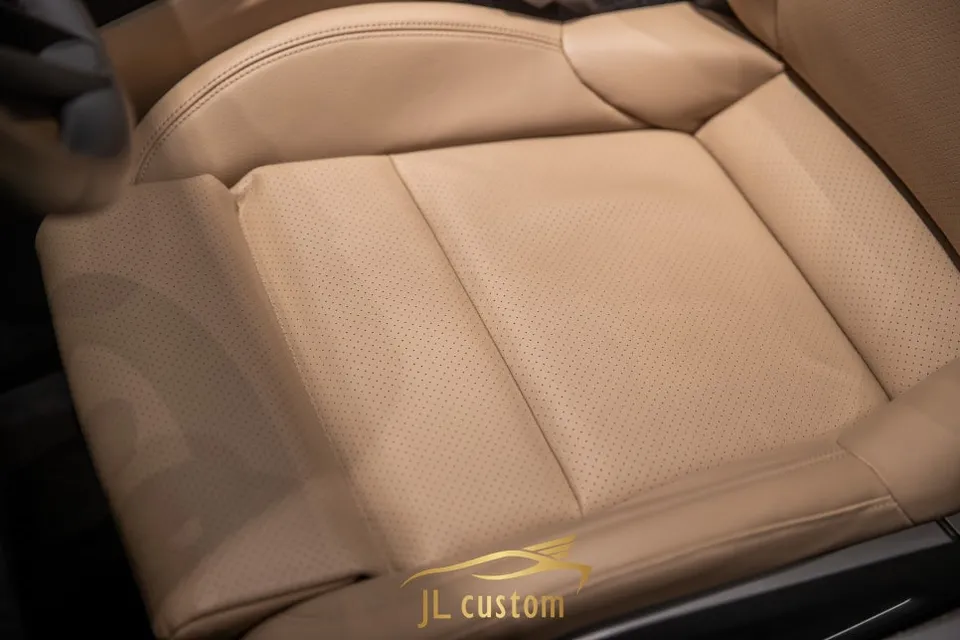
The goal of this upgrade is to achieve a factory-level integration of ventilated and heated seats. The process involves meticulous disassembly of the existing seats to allow for the installation of specialized cooling and heating modules. The key is to ensure that the airflow is distributed evenly and that the controls are seamlessly integrated into the vehicle's interior. After installation, the difference is immediately noticeable. The ventilated seats provide a refreshing airflow, significantly reducing discomfort during warmer drives, while the heating function offers rapid warmth on chilly mornings. The aesthetic integration is crucial; the new perforated leather or fabric matches the original upholstery, maintaining the premium look and feel of the Porsche 911 interior. This attention to detail ensures that the upgrade feels like a natural extension of the car's original design, rather than an aftermarket addition.
Durability, Maintenance, and Value Proposition
Durability is a primary concern for any automotive upgrade, especially in a high-performance vehicle like the Porsche 911. Systems installed by reputable shops like JL Custom are designed for longevity, using high-quality components that can withstand regular use. Maintenance typically involves keeping the seat perforations clear of debris to ensure optimal airflow. For example, avoiding excessive food spills or using seat covers that might obstruct the vents is recommended. The value proposition of a seat climate upgrade hinges on the driver's priorities. If you frequently experience extreme temperatures or simply desire a more comfortable driving experience year-round, the investment can significantly enhance your enjoyment of the Porsche 911. The cost for this type of retrofit in Korea can range from approximately ₩1,000,000 to ₩2,000,000 (roughly $750 - $1500 USD), depending on the specific vehicle model and desired features. While this is a considerable sum, the enhanced comfort and perceived value can justify the seat cost for many owners.
Installation Process:
- Seat disassembly and removal of original seat covers.
- Installation of ventilation fans and heating elements beneath the upholstery.
- Wiring integration with the vehicle's electrical system and control modules.
- Reassembly of seats and testing of all functions.
Frequently Asked Questions
Q. How much does ventilated seat installation cost for a Porsche 911?
In Korea, this retrofit typically costs between ₩1,000,000 and ₩2,000,000 (approximately $750-$1500 USD). US pricing can vary significantly based on the installer and specific components used.
Q. How long does seat ventilation installation take on a Porsche 911?
The durability of these systems is generally excellent with proper installation, often lasting many years. Regular cleaning of the seat perforations is the primary maintenance required to ensure optimal airflow.
Q. Are aftermarket ventilated seats worth it for a Porsche 911?
For drivers frequently experiencing hot or cold weather, or those prioritizing year-round comfort, ventilated and heated seats can significantly enhance the driving experience. The value is high for those who spend considerable time in their vehicle.
Q. How are ventilated seats installed in a Porsche 911?
Installation involves carefully disassembling the seats, fitting specialized fans and heating elements under the upholstery, integrating the wiring, and then reassembling the seats to a factory-like finish.
Q. What is the difference between OEM and aftermarket ventilated seats for a Porsche 911?
OEM systems are factory-integrated from the start, while aftermarket retrofits add the functionality to existing seats, aiming for a similar aesthetic and performance. Aftermarket options often provide a more accessible price point for achieving seat climate control.
OhCar Partner Shop