Porsche Cayenne Body Repair & Painting Review
Service Price
$40–80
Estimated price · Actual price may vary by shop
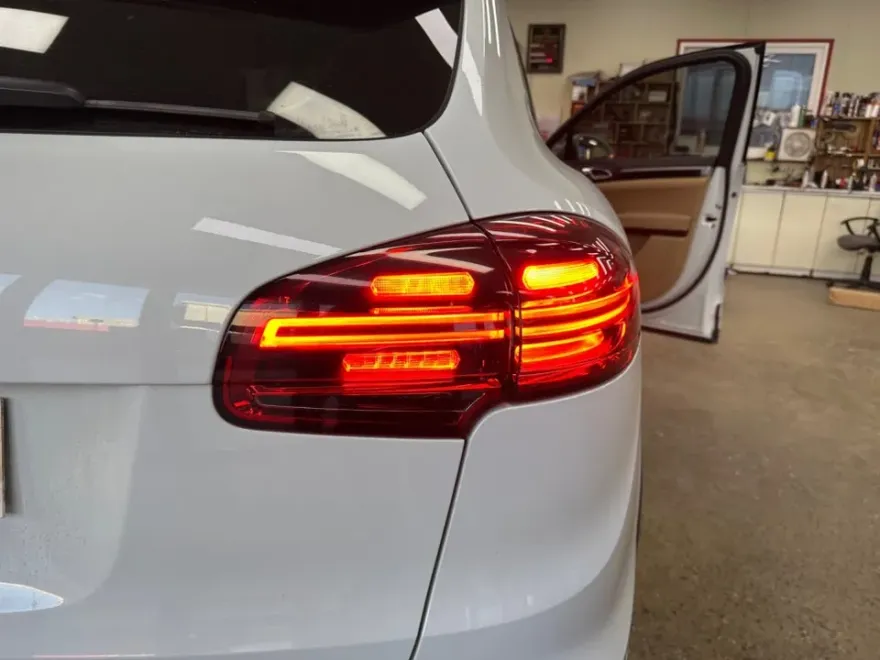
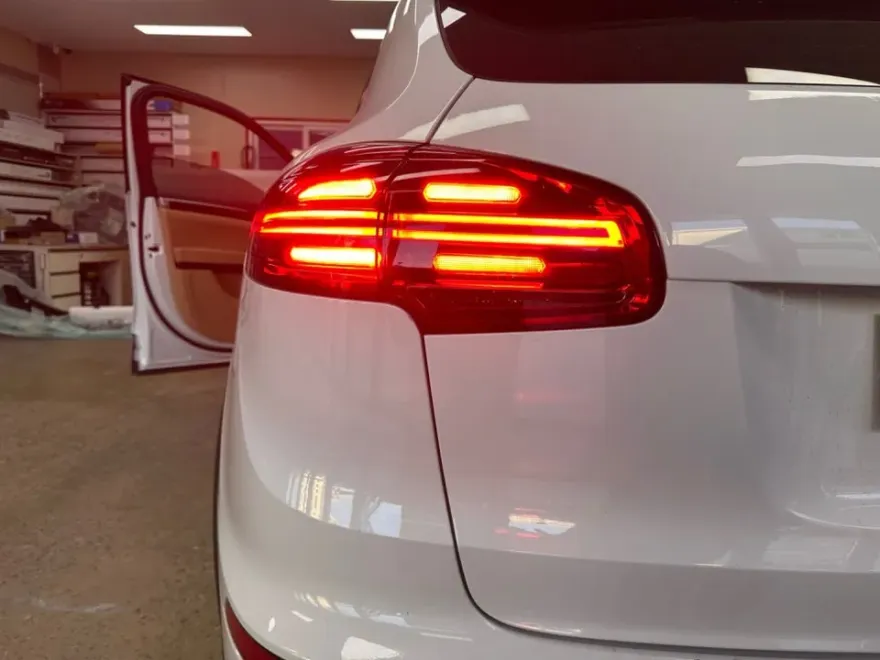
Porsche Cayenne US-spec taillight conversion for Korean compliance. Ensures legal amber turn signals. Installation involves signal separation and LED
Porsche Cayenne US-Spec Taillight Conversion for Korean Compliance
Owners of US-version Porsche Cayenne models often face a common hurdle when bringing their vehicles to Korea: the taillights don't meet local certification standards. This isn't about typical body repair or scratch repair, but a specific modification to ensure legal operation. The primary issue lies in the integration of the brake light and turn signal, with the latter often being red instead of the legally required amber (or "pumpkin" light) in Korea. This guide details the process of converting these US-spec taillights to comply with Korean Road Traffic Act regulations, ensuring your Cayenne can be legally registered and operated.
Understanding the Compliance Challenge
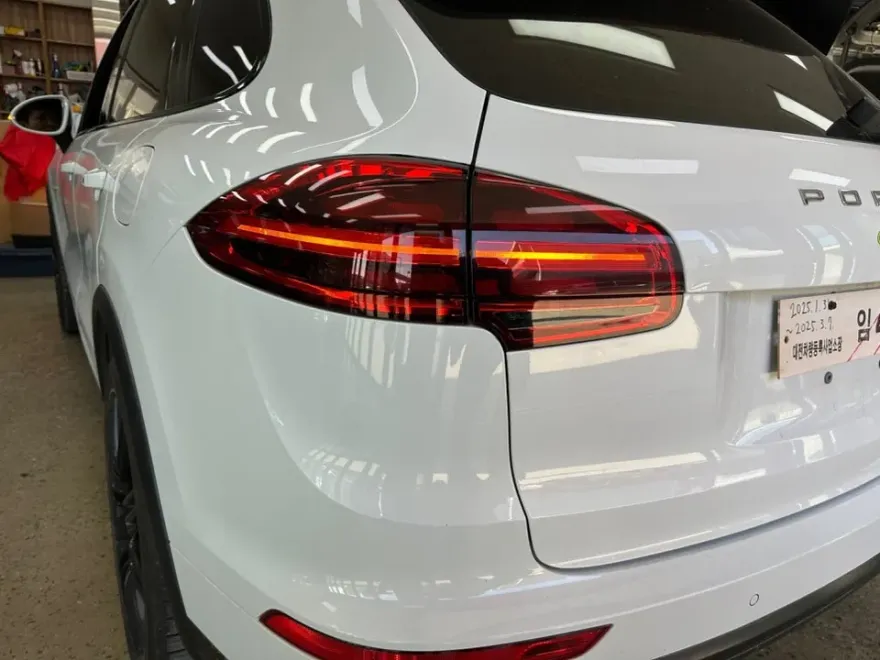
The US-spec Porsche Cayenne (specifically the 2nd generation, around 2018 models) features taillights where the brake light and turn signal function are combined, and the turn signal emits a red light. This configuration is problematic for Korean vehicle registration and safety inspections. The integrated brake and turn signal can confuse other drivers, increasing the risk of accidents. Furthermore, the red turn signal is not permitted under Korean law. To overcome these obstacles and obtain a new license plate, a specialized modification of the lighting system is essential. This goes beyond simple panel repair or paint repair; it's a technical conversion.
The Conversion Process: From US-Spec to Korean Standard
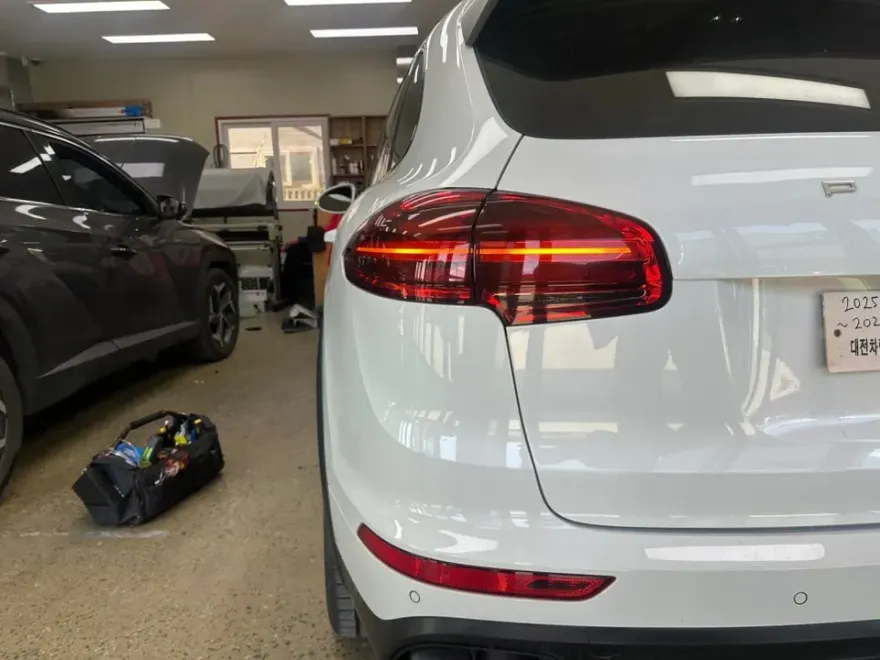
Adapting the US-spec Cayenne taillights involves more than just swapping bulbs. The original LED configuration often differs from the domestic models, necessitating a more involved approach. The core of the work is separating the brake light and turn signal signals so they operate independently. This requires a precise reconstruction of the internal circuitry. Amber LEDs are added to both the inner and outer taillight assemblies to ensure the turn signals clearly emit the legally mandated amber light. While the red lens cover might make the lights appear red in photos, the actual illumination is a distinct amber when activated, meeting all legal requirements.
Installation Process:
- Signal Separation: The critical first step is to meticulously separate the electrical signals for the brake lights and turn signals. This ensures that when the turn signal is activated, only the amber turn signal illuminates, not the brake light.
- Amber LED Integration: Additional amber LEDs are carefully installed and wired into both the inner and outer taillight units. This provides the necessary bright, clear amber light for the turn signals.
- Circuit Reconstruction: The vehicle's internal wiring and control modules are adjusted to manage the independent operation of the brake lights and turn signals, ensuring reliable functionality.
- Testing and Verification: Post-installation, thorough testing is conducted to confirm that the brake lights function correctly and the turn signals emit a clear amber light, meeting all Korean regulatory standards.
Achieving Legal Registration and Roadworthiness
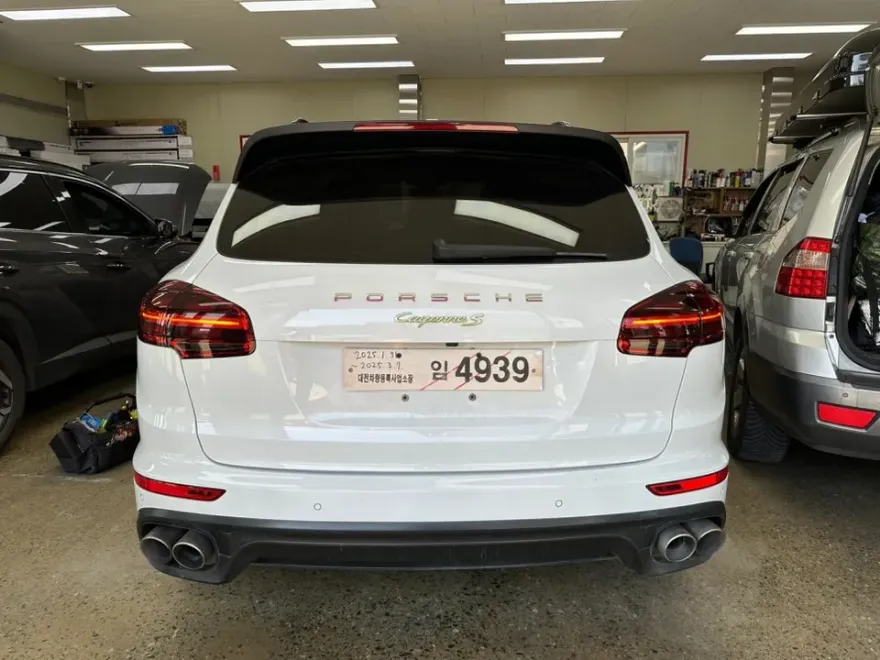
Once the taillight conversion is successfully completed, the Porsche Cayenne is equipped with a lighting system that fully complies with Korean domestic standards. This allows the vehicle to pass the new vehicle inspection and receive its official Korean license plate, eliminating the need for temporary plates. For owners in regions like Daejeon, seeking professional assistance for such lighting modifications on imported vehicles is highly recommended. While this specific case focused on taillight compliance, it highlights the importance of professional auto body repair and painting services for maintaining a vehicle's value and safety, especially for imported cars like the Porsche Cayenne. Using genuine parts and expert technicians is crucial for any body repair, bumper repair, or paint repair work.
Frequently Asked Questions
Q. How much does auto body repair cost for a Porsche Cayenne?
This specific taillight conversion for a Porsche Cayenne cost approximately 400,000 KRW (around $300 USD). General auto body repair costs for a Porsche Cayenne can vary widely, typically ranging from $400 to $800 for minor issues like bumper repair or scratch repair, and significantly more for major panel repair or painting.
Q. How long does auto body repair take for a Porsche Cayenne?
The durability of this taillight conversion is expected to be long-term, similar to original equipment. Regular maintenance, such as keeping the lenses clean, will help preserve their clarity and function.
Q. Is auto body repair covered by insurance for a Porsche Cayenne?
This specific modification for taillight compliance is typically not covered by standard auto insurance, as it's a regulatory requirement rather than damage repair. However, insurance may cover costs for accident-related auto body repair, bumper repair, scratch repair, or panel repair on your Porsche Cayenne.
Q. How is auto body repair done on a Porsche Cayenne?
For US-spec Porsche Cayenne taillights, the installation process involves: 1. Separating the brake light and turn signal electrical signals. 2. Integrating and wiring new amber LEDs into the taillight assemblies. 3. Reconfiguring the vehicle's circuitry for independent light function. 4. Testing to ensure compliance with Korean regulations.
Q. What is the difference between PDR and conventional body repair for a Porsche Cayenne?
Paintless Dent Repair (PDR) is used for minor dents without paint damage, while conventional body repair involves filling, sanding, and repainting for larger damage or paint scratches. For significant panel repair or extensive paint repair on a Porsche Cayenne, conventional methods are usually necessary.
OhCar Partner Shop