Porsche Panamera PPF Review: Cost & Before/After Results
Service Price
$150+
Estimated price · Actual price may vary by shop
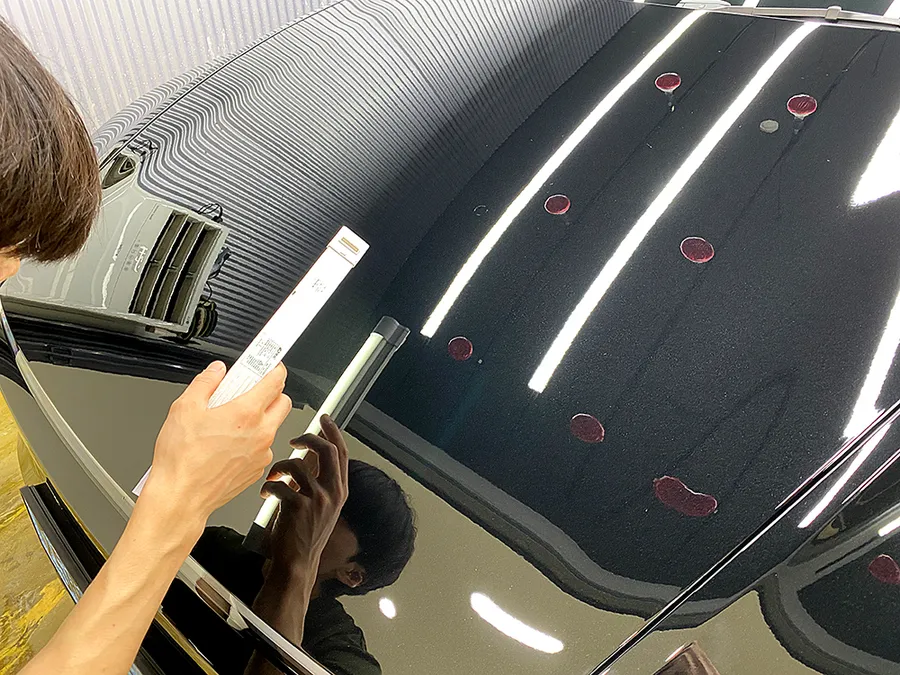
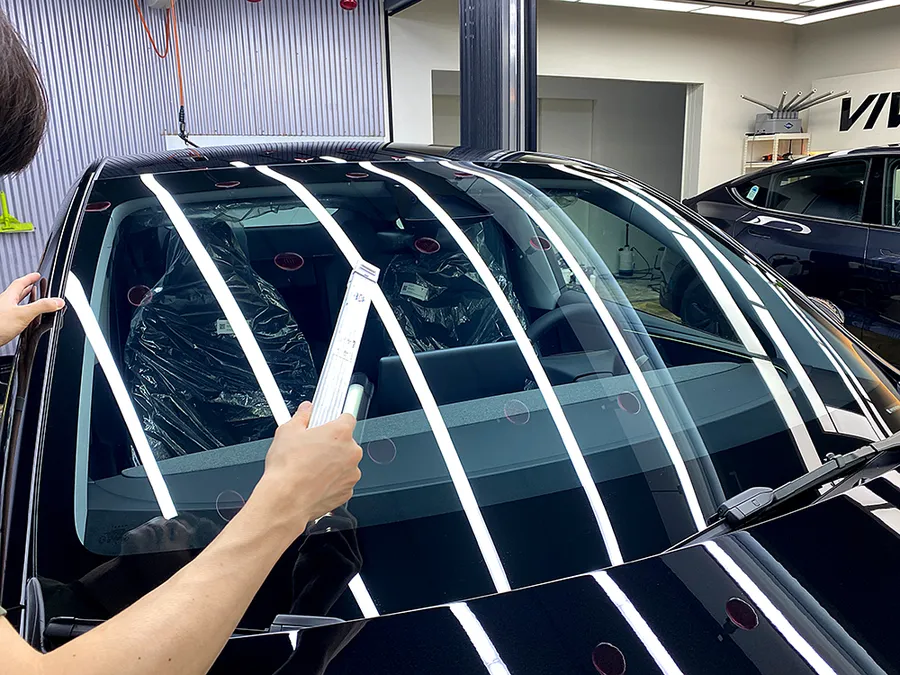
Before
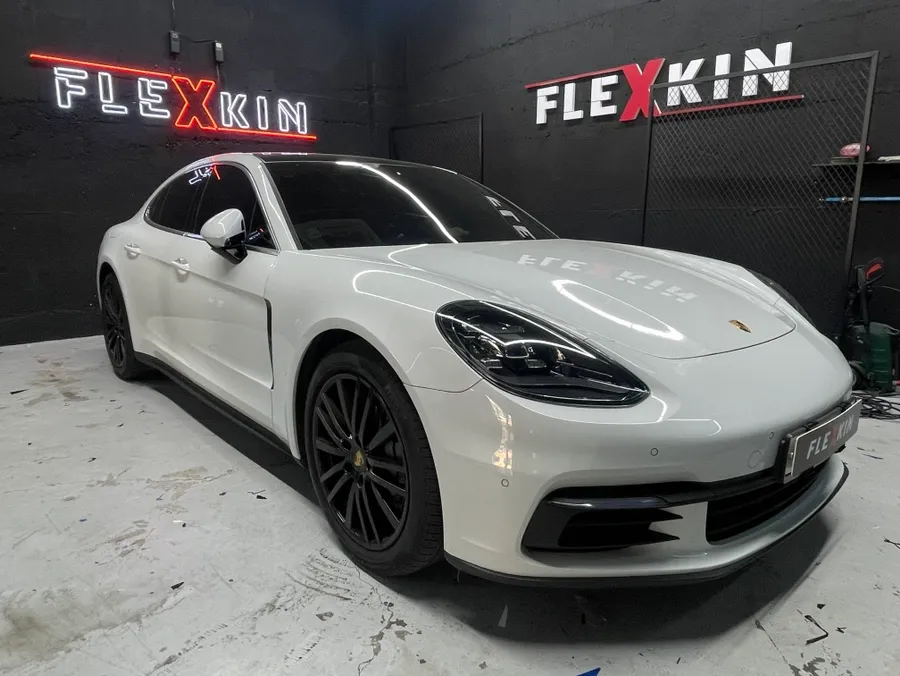
After
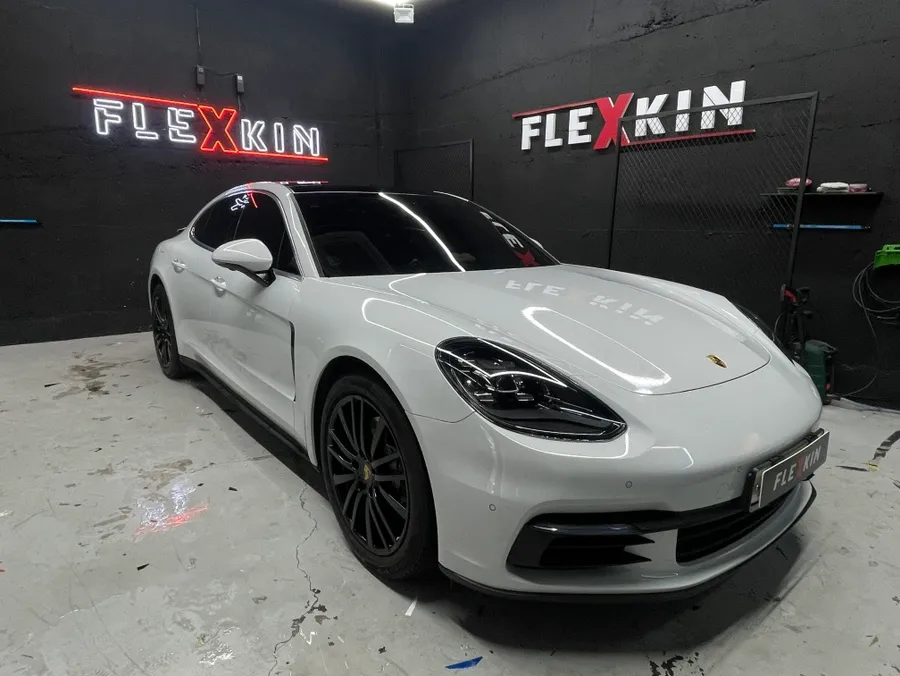
Process photos
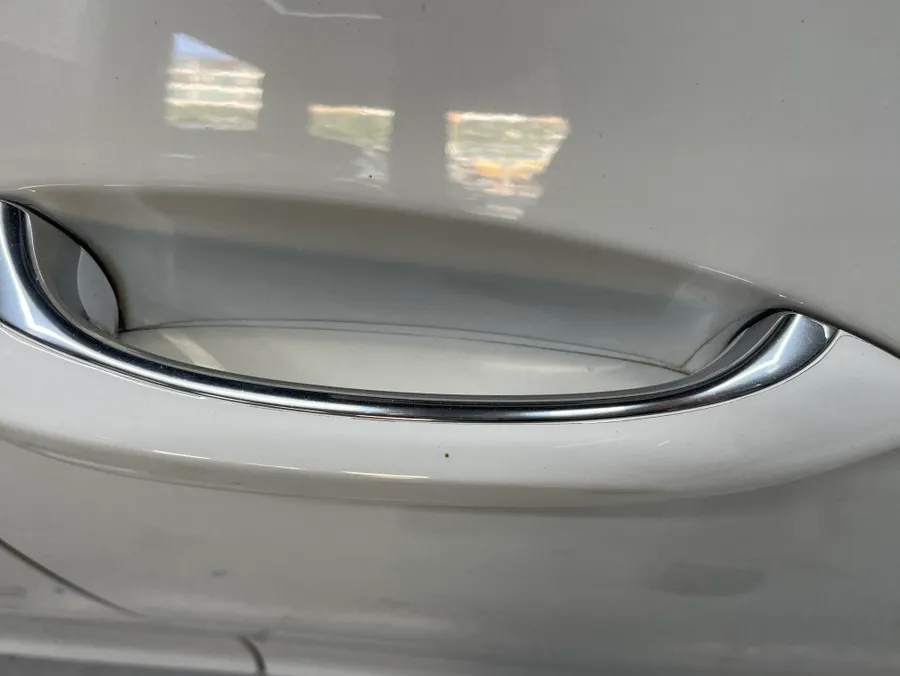
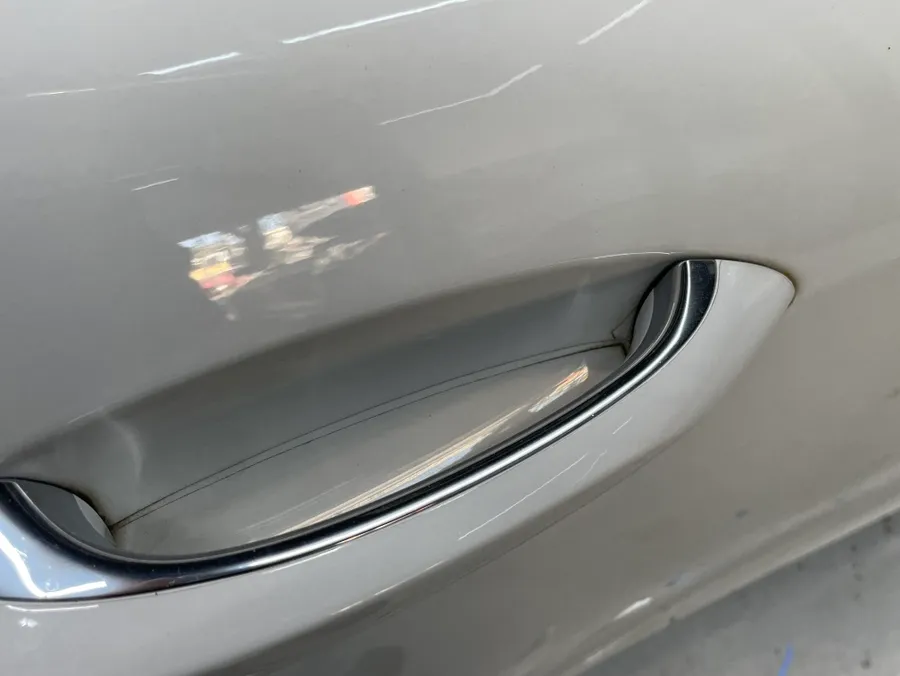
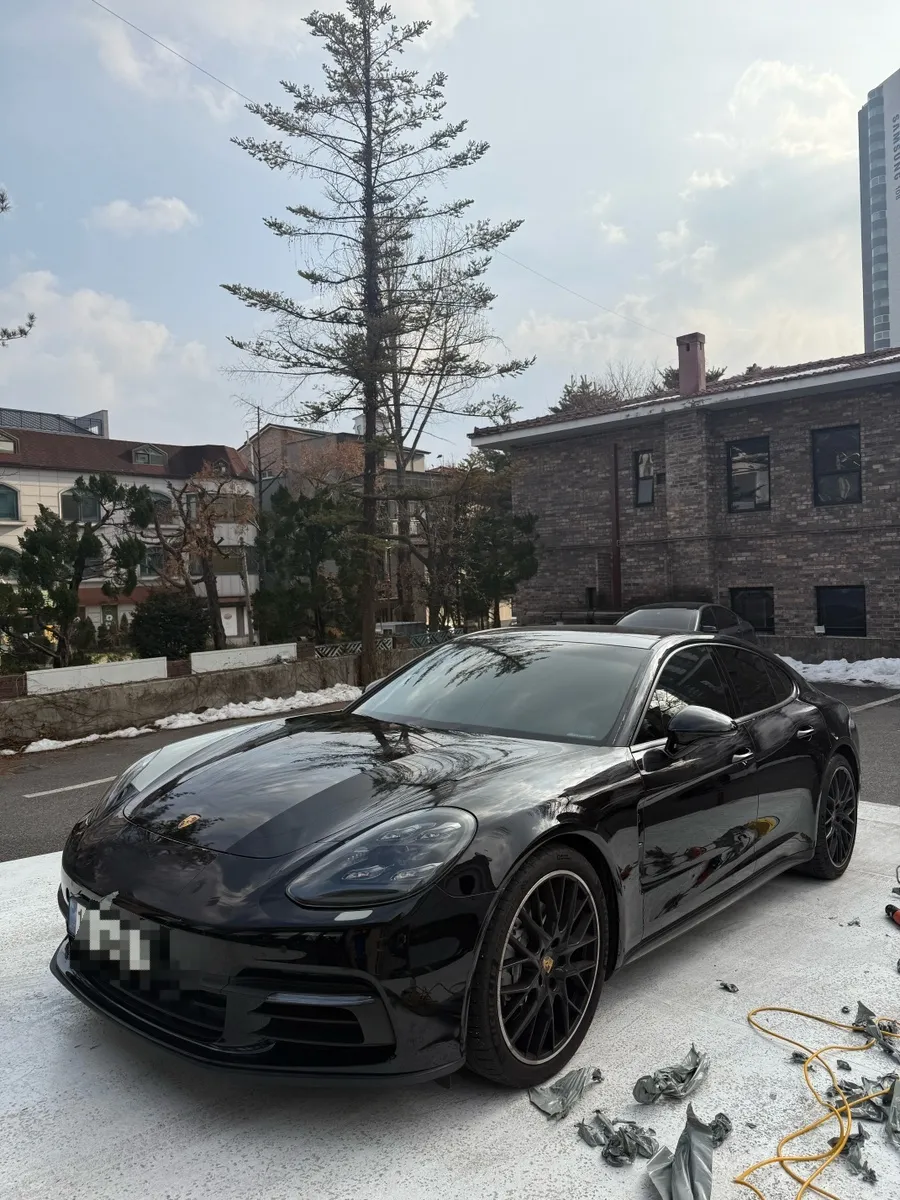
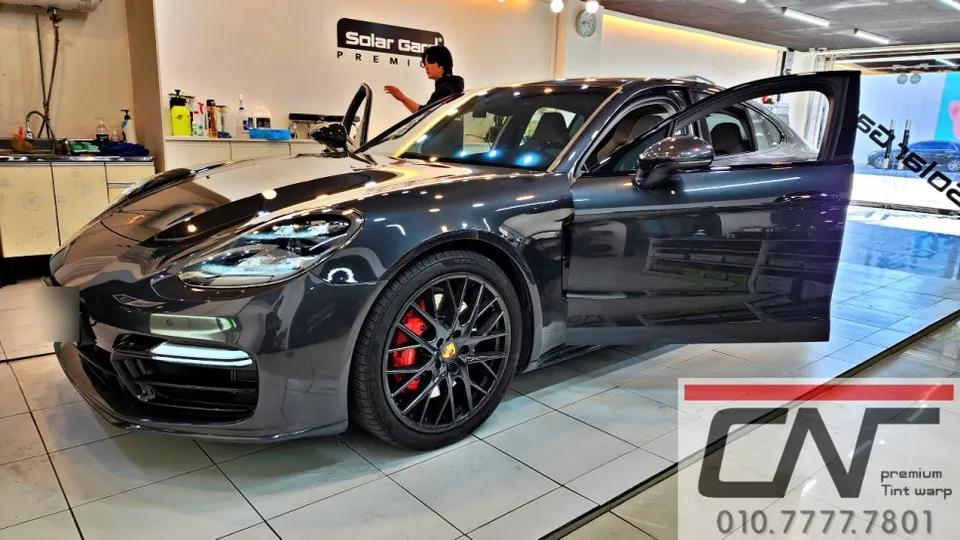
Porsche Panamera PPF refresh: Full removal & CLIF DESIGN film install. Cost details in KR context. Results: Flawless finish, superior protection.
Why Your Porsche Panamera Might Need a PPF Refresh
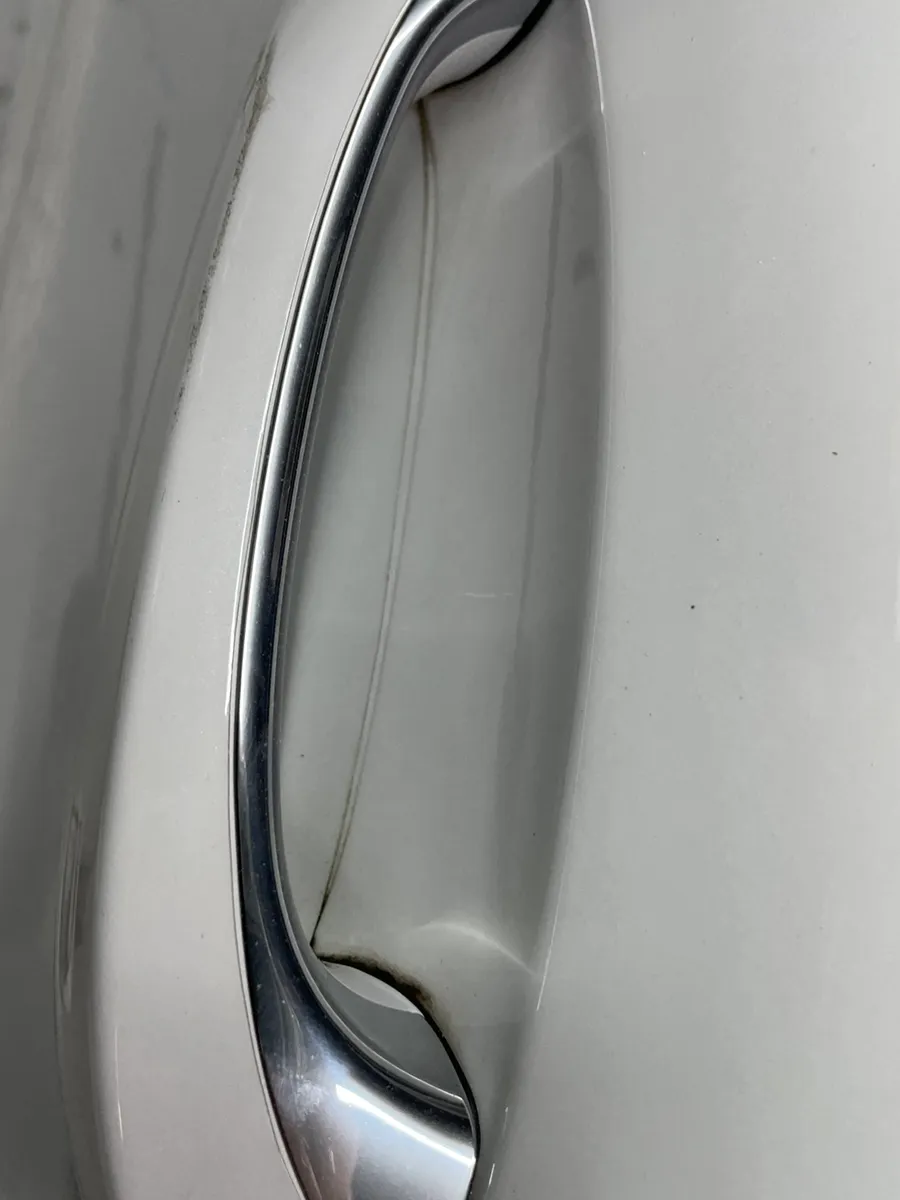
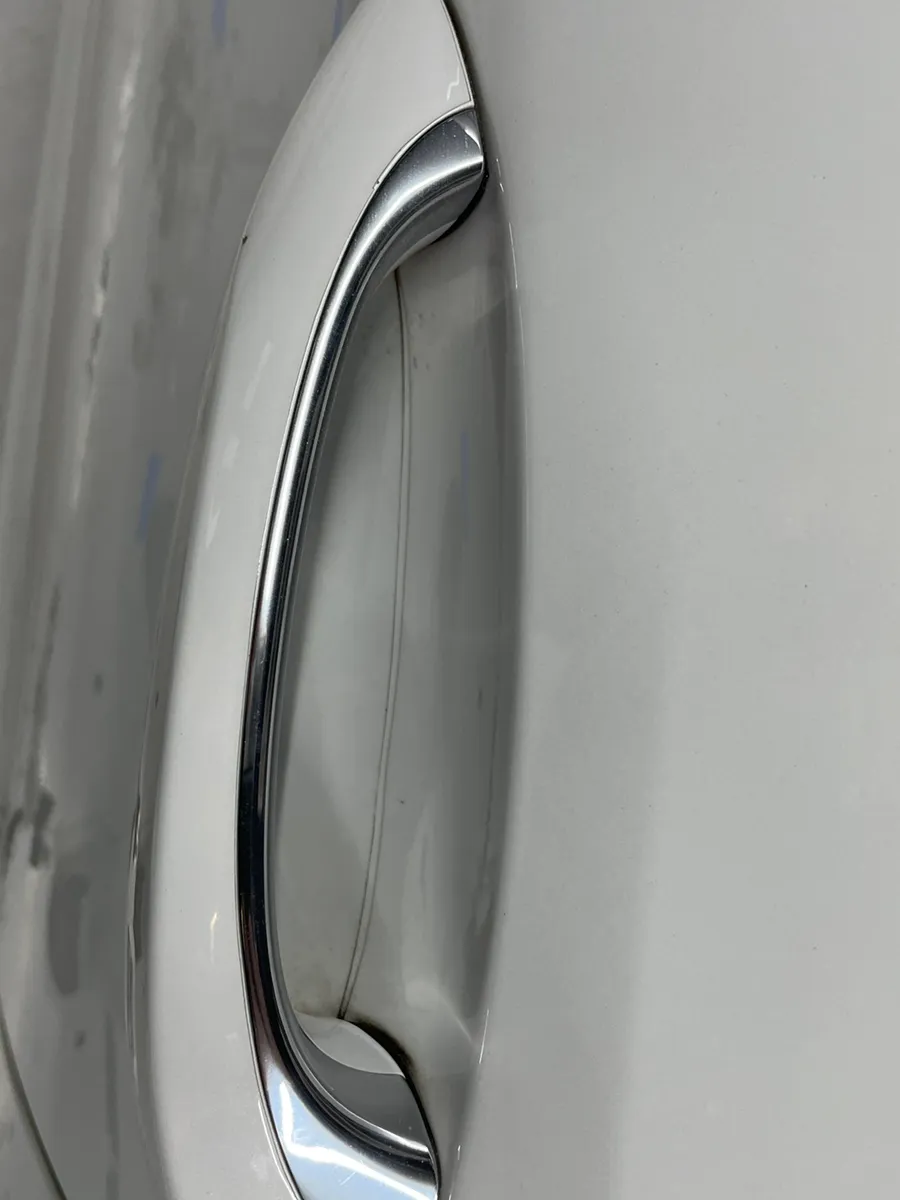
The Porsche Panamera, with its sleek, long hood, complex curved panels, and intricate trim, demands a specialized approach to Paint Protection Film (PPF) installation. It’s not just about sticking on a film; it requires a deep understanding of each panel's unique characteristics. This Panamera, serviced at the "Today's Car" Daegu branch, presented a clear case for a PPF overhaul. The existing film was in rough shape, with poorly finished areas around the inner door handles and side mirrors. Worse, the front bumper and rear window sections showed noticeable "waviness," suggesting either a lack of proper panel removal during the initial installation or the use of low-quality film. This situation highlights a crucial lesson: cutting corners on PPF installation often leads to greater expenses down the line. Cheap films can leave adhesive residue upon removal, potentially damaging the paintwork and necessitating costly paint correction. The owner wisely opted for a full replacement using CLIF DESIGN film, ensuring a flawless finish.
The Crucial Steps: PPF Removal and Surface Preparation
The first critical step in any PPF refresh is the meticulous removal of the old film. This isn't a simple peel-and-stick operation. It involves carefully removing the film and any lingering adhesive residue, followed by a thorough inspection of the underlying paint condition. The "Today's Car" Daegu team employed heat and specialized solutions to gently lift the old film, closely examining the paint for any signs of damage. Before applying new PPF, comprehensive surface preparation is non-negotiable, especially on a vehicle as complex as the Panamera. Key components like door handles and side mirrors were removed. This is a step many installers skip, but it's essential for accessing and cleaning hidden dirt and debris within panel gaps. Following component removal, a preliminary wash removes loose contaminants. Then, a clay bar treatment lifts microscopic particles (like overspray or old wax residue), and a degreasing process ensures the paint surface is perfectly clean, maximizing the adhesion of the new PPF.
Expert Installation: Tackling the Panamera's Unique Challenges
Hood Installation: Precision is Key
The hood sets the tone for the entire vehicle's appearance. Unlike dry wrapping methods, PPF is typically applied wet, making it highly susceptible to dust contamination. Even a single speck of dust on the Panamera's expansive hood can lead to visible bubbles or imperfections later on. "Today's Car" Daegu meticulously prepped the hood multiple times before film application. During installation, the film is applied with consistent tension, carefully smoothing out any wrinkles. The squeegee work must be precise to eliminate air bubbles and prevent film creasing. Improper installation can result in bubbles appearing months later or the film lifting at the edges.
Door Panel Installation: The Importance of Trim Removal
Door panels present various installation challenges. While some opt for a simpler method without removing trim, this often leaves accumulated dust in the crevices, especially on a used vehicle. The Panamera's side glass trim, in particular, features intricate curves that easily trap dirt. "Today's Car" Daegu safely removed the trim before re-prepping the paint surface. The film was then applied, and the squeegee process overlapped previous strokes to create a seamless edge. This layered approach ensures a clean, professional finish that integrates perfectly with the car's body lines.
Front Bumper and Rear Window: Complex Curves, Critical Protection
The front bumper, a high-impact zone for rock chips, requires careful handling due to its complex shape and integrated sensors. The film must be expertly stretched and molded to cover the entire surface without distortion. Similarly, the rear window, with its significant curvature, demands precise cutting and application to avoid lifting or bubbling. The goal is complete coverage that looks as good as the original paint while providing essential rock chip protection.
Final Touches and Maintenance
After the film is perfectly applied, a final inspection ensures no imperfections remain. Proper curing is essential, and owners are typically advised to avoid washing the car for a few days. Regular cleaning with pH-neutral soaps and microfiber towels will maintain the film's clarity and longevity. While PPF offers excellent protection, it's not indestructible. However, its ability to shield your Panamera's paint from daily wear and tear, minor abrasions, and road debris makes it a worthwhile investment for preserving the vehicle's appearance and resale value.
Frequently Asked Questions
Q. How much does PPF cost for a Porsche Panamera?
The cost for a full PPF installation on a Porsche Panamera can vary significantly, but the service detailed in Korea was a full re-application. In the US, expect costs to range from $1,500 to $5,000+ depending on the film quality, coverage (full front, full car), and installer expertise.
Q. How long does PPF last on a Porsche Panamera?
High-quality PPF typically lasts 5-10 years, offering excellent durability against road debris and minor scratches. To maximize its lifespan, wash your Panamera regularly with a pH-neutral soap and avoid abrasive materials.
Q. Is PPF worth it for a Porsche Panamera?
PPF is highly recommended for a Porsche Panamera, especially if you prioritize maintaining its pristine condition and resale value. It provides the best defense against rock chips, scratches, and environmental contaminants.
Q. How is PPF installed on a Porsche Panamera?
PPF installation involves meticulous surface preparation, including thorough washing, clay barring, and degreasing. Key components like trim are often removed for better coverage. The film is then carefully applied using a wet method, squeegeed to remove all air bubbles, and precisely trimmed for a seamless finish.
Q. What is the difference between PPF and ceramic coating for a Porsche Panamera?
PPF provides physical protection against impact damage like rock chips and scratches, while ceramic coating offers a hard, hydrophobic layer that enhances gloss and makes cleaning easier. For comprehensive protection, many owners opt for PPF on high-impact areas or the full car, followed by a ceramic coating.
OhCar Partner Shop
More ppf Reviews
See all →

More Porsche Reviews

Pair with Another Service
Add hydrophobic protection on top of PPF
Complete your new car protection package