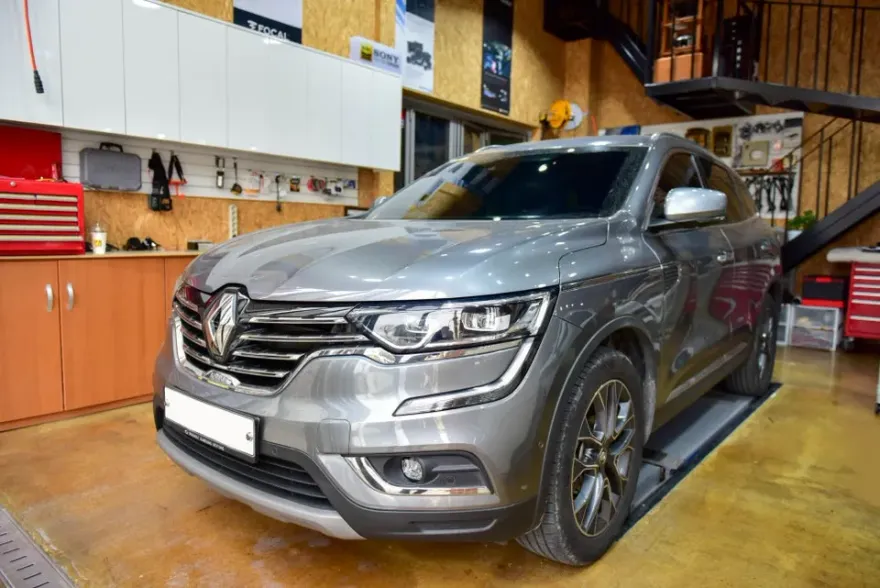
Renault QM6 Hazard Light Switch Repair - Partial Fix
Service Price
$approx. $750–1,150
Estimated price · Actual price may vary by shop
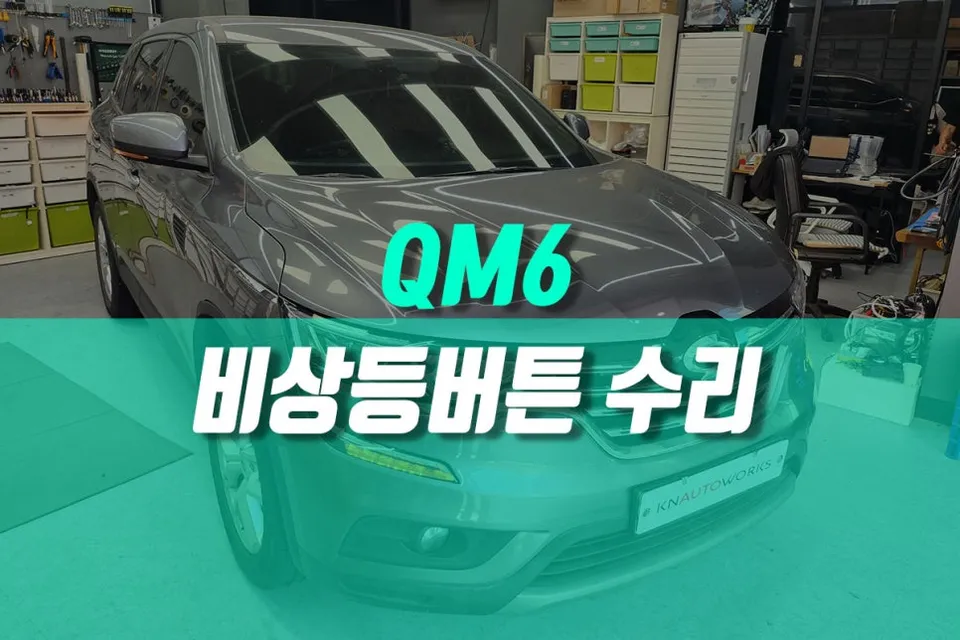
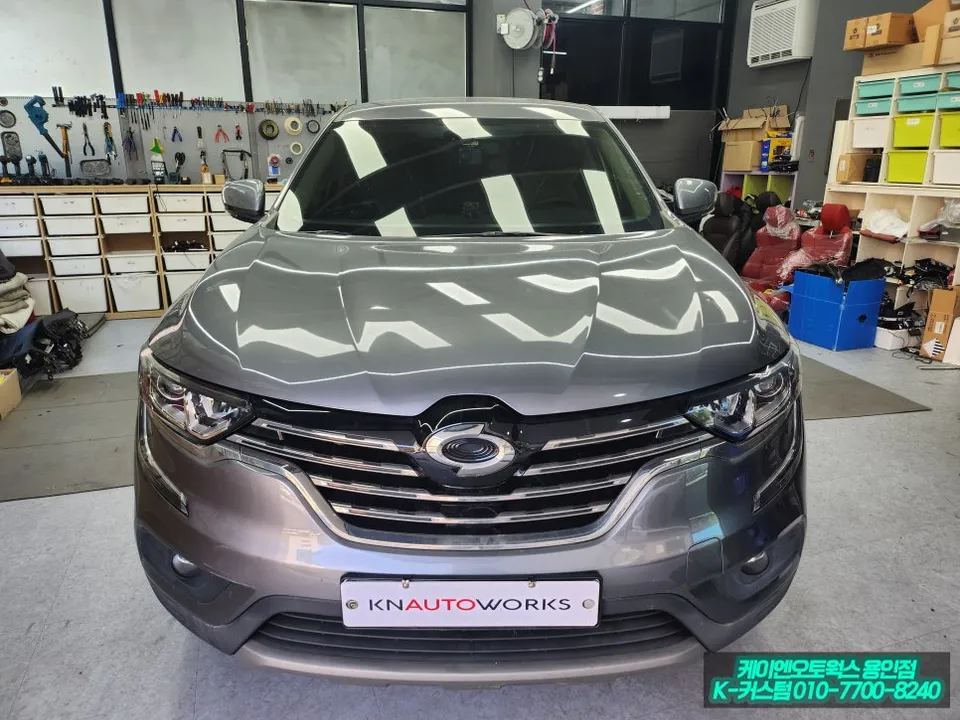
Renault QM6 hazard light switch partial repair. Cost-effective solution avoiding full panel replacement. Functionality fully restored.
Renault QM6 Hazard Light Switch: More Than Just Emergencies
For Renault QM6 owners, the hazard light switch is a crucial component, used not only in emergencies but also for temporary parking, expressing gratitude, or apologizing to other drivers. A malfunctioning hazard light switch can be inconvenient and potentially dangerous, preventing you from signaling your situation effectively. This review details a successful partial repair of a QM6 hazard light switch, offering a cost-effective alternative to full panel replacement.
Smart Repair: Avoiding Full Panel Replacement
Many QM6 owners are told that the entire "E-Link" panel, which includes the hazard light switch, must be replaced if the switch malfunctions. This can lead to unexpectedly high costs. However, at our facility, we specialize in diagnosing the exact issue. If only the switch itself is faulty, we propose a partial repair, addressing only the defective component. This approach significantly reduces expenses and ensures you only pay for what needs fixing. It's similar to how we handle Ansan wheel repair, focusing precisely on the problem area.
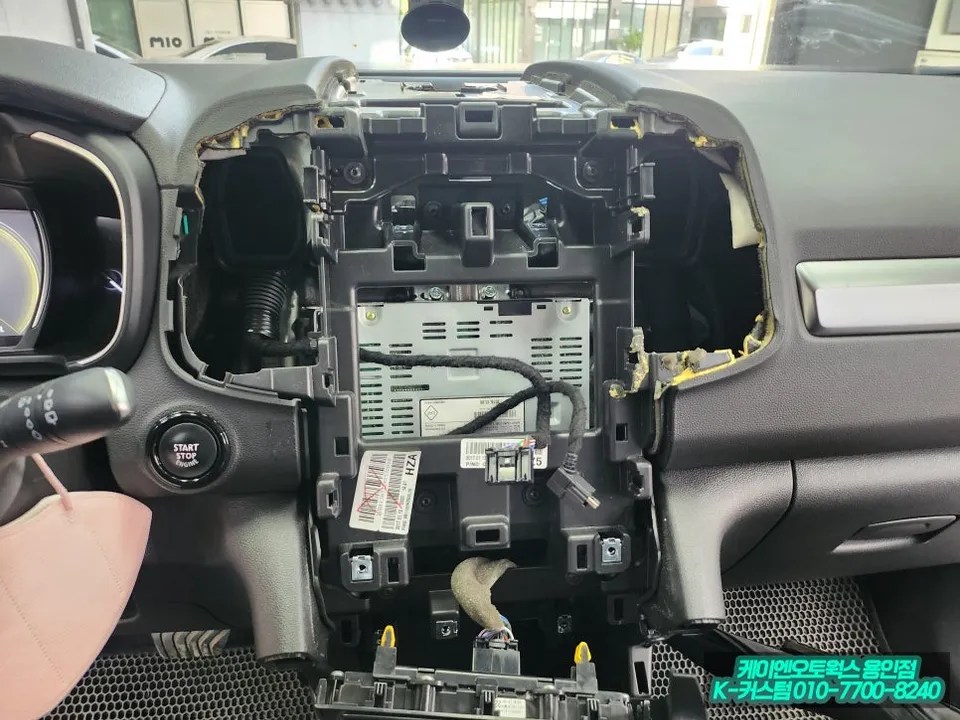
The Partial Repair Process for QM6 Hazard Switch
When a QM6 with a non-functional hazard light switch arrived, our technicians performed a detailed diagnosis. We confirmed that the issue was isolated to the switch itself, not the entire E-Link panel. The repair process involved carefully disassembling the relevant section of the panel and meticulously repairing the switch mechanism. This precise work, performed by skilled technicians, took approximately one hour. This is considerably more efficient than the time and cost associated with replacing the entire panel.
Repair Process:
- Diagnosis: Thoroughly inspect the hazard light switch and surrounding E-Link panel to pinpoint the exact cause of malfunction.
- Component Repair: Carefully access and repair or replace the faulty hazard light switch mechanism within the panel.
- Testing: Verify that the hazard lights function correctly in all modes after the repair.
- Reassembly: Reassemble the E-Link panel, ensuring all components are securely fitted.
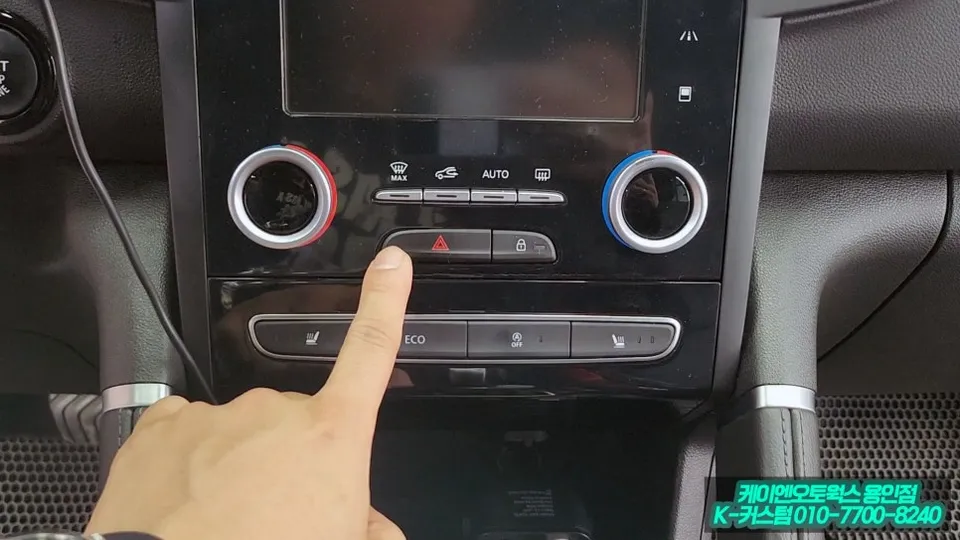
Results: Fully Restored Hazard Light Functionality
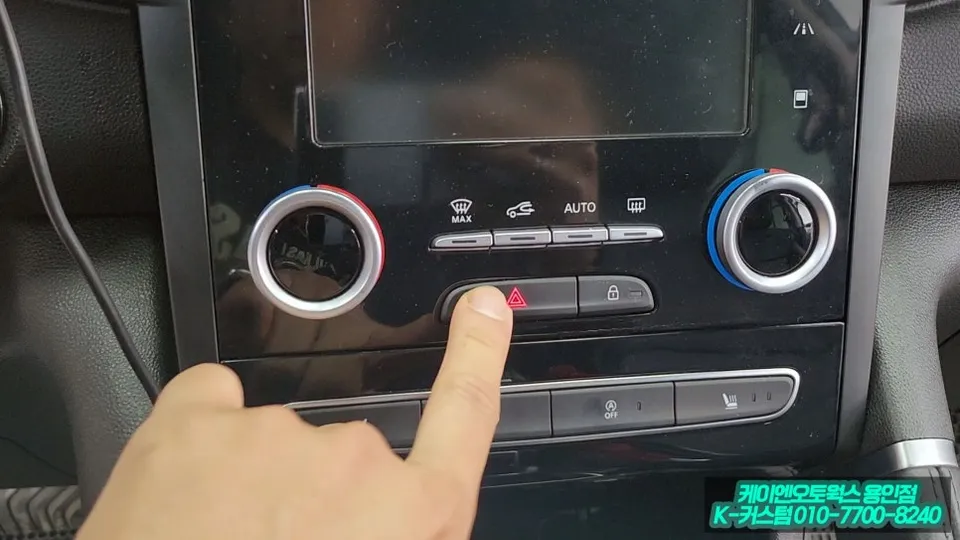
Following the partial repair, the QM6's hazard light switch was fully restored. It now operates smoothly and reliably, as demonstrated in our video. This successful repair highlights how addressing specific component failures can effectively restore critical safety features without the need for expensive, full-unit replacements. For QM6 owners facing similar issues, a partial repair is a smart, economical choice compared to the estimated ₩1,000,000+ cost for a full replacement at a dealership.
Frequently Asked Questions
Q. How much does body repair cost for a Renault QM6?
The partial repair for the QM6 hazard light switch cost significantly less than a full panel replacement, which can exceed ₩1,000,000. Typical US body repair costs can range from hundreds to thousands of dollars depending on the extent of damage.
Q. How long does body repair take for a Renault QM6?
The partial repair for the hazard light switch on this QM6 took approximately one hour. Proper maintenance, like keeping the switch area clean, can help prolong its lifespan.
Q. Is body repair covered by insurance for a Renault QM6?
Minor repairs like a faulty hazard light switch might not always meet insurance deductible thresholds. This partial repair offers a cost-effective alternative for owners seeking to avoid insurance claims for smaller issues.
Q. How is body repair done on a Renault QM6?
For the QM6 hazard light switch, the process involved diagnosing the specific fault, carefully disassembling the relevant part of the E-Link panel, repairing or replacing the switch mechanism, and then testing its functionality before reassembly.
Q. What is the difference between PDR and conventional body repair for a Renault QM6?
Paintless Dent Repair (PDR) is used for minor dents without paint damage, while conventional body repair involves filling, sanding, and repainting for larger damage. For the hazard switch issue, a specialized component repair was performed, distinct from typical PDR or conventional bodywork.
OhCar Partner Shop