BMW i7 PPF Review: Protecting Your Luxury Sedan
Service Price
$40–80
Estimated price · Actual price may vary by shop
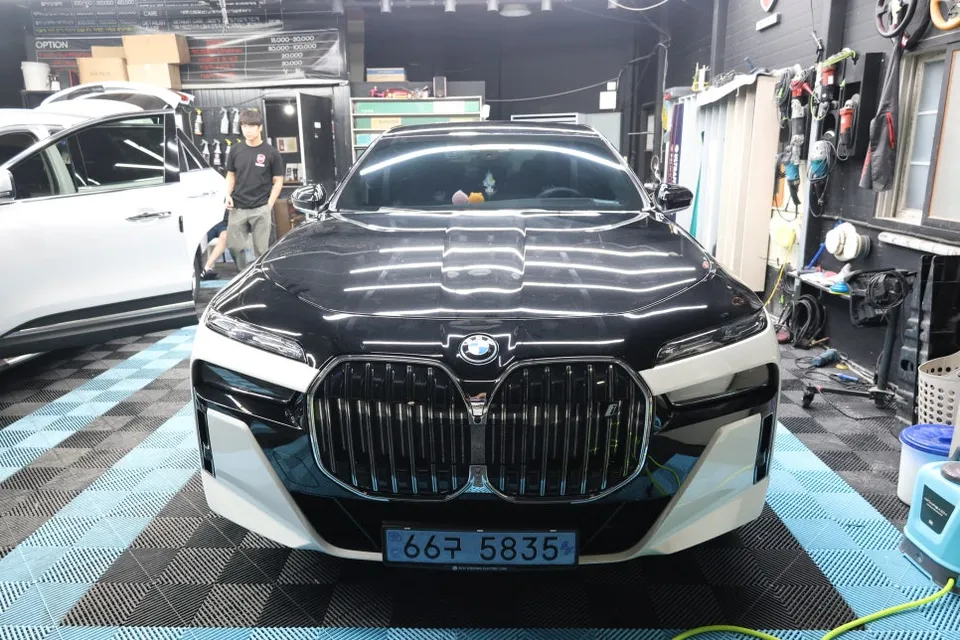
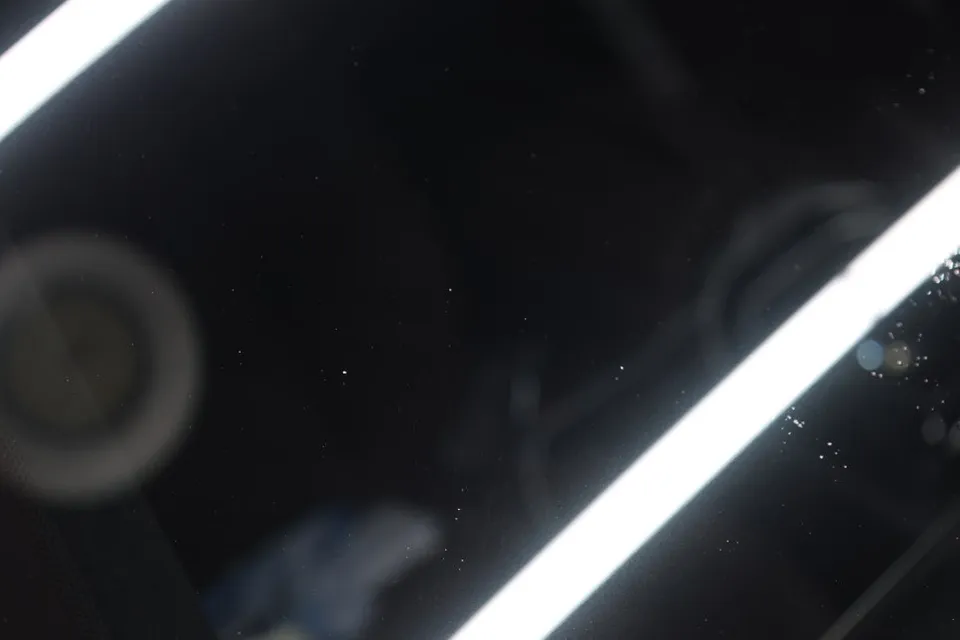
BMW i7 Paint Protection Film (PPF) installation protects against stone chips. Costs range from ₩400,000-₩700,000. Keeps paint flawless.
Protecting Your BMW i7 with Paint Protection Film (PPF)
High-end sedans like the BMW i7 represent a significant investment, and maintaining their pristine condition is paramount. With increased highway driving, the risk of stone chips and road debris damaging the paintwork is a growing concern. Many owners experience frustrating paint damage shortly after purchase. Paint Protection Film (PPF), often referred to as a clear bra, offers a robust solution to safeguard your vehicle's exterior. This article explores the benefits of PPF, compares it to windshield protection film, details a real-world BMW i7 application, and provides insights into cost and optimal timing for installation.
Understanding Paint Protection Film (PPF) vs. Windshield Film
While both PPF and dedicated windshield protection films are typically made from urethane materials, they serve distinct purposes. PPF is designed to protect the vehicle's painted surfaces (body panels), whereas windshield films are specifically engineered for glass. Windshield films, often termed GPU (Gelled Polyurethane), are generally harder than standard PPF. This increased hardness allows them to withstand impacts more effectively, offering superior protection against stone chips. Beyond impact resistance, these films absorb the shock of debris, preventing the glass from shattering. In severe cases, they can even contain broken glass fragments, enhancing safety by preventing them from entering the cabin. The hardness of windshield films typically measures above 3H (pencil hardness scale), while PPF is usually around 2-3H. Additionally, many windshield films come with built-in hydrophobic properties, eliminating the need for separate glass coating treatments and improving visibility in rainy conditions.
Real-World BMW i7 PPF Application
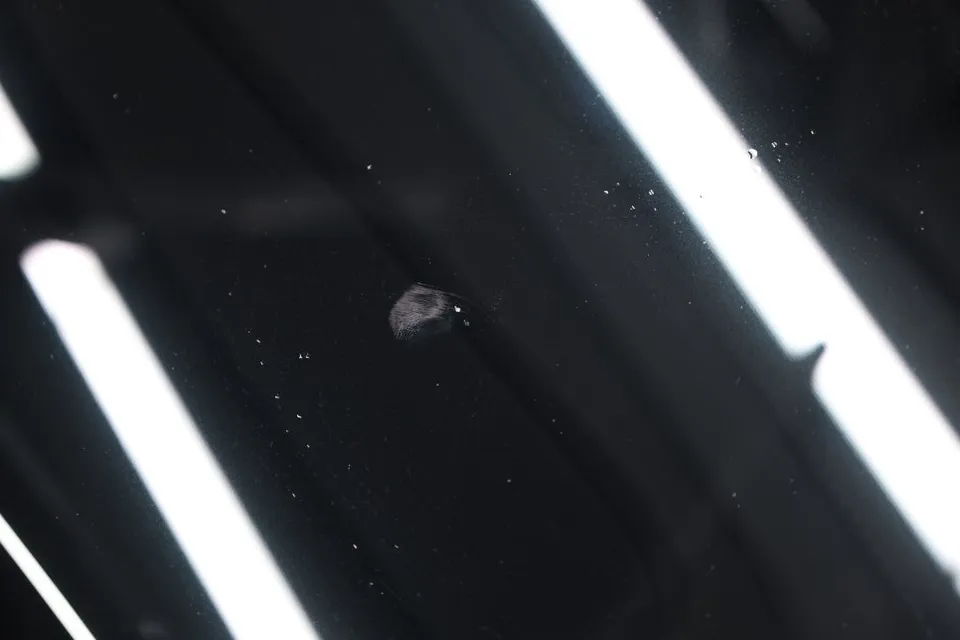
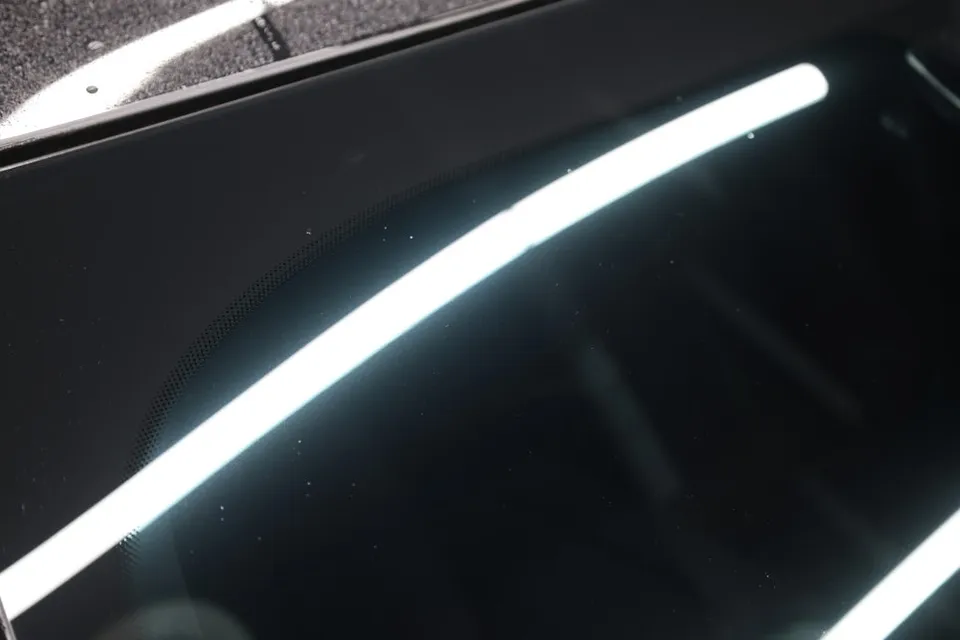
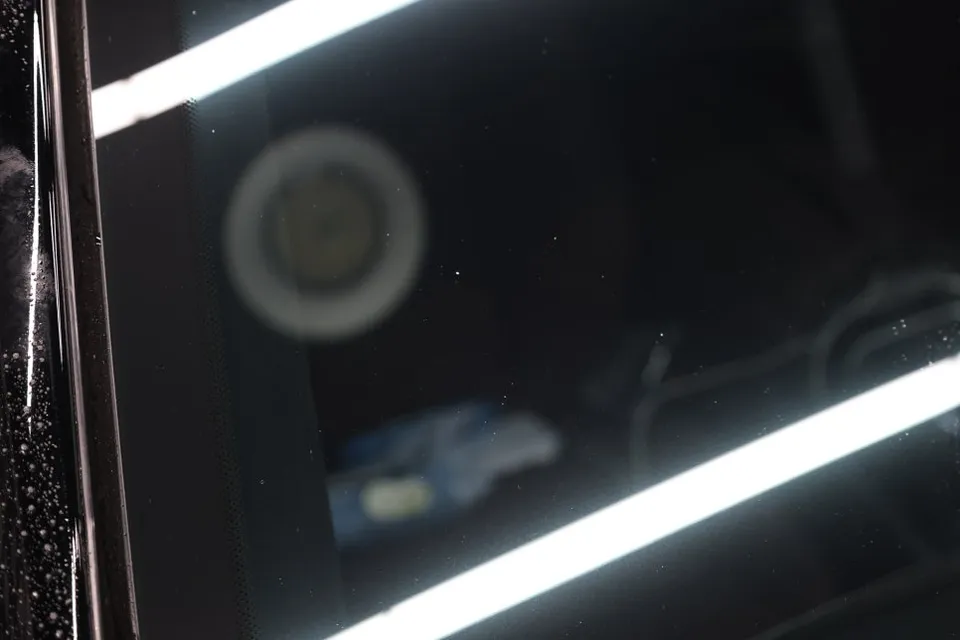
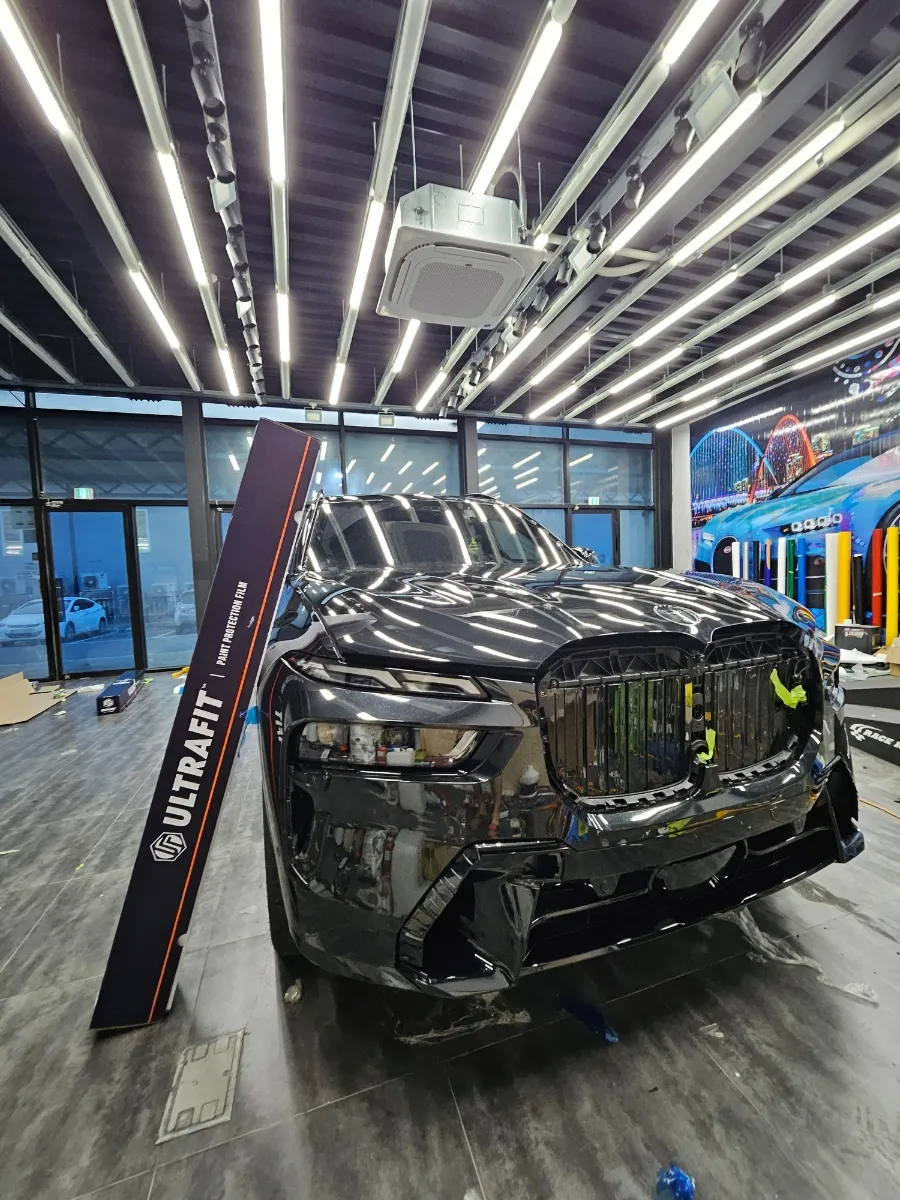
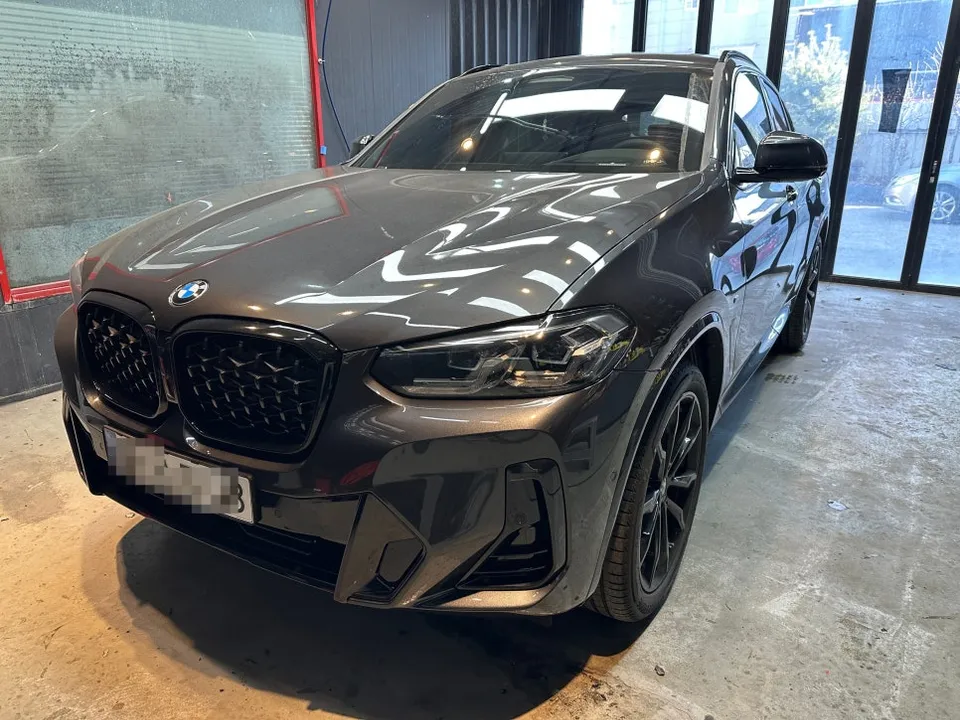
This case study involves a BMW i7 that received PPF application approximately two months after delivery. The owner frequently drives on highways, resulting in several noticeable stone chips on the front windshield. These small imperfections, if left untreated, can worsen over time or impair driving visibility. The PPF installation process begins with a thorough cleaning of the glass surface, followed by a light prep treatment to ensure optimal adhesion. The film is then meticulously applied and trimmed precisely along the edges of the windshield for a seamless finish. The entire procedure typically takes about 2 to 3 hours. Post-installation, the existing stone chips are effectively concealed beneath the film, presenting a cleaner appearance than the original surface. The hydrophobic properties activate immediately, causing water to bead and roll off effortlessly, especially beneficial during wet weather. Crucially, the film maintains excellent optical clarity, ensuring no significant distortion or obstruction to the driver's view.
Cost and Maintenance Considerations
Many perceive PPF as a costly upgrade, but its price is often comparable to high-quality window tinting. For a standard sedan, PPF installation can range from approximately 400,000 to 700,000 Korean Won (KRW), depending on the film brand and specific coverage. For luxury vehicles like the BMW i7, costs might be at the higher end of this spectrum. The durability of PPF is impressive, typically lasting 5 to 10 years with proper care. Regular cleaning with mild soap and water, avoiding abrasive materials, and prompt attention to any lifting edges will maximize its lifespan. It's advisable to have PPF installed as soon as possible after vehicle purchase, ideally before any damage occurs, to preserve the factory finish.
Frequently Asked Questions
Q. How much does PPF cost for a BMW i7?
In Korea, PPF installation for vehicles like the BMW i7 typically ranges from approximately 400,000 to 700,000 Korean Won (KRW). Prices can vary based on the specific film chosen and the extent of coverage.
Q. How long does PPF last on a BMW i7?
High-quality PPF can last between 5 to 10 years, provided it is properly maintained. Regular cleaning with gentle methods and avoiding harsh chemicals will help extend its lifespan.
Q. Is PPF worth it for a BMW i7?
PPF is highly recommended for luxury vehicles like the BMW i7, especially for those who frequently drive on highways. It provides essential protection against stone chips, scratches, and environmental damage, preserving the car's resale value.
Q. How is PPF installed on a BMW i7?
Installation involves meticulously cleaning the vehicle's surface, applying the PPF film precisely, and trimming any excess material for a seamless fit. The process typically takes 2-3 hours and requires professional skill for optimal results.
Q. What is the difference between PPF and ceramic coating for a BMW i7?
PPF provides superior physical protection against impacts like stone chips and scratches, acting as a sacrificial barrier. Ceramic coating offers enhanced gloss and chemical resistance but provides minimal impact protection.
OhCar Partner Shop
More ppf Reviews
See all →

More BMW Reviews

Pair with Another Service
Add hydrophobic protection on top of PPF
Complete your new car protection package