Hyundai Tucson Blind Spot Monitor Installation Review
Service Price
$40–80
Estimated price · Actual price may vary by shop
Before
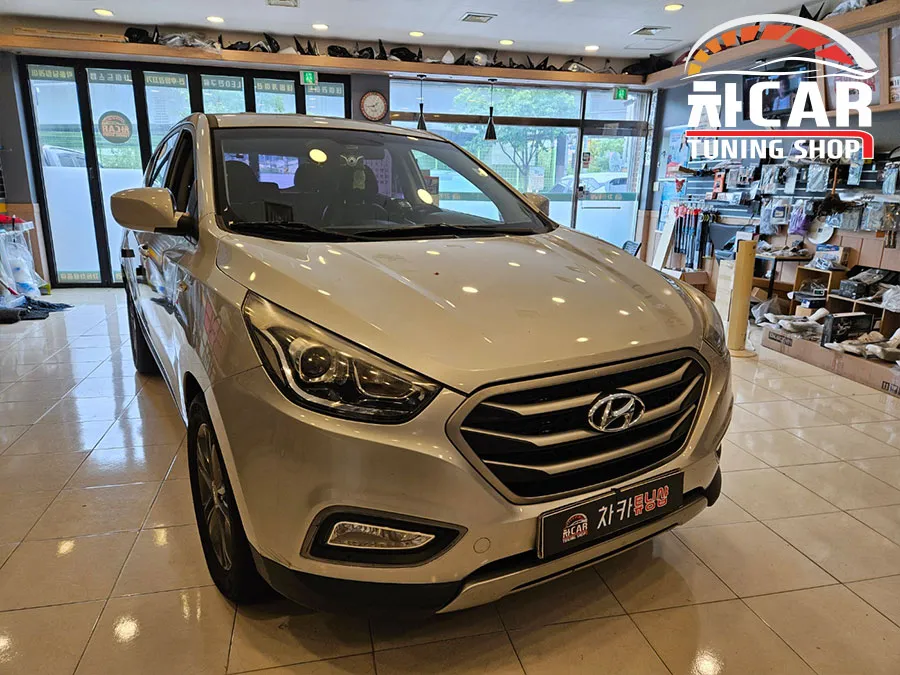
After
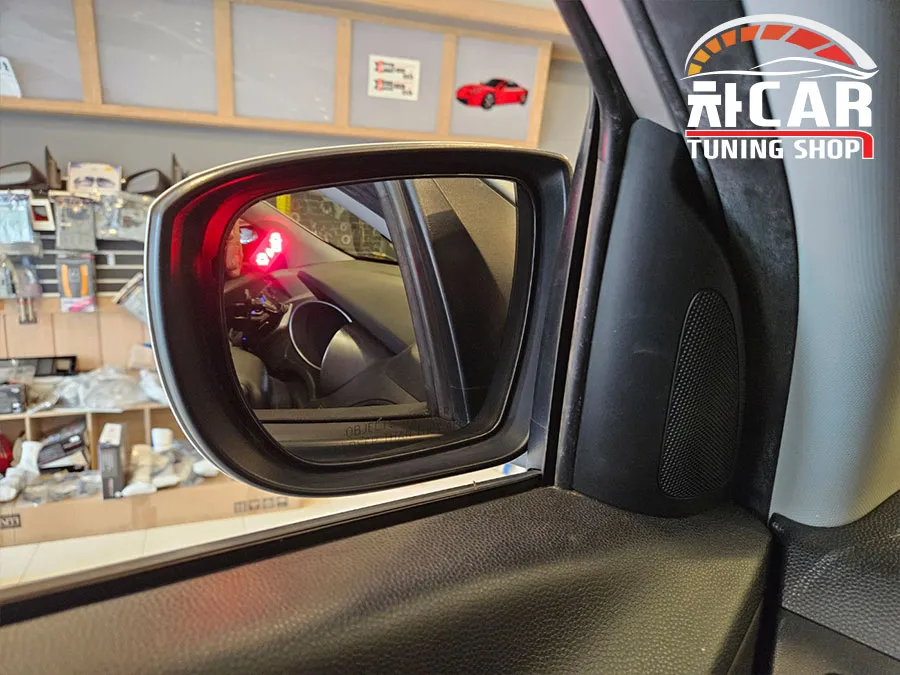
Process photos
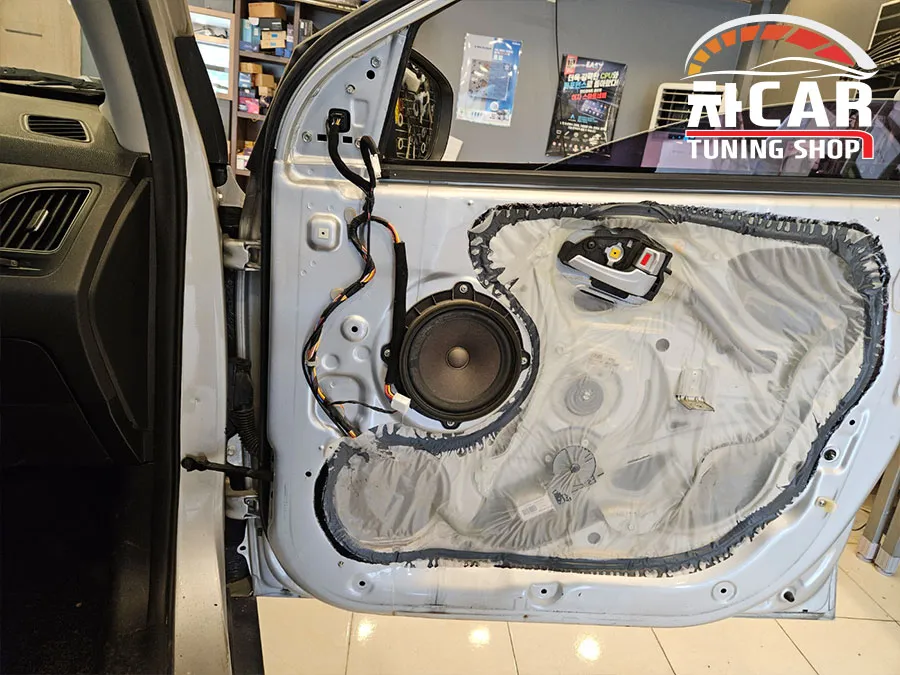
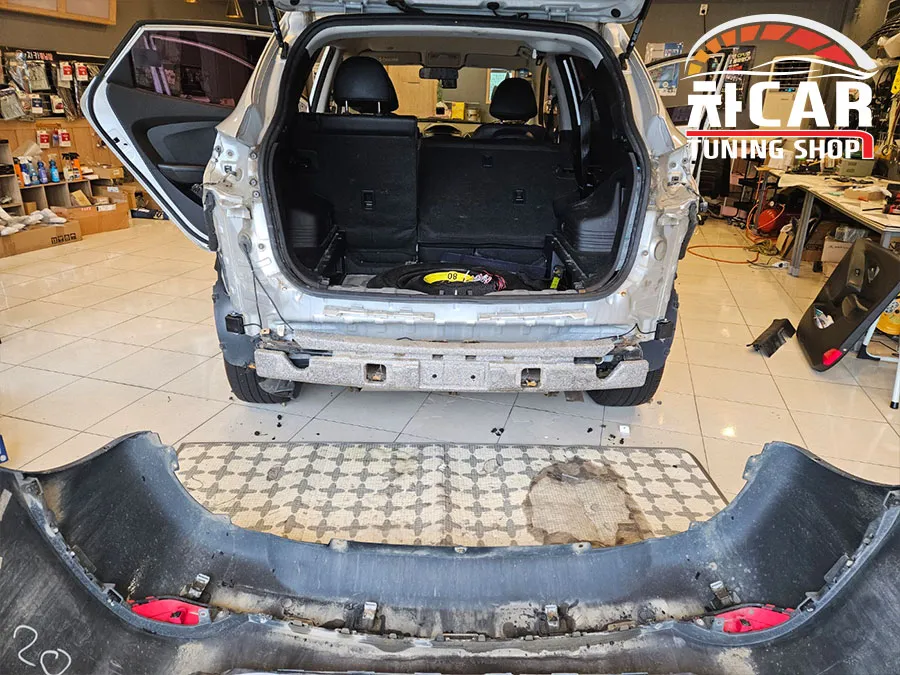
Hyundai Tucson radar blind spot monitor installation enhances safety. Professional installation ensures accurate detection and alerts for lane changes
Upgrade Your Hyundai Tucson with Advanced Blind Spot Detection
Are you a Hyundai Tucson owner who frequently experiences that heart-stopping moment when a car suddenly appears in your blind spot during a lane change? This common driving anxiety is often due to limited visibility in those crucial areas. Fortunately, a professional installation of a radar-based blind spot detection system, often referred to as a BSD (Blind Spot Detection) sensor, can significantly enhance your safety and driving confidence.
At our facility, we recently performed a radar-based blind spot sensor installation on a Hyundai Tucson. This system is designed to accurately detect moving objects, providing timely alerts to prevent potential accidents. Unlike simpler systems, the radar technology used here minimizes false alarms from stationary objects, ensuring you receive only relevant warnings. This upgrade transforms the driving experience, making lane changes smoother and less stressful.
Why Radar-Based Blind Spot Detection is Crucial
The blind spots around any vehicle, including the Hyundai Tucson, present a constant risk. Accidents, particularly during lane changes, often occur because drivers fail to see vehicles in their peripheral vision. A blind spot detection system acts as an extra set of eyes, alerting you to hazards you might otherwise miss. While there are different types of blind spot warning systems, the radar-based approach offers superior accuracy and reliability.
Radar sensors work by emitting radio waves and analyzing the reflections from objects. This technology is adept at distinguishing between moving vehicles and static elements like guardrails or parked cars. This means the system will only alert you when a vehicle is actually approaching or present in your blind spot, reducing driver fatigue caused by unnecessary warnings. This precision is vital for a system that directly impacts safety.
Installation Process: Precision and Care
The installation of a radar-based blind spot detection system on your Hyundai Tucson is a meticulous process that requires expertise to ensure optimal performance and a clean finish. Our technicians follow a detailed procedure to integrate the system seamlessly into your vehicle.
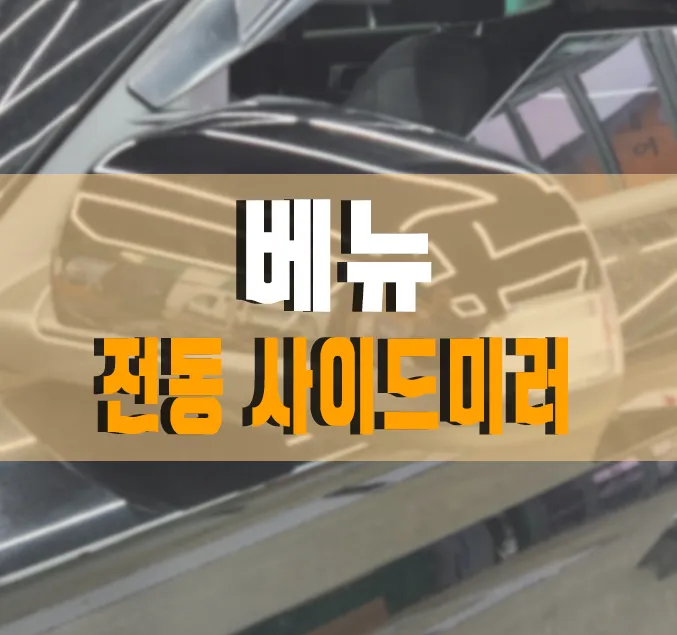
- Component Integration: The system involves installing radar sensors, typically integrated into the rear bumper area, and warning indicators, often placed within the side mirrors.
- Wiring and Calibration: All wiring is carefully routed and connected, often following factory pathways to maintain a clean aesthetic and prevent interference. The sensors are then precisely calibrated to ensure accurate detection zones.
- Testing and Verification: Post-installation, thorough testing is conducted. This includes verifying that the warning lights activate correctly when a vehicle enters the blind spot and that the audible alerts function as intended when the turn signal is activated.
The result is a system that provides both visual cues (LED indicators in the side mirrors) and audible alerts (chimes) when a vehicle is detected in your blind spot. If you activate your turn signal while a vehicle is present, the system provides a more insistent warning, prompting you to reconsider the lane change. This multi-layered alert system is highly effective in preventing collisions.
The Advantage of Radar Technology
Compared to other technologies like ultrasonic sensors (often found in simpler systems), radar offers significant advantages. Radar systems maintain their performance even in adverse weather conditions such as rain or fog, and at higher speeds. Their lower false alarm rate builds greater trust and reliance from the driver. While ultrasonic sensors can be effective, they may be more prone to errors in certain conditions or with smaller objects. For a critical safety feature like blind spot monitoring, the enhanced accuracy and reliability of radar technology make it the preferred choice for many Hyundai Tucson owners seeking the best protection.
Our technicians ensure that the rear bumper is carefully removed and reinstalled to precisely position the radar sensors. All wiring is managed with the utmost care, integrated with the vehicle's existing electrical system to prevent any issues. This professional installation guarantees that your Hyundai Tucson is equipped with a reliable and effective blind spot detection system, providing peace of mind on every journey.
Frequently Asked Questions
Q. How much does a blind spot monitor system cost for a Hyundai Tucson?
The cost for a radar-based blind spot monitor system installation on a Hyundai Tucson can vary, but typically ranges from ₩300,000 to ₩600,000 in Korea. In the US, similar professional installations can range from $300 to $800 depending on the system and vehicle.
Q. How long does a blind spot monitor system last on a Hyundai Tucson?
A professionally installed radar-based blind spot monitor system is designed to last for the lifetime of the vehicle, provided it is installed correctly. Regular cleaning of the sensors, if externally mounted, and ensuring no physical damage occurs will help maintain optimal performance.
Q. Is a blind spot monitor system worth it for a Hyundai Tucson?
A blind spot monitor system is highly recommended for Hyundai Tucson owners who frequently drive in busy traffic or perform many lane changes, as it significantly enhances safety by alerting to unseen vehicles. The value lies in the potential prevention of accidents and the increased driving confidence it provides.
Q. How is a blind spot monitor system installed on a Hyundai Tucson?
Installation involves precisely mounting radar sensors, typically in the rear bumper area, and integrating warning indicators (LEDs) into the side mirrors. Technicians carefully route wiring, often using factory pathways, and then calibrate the sensors to ensure accurate detection zones before thorough testing.
Q. What is the best blind spot monitor option for a Hyundai Tucson?
For a Hyundai Tucson, a radar-based blind spot detection system (BSD) is generally considered superior to ultrasonic systems due to its higher accuracy, reliability in various weather conditions, and lower false alarm rate. This makes it a more trustworthy and effective safety enhancement.