SsangYong Tivoli Air Blind Spot Detection Install Review
Service Price
$150+
Estimated price · Actual price may vary by shop

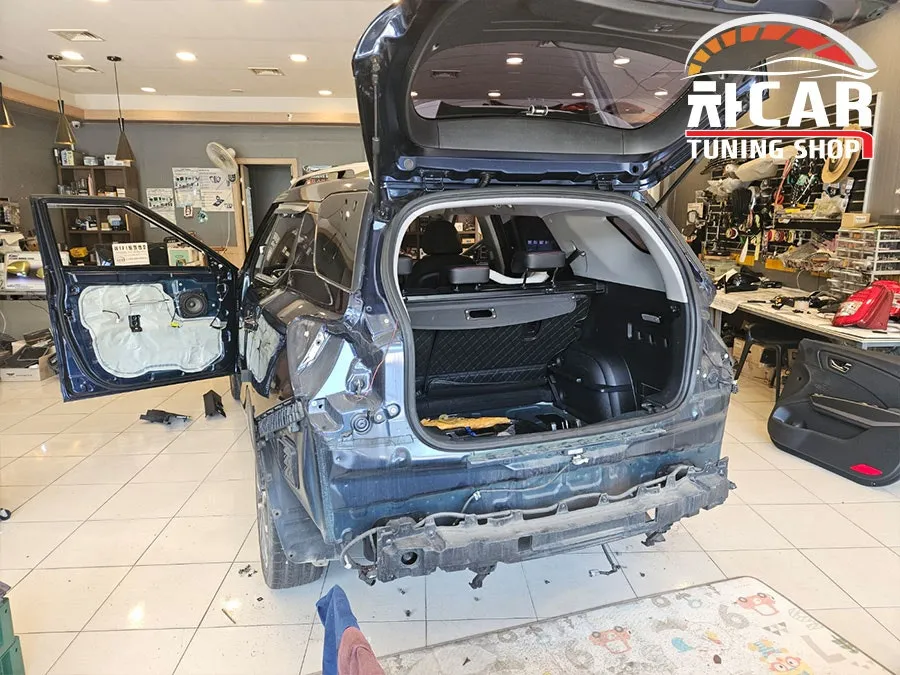
SsangYong Tivoli Air Blind Spot Detection installation. Enhances safety by eliminating blind spots. Professional service.
Enhancing SsangYong Tivoli Air Safety with Blind Spot Detection
Blind spots are a significant contributor to traffic accidents, particularly during lane changes or when stationary. The installation of a blind spot detection system on the SsangYong Tivoli Air acts as a crucial safety enhancement, proactively mitigating these risks. This particular installation utilized the OEM BSD radar sensor method, complemented by an upgrade to the side mirror LED indicators for enhanced visibility.
This review will cover the operational principles of blind spot detection, compare different sensor installation methods, detail the step-by-step installation process, discuss costs and time, and evaluate the real-world effectiveness and user satisfaction.
Choosing the Right Blind Spot Sensor Technology
Blind spot detection systems primarily come in two types. The first is the BSA ultrasonic method, which involves drilling small holes in the rear bumper to embed sensors. This method is quicker and reversible but offers a more limited detection range due to the nature of ultrasonic waves.
The second, and the one employed in this SsangYong Tivoli Air installation, is the OEM-style BSD radar sensor system. This approach requires bumper removal to install the sensors internally. Radar technology excels at detecting moving objects, leading to fewer false positives and superior detection accuracy compared to ultrasonic sensors. This system is designed to cover approximately a 60-degree angle from the rear sides of the vehicle.
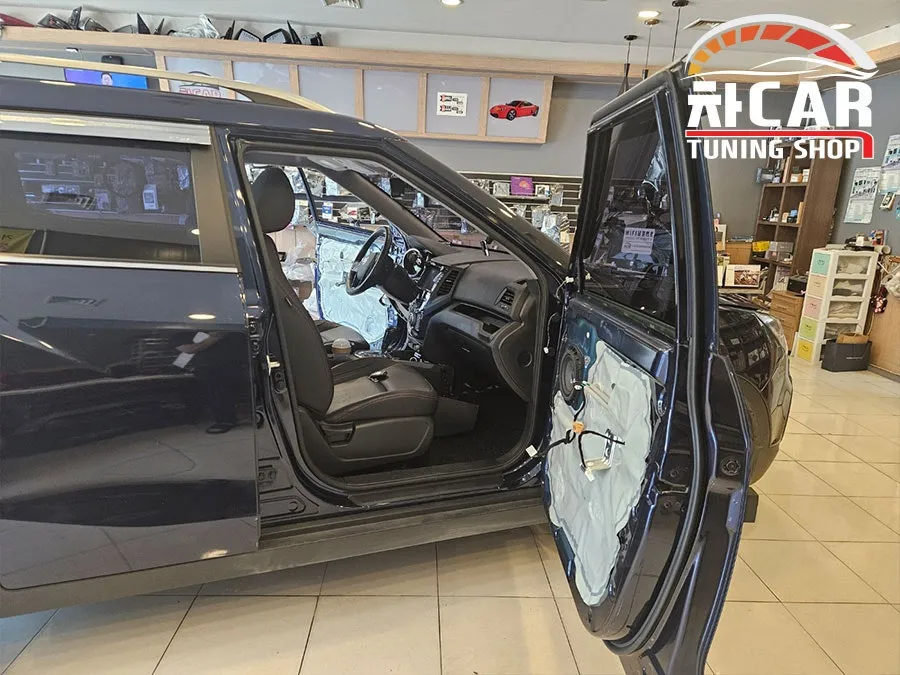
Installation Process:
- Bumper Removal and Sensor Placement: The process begins with a thorough inspection of the vehicle to identify any potential interferences. The rear bumper is then carefully removed, ensuring no damage to clips or wiring. Precise measurements are taken to determine the optimal mounting location for the BSD radar sensors, crucial for their 60-degree detection angle.
- BSD Radar Sensor Installation and Wiring: The radar sensors are mounted internally onto the bumper at the predetermined precise angles. Accurate alignment is critical, as even minor deviations can create blind spots in the detection coverage. The sensors are then wired to the vehicle's ECU (Electronic Control Unit), often utilizing existing wiring harnesses or a dedicated interface module.
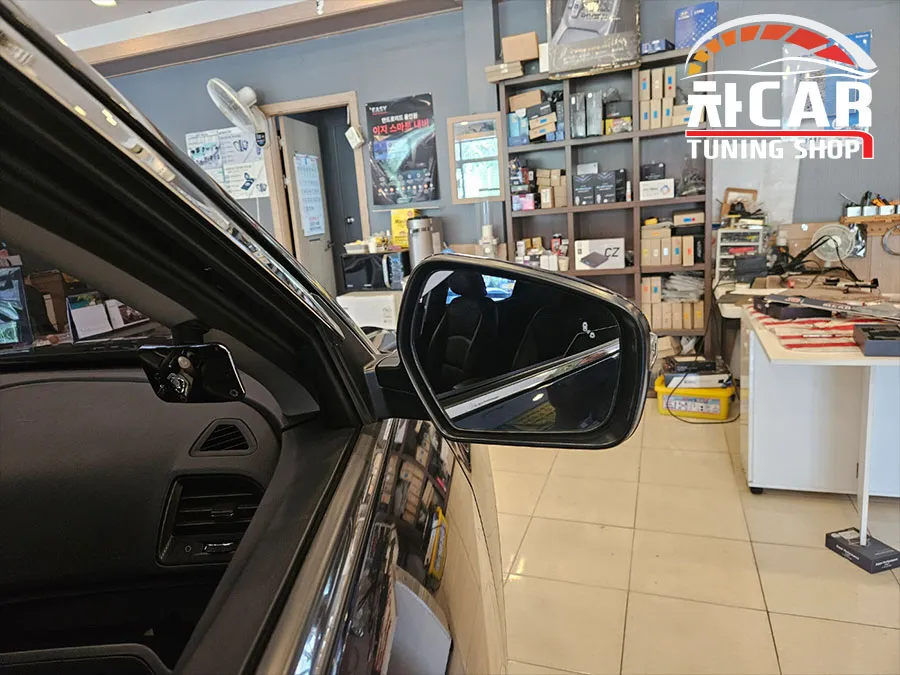
- Side Mirror LED Integration: To provide clear visual alerts, LED indicators are integrated into the side mirrors. This may involve replacing the entire mirror unit with one containing built-in LEDs or installing functional wide-angle mirrors with integrated LED warning lights.
- System Calibration and Testing: The LED indicators are wired to receive signals from the BSD sensors. The system is programmed so that when a vehicle enters the blind spot, the LED illuminates, and an audible alert sounds. Precise timing synchronization between sensor detection, LED illumination, and the audible warning is essential for effective driver notification. The entire system undergoes rigorous testing to ensure proper functionality and accurate alerts.
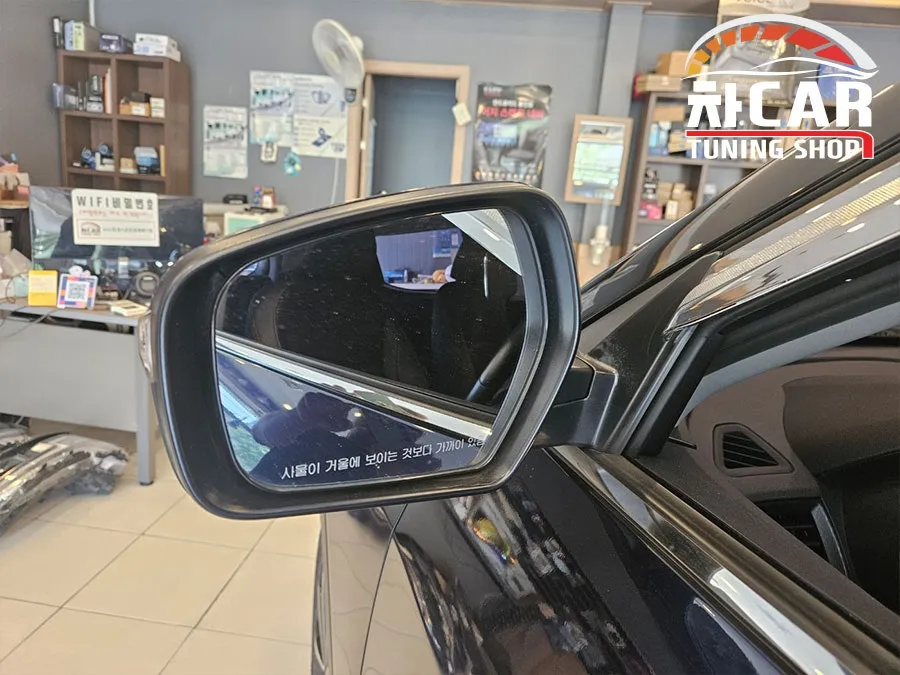
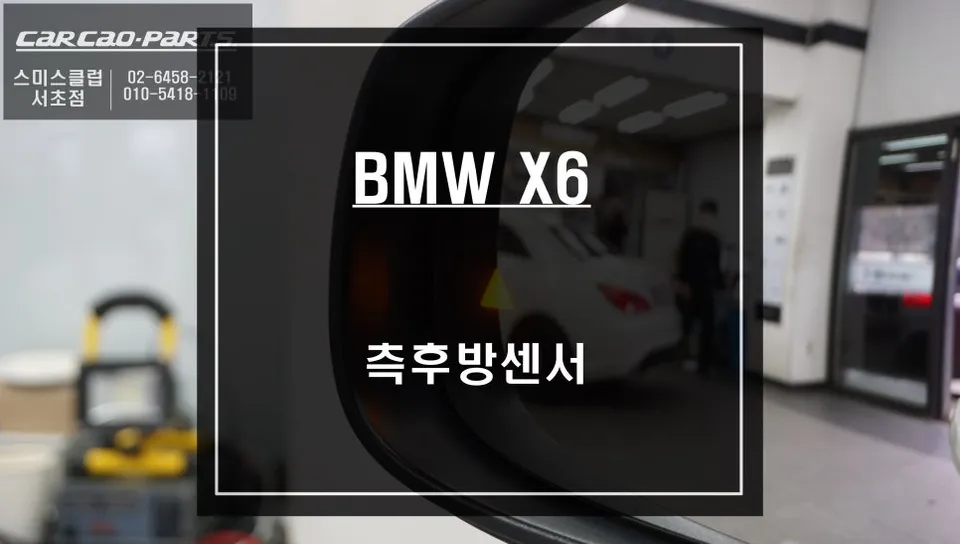
Visual Alerts: Side Mirror LED Upgrade
To make the detection alerts more intuitive, an upgrade to the side mirrors with integrated LED indicators was performed. This allows drivers to quickly and easily see when a vehicle is in their blind spot. The LEDs are programmed to activate in conjunction with the BSD sensors, providing a clear visual cue. When the system detects a vehicle in the blind spot, the LED on the corresponding side mirror illuminates. If the turn signal is activated while a vehicle is detected, the LED will flash, and an audible warning will sound, providing a multi-layered alert system for enhanced safety during lane changes.
Frequently Asked Questions
Q. How much does OEM Blind Spot Detection cost for a SsangYong Tivoli Air?
The cost for this OEM-style Blind Spot Detection system on a SsangYong Tivoli Air can vary, but typically ranges from $400 to $800 in the US. This price reflects the advanced radar technology and integrated LED indicators.
Q. How long does Blind Spot Detection last on a SsangYong Tivoli Air?
OEM-style Blind Spot Detection systems are designed for the lifespan of the vehicle, offering long-term durability. Regular cleaning of the sensors (if externally accessible) and ensuring the side mirror LEDs are free of debris can help maintain optimal performance.
Q. Is Blind Spot Detection worth it for a SsangYong Tivoli Air?
Blind Spot Detection is highly recommended for SsangYong Tivoli Air owners who frequently drive in traffic or perform lane changes, as it significantly reduces the risk of accidents caused by blind spots. The enhanced safety and peace of mind it provides offer excellent value.
Q. How is Blind Spot Detection done on a SsangYong Tivoli Air?
1. The rear bumper is removed to allow access for sensor installation. 2. OEM BSD radar sensors are precisely mounted internally on the bumper at a specific angle. 3. Wiring is connected to the vehicle's ECU for data communication. 4. LED indicators are integrated into the side mirrors and wired to the system for visual alerts.
Q. What is the best Blind Spot Detection option for a SsangYong Tivoli Air?
The OEM-style BSD radar sensor system is generally considered superior to basic ultrasonic (BSA) systems for the SsangYong Tivoli Air due to its higher accuracy and ability to detect moving objects. Opting for a system with integrated side mirror LED indicators provides the clearest and most immediate driver feedback.