Audi Q3 Blind Spot Sensor Review — Enhanced Safety
Service Price
$150+
Estimated price · Actual price may vary by shop
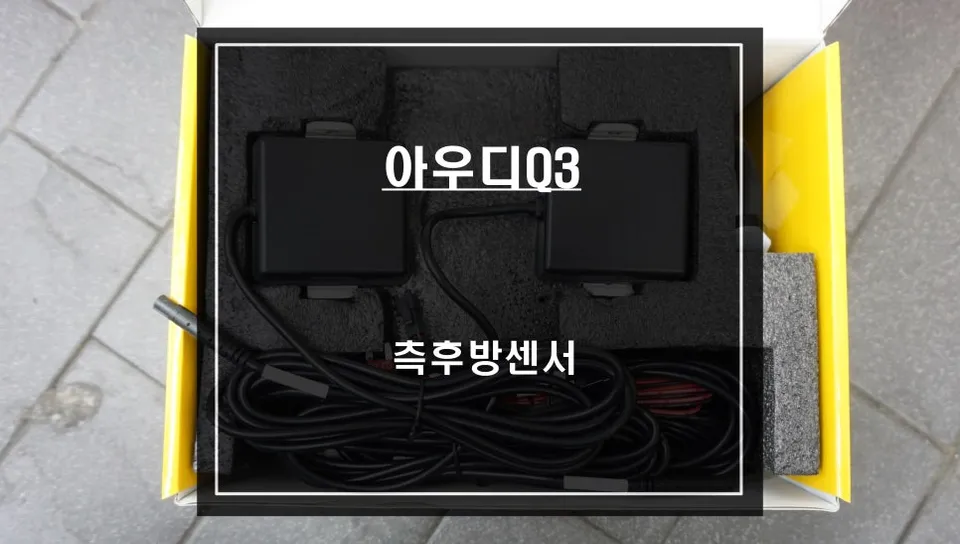
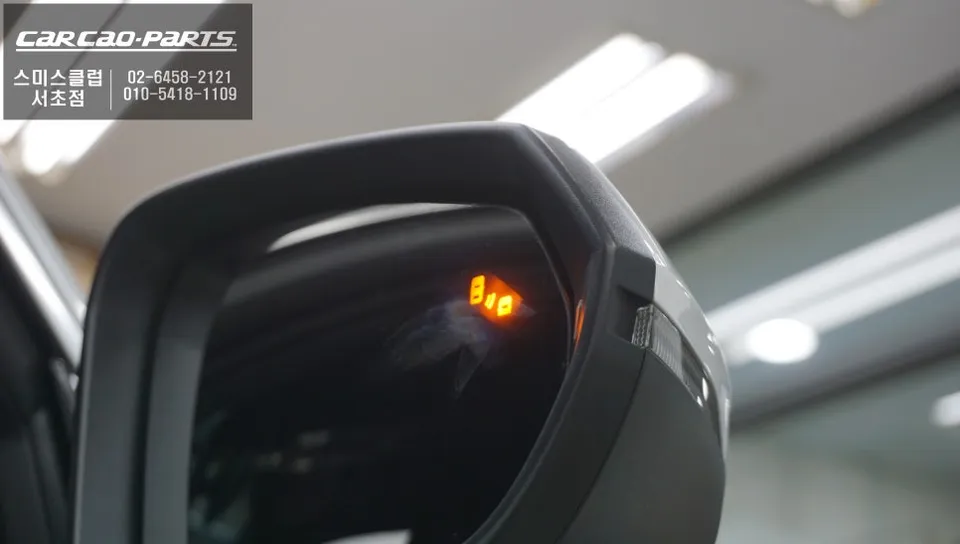
Audi Q3 blind spot sensors and wide-angle mirrors enhance safety by eliminating blind spots. Installation is non-invasive.
Why Your Audi Q3 Needs Blind Spot Sensors
Even premium vehicles like the Audi Q3 can sometimes lack comprehensive safety features. A common omission is the factory-installed blind spot monitoring system, which can unfortunately contribute to accidents. If you frequently feel uncertain about the safety of changing lanes, this review is for you. We'll explore how installing aftermarket blind spot sensors can effectively resolve this anxiety for Audi Q3 owners.
Aftermarket vs. Factory Blind Spot Systems
A frequent question among Audi Q3 owners is why opt for an aftermarket upgrade when factory options exist. While factory integration is ideal, retrofitting it onto an existing vehicle can be complex and costly. It often requires disassembling the bumper, posing a risk of cosmetic damage and incurring significant expense. Aftermarket solutions, however, can provide comparable performance without altering the vehicle's original structure.
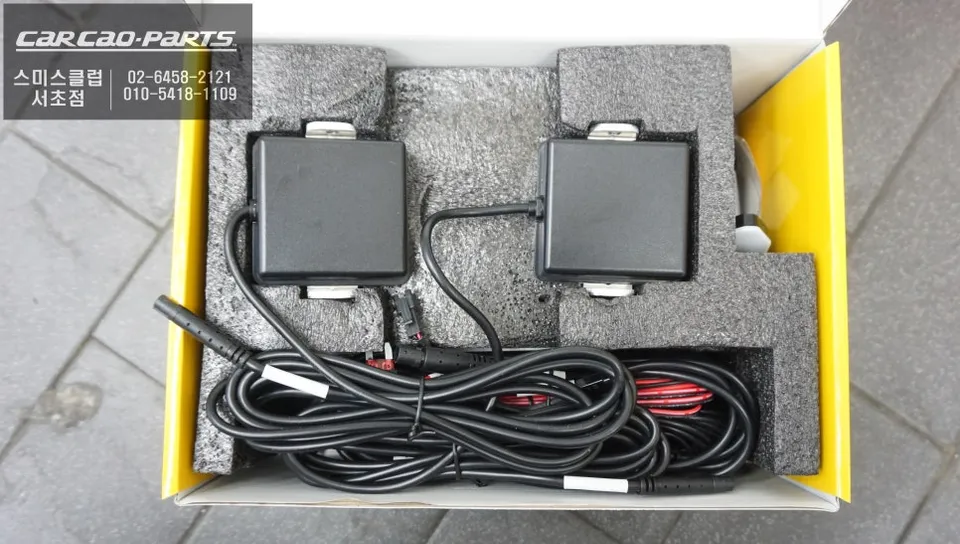
The system we'll focus on for this Audi Q3 installation combines S-RADAR PLUS sensors with wide-angle side mirrors. This dual approach tackles blind spots effectively. The wide-angle mirrors offer a significantly broader field of vision compared to the standard mirrors. The sensors detect moving vehicles approaching from the rear and sides, alerting the driver through audible beeps and visual cues on the mirror. Crucially, these sensors are designed to ignore stationary objects, minimizing false alarms.
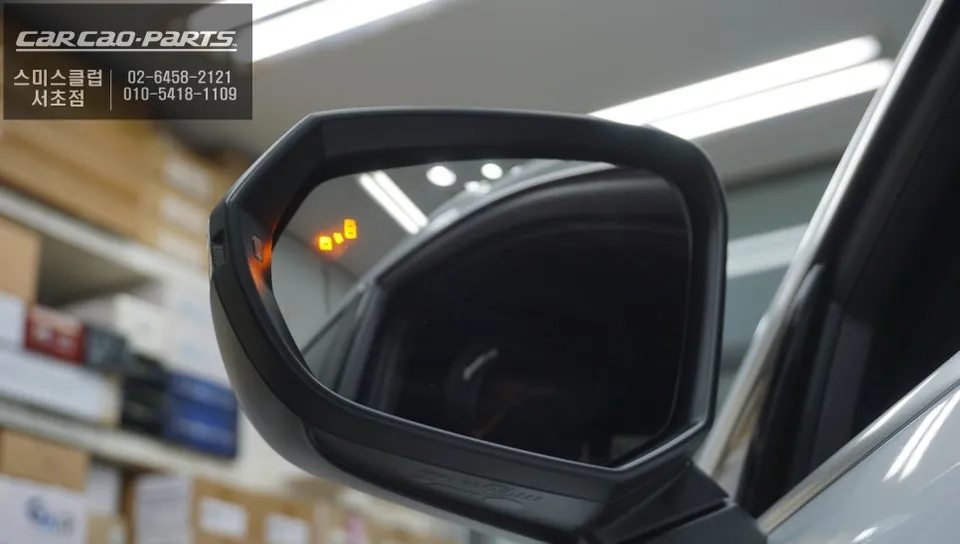
How the Blind Spot Sensors Work: 7-Meter Detection Range
The S-RADAR PLUS sensors boast a detection range of approximately 7 meters. To put this into perspective, at a speed of 60 km/h (approx. 37 mph), the time available for a lane change decision is about 2 seconds. A 7-meter range provides ample warning time for safe maneuvering. While exact figures can vary based on vehicle and sensor placement, this range is proven effective across over 750 different imported car models.
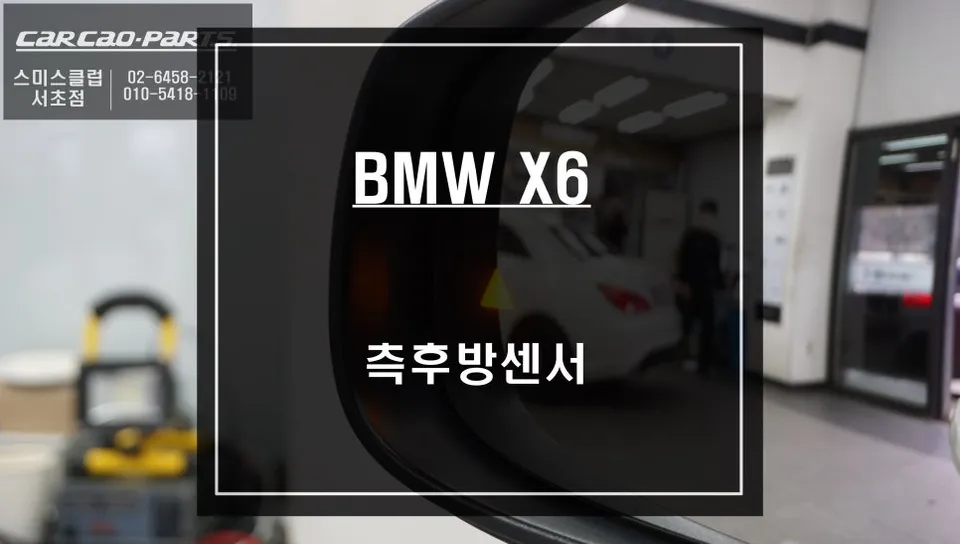
The system's operation is straightforward: when a vehicle approaches from the rear quarter, an LED indicator on the side mirror illuminates. If the turn signal is activated while a vehicle is detected, the indicator flashes, and an audible warning sounds. This combination of visual and auditory alerts provides a robust safety net.
The Role of Wide-Angle Mirrors in Eliminating Blind Spots
A critical component of any blind spot monitoring upgrade is the wide-angle mirror. The difference in visibility between a standard and a wide-angle mirror is striking. While maintaining an OEM look, these mirrors dramatically expand your view, particularly in the areas immediately adjacent to your vehicle that are typically hidden.
Consider a lane change scenario: having a visual confirmation from the mirror before the sensors even trigger allows for quicker decision-making. The synergy between the sensors and the wide-angle mirrors offers a near-complete solution for preventing blind spot accidents, making this combination a popular choice for Audi Q3 owners.
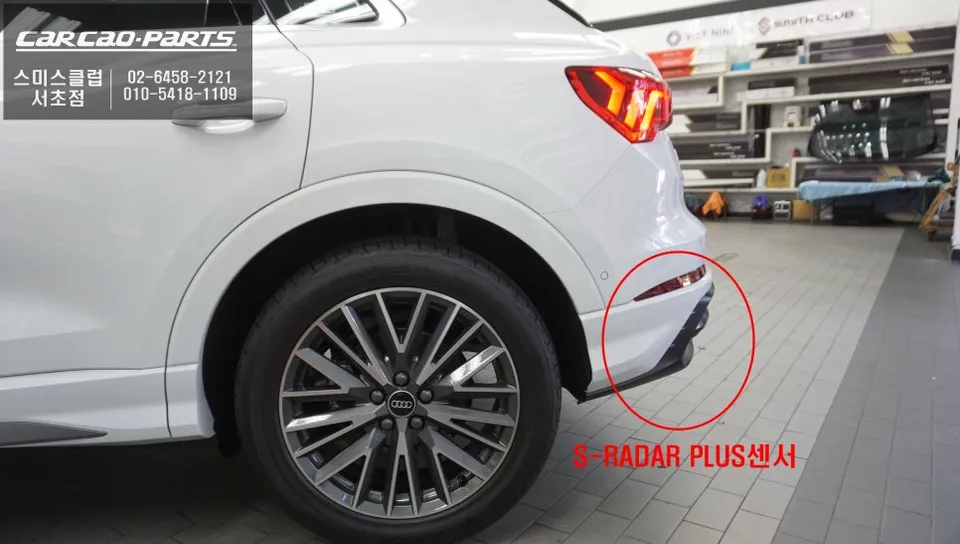
Seamless Installation Process: No Bumper Damage
A key advantage of this aftermarket blind spot system is that it preserves the vehicle's original exterior. Unlike factory system installations that often require bumper removal, the S-RADAR sensors utilize the existing side mirror assembly and wiring, eliminating the need for invasive procedures.
Installation process:
- The technician carefully disassembles the side mirror housing.
- The original mirror is replaced with a wide-angle version, and the sensor wiring is meticulously connected.
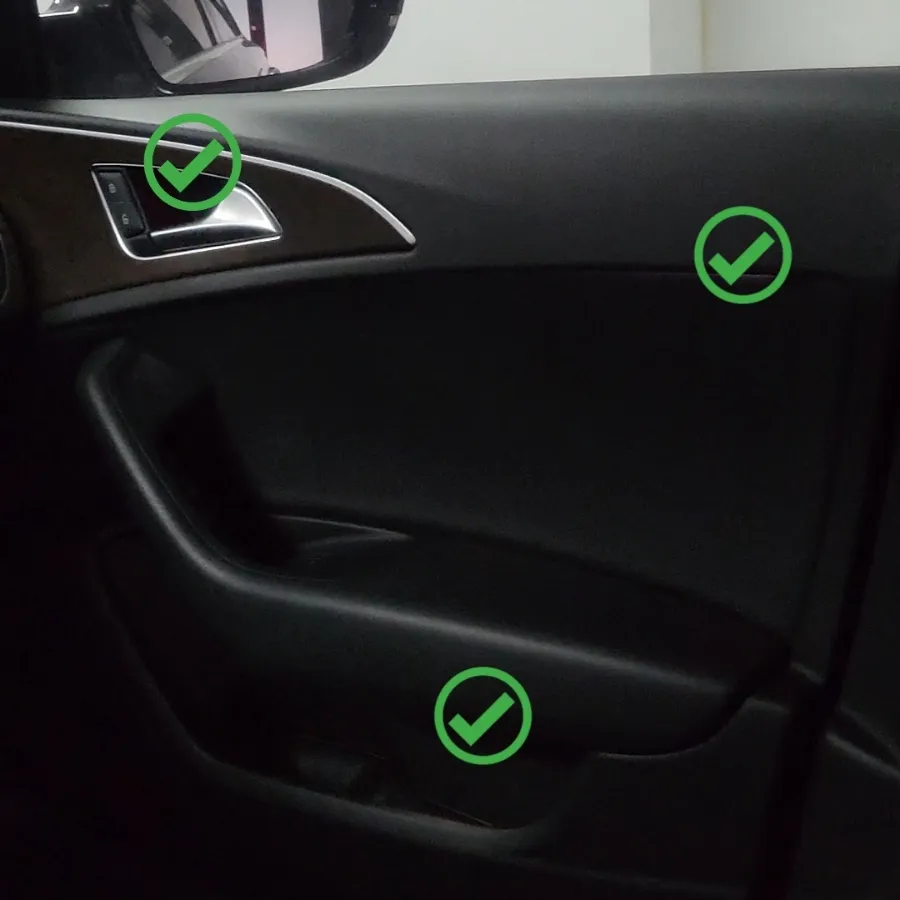
- Wiring is routed discreetly through the door panel for a clean, factory-like finish, showcasing the installer's expertise.

Frequently Asked Questions
Q. How much does the blind spot sensor upgrade cost for an Audi Q3?
The specific cost for this Audi Q3 blind spot sensor and wide-angle mirror upgrade was not provided in the original context, but similar aftermarket systems in the US typically range from $300 to $800.
Q. How long does the blind spot sensor system last on an Audi Q3?
Blind spot sensor systems are generally durable and can last for many years with proper installation. Regular cleaning of the sensors and mirrors is recommended to ensure optimal performance.
Q. Is the blind spot sensor upgrade worth it for an Audi Q3?
This upgrade is highly recommended for Audi Q3 owners who frequently drive in traffic or are concerned about blind spot accidents. It significantly enhances safety by providing crucial visual and auditory warnings.
Q. How is the blind spot sensor system installed on an Audi Q3?
Installation involves carefully disassembling the side mirror housing, replacing the standard mirror with a wide-angle version, and connecting the S-RADAR PLUS sensors. Wiring is routed discreetly through the door panel for a clean finish without damaging the exterior.
Q. What is the best blind spot solution for an Audi Q3?
The combination of S-RADAR PLUS sensors with wide-angle side mirrors offers a comprehensive solution by addressing both detection and visual awareness. This integrated approach effectively eliminates blind spots for safer driving.
Kakao Parts