Chevrolet Traverse Wheel Repair & Painting Review
Service Price
$40–80
Estimated price · Actual price may vary by shop
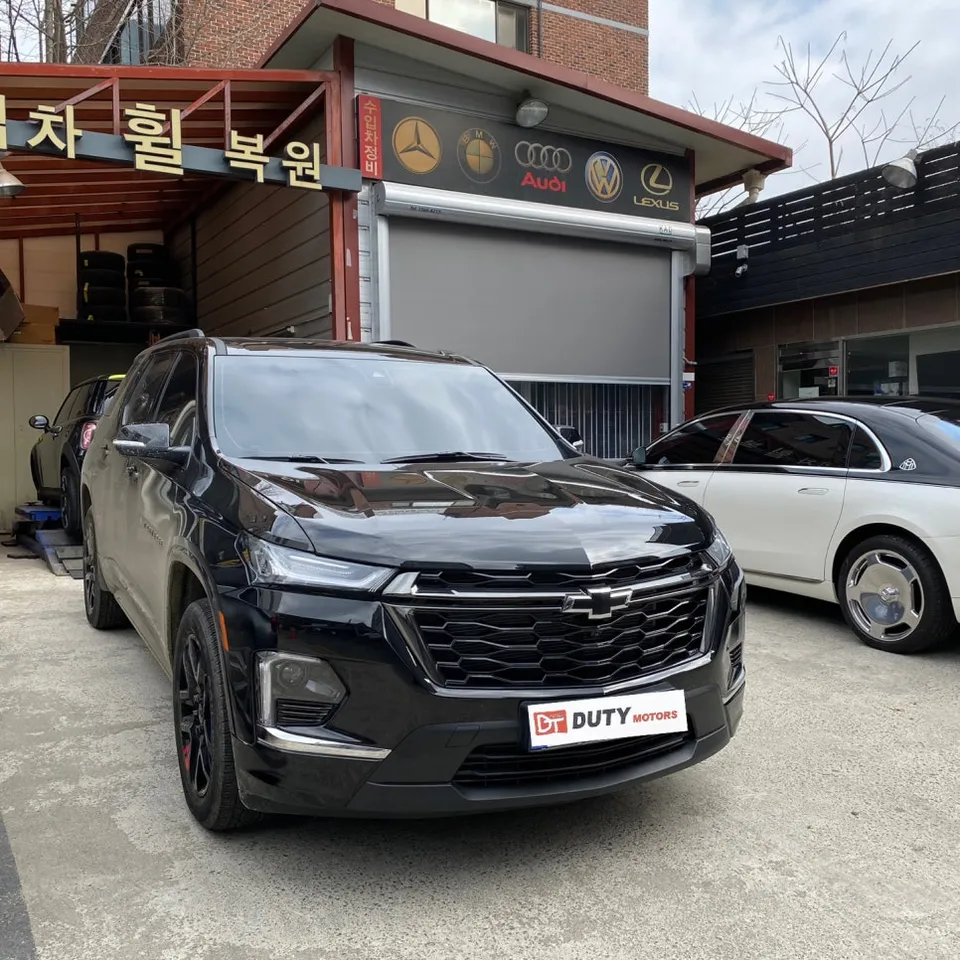
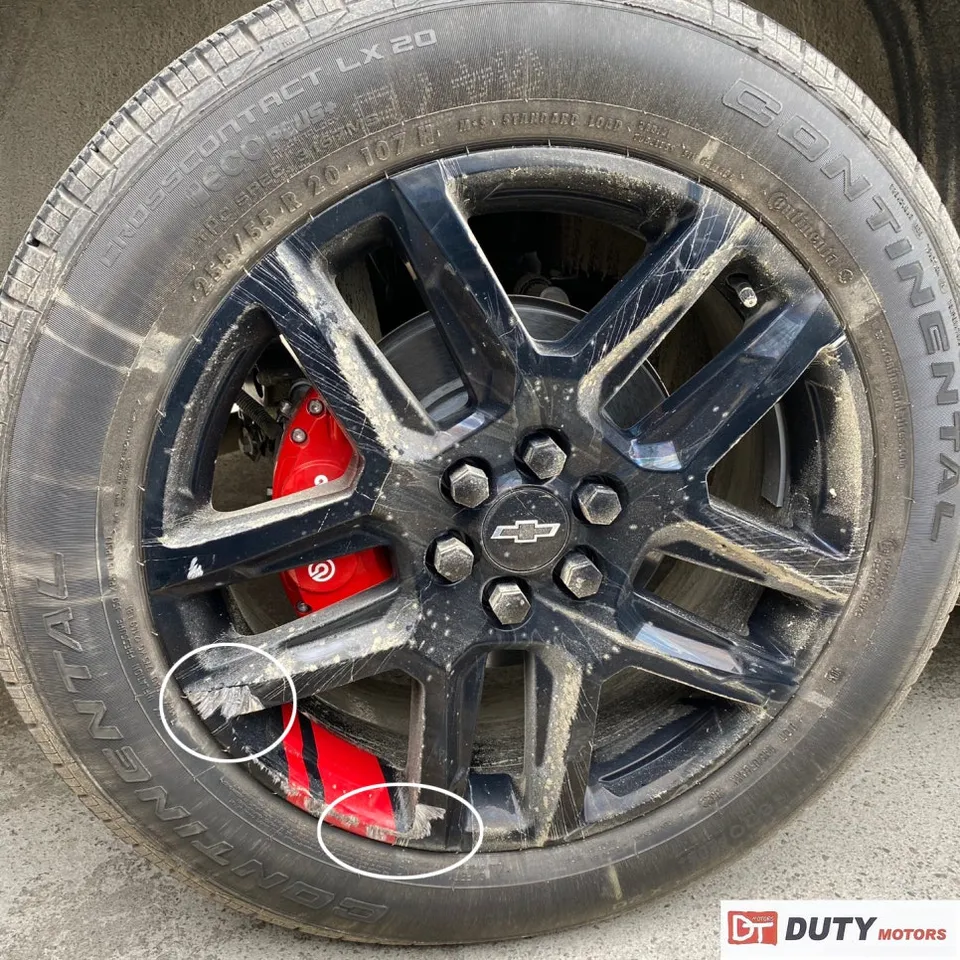
Chevrolet Traverse Redline wheel repair: Restored scratched wheels to original finish. Process includes prep, priming, precise color matching, and hea
Chevrolet Traverse Wheel Repair: Tackling Complex Redline Rims
The Chevrolet Traverse, a large SUV, often comes equipped with substantial wheels, typically 20 inches or larger. As wheel size increases, so does the complexity of their curves, making repairs more challenging. The Traverse's Redline wheels present an additional hurdle due to their two-tone design, featuring a black base with a distinct red line. Achieving a flawless restoration requires precise color matching to restore the original look.
Many owners find that standard repair shops deem these complex wheels too difficult to fix. However, experienced technicians can successfully restore them. This review details the process undertaken at a specialized shop for a Chevrolet Traverse with damaged Redline wheels.
Restoring Redline Wheels Damaged by Mountain Driving
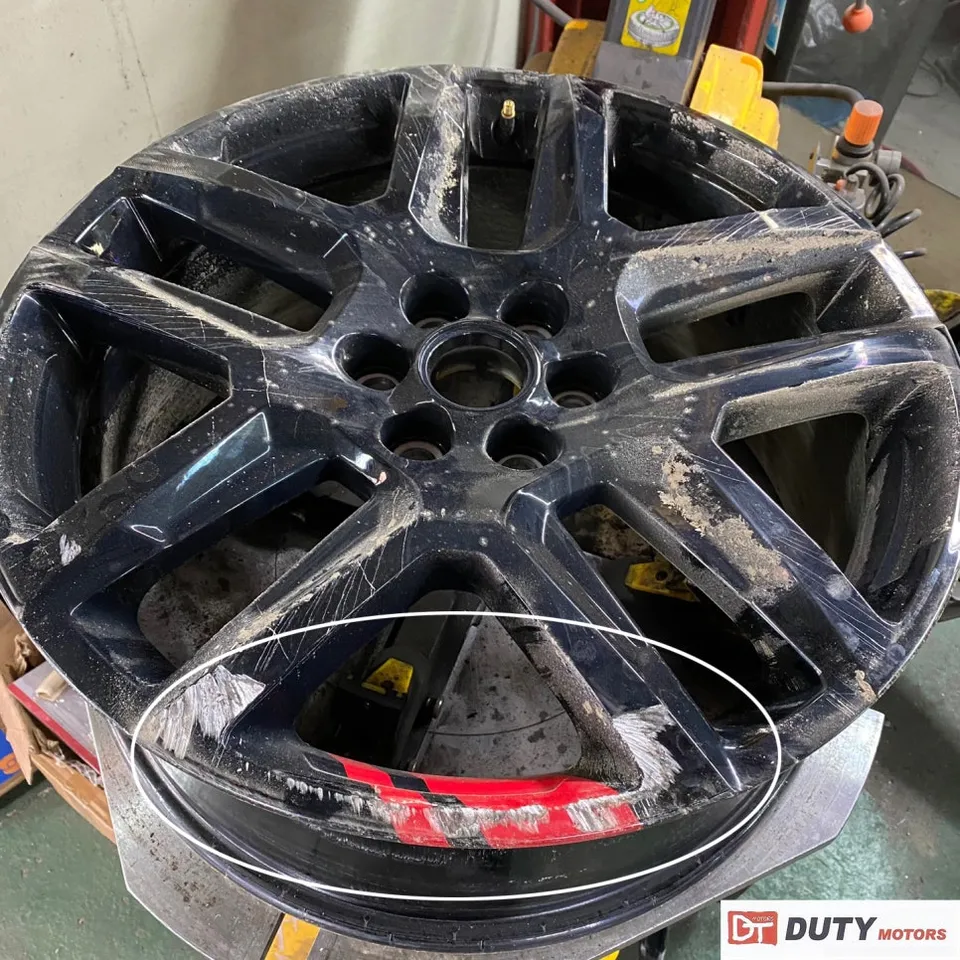
The Chevrolet Traverse in this case suffered significant scratches on its Redline wheels, likely from navigating mountain roads. The damage extended to both the black base and the red accent line, with some scratches being quite deep. This level of damage often proves too severe for simple touch-ups, necessitating a full restoration.
The tire size, 255/55R20, is typical for large-diameter wheels. The larger surface area and pronounced curvature of these wheels demand meticulous sanding and painting to ensure a uniform finish. Inconsistent application can lead to noticeable color differences, often referred to as 'dead spots' or a dull appearance.
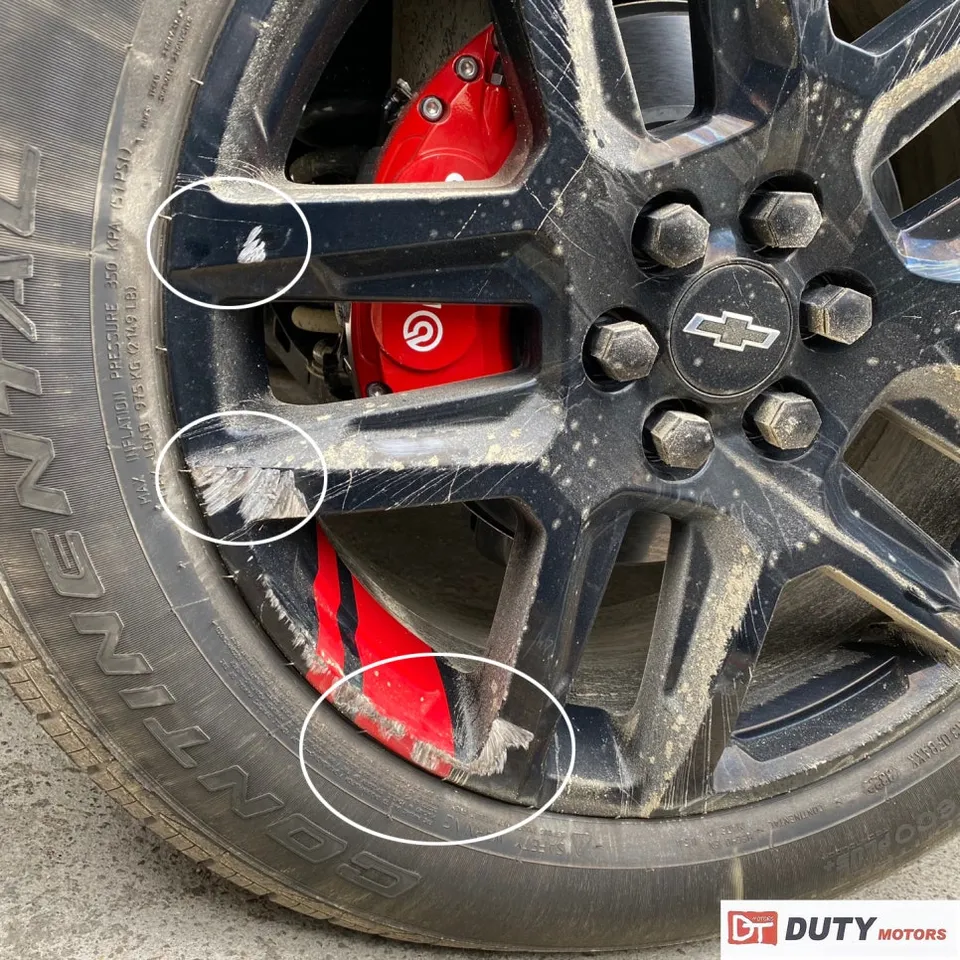
The Four-Step Wheel Restoration Process
1. Tire Removal and Surface Preparation: The process begins with carefully separating the tire from the wheel. The wheel's surface is then meticulously cleaned and sanded to remove dirt, old paint, and oxidation. This critical step ensures a smooth, even base for the new paint, preventing thickness variations that can affect the final color match. This stage typically takes 30-45 minutes.
2. Primer Application and Inspection: A specialized primer is applied to enhance paint adhesion. This layer acts as a crucial intermediary, bonding the new paint to the wheel's metal. After applying the base black coat, the wheel is left to dry for 2-3 hours.
3. Redline Color Application: Once the black base is fully cured, the precise red color for the accent line is applied. Technicians analyze the original Traverse color meticulously, comparing the painted wheel against color standard samples under various lighting conditions to ensure an exact match.
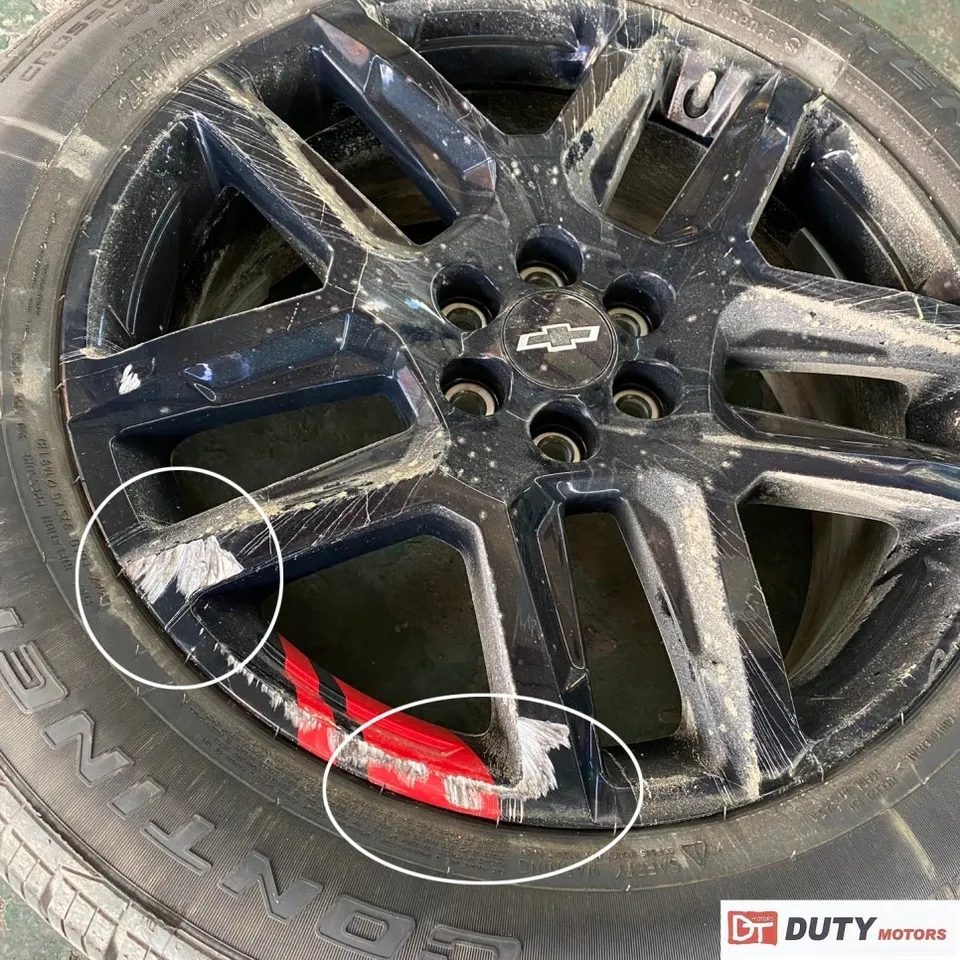
Heat Curing (Curing) Prevents Paint Chipping
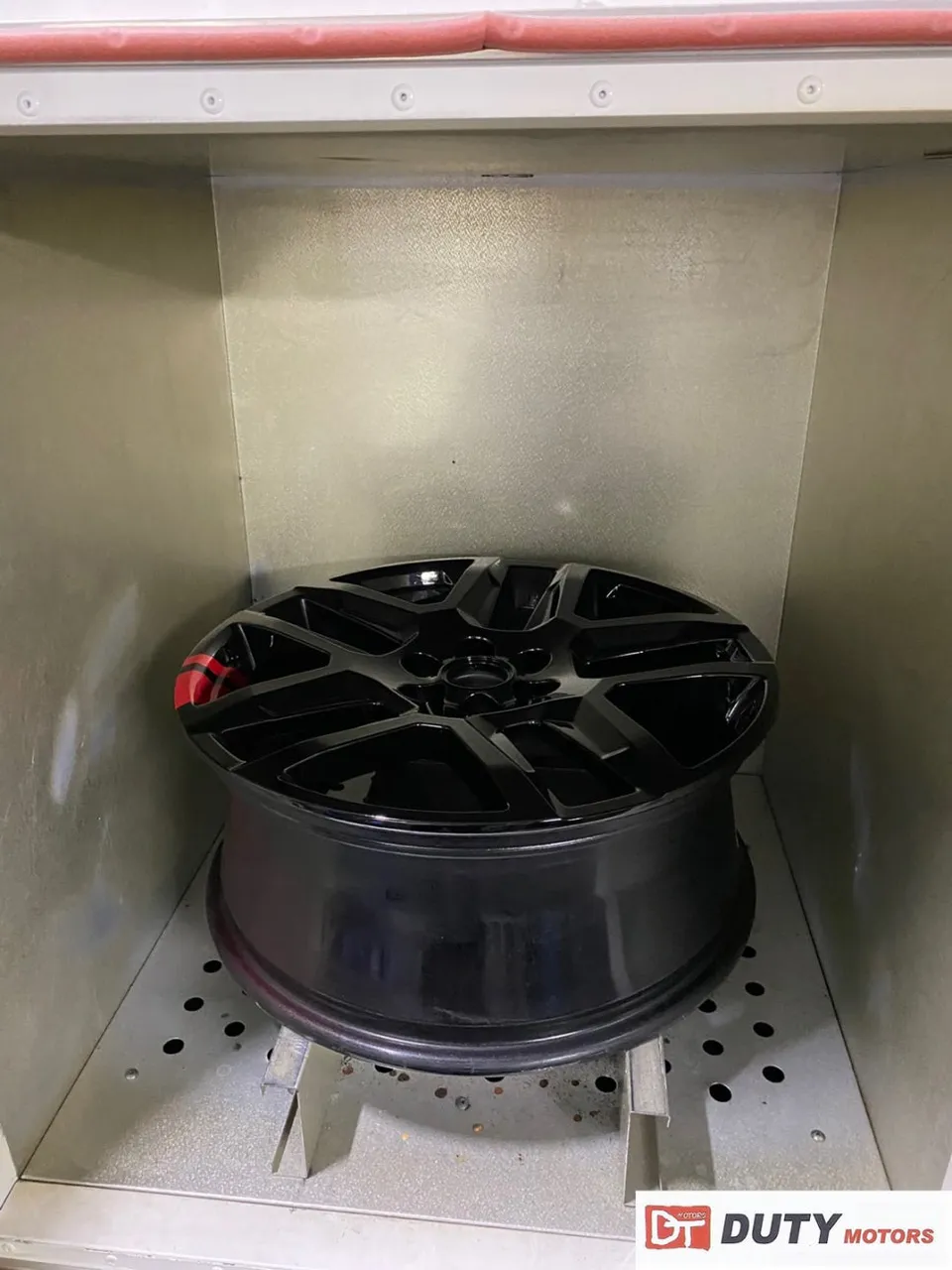
A vital step following painting is heat curing, also known as 'curing'. Specialized facilities use ovens heated to over 150°C (302°F) for 30 minutes to an hour. Skipping this step can lead to 'paint chipping' as the wheel expands and contracts during driving. Proper curing ensures the paint layer's durability and longevity.
Temperature monitoring during curing is essential; too low, and the process is incomplete; too high, and the wheel itself could be damaged. This requires expert knowledge and specialized equipment. It is highly recommended to choose a facility equipped with proper heat-curing capabilities.
Tire Reinstallation and Wheel Balancing
After heat curing and cooling, the tire is remounted. It is crucial to re-measure and adjust the wheel balance after the tire is reinstalled. Minor shifts in alignment during the tire removal and reinstallation process can affect balance, leading to vibrations during high-speed driving.
Frequently Asked Questions
Q. How much does wheel repair cost for a Chevrolet Traverse?
While this specific repair's cost isn't detailed, professional wheel repair in the US typically ranges from $100 to $300 per wheel, depending on the damage severity and wheel type.
Q. Can curb rash be fully repaired on Chevrolet Traverse wheels?
Yes, curb rash on Chevrolet Traverse wheels can usually be fully repaired through sanding, filling, and repainting, restoring the wheel's appearance. Proper maintenance, like regular cleaning and avoiding harsh chemicals, helps preserve the repair.
Q. Is wheel repair or replacement cheaper for a Chevrolet Traverse?
Wheel repair is significantly cheaper than replacement for a Chevrolet Traverse, often costing a fraction of a new wheel's price. Repair is ideal for cosmetic damage like curb rash or minor bends, preserving the original wheel.
Q. How is wheel curb rash repaired on a Chevrolet Traverse?
Wheel curb rash repair on a Chevrolet Traverse involves several steps: 1. Sanding down the damaged area to smooth the metal. 2. Applying filler if necessary, followed by primer. 3. Painting to match the original wheel color. 4. Applying a clear coat and heat curing for durability.
Q. What is the difference between wheel refinishing and full replacement for a Chevrolet Traverse?
Wheel refinishing restores the original wheel's appearance through repair and repainting, while full replacement involves installing a brand new wheel. Refinishing is more cost-effective for cosmetic or minor structural damage, whereas replacement is necessary for severe damage or structural compromise.
OhCar Partner Shop