Hyundai Elantra AD Lighting Upgrade Review — Reliable Repair
Service Price
$under $40
Estimated price · Actual price may vary by shop
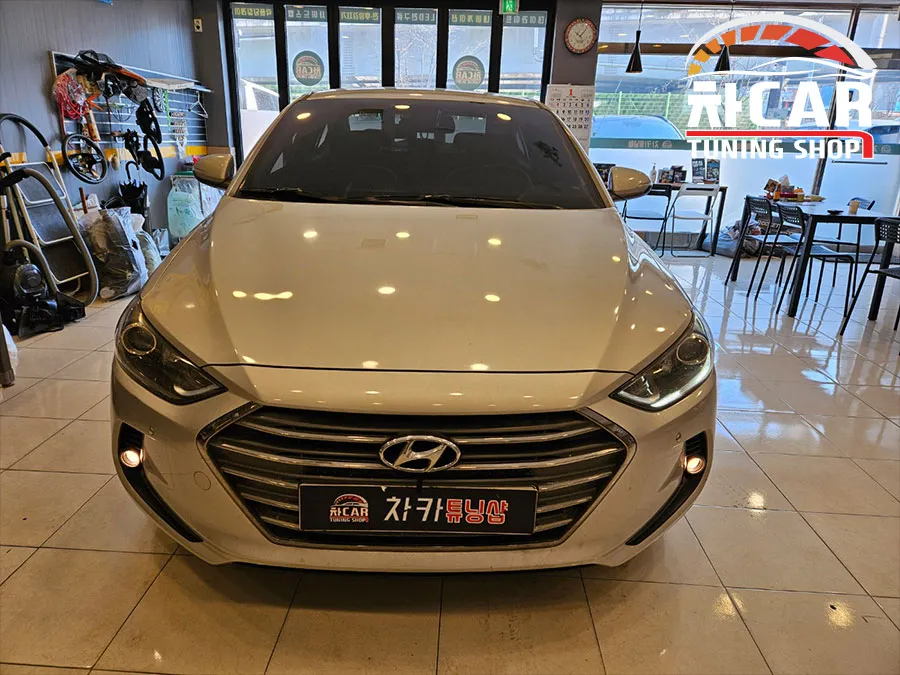
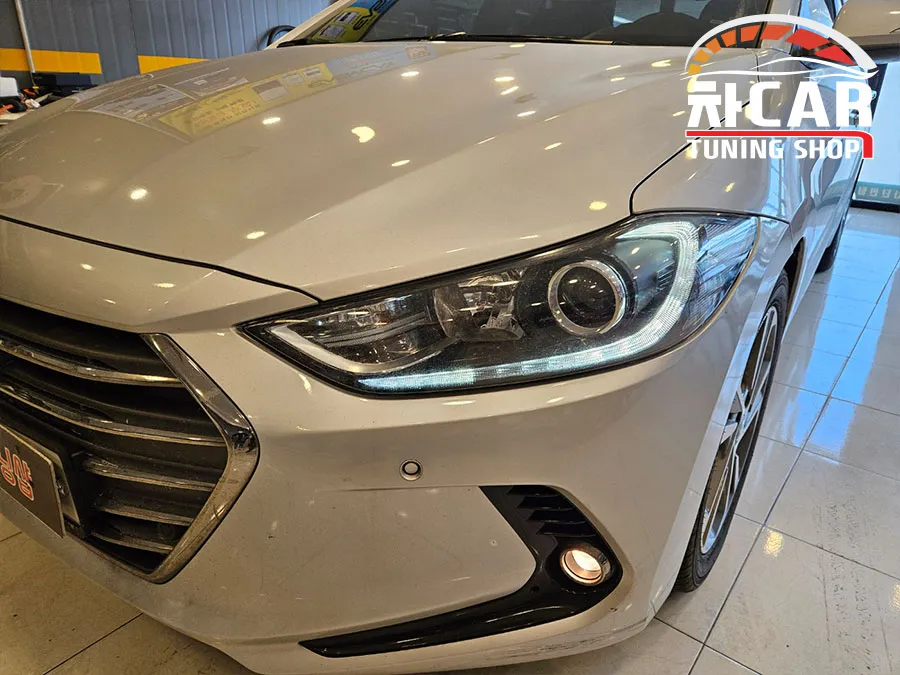
Hyundai Elantra AD DRL upgrade in Hwaseong: A permanent fix for common failures. Offers enhanced durability and reliability.
The Common Hyundai Elantra AD DRL Problem
Many Hyundai Elantra AD owners are familiar with a persistent issue: malfunctioning daytime running lights (DRLs). This often manifests as partial or complete failure of the LED modules on either the driver or passenger side. Even replacing the faulty units with genuine parts frequently leads to the same problem recurring shortly after, causing significant frustration. This recurring failure points to inherent design or durability issues within the original DRL modules.
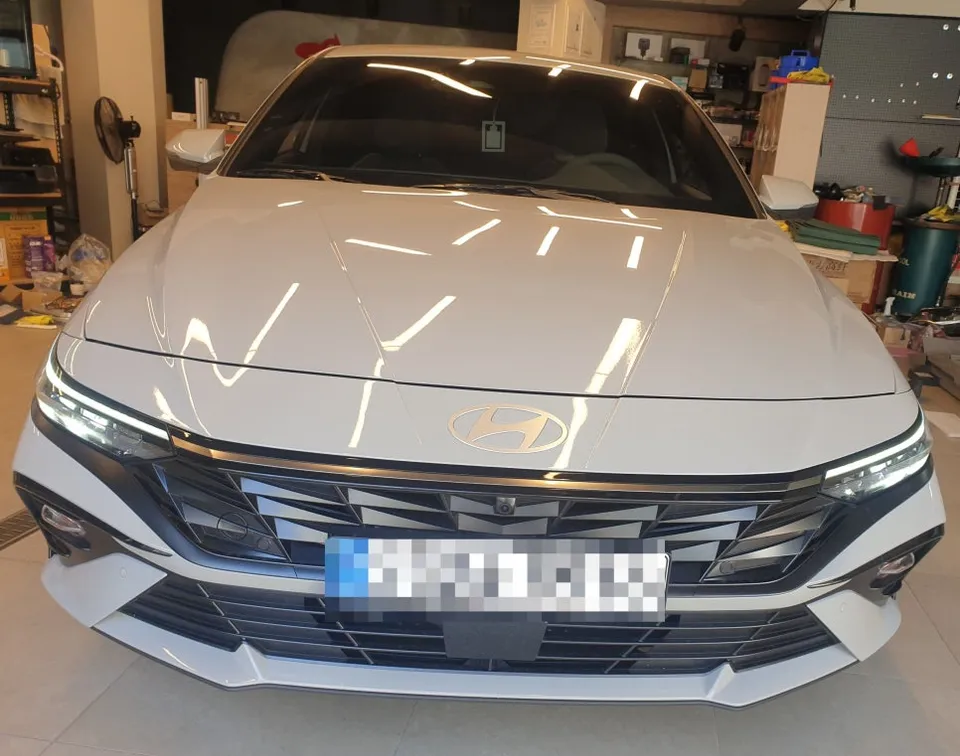
A recent case at the 'Today's Car' Hwaseong branch highlighted this exact problem. The Elantra AD presented with non-functional LEDs on one side and a completely dead module on the other. This not only compromises the vehicle's safety and visibility but can also lead to issues during mandatory vehicle inspections. Addressing this common fault requires more than a simple part swap; a professional, upgraded solution is often necessary.
Professional DRL Upgrade Process for Elantra AD
At 'Today's Car' Hwaseong, we tackle the Elantra AD's DRL problem by completely replacing the stock modules with specialized, upgraded units designed for enhanced durability and performance. This process ensures a lasting solution beyond the limitations of OEM parts.
Installation process:
- Careful removal of the original, faulty DRL modules without damaging surrounding components. This may involve disassembling parts of the headlight assembly.
- Installation of the new, vehicle-specific DRL modules, which are engineered to overcome the weaknesses of the original design. These often feature improved heat dissipation and more robust construction, sometimes utilizing durable coating methods like powder coating for longevity.
- Secure connection of all wiring and proper sealing of the headlight assembly to prevent moisture ingress and ensure electrical integrity.
- Thorough testing to confirm both DRLs function correctly, with consistent brightness and no flickering, ensuring compliance and safety.
This comprehensive approach ensures that the upgraded DRLs not only restore full functionality but also provide a more reliable and long-lasting solution compared to repeated OEM replacements. The result is peace of mind and a vehicle that meets safety standards reliably.
Frequently Asked Questions
Q. How much does a Lighting Upgrade cost for a Hyundai Elantra AD?
The specific cost for the DRL upgrade in Hwaseong was not detailed in the original content, but similar professional solutions in the US can range from $200 to $500 depending on the specific module and labor involved.
Q. How long does a Lighting Upgrade last on a Hyundai Elantra AD?
Upgraded DRL modules are designed for significantly improved longevity compared to the stock units, aiming for a permanent solution. Regular checks for moisture or damage around the headlight seals can help maintain their lifespan.
Q. Is a Lighting Upgrade worth it for a Hyundai Elantra AD?
This upgrade is highly recommended for Elantra AD owners experiencing the common DRL failure, as it provides a definitive fix. It offers long-term reliability and avoids the recurring costs and frustration associated with repeated OEM part replacements.
Q. How is a Lighting Upgrade done on a Hyundai Elantra AD?
The process involves carefully removing the original faulty DRL modules, often requiring headlight disassembly. Then, specialized, more durable aftermarket modules are installed, with all wiring secured and the assembly properly sealed. Finally, the new lights are tested for correct operation.
Q. What is the best Lighting Upgrade option for a Hyundai Elantra AD?
The best option involves replacing the stock modules with specialized units designed to overcome the OEM's known weaknesses, focusing on enhanced durability and reliable performance. Opting for modules with features like improved heat management and robust construction is recommended over simply replacing with standard OEM parts.