SsangYong Korando C Seat Climate Upgrade Review
Service Price
$40–80
Estimated price · Actual price may vary by shop
Before
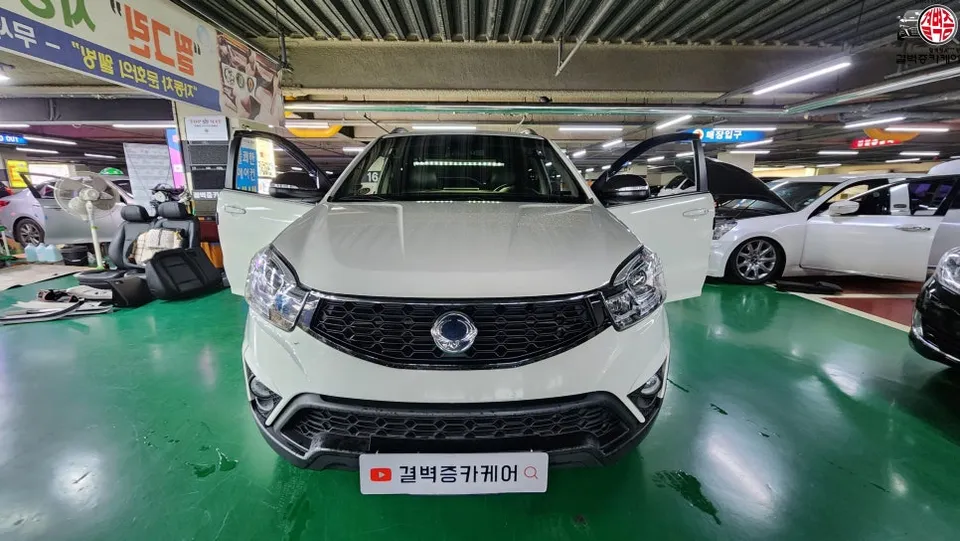
After
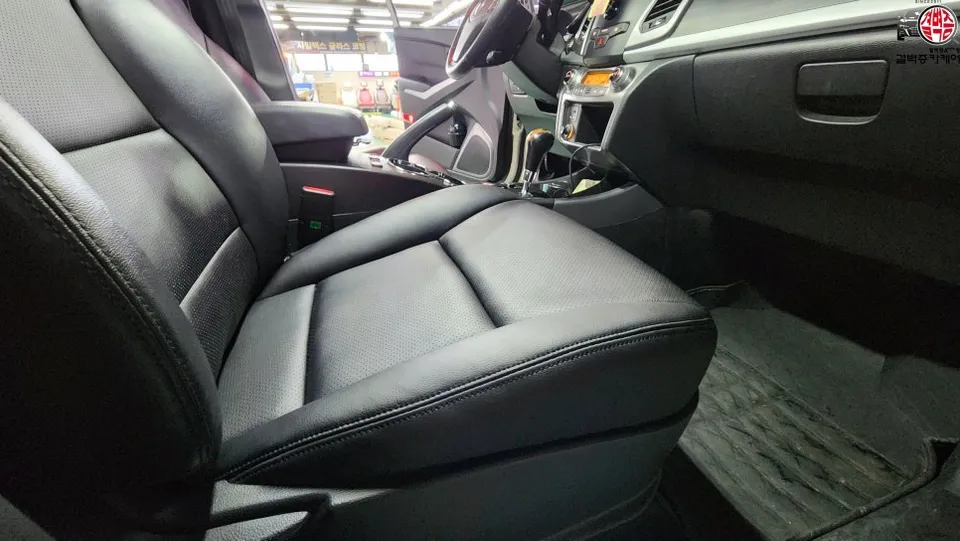
Process photos
SsangYong Korando C seat restoration: Professional leather replacement restores like-new condition. Costs vary, starting around 300,000 KRW in Korea.
Revitalize Your SsangYong Korando C's Interior
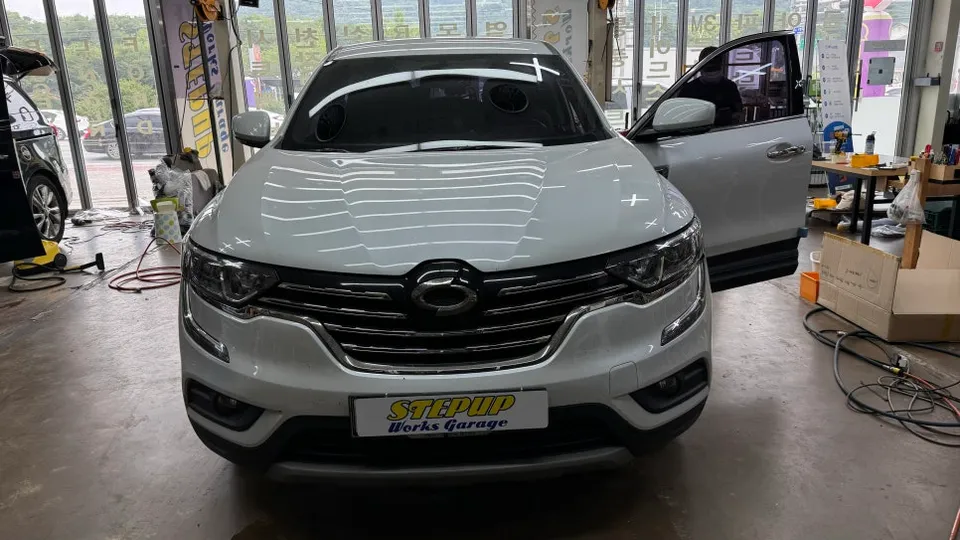
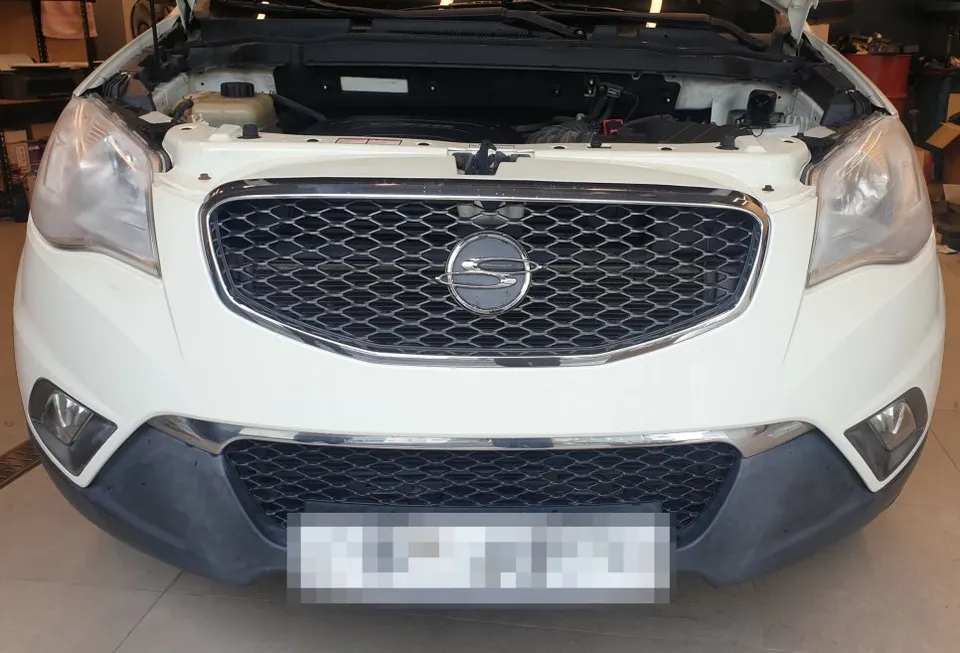
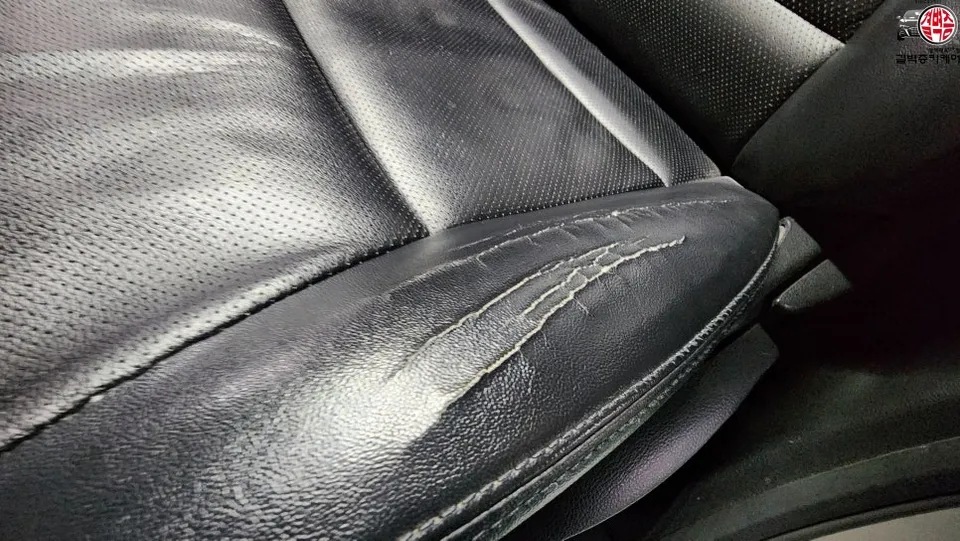
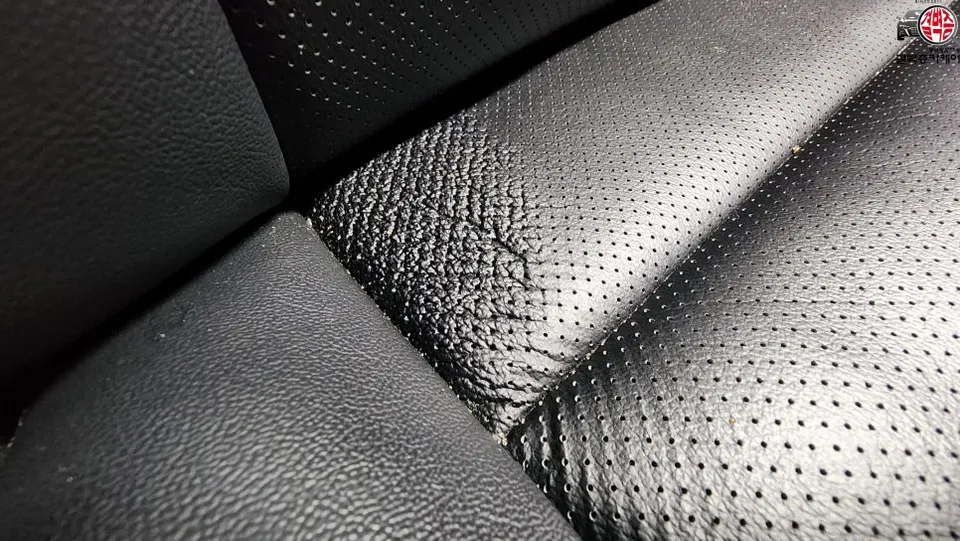
The seats in your vehicle are crucial for comfort and first impressions. For a 2019 SsangYong Korando C owner, worn and cracked seat leather was a significant source of stress. This review details how a professional seat leather replacement, akin to a seat climate upgrade, can restore your vehicle's interior to a like-new condition. The owner discovered our services through YouTube, seeking a solution for the deteriorating driver and passenger seats.
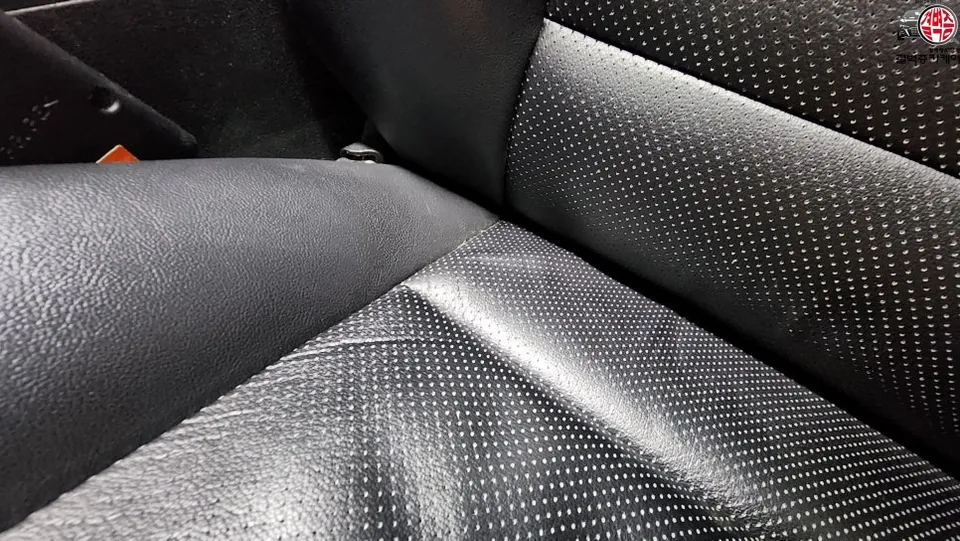
Professional Seat Leather Replacement Process
At our facility, we utilize premium-grade leather, matching the original factory quality, to replace worn seat covers. Our skilled technicians meticulously perform the installation, ensuring a flawless finish that rivals a brand-new car. The process isn't just about aesthetics; we also inspect and reinforce the underlying seat foam. This improves seat resilience and enhances overall comfort, extending the life of your seats and providing a more pleasant driving experience.
Installation Process:
- Removal of old, damaged seat covers.
- Inspection and reinforcement of seat foam for improved comfort and support.
- Precise fitting and stitching of new, high-quality leather covers.
- Final detailing and quality check to ensure a factory-perfect finish.
Transformative Results and Value
Following the seat leather replacement, the SsangYong Korando C's driver and passenger seats were completely revitalized, appearing as if they were brand new. This transformation significantly boosts the overall satisfaction with the vehicle's interior. While the original context mentions seat leather replacement, the concept extends to seat climate upgrades like ventilated or heated seats, which also enhance comfort and vehicle appeal. The cost for seat leather replacement in Korea typically starts around 300,000 KRW (approximately $220 USD) for front seats, potentially reaching 600,000 KRW (approximately $440 USD) or more for a full interior replacement, depending on the vehicle model, scope of work, and leather grade. For a seat ventilation & heating retrofit, costs can vary widely based on the system's complexity and features, often ranging from $400 to $1500+ in the US, depending on the specific components and installation labor. This type of upgrade can significantly increase a vehicle's resale value and driver comfort.
Frequently Asked Questions
Q. How much does ventilated seat installation cost for a SsangYong Korando C?
In Korea, professional seat leather replacement starts around 300,000 KRW (approx. $220 USD). Aftermarket seat ventilation and heating systems in the US can range from $400 to over $1500, depending on the system and installation.
Q. How long does seat ventilation installation take on a SsangYong Korando C?
The seat leather replacement described took approximately 3-4 hours for front seats, allowing for same-day completion. Durability of quality seat upgrades is typically long-lasting with proper care; regular cleaning with a leather conditioner is recommended.
Q. Are aftermarket ventilated seats worth it for a SsangYong Korando C?
For drivers prioritizing comfort and interior aesthetics, a seat climate upgrade like ventilation or heating can be a worthwhile investment. It significantly enhances the driving experience, especially in varying climates.
Q. How are ventilated seats installed in a SsangYong Korando C?
Installation typically involves removing the existing seat covers, integrating the ventilation system components (fans, ducting) within the seat structure, and then fitting new covers, often custom-made or high-quality replacements. The process requires careful disassembly and reassembly of the seats.
Q. What is the difference between OEM and aftermarket ventilated seats for a SsangYong Korando C?
OEM (Original Equipment Manufacturer) parts are designed by the car's manufacturer, ensuring perfect fit and integration, but are often more expensive. Aftermarket options offer greater variety and potentially lower costs, but fit and quality can vary significantly.
OhCar Partner Shop