Tesla Model 3 Dash Cam Installation Review — Smart Parking Mode
Service Price
$under approx. $400
Estimated price · Actual price may vary by shop
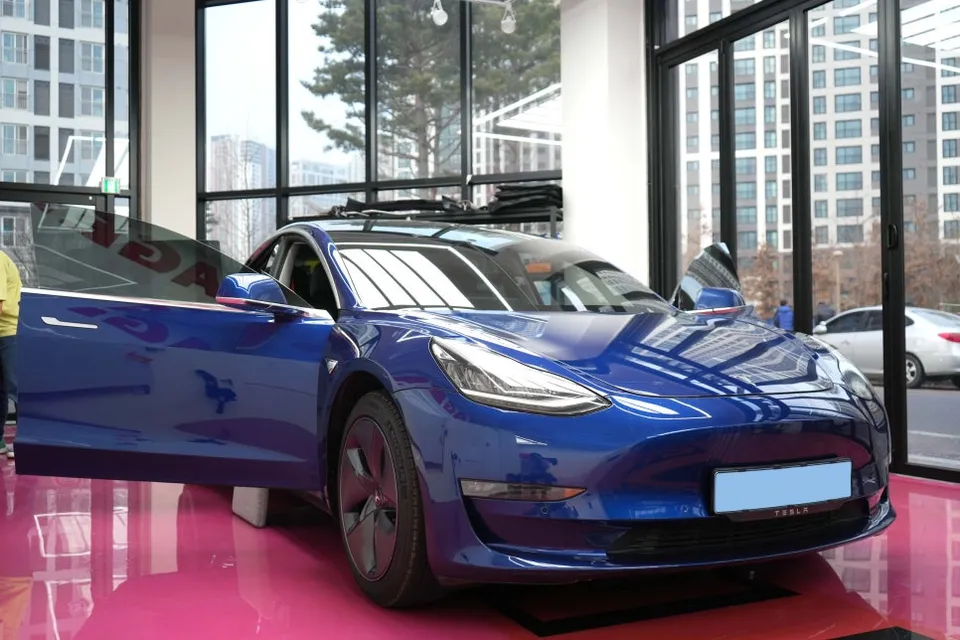
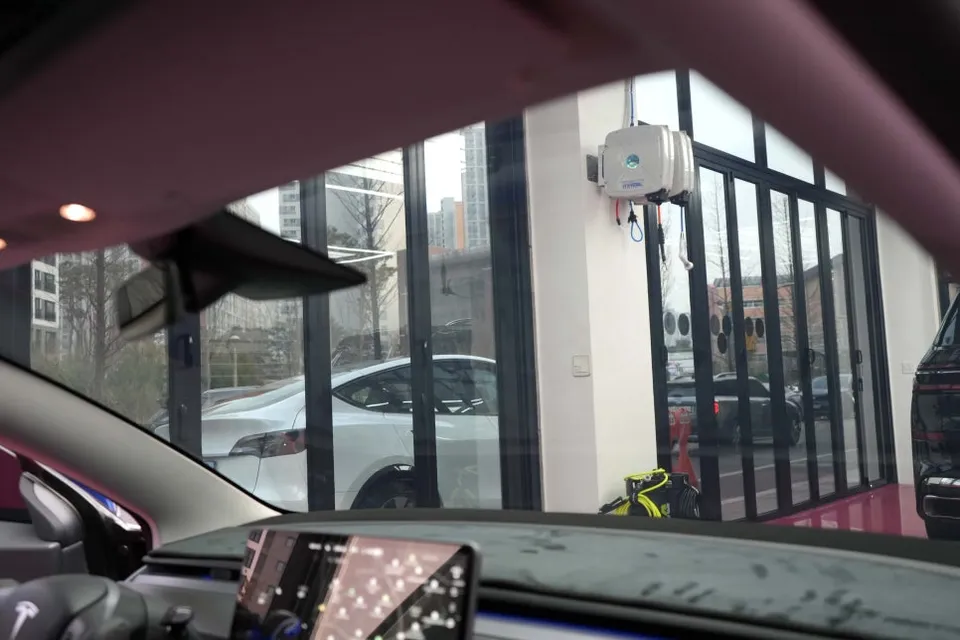
Tesla Model 3 dash cam installation with I-Navi QXD1 and JB Tesla Module: ₩400,000. Smart parking mode with minimal battery drain.
Tesla Model 3 Dash Cam Installation: Addressing Owner Concerns
Tesla Model 3 owners often hesitate to install dash cams due to the electric vehicle's sensitive electrical systems. Concerns about potential issues like ADAS malfunctions or battery drain are valid, especially for models from 2020 onwards, which require more meticulous installation. This review details the process of installing an I-Navi QXD1 dash cam integrated with a JB Tesla Module at the Today's Car Namyangju branch, a solution designed to mitigate these specific concerns.
JB Tesla Module: The Key to Efficient Parking Recording
The JB Tesla Module is engineered to work seamlessly with Tesla's CAN communication system. Its primary function is to significantly reduce the power consumption typically associated with dash cam parking mode. While a Tesla's native Sentry Mode can consume 8-11% of battery power, using a dash cam with the JB module lowers this to a mere 2-3%, greatly alleviating battery anxiety for owners. This module ensures that your dash cam can record safely during parking without unduly draining your vehicle's battery.
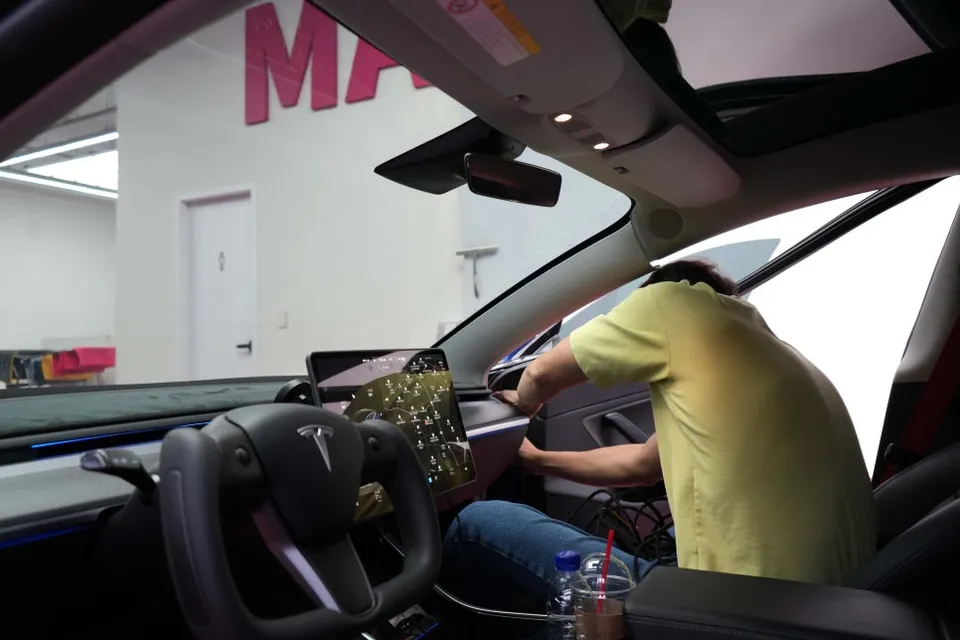
I-Navi QXD1: Advanced Features for Clear Recording
The I-Navi QXD1 dash cam features advanced AI technology for both driving and parking recording. It excels in capturing clear footage, even in challenging conditions like nighttime or poor weather, ensuring license plates are identifiable. The rear camera is designed with a wide viewing angle, specifically considering the Tesla Model 3's rear defroster lines, to minimize blind spots. Its integrated design offers a clean, factory-fitted appearance.
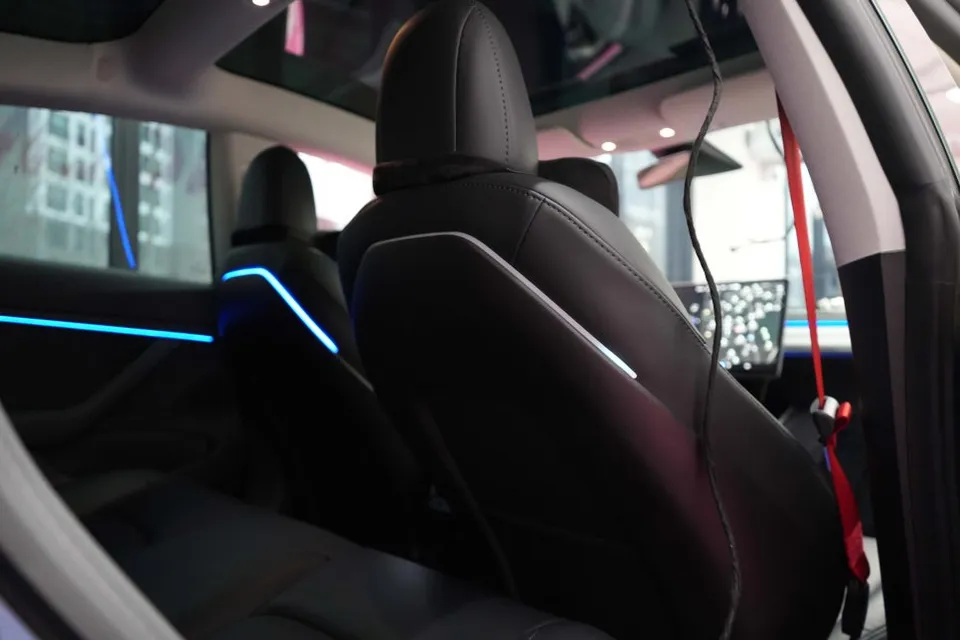
Professional Installation Process: Safety and Quality Assured
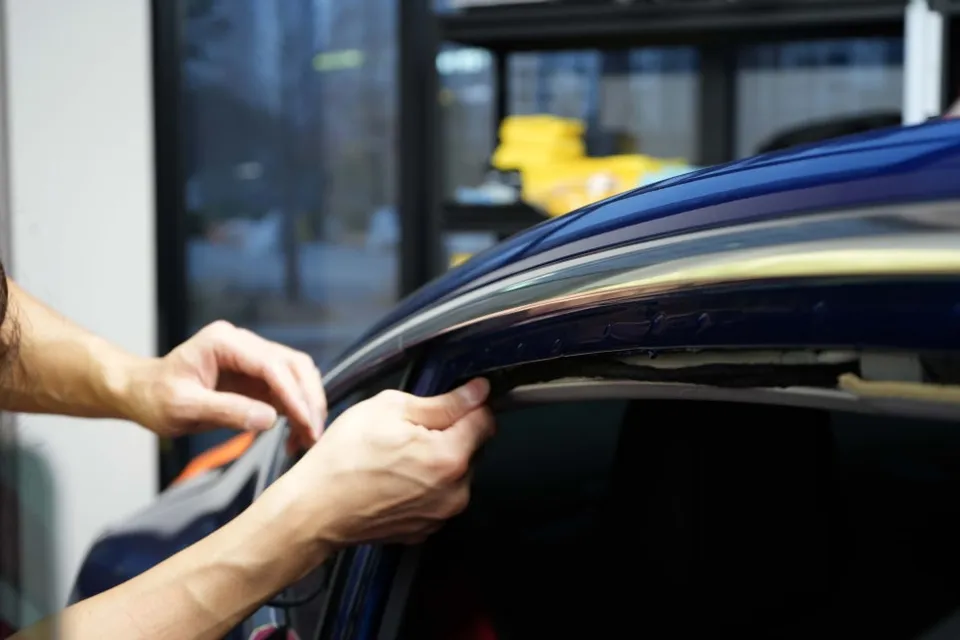
Professional installation is crucial for Tesla vehicles. At Today's Car Namyangju, installers use genuine Tesa automotive tape on all wiring to prevent rattles and protect the cables. The wiring is routed meticulously along factory lines, ensuring it does not interfere with side curtain airbags. This attention to detail guarantees both the safety and longevity of the installation.
Installation Process:
- Careful routing of wiring along factory paths to avoid interference with vehicle systems, especially airbags.
- Secure application of sound-dampening tape to all exposed wiring for a rattle-free experience.
- Integration of the JB Tesla Module with the vehicle's CAN communication system for optimized power management.
- Installation of the I-Navi QXD1 dash cam, ensuring optimal placement for recording and a clean aesthetic.
The entire process, including the JB Tesla Module integration and I-Navi QXD1 setup, is estimated to take approximately 3-4 hours, ensuring a thorough and safe installation.
Frequently Asked Questions
Q. How much does dashcam installation cost for a Tesla Model 3?
The installation featured in this review, including the I-Navi QXD1 and JB Tesla Module, cost approximately ₩400,000 (Korean Won). Professional installation in the US typically ranges from $100 to $300 depending on the complexity and components.
Q. How long does dashcam installation take on a Tesla Model 3?
This professional dash cam installation, including the JB Tesla Module integration, took approximately 3-4 hours to complete. Proper installation ensures durability, and regular checks of the wiring and camera connections can help maintain optimal performance.
Q. Is a hardwired dashcam worth it over a self-install for a Tesla Model 3?
For a Tesla Model 3, professional hardwiring with a specialized module like the JB Tesla Module is highly recommended to avoid electrical issues and ensure efficient parking mode. It offers peace of mind and optimal performance, making it a worthwhile investment over a potentially problematic self-install.
Q. How is a dashcam professionally installed on a Tesla Model 3?
Professional installation involves meticulously routing wires along factory paths, using sound-dampening tape to prevent rattles, and integrating the dash cam and any modules (like the JB Tesla Module) with the vehicle's electrical system. The process prioritizes safety, ensuring no interference with critical systems like airbags, and aims for a clean, integrated look.
Q. What is the difference between a 1-channel and 2-channel dashcam for a Tesla Model 3?
A 1-channel dash cam records only the front view, while a 2-channel system records both front and rear views, offering comprehensive coverage. For a Tesla Model 3, a 2-channel system is generally recommended to capture potential incidents from all angles, providing greater security.
OhCar Partner Shop