Tesla Model 3 PPF Review: Enhanced Protection & Clarity
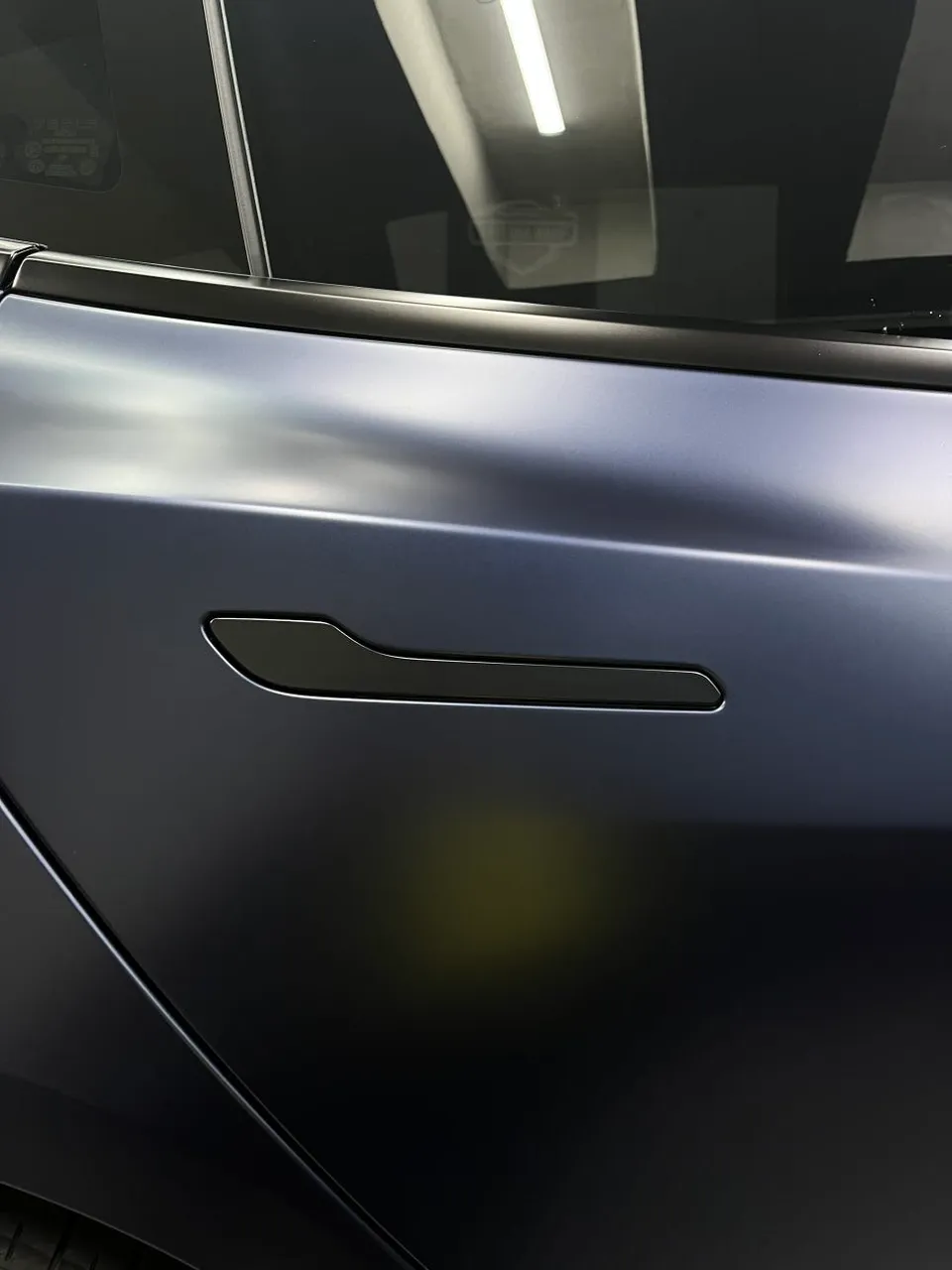
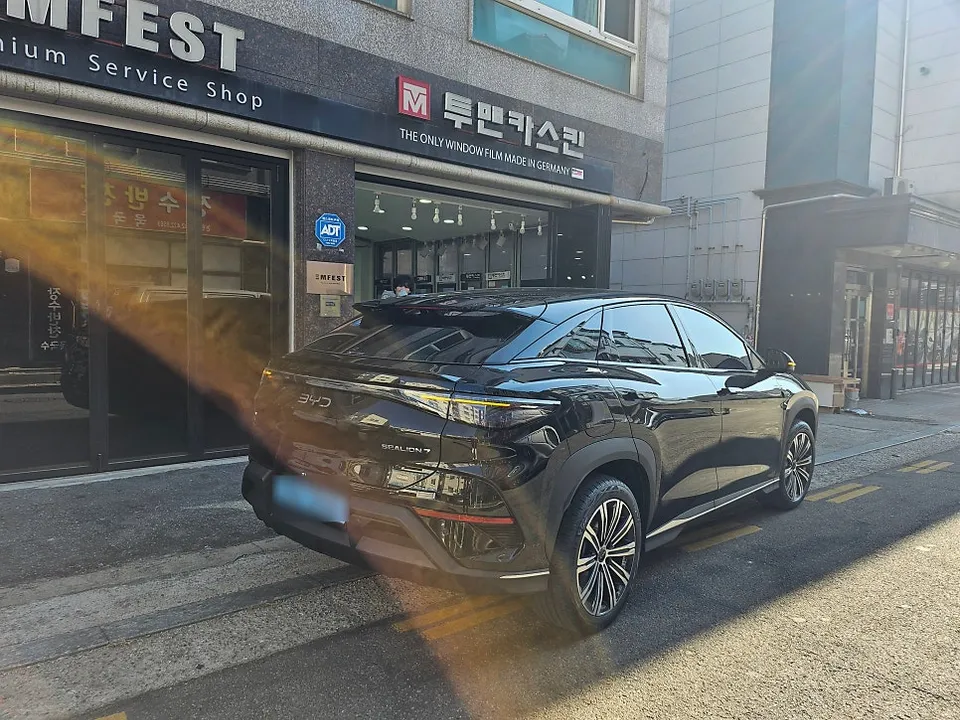
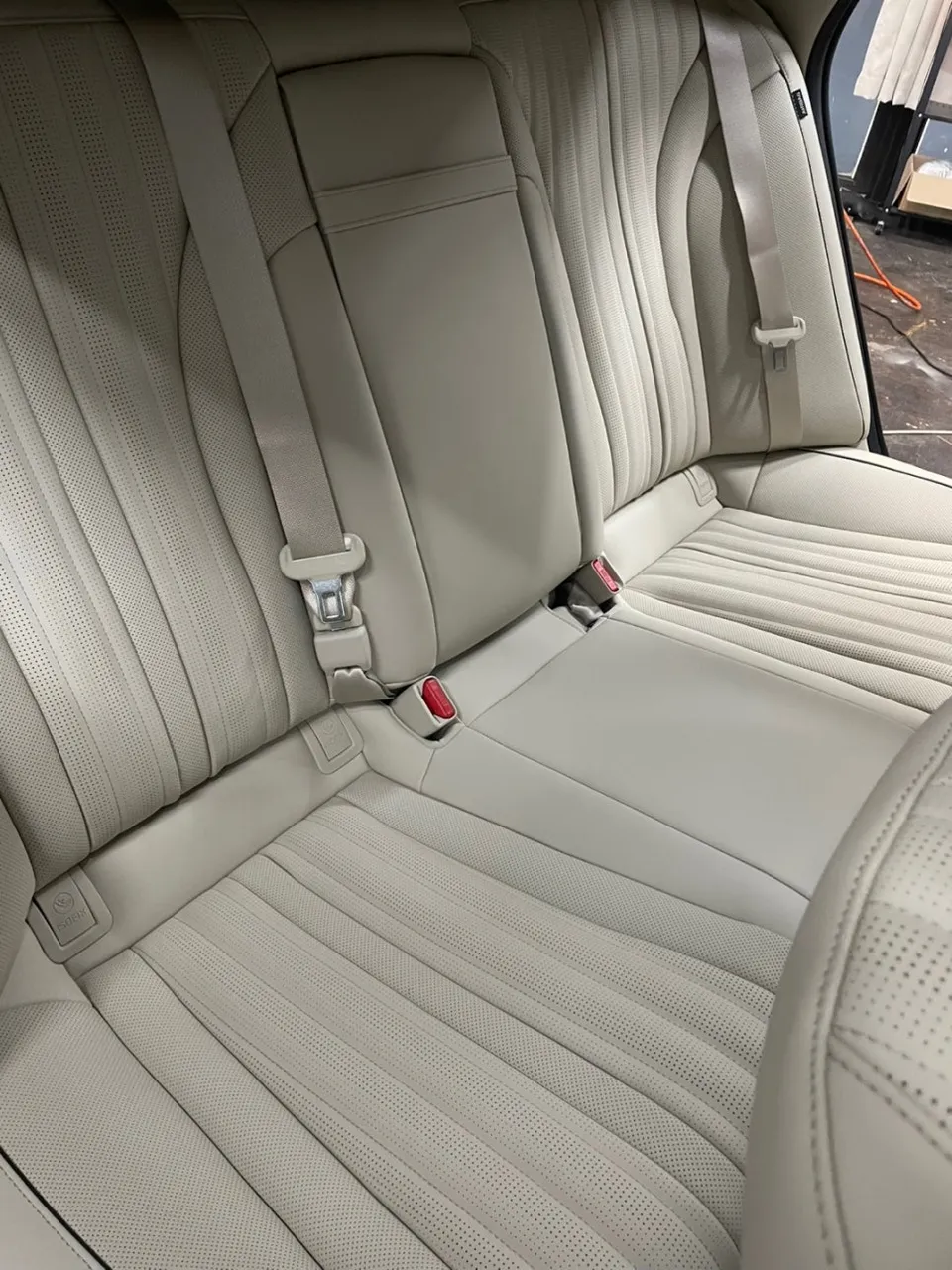
Before

After
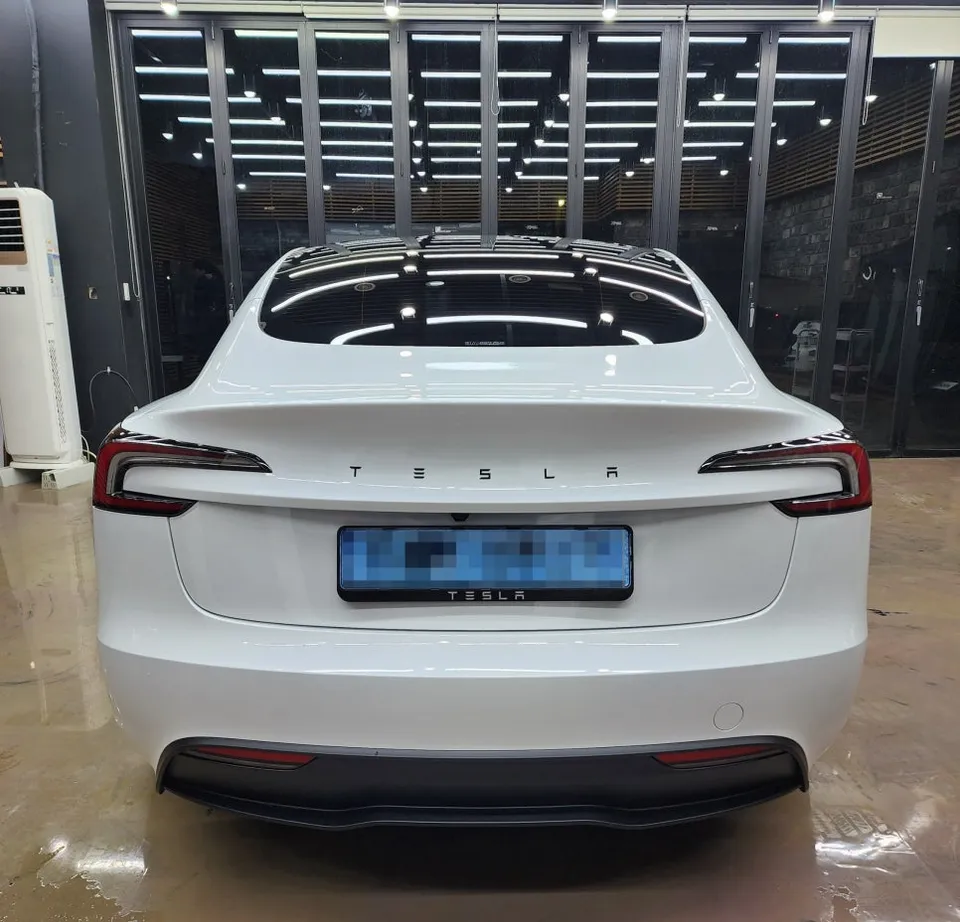
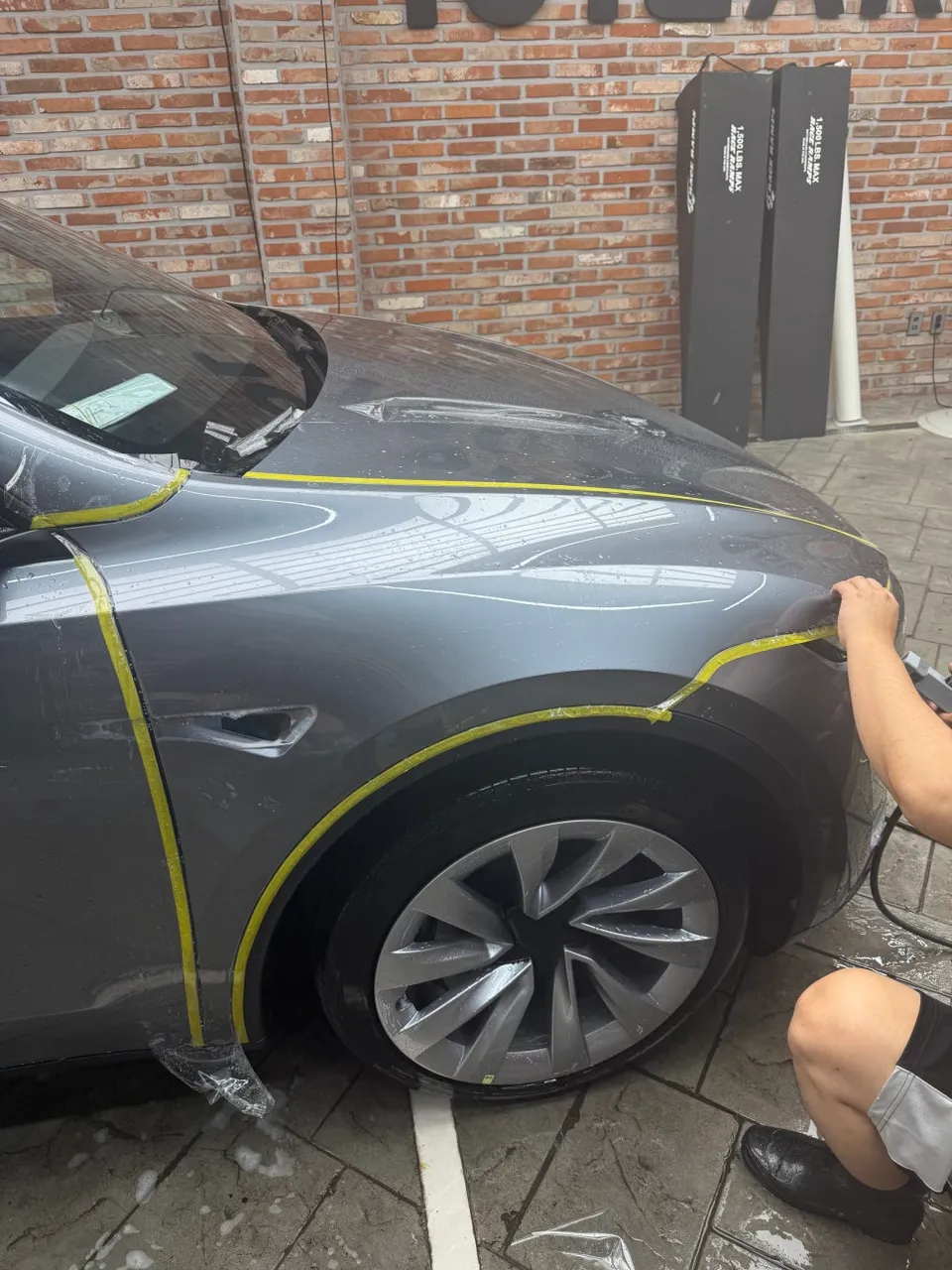
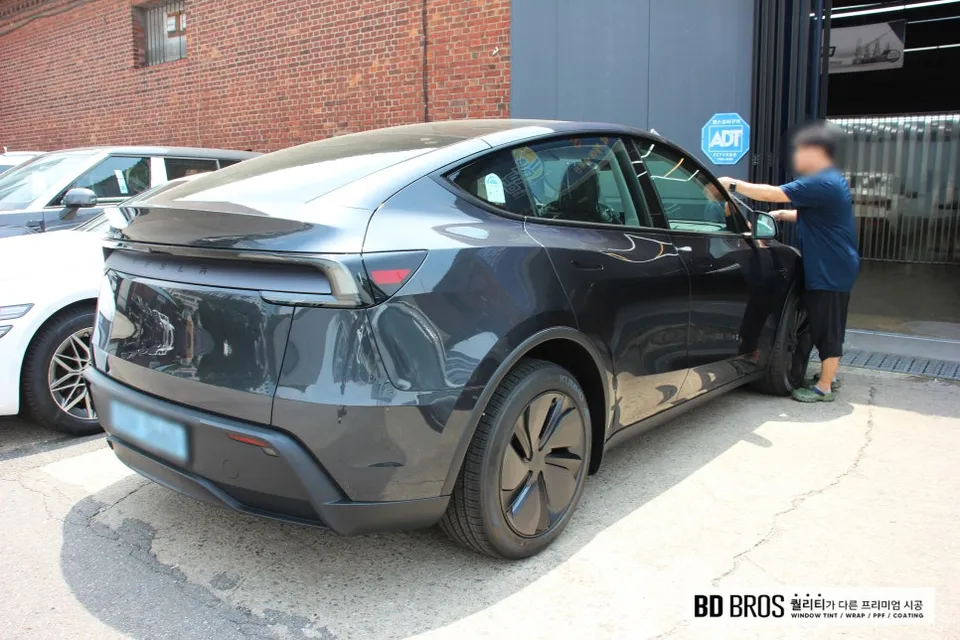
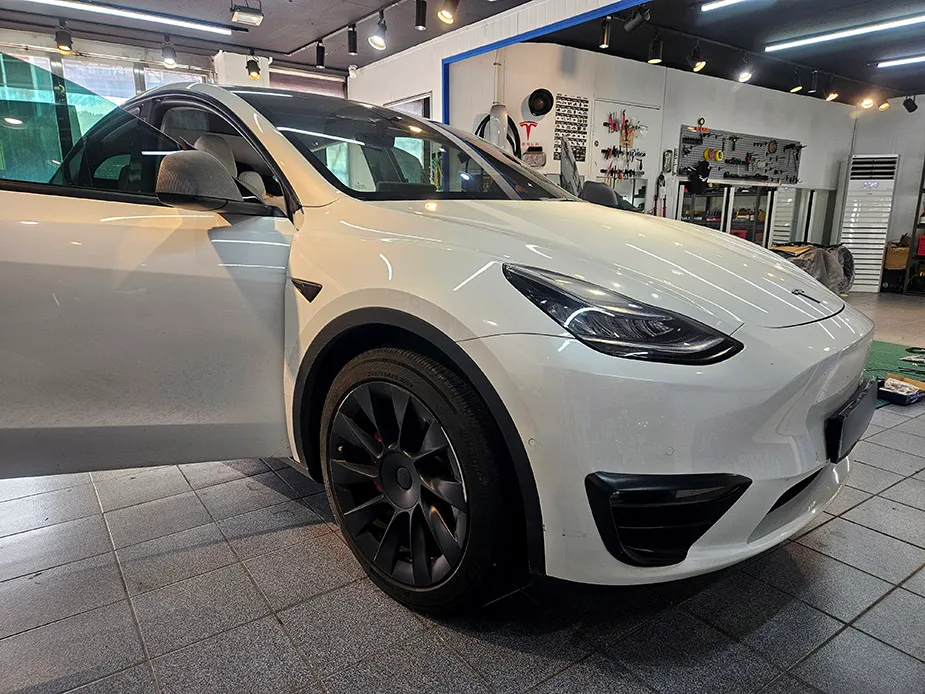
Process photos
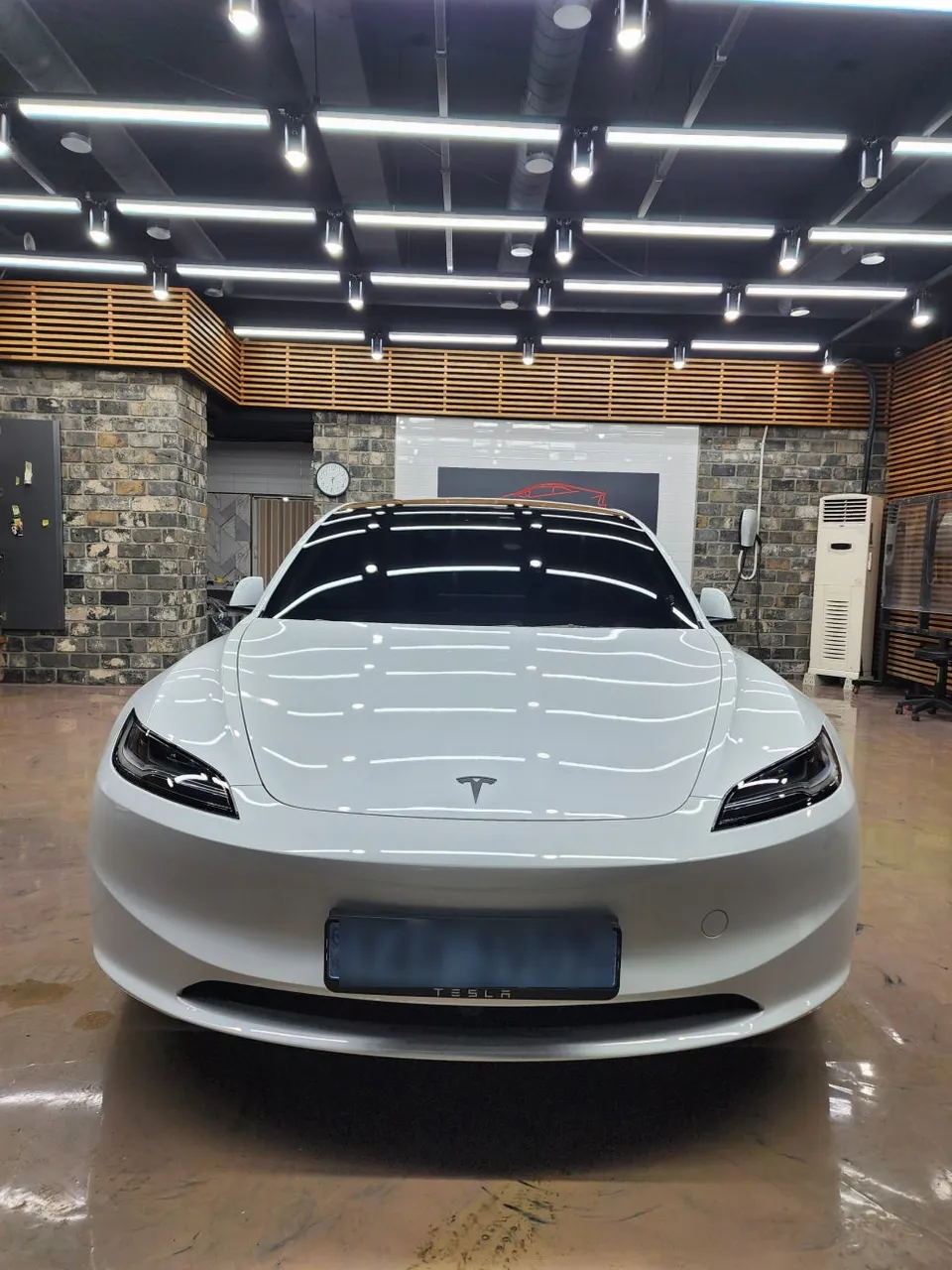
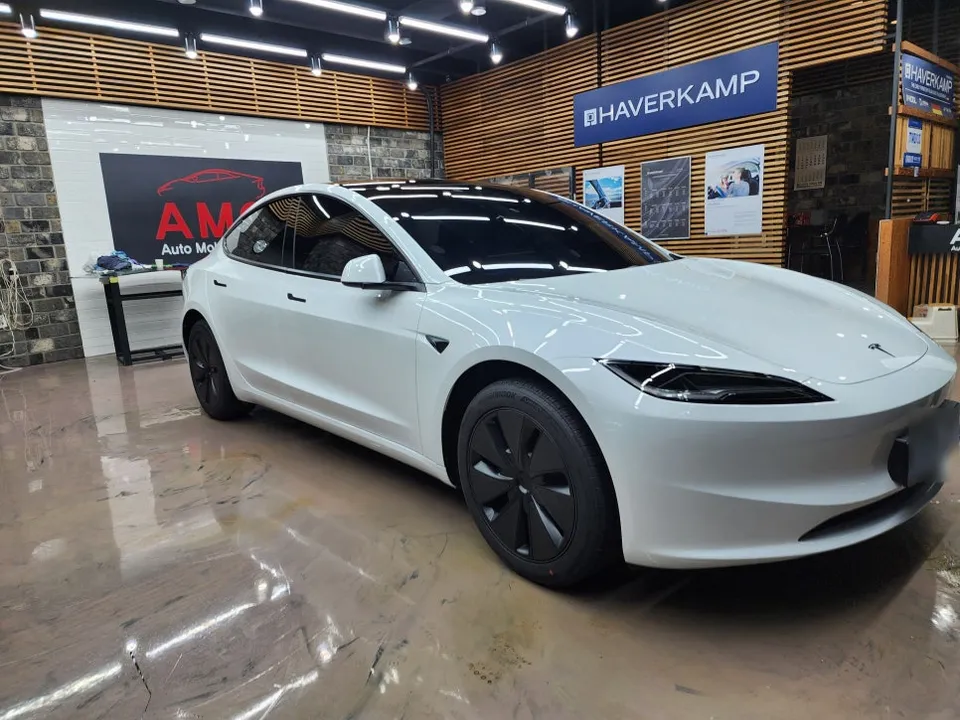
Tesla Model 3 Paint Protection Film (PPF) installation provides superior scratch resistance and a flawless finish, protecting your investment.
Tesla Model 3 Paint Protection Film: The Ultimate Shield
The Tesla Model 3 is a popular choice for its innovation and performance, but like any vehicle, its paintwork is susceptible to damage from daily driving. From minor scratches and stone chips to environmental contaminants, maintaining the pristine condition of your Model 3's paint can be a challenge. This is where Paint Protection Film (PPF), often referred to as a clear bra, becomes an essential upgrade. Our recent review focused on applying PPF to a Tesla Model 3, highlighting its ability to preserve the vehicle's aesthetic appeal and resale value. The film acts as an invisible barrier, safeguarding the original paintwork against the common hazards encountered on the road.
Installation Process and Results
Applying PPF requires precision and expertise to ensure a seamless finish that integrates perfectly with the car's contours. The process begins with a thorough cleaning and preparation of the vehicle's surface to remove any dirt or contaminants that could compromise adhesion. The PPF is then carefully cut and applied, often using specialized tools and techniques to avoid air bubbles and ensure a smooth, edge-to-edge coverage. For the Tesla Model 3, this meticulous application ensures that all vulnerable areas, such as the front bumper, hood, fenders, and side mirrors, are adequately protected. The result is a crystal-clear layer that not only protects but also enhances the gloss of the original paint, leaving the car looking freshly detailed.
Why Choose PPF for Your Model 3?
The decision to invest in PPF for a Tesla Model 3 is driven by the desire for long-term paint preservation. Unlike temporary waxes or sealants, PPF offers robust physical protection against impacts and abrasions. It is particularly beneficial for electric vehicles like the Model 3, which often attract owners who value their car's appearance and technological advancements. The film's self-healing properties are a significant advantage; minor scratches and scuffs can disappear with exposure to heat, maintaining a flawless look over time. This review underscores that PPF is not just a protective layer but a smart investment for maintaining the visual integrity and market value of your Tesla Model 3.
Installation process:
- Surface Preparation: The vehicle's paint is meticulously cleaned and decontaminated to ensure optimal adhesion.
- Pattern Cutting: High-precision digital patterns are used to cut the PPF to the exact shape of the car's panels.
- Film Application: The PPF is carefully applied to the surface, using specialized tools to remove air bubbles and ensure a smooth finish.
- Edge Wrapping: For maximum protection and a seamless look, the film edges are often wrapped around panel edges.
- Curing: The film is allowed to cure, activating its self-healing properties and final adhesion.
Frequently Asked Questions
Q. How much does PPF cost for a Tesla Model 3?
While this review doesn't specify a price, PPF installation for a Tesla Model 3 typically ranges from $1,500 to $5,000 USD depending on the coverage area and film quality.
Q. How long does PPF last on a Tesla Model 3?
High-quality PPF can last for 5-10 years, offering durable protection against scratches and chips. Regular washing and occasional waxing can help maintain its clarity and performance.
Q. Is PPF worth it for a Tesla Model 3?
PPF is highly recommended for Tesla Model 3 owners who want to preserve their vehicle's paintwork against daily wear and tear. It offers excellent value by protecting the car's appearance and resale value.
Q. How is PPF installed on a Tesla Model 3?
Installation involves meticulously cleaning the surface, precisely cutting the film to fit each panel, and carefully applying it to eliminate air bubbles. The edges are often wrapped for complete protection, followed by a curing period.
Q. What is the difference between PPF and ceramic coating for a Tesla Model 3?
PPF provides a thick, physical barrier offering superior protection against impact damage like scratches and chips, while ceramic coating is a thin, liquid-applied layer that enhances gloss and provides hydrophobic properties but offers minimal physical protection.
OhCar Partner Shop
More ppf Reviews
See all →


More Tesla Reviews


Pair with Another Service
Complete your new car protection package