Tesla Model 3 Wheel Repair — Curb Rash Restoration Case Study
Service Price
$150+
Estimated price · Actual price may vary by shop
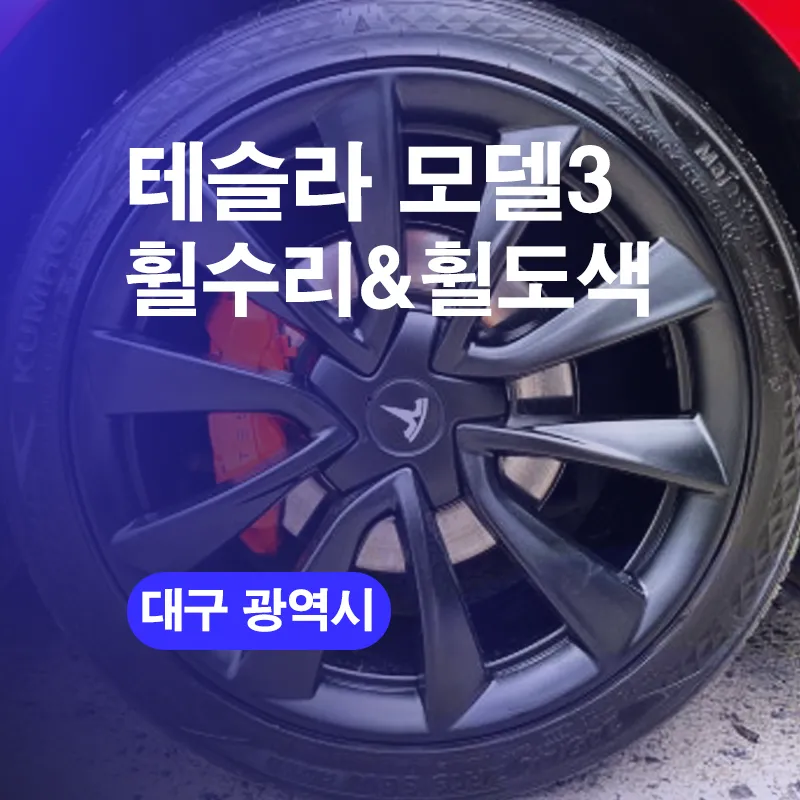
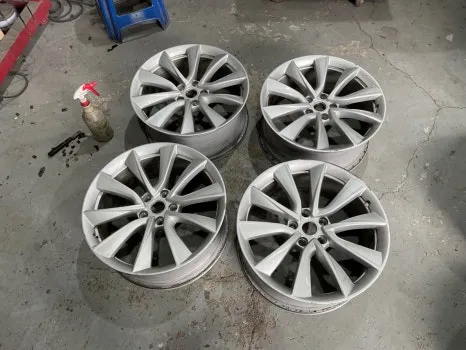
Wheel repair on Tesla Model 3: Full rim restoration with matte black powder coat. All 4 wheels perfected in 5-7 days including cure time.
Tesla Model 3 Wheel Repair: A Matte Black Transformation
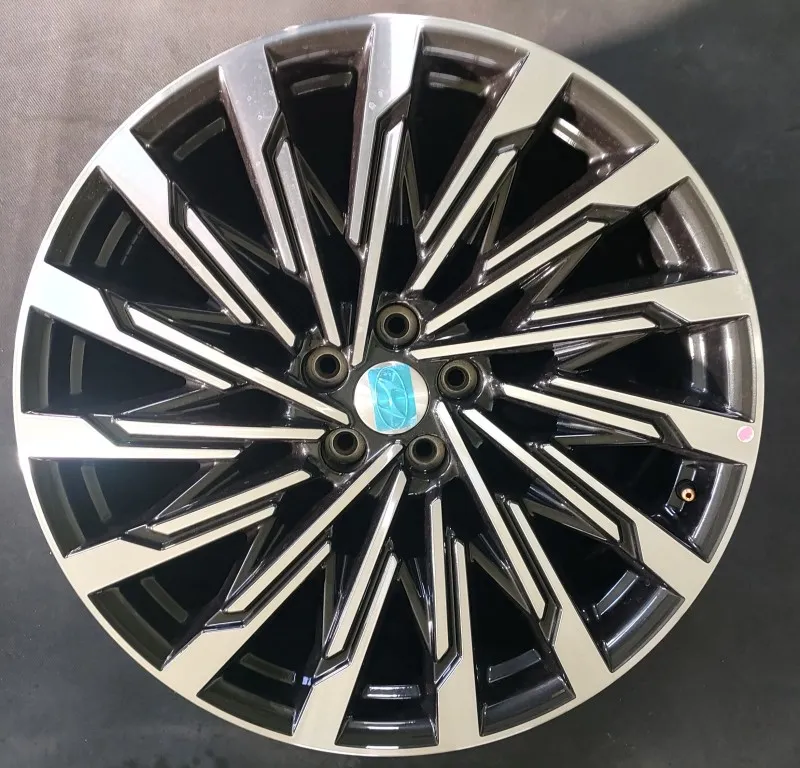
Driving a Tesla Model 3, especially in a city like Daegu, often means facing the inevitable wear and tear on your wheels. This particular Model 3 arrived with significant cosmetic damage across all four wheels, characterized by scratches and chipped paint. The owner's decision was clear: a complete restoration, not just a quick touch-up, opting for a sophisticated matte black powder coating finish. This article details why this choice was the optimal solution and walks you through the entire wheel repair process for this sleek electric vehicle.
Diagnosing and Preparing the Wheels for Restoration
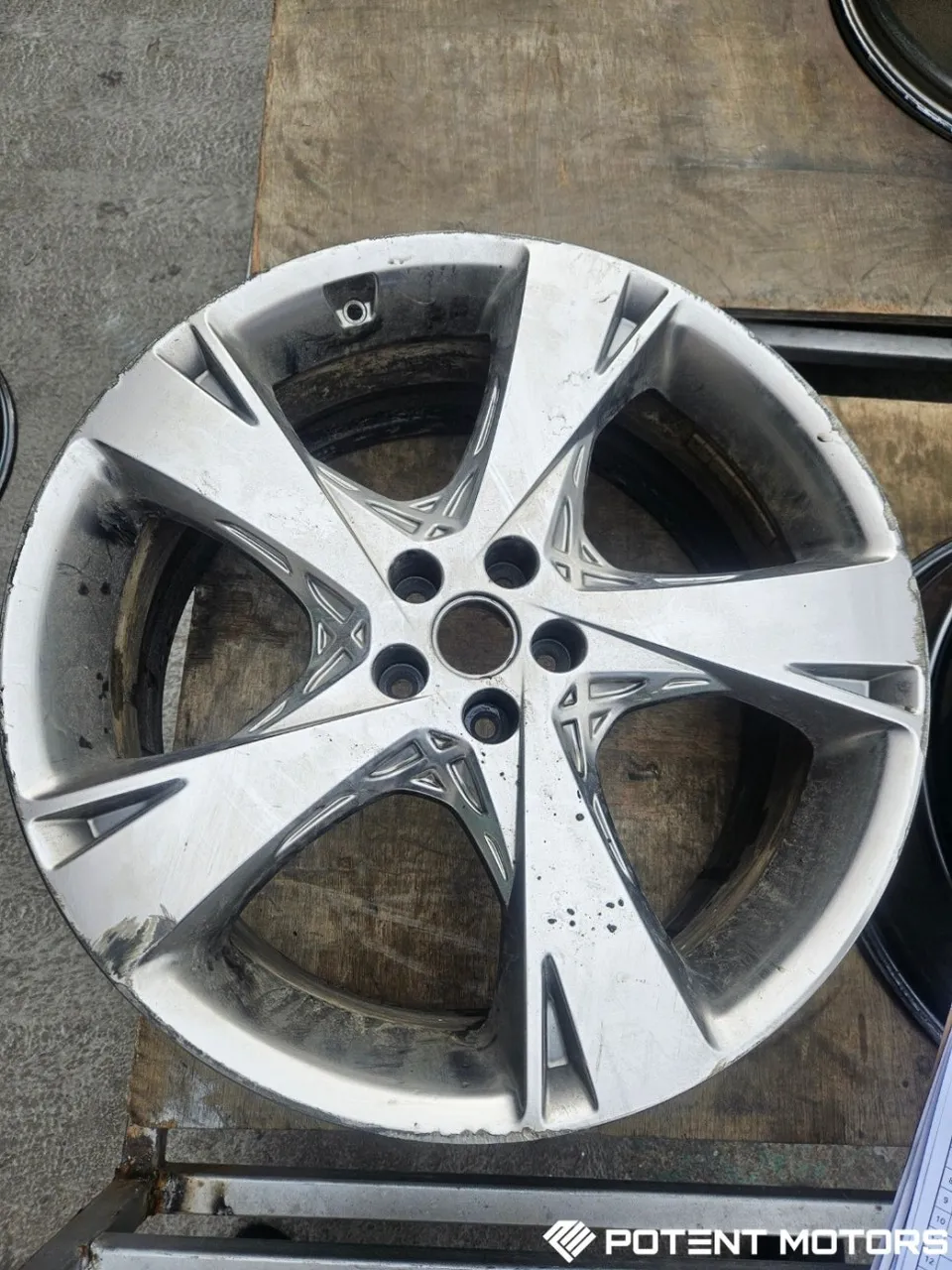
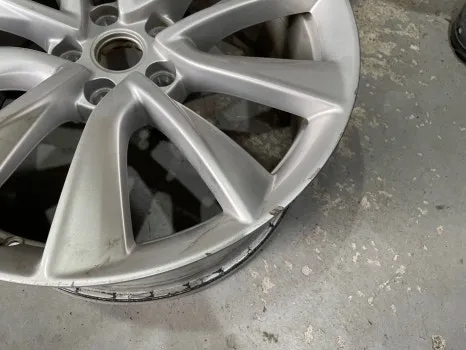
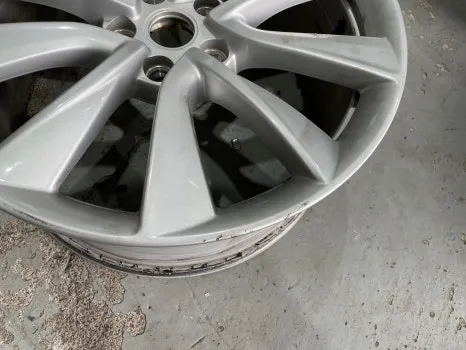
The journey to pristine wheels begins with a thorough inspection. After carefully removing the tires, each wheel is meticulously examined for any damage. In this case, all four wheels exhibited noticeable scratches and dings. The most critical part of this assessment is checking for any bends or cracks in the wheel rim. If structural damage like a bend is present, a welding process would be required, adding complexity and cost. Fortunately, this Model 3 only suffered from surface-level damage, making sanding and painting the appropriate course of action. Understanding the extent of the damage is crucial as it directly impacts the repair timeline and overall cost.
The preparation phase is paramount, accounting for a significant portion of the final result. The process starts with sanding, where the existing paint, oxidation, and minor imperfections are stripped away from both the inner and outer surfaces of the wheel. This isn't just about removing old paint; it's about creating a perfectly smooth canvas. Inadequate sanding can lead to poor adhesion of the new coating, resulting in peeling or bubbling over time. Our technicians meticulously balance the removal of damage with the preservation of the wheel's structural integrity. Given the widespread scratches on all four wheels of this Model 3, the sanding process took longer than usual. It's worth noting that wheels in better condition require less sanding, potentially reducing labor costs.
Following sanding, the wheels undergo blasting. This process uses fine abrasive media propelled by compressed air to further refine the surface. Blasting serves two key purposes: it eliminates any microscopic scratches left by the sanding process and creates a slightly textured surface. This texture significantly enhances the adhesion of the new paint. Any traces of rust are also completely removed during this stage, ensuring a clean, paint-ready surface.
The Superiority of Powder Coating for Wheel Repair
After blasting, the wheels are thoroughly cleaned and degreased to prepare them for the coating application. For this Tesla Model 3, we employed powder coating, a method distinct from traditional liquid painting. Powder coating involves applying a dry powder electrostatically to the wheel, which is then cured in a high-temperature oven (180-200°C). This process fuses the powder into a durable, uniform finish.
Why is powder coating the superior choice for wheel repair, especially for a high-performance vehicle like the Model 3?
- Exceptional Durability: Powder coating offers significantly greater resistance to chipping, scratching, and fading compared to liquid paint – often lasting up to three times longer. This makes it ideal for withstanding the rigors of daily driving, including impacts from road debris and accidental curb scrapes.
- Enhanced Aesthetics: The process results in a smooth, consistent finish that can be achieved in a wide array of colors and sheens, including the matte black chosen for this Tesla.
- Corrosion Resistance: The cured powder coating forms a robust barrier against moisture and road salt, greatly reducing the risk of corrosion and rust.
- Environmental Benefits: Unlike solvent-based liquid paints, powder coating contains no volatile organic compounds (VOCs), making it an environmentally friendlier option.
The curing process in the oven ensures the powder coating bonds molecularly with the wheel surface, creating a finish that is not only beautiful but incredibly resilient. The final result for this Tesla Model 3 is a set of wheels that look brand new, boasting a sleek matte black finish that perfectly complements the car's modern aesthetic, while providing long-lasting protection against the elements and daily wear.
Frequently Asked Questions
Q. How much does wheel repair cost for a Tesla Model 3?
This Daegu shop completed full restoration on all 4 wheels with matte black powder coating for approximately ₩800,000–1,200,000 KRW ($600–900 USD). US pricing typically ranges $400–700 per wheel for curb rash repair and repainting, depending on damage severity and coating type.
Q. Can curb rash be fully repaired on Tesla Model 3 wheels?
Yes, surface curb rash and scratches can be completely restored through sanding, filling, and professional powder coating as shown in this case. The restored finish lasts 3–5 years with regular washing; avoid harsh chemicals and inspect for new damage seasonally.
Q. Is wheel repair or replacement cheaper for a Tesla Model 3?
Repair is significantly cheaper—typically 40–60% less than replacement wheels, especially when only cosmetic damage is present. Model 3 owners benefit most from restoration when wheels are structurally sound but cosmetically damaged from city driving or curb contact.
Q. What is the difference between touch-up and full wheel restoration?
Touch-up only masks surface scratches and won't hide all damage, while full restoration involves sanding the entire rim, addressing structural issues, and applying uniform powder coating for a factory-new appearance. This case demonstrates why full restoration delivers better longevity and visual results on luxury vehicles like the Model 3.
Q. How long does Tesla Model 3 wheel restoration take?
Complete restoration typically requires 5–7 days including cure time, as shown in this case. The process involves tire removal, sanding, surface preparation, powder coating application, clear coat protection, and proper curing before reassembly.
Today's Car