Tesla Model 3 Window Tinting Review: Royal 101 Film
Service Price
$150+
Estimated price · Actual price may vary by shop

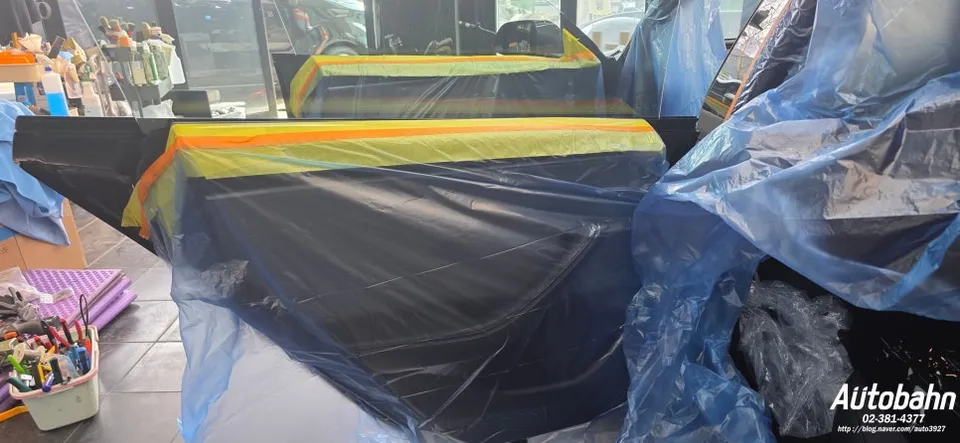
Tesla Model 3 window tinting with Royal 101 film: Full coverage front, rear, sides. Enhanced comfort and UV protection.
Tesla Model 3: Why Choose Royal Series Window Film?
This is a review of a full window tinting service for the Tesla Model 3, specifically using the Royal 101 series film. We'll examine the transformation of the vehicle after tinting the front, rear, and side windows. Beyond aesthetics, window tinting is crucial for heat and UV protection, especially for new vehicles or when existing film is damaged.
Vehicle: Tesla Model 3
Service: Royal Series 101 Full Window Tinting
Coverage: Front (35%), Rear (100% heat line), Sides (15%)
Installation Method: Heat forming + manual cutting + shrinking
Location: Today's Car Goyang Branch
Time: Approximately 5-6 hours (including cleaning and minor disassembly)
Model 3 Window Tinting: What's the Right Approach?
Vehicles like the Tesla Model 3, with their expansive front windshields, differ significantly from standard sedans. The large glass area allows considerable sunlight penetration, leading to rapid interior temperature increases during summer. This naturally raises the question: "Is window tinting truly necessary?"
The answer is a resounding yes. For the Model 3, where the instrument cluster is centrally located, direct sunlight can even impact the battery cooling system. A 35% tint on the front windshield effectively balances driver visibility with substantial UV and heat rejection.
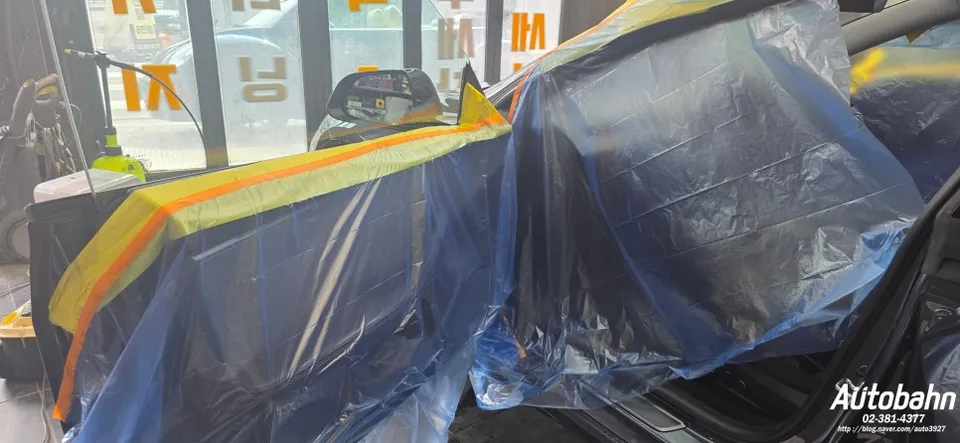
The "Sticky" Nature of Royal Series Film
The Royal 101 film used in this installation is a premium window film. Its high degree of "plasticity" (flexibility) makes it more challenging to install than standard films. This means the film stretches well and holds its shape, allowing for excellent contouring to complex curves.
While this flexibility is beneficial for a seamless fit, it also increases the risk of wrinkles or air bubbles during installation. Therefore, heat forming – using a heat gun to shape the film to the glass's curvature – is a critical step. Precise temperature control is essential, especially with high-quality films like the Royal series, to prevent overheating while ensuring proper molding.
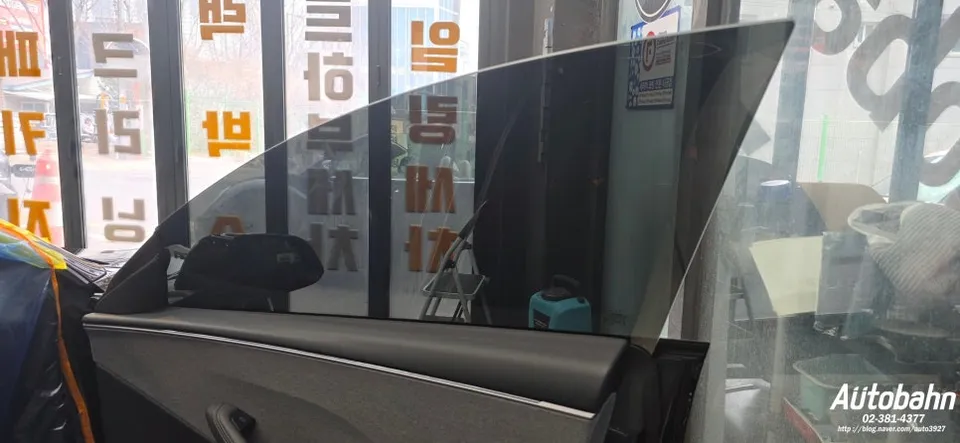
Front Windshield 35% Installation: From Protection to Precision Cutting
The installation process for the Model 3's front windshield can be broken down into four key stages:
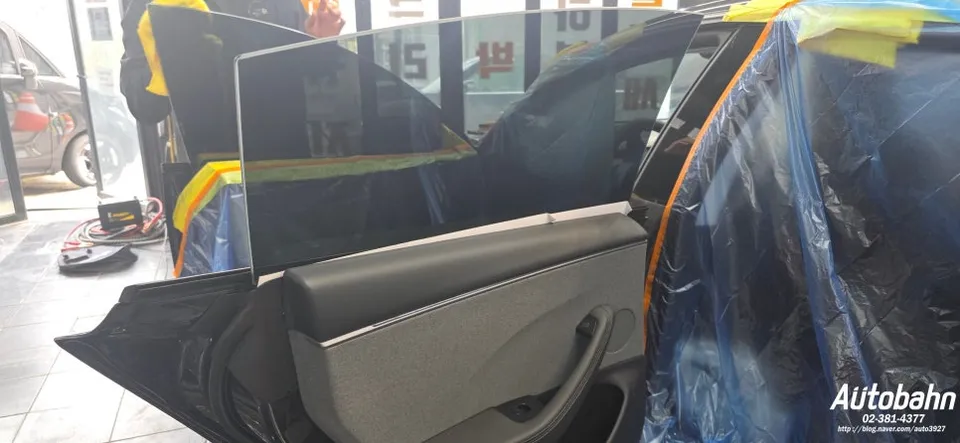
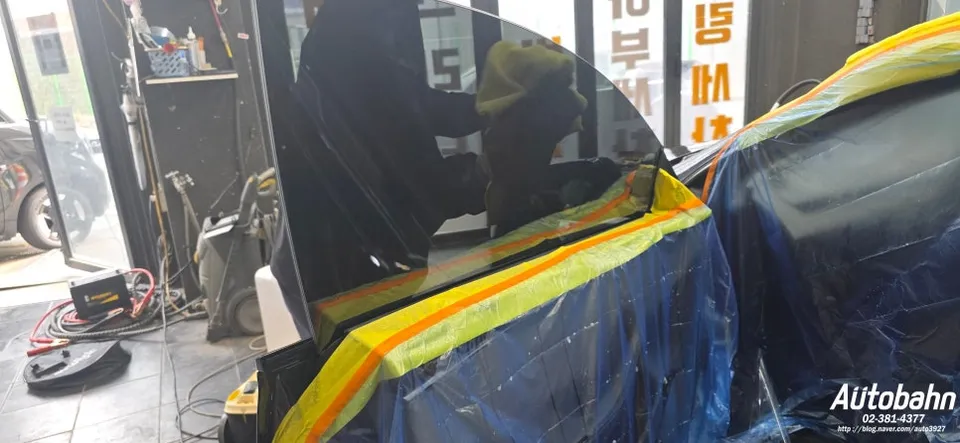
1. Protective Measures: The vehicle is meticulously masked with tape and covered with protective sheeting. Given the Tesla's numerous sensors and cameras, preventing water ingress is paramount. The tint is typically applied to the side windows first, then the front.
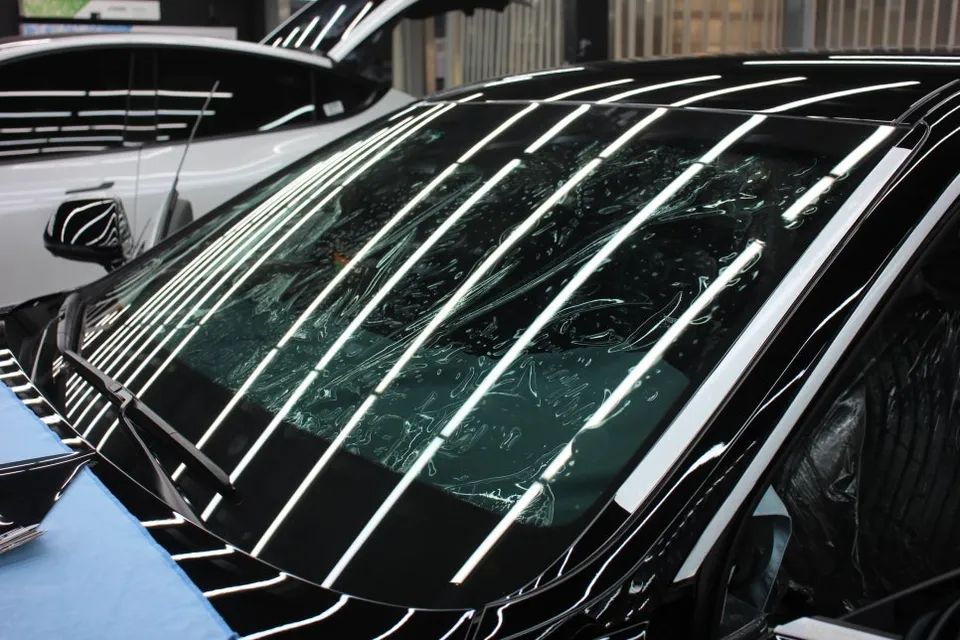
2. Heat Forming (Thermoforming): The window film is heated with a heat gun to make it pliable and conform to the glass's shape. High-quality films like Royal 101 require careful heat application to achieve the desired form without damage.
3. Manual Cutting: After forming, the edges of the film are precisely trimmed. While pre-cut templates are common, complex curves on the Model 3 often necessitate on-site adjustments with a cutting tool. This step significantly impacts the final finish.
4. Application: The glass is thoroughly cleaned with a slip solution, and the film is carefully applied. Air and water are squeegeed out from the inside towards the outside to ensure a smooth, bubble-free finish.
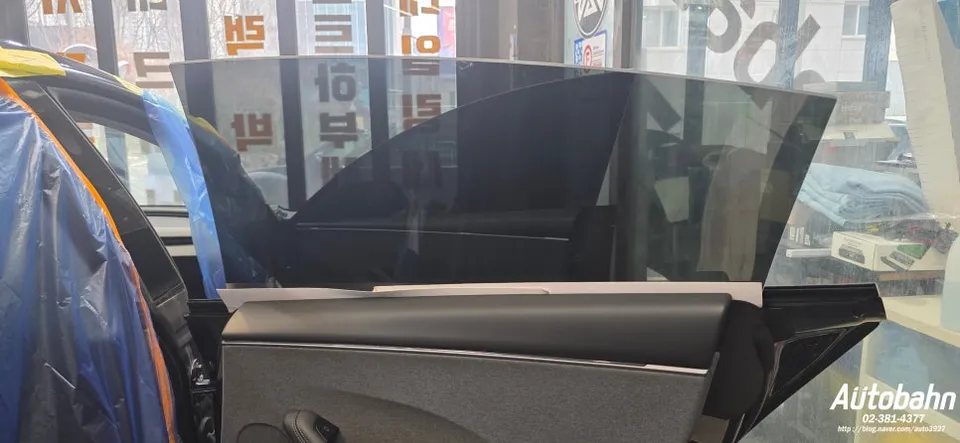
Rear Window Heat Line Tinting: A Delicate Process
The Tesla Model 3's rear windshield features densely packed heating elements. This presents a significant challenge for "heat line tinting," requiring advanced skill to apply the film without damaging the defroster lines.
The installation process for the rear window involves:
1. Preparation: The rear window is cleaned, and the film is prepared using heat forming techniques to match the glass's curvature. Special care is taken around the heat lines.
2. Application: The film is applied to the interior of the rear glass, meticulously working around the heat lines to avoid snagging or lifting. Squeegeeing is done carefully to remove moisture without disturbing the delicate elements.
3. Finishing: Edges are trimmed for a clean fit, and the tint is allowed to cure. The goal is a seamless look that preserves the functionality of the rear defroster.
Final Results and Considerations
The completed window tinting on this Tesla Model 3 significantly enhances its appearance while providing crucial protection. The 35% front tint offers a clear view for the driver, while the 15% side tints provide privacy and further heat reduction. The rear window's full coverage ensures maximum thermal comfort. The Royal 101 film's high performance means reduced glare, less heat entering the cabin, and protection from harmful UV rays, making the driving experience more comfortable year-round.
Frequently Asked Questions
Q. How much does window tinting cost for a Tesla Model 3?
This specific Royal 101 full tint package cost approximately ₩700,000 KRW. In the US, professional full window tinting for a Tesla Model 3 typically ranges from $400 to $800 USD, depending on the film quality and installer.
Q. What tint percentage is legal for a Tesla Model 3?
Legal tint percentages vary by state in the US; however, a common recommendation for front windshields is 35% to maintain visibility while blocking heat. Always check your local regulations. Proper installation ensures the tint adheres well, and regular cleaning with a soft cloth and mild soap will maintain its clarity and longevity.
Q. Is ceramic tint worth the extra cost for a Tesla Model 3?
Ceramic tint is highly recommended for Tesla Model 3 owners seeking maximum heat rejection and UV protection without compromising visibility. Its advanced technology offers superior performance compared to traditional dyed or metallic films, justifying the higher cost for enhanced comfort and interior protection.
Q. How is window tint installed on a Tesla Model 3?
Installation involves meticulous surface preparation, including thorough cleaning of the glass. The window film is then precisely cut, often using heat forming to match the glass's curvature. Finally, the film is applied using a slip solution, and excess water and air are squeegeed out before the tint cures.
Q. What is the difference between ceramic and dyed window tint for a Tesla Model 3?
Ceramic tint uses non-conductive ceramic particles to block heat and UV rays, offering superior performance and durability without interfering with electronics. Dyed tint uses coloring agents that can fade over time and offer less heat rejection. Ceramic tint is the premium choice for advanced protection and longevity.
OhCar Partner Shop
More window tinting Reviews
See all →

More Tesla Reviews



Pair with Another Service
Protect paint while you're at the shop