Tesla Model S PPF Review — Flawless Paint Protection Achieved
Service Price
$150+
Estimated price · Actual price may vary by shop

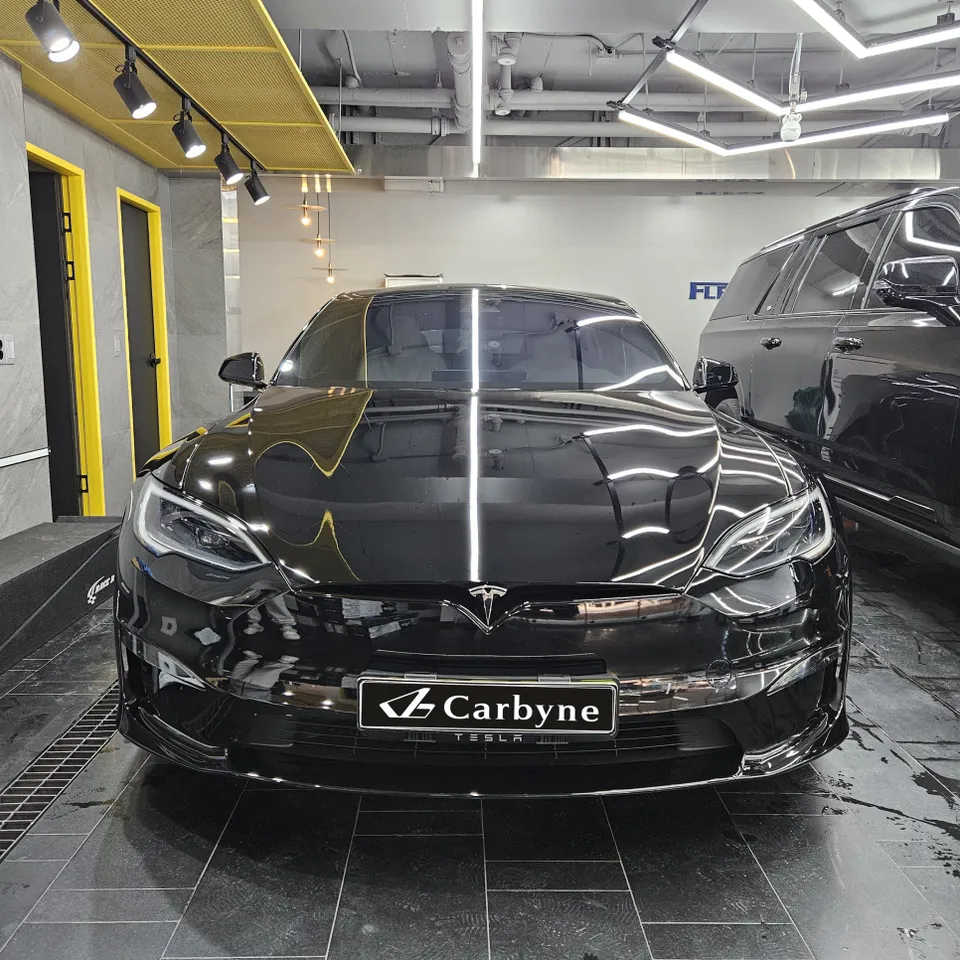
Why Choose PPF for Your New Tesla Model S?
For owners of a brand-new Tesla Model S, especially in a striking black finish, the desire to maintain that pristine factory look is paramount. Electric vehicles often boast incredibly smooth paintwork, but this smoothness also means that even the slightest micro-scratches become glaringly obvious. To avoid the frustration of seeing imperfections appear almost immediately, opting for paint protection film (PPF) right from the start is the most logical solution. This review follows the comprehensive PPF installation process for a Tesla Model S at the Hwaseong branch of Today's Car.
For black cars, PPF is no longer just an option; it's practically a necessity. Unlike lighter-colored vehicles, minor scratches are far more visible on darker paint. Maintaining the original flawless finish becomes a significant challenge, even with meticulous care. However, a full PPF application changes the game entirely. High-quality PPF often features self-healing properties, meaning minor abrasions can naturally disappear, keeping your car looking newer for longer.
Thorough Preparation: The Foundation of a Flawless PPF Installation
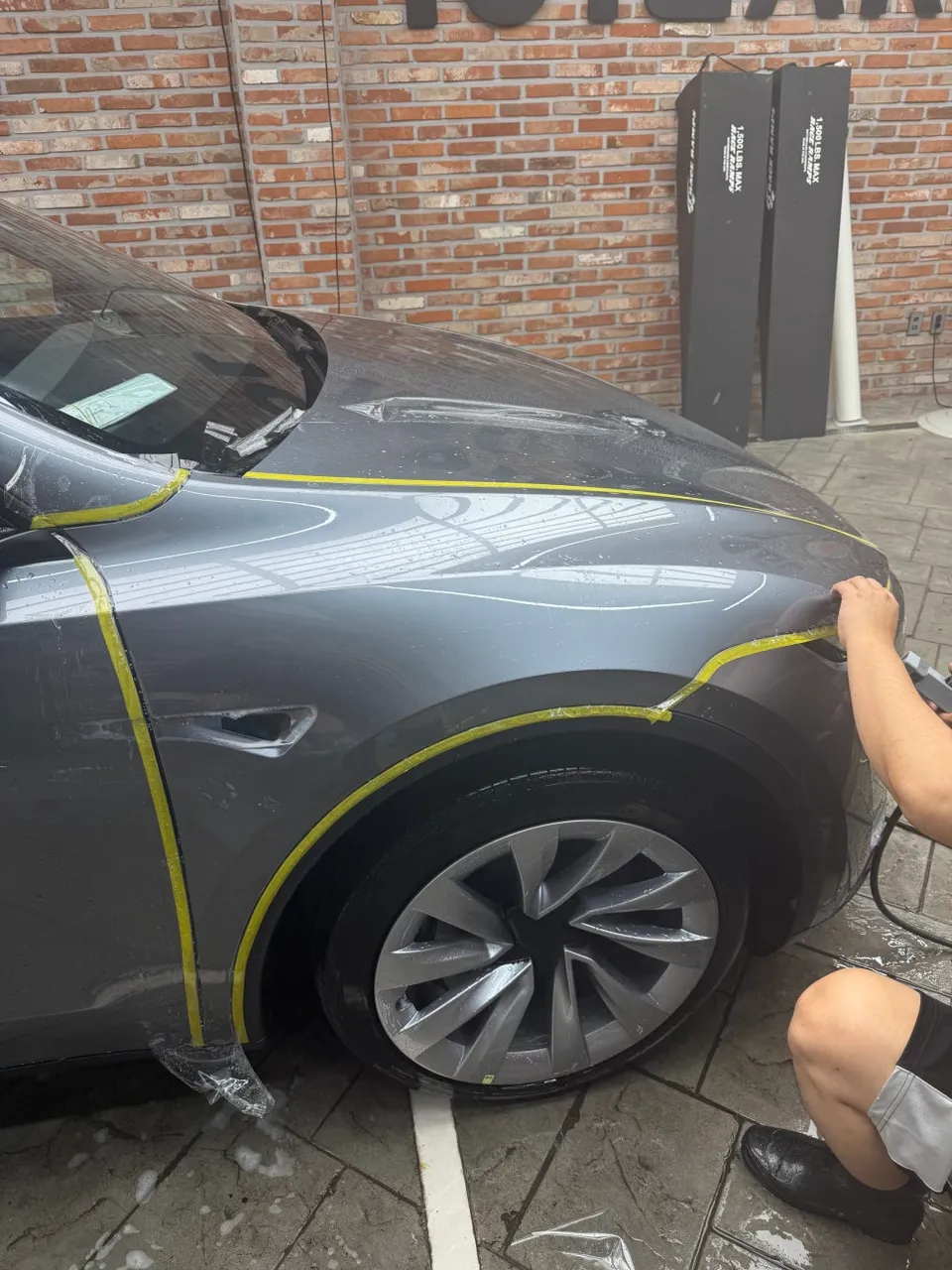
The success of any high-quality installation hinges on meticulous preparation. At Today's Car Hwaseong, the process begins with a detailed cleaning and degreasing of the entire vehicle. This step is crucial; any remaining contaminants, even microscopic dust particles invisible to the naked eye, can prevent the film from adhering properly, leading to lifting or bubbling later on. Every speck of dirt is addressed with precision.
Installation Process:
- Deep Cleaning: The vehicle undergoes a thorough wash to remove all surface dirt, grime, and contaminants.
- Degreasing: A specialized degreasing solution is applied to ensure the paint surface is perfectly clean and free of any oils or residues that could compromise adhesion.
- Inspection: The paintwork is carefully inspected for any existing imperfections that might be exacerbated by the film application.
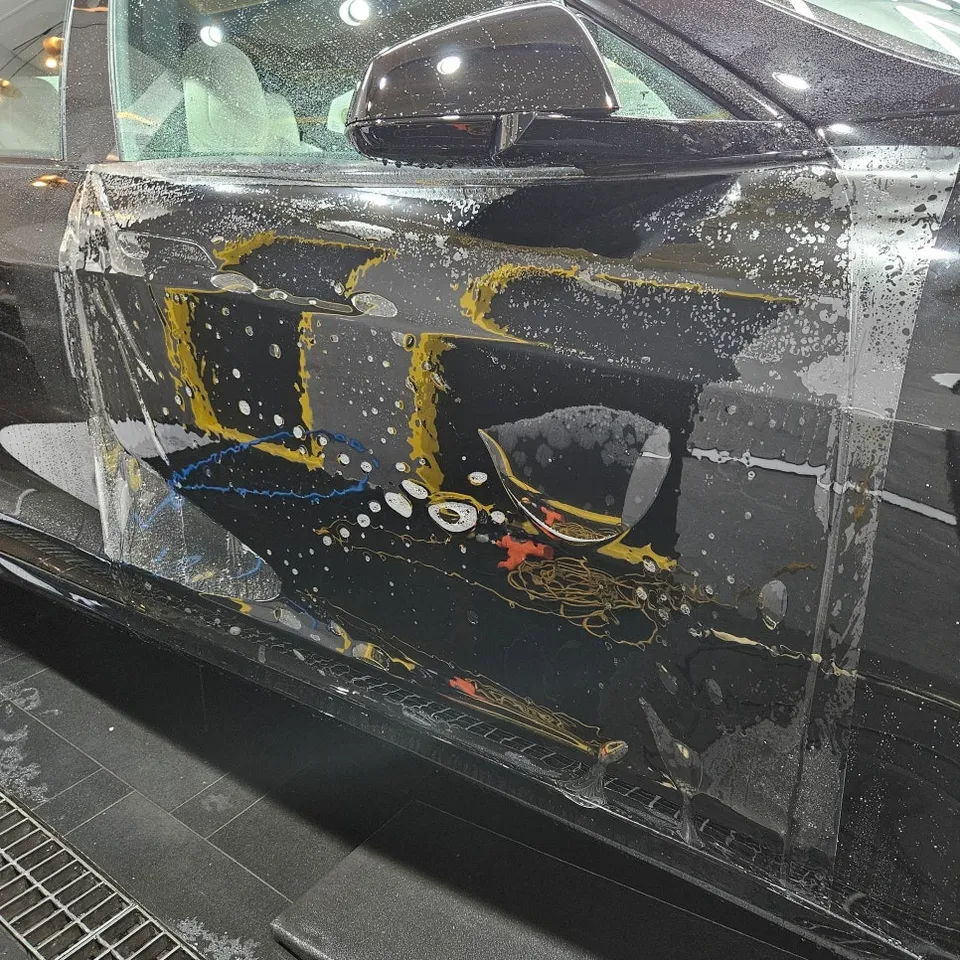
- Film Application: Precision-cut PPF panels are carefully applied to each section of the car, using a slip solution to allow for adjustments and minimize air bubbles.
- Finishing Touches: Edges are meticulously tucked and sealed, and any excess solution is removed to ensure a seamless, integrated look.
The installation typically begins with the hood (bonnet), often considered the "face" of the car. Given its large surface area, the hood is particularly susceptible to dust and debris during application. The technicians use a carefully balanced mixture of soapy water and pure water to ensure the film lays flat without lifting. This is why even if a full PPF isn't chosen, applying it at least to the hood is highly recommended.
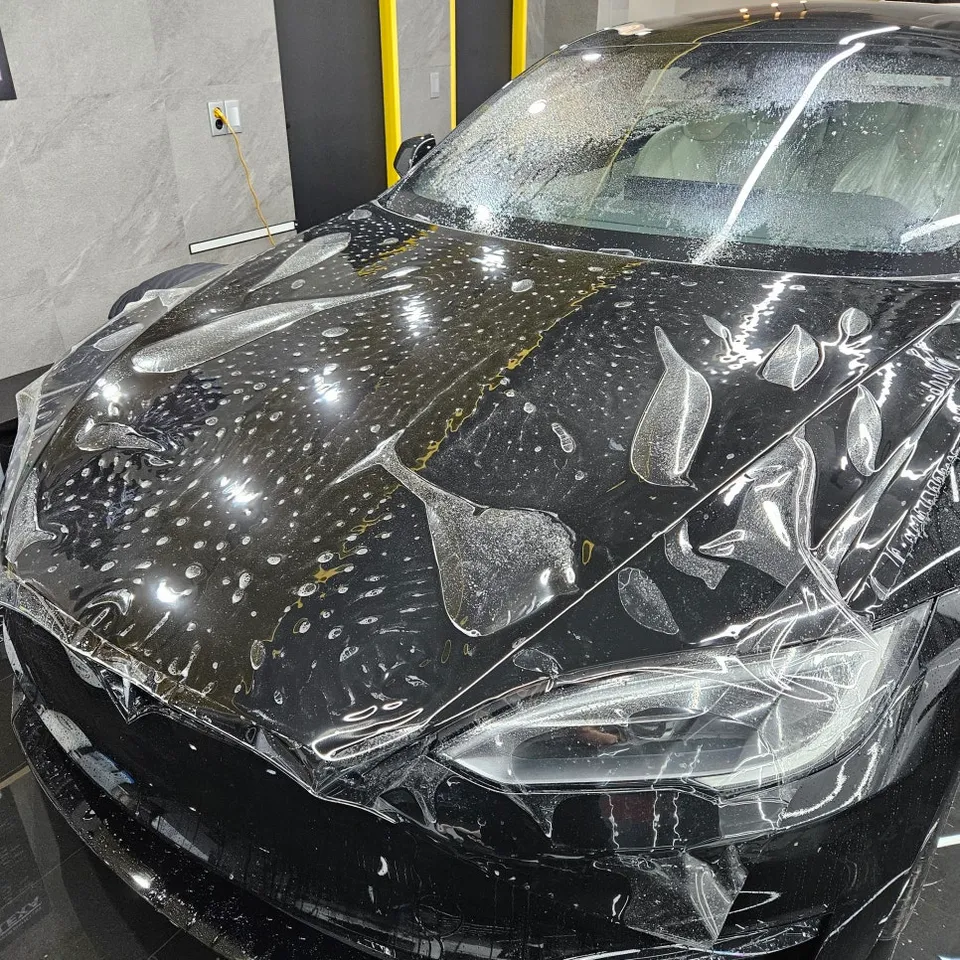
Mastering Complex Curves: Where Skill Meets Technology
The most challenging areas for PPF installation are consistent across all vehicles: the intricate curves, sharp edges, and complex contours. Applying the film requires a delicate balance of tension – stretching the film just enough to conform to the shape without causing future shrinkage or distortion. This level of precision is only achievable through extensive experience and refined techniques.
The skilled technicians at Today's Car Hwaseong leverage their vast experience to create a smooth, durable finish. They meticulously handle these difficult areas, ensuring the film lays perfectly without stress points. Notably, PPF on the doors offers a degree of protection against minor door dings, a feature that many owners, particularly those concerned about parking lot mishaps, specifically inquire about.
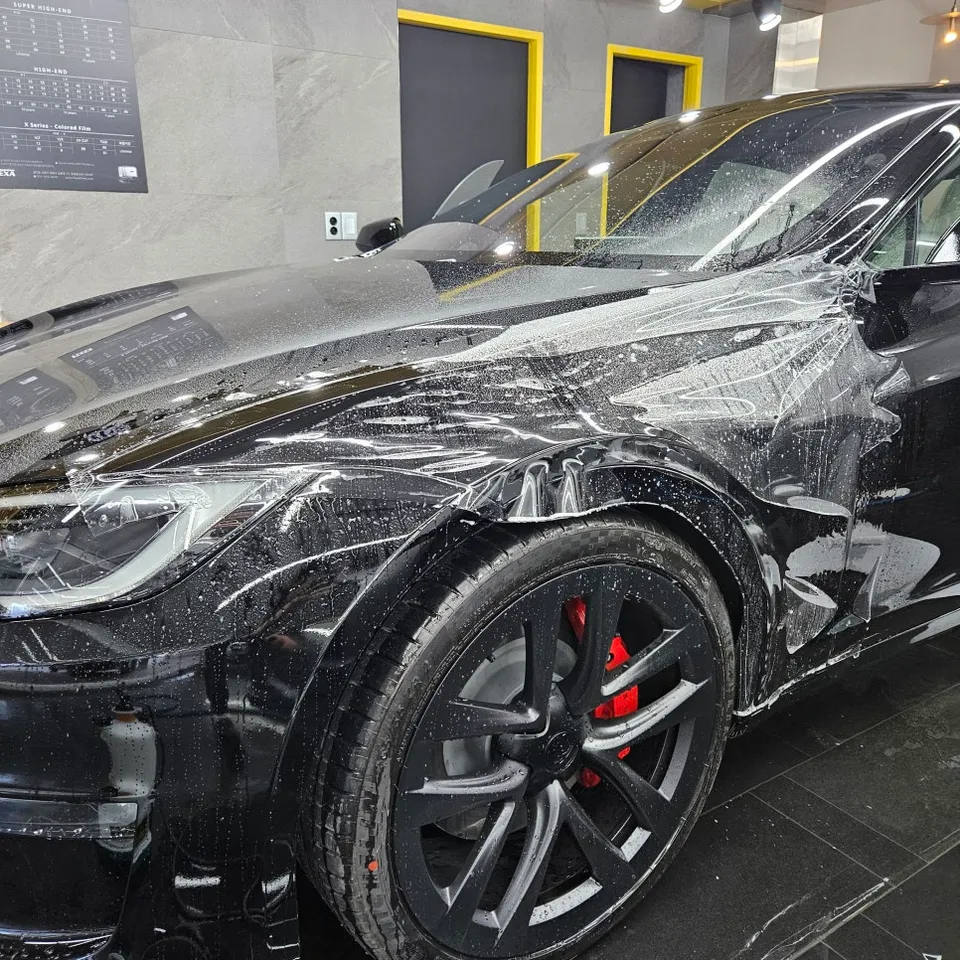
Tailored for Electric Vehicles: Precision and Consideration
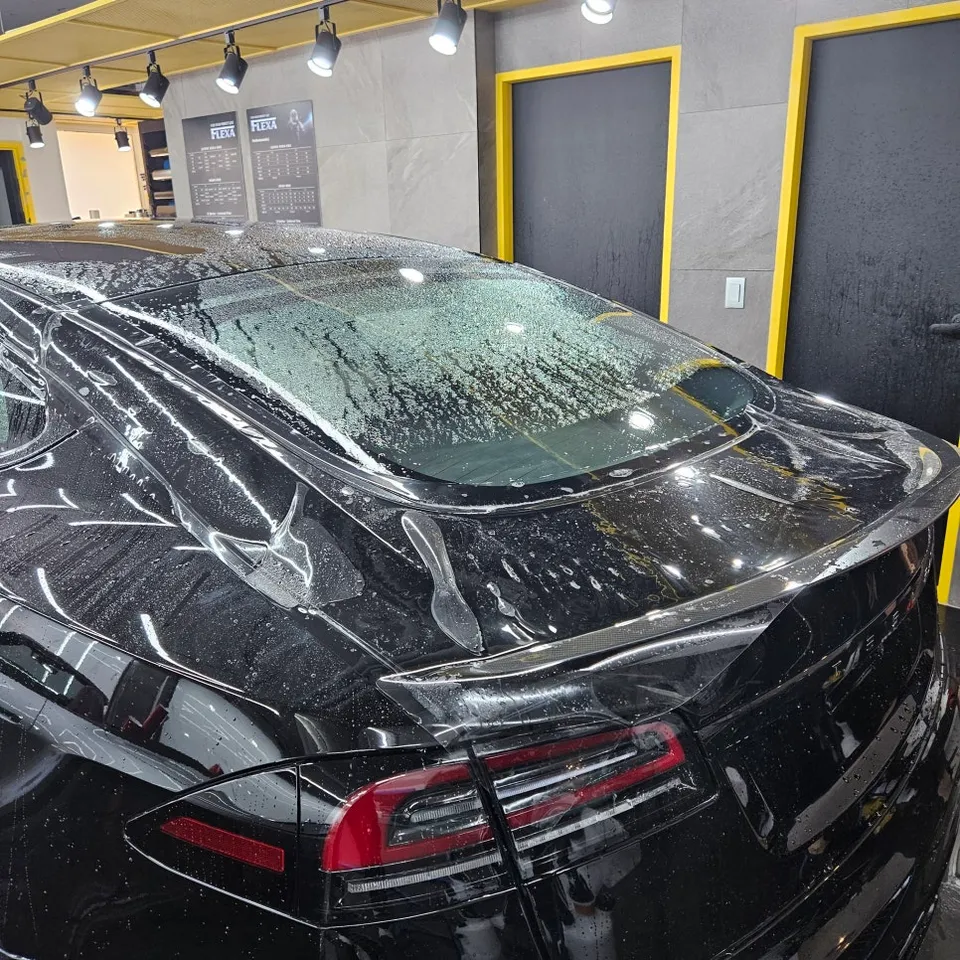
After completing the roof and trunk, the final step involves precisely reattaching any emblems to their original positions. The installation philosophy emphasizes minimizing unnecessary disassembly. Removing and reattaching components can sometimes introduce new issues, such as rattles or vibrations, which are best avoided. However, the shop accommodates customer requests, offering both removal and non-removal methods based on the vehicle's condition and the owner's preference, ensuring the optimal approach is chosen during the consultation.
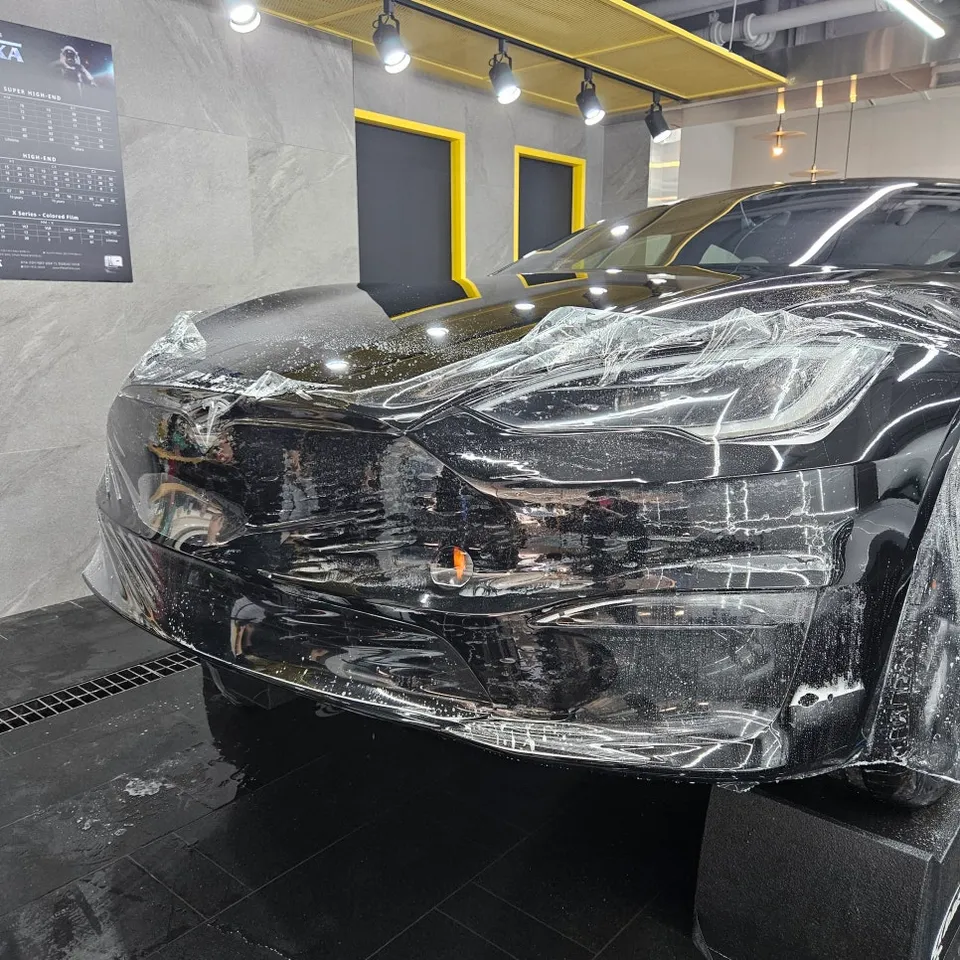
The Finished Tesla Model S: A Noticeable Difference in Shine
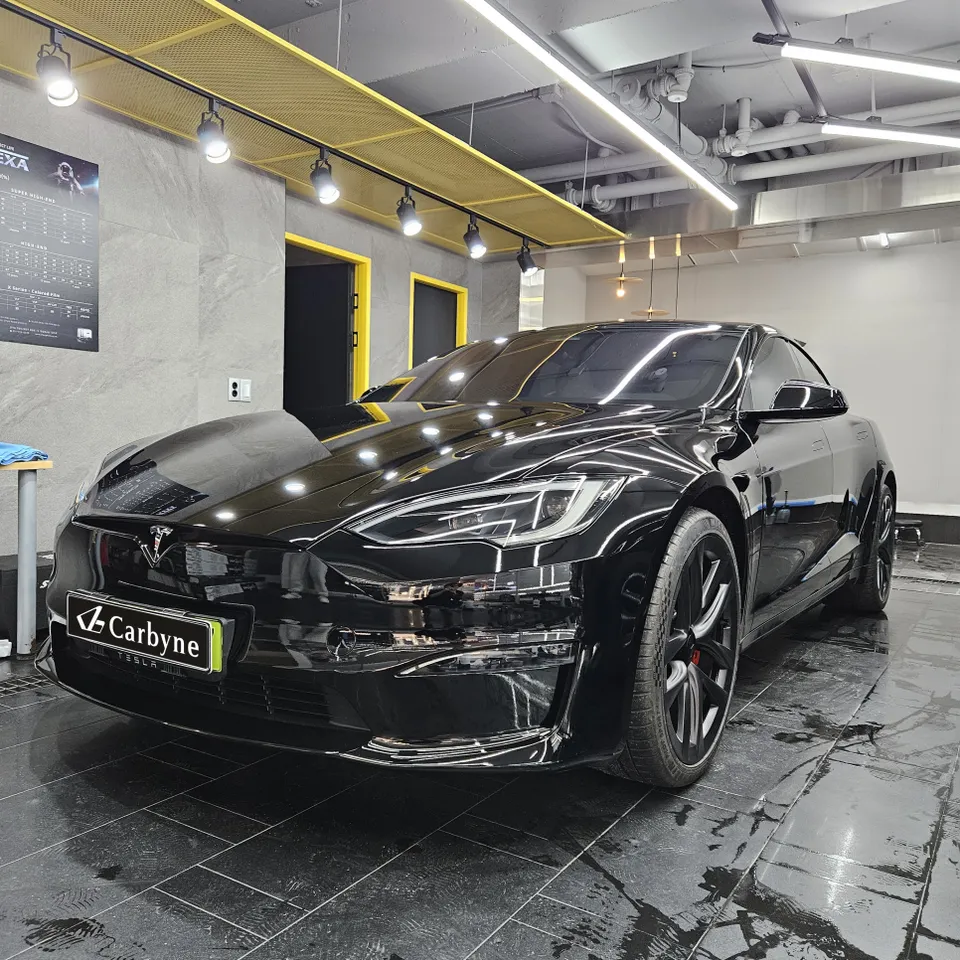
With the full PPF application complete, the Tesla Model S boasts a visibly enhanced finish. While the clear film doesn't drastically alter the car's appearance, a closer inspection reveals a superior level of gloss and depth. The tactile feel of the film is smooth and refined. The owner was exceptionally pleased with the results, driving away with confidence in their vehicle's protection.
PPF Longevity and Care: Maximizing Your Investment
The lifespan of PPF varies depending on maintenance, but most high-quality films are warranted for a minimum of 3 to 5 years. Installation time can range from 2 to 4 days for sedans like the Model S, and potentially 3 to 4 days for larger SUVs, depending on the complexity and the number of installers. Post-installation care is straightforward; regular car washing is sufficient. Investing in premium PPF generally ensures longer durability and better performance, whereas cheaper alternatives might be prone to issues like paint peeling. A slightly higher initial investment often translates to greater long-term satisfaction.
Understanding PPF Installation Costs
For a mid-size vehicle such as the Tesla Model S, a full PPF installation typically ranges from approximately 1,600,000 to 2,500,000 Korean won, depending on the specific film chosen and the complexity of the vehicle's design.
Today's Car
More ppf Reviews
See all →


More Tesla Reviews


Pair with Another Service
Complete your new car protection package