Toyota Alphard PPF Review — Rock Chip Protection
Service Price
$150+
Estimated price · Actual price may vary by shop
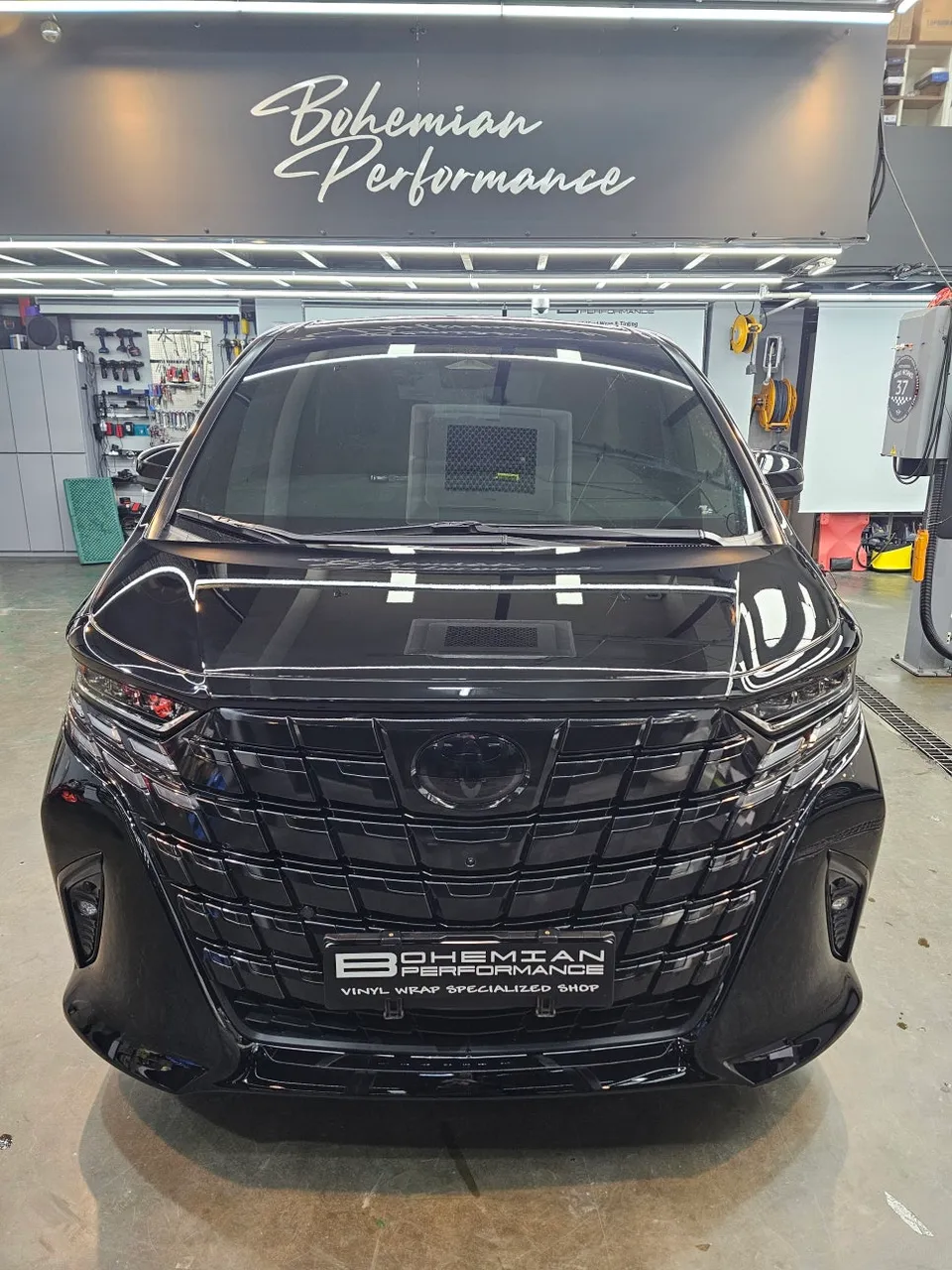
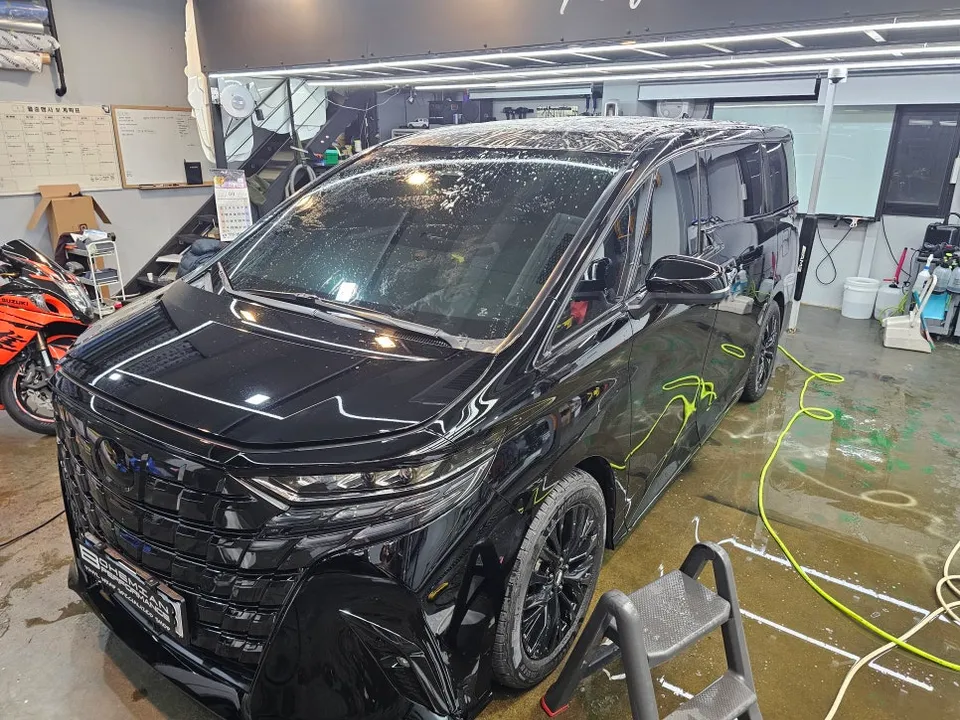
Toyota Alphard PPF installation: Approx. $1,100 USD. Provides excellent rock chip protection and maintains gloss.
Protecting Your Toyota Alphard with Paint Protection Film (PPF)
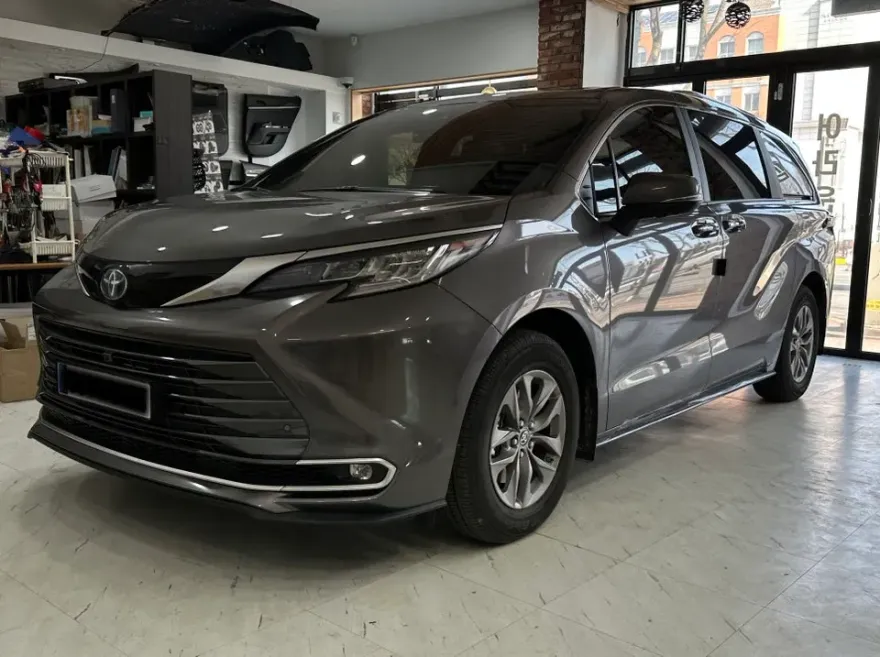
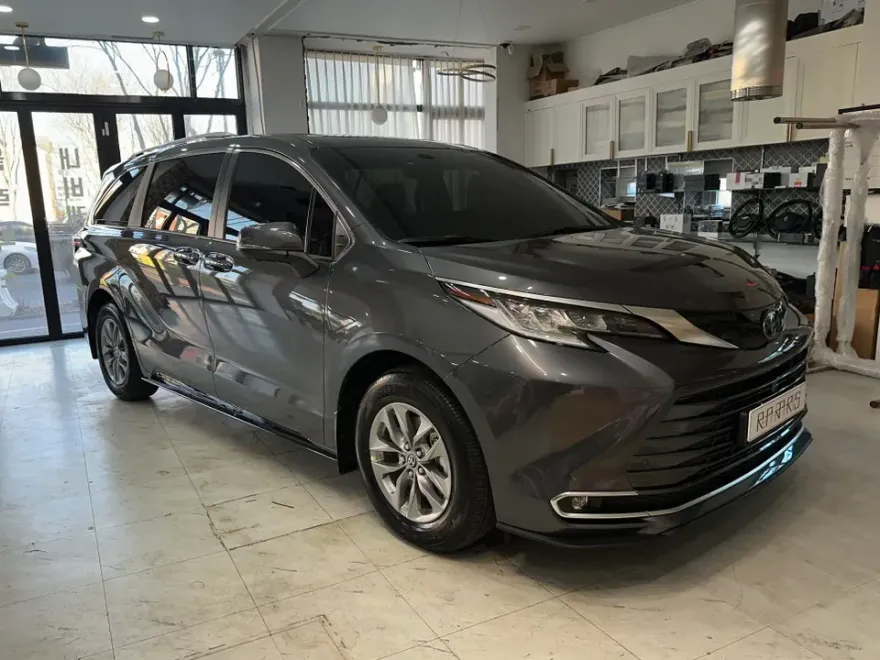
The Toyota Alphard, a popular choice for families, demands meticulous care to maintain its pristine condition. High-value vehicles are particularly susceptible to minor scratches and damage, making protective measures essential. This review delves into a comprehensive Paint Protection Film (PPF) application on a Toyota Alphard, covering the installation process, the benefits of both exterior and interior film application, and its overall value. PPF, often referred to as a clear bra, acts as a robust shield against road debris, scratches, and environmental contaminants, preserving the vehicle's paintwork and enhancing its aesthetic appeal.
The Importance of PPF for the Toyota Alphard
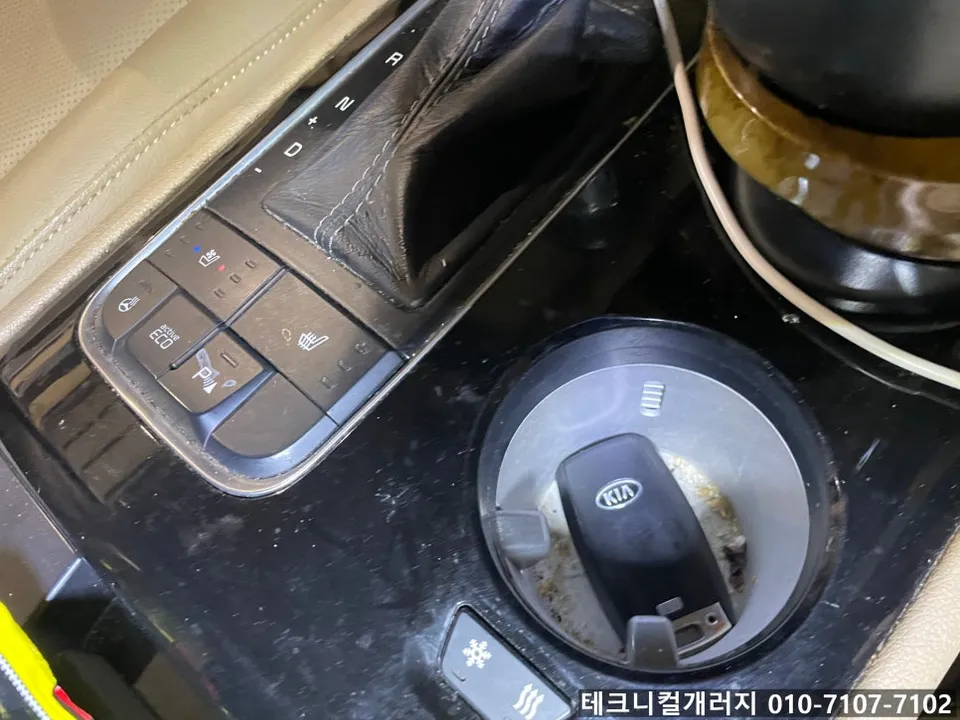
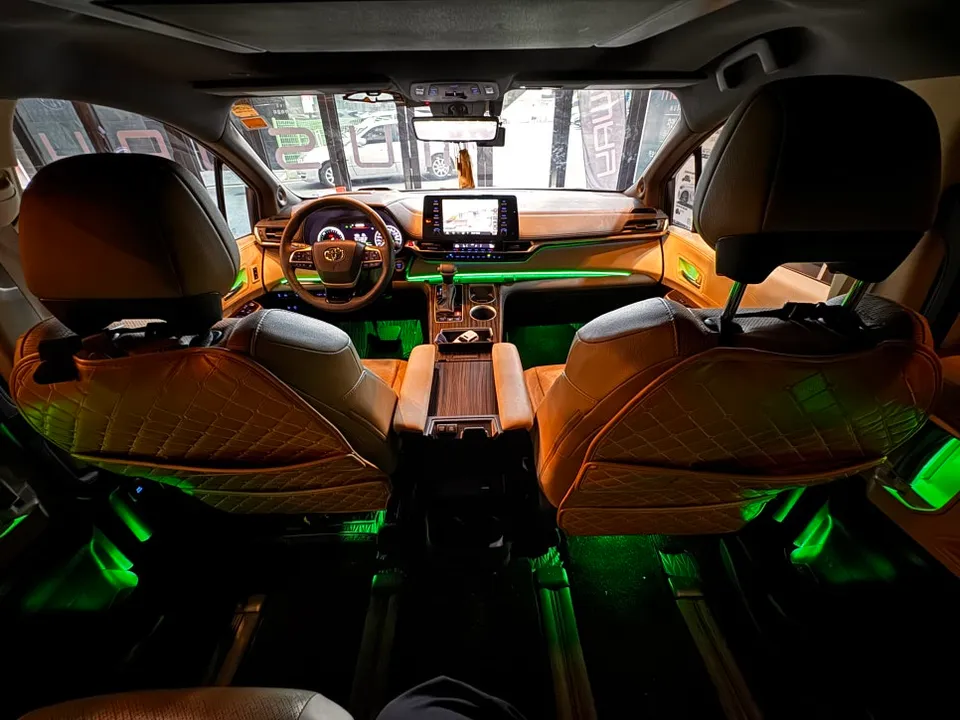
The Toyota Alphard's spacious interior and comfortable ride make it a favorite for family outings. However, its substantial size also increases its exposure to external damage. PPF installation offers a superior solution for safeguarding the vehicle's paint. By covering the entire exterior, PPF effectively absorbs impacts from stones and other road hazards, preventing chips and scratches. It also helps maintain the vehicle's original gloss and finish. Beyond the exterior, PPF is highly beneficial for interior components, especially high-gloss surfaces that are prone to scratches from frequent touch and use, such as the center console and door trims.
Detailed PPF Installation Process in Ansan
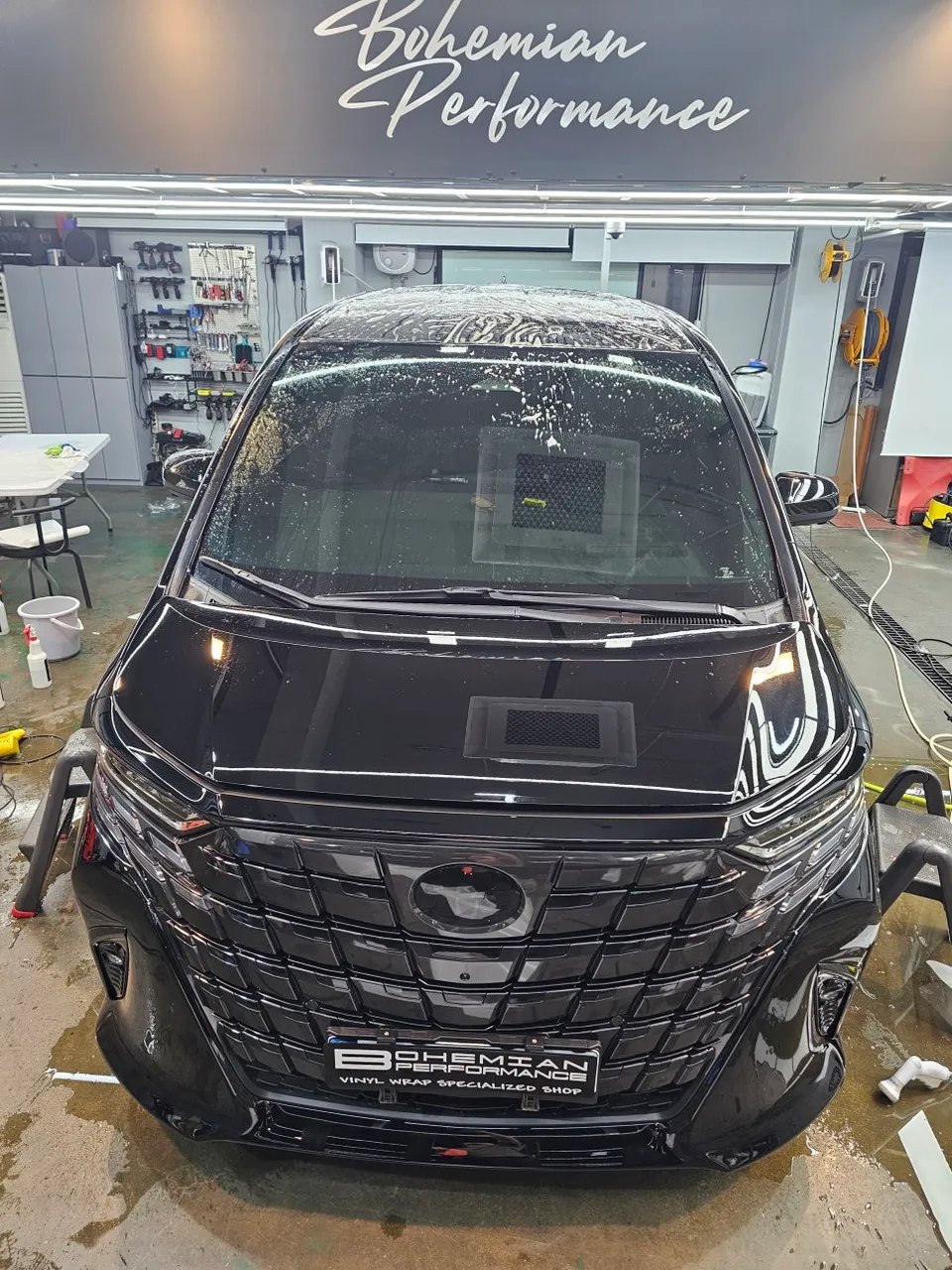
The installation of PPF requires precision and a dust-free environment. In Ansan, a Toyota Alphard underwent a full exterior and interior PPF application. The process begins with an exhaustive cleaning of the vehicle's surface, ensuring every crevice is free from dirt and debris. This meticulous preparation is crucial to prevent trapped particles from compromising the film's adhesion and appearance. Think of it as a 'war against dust.'
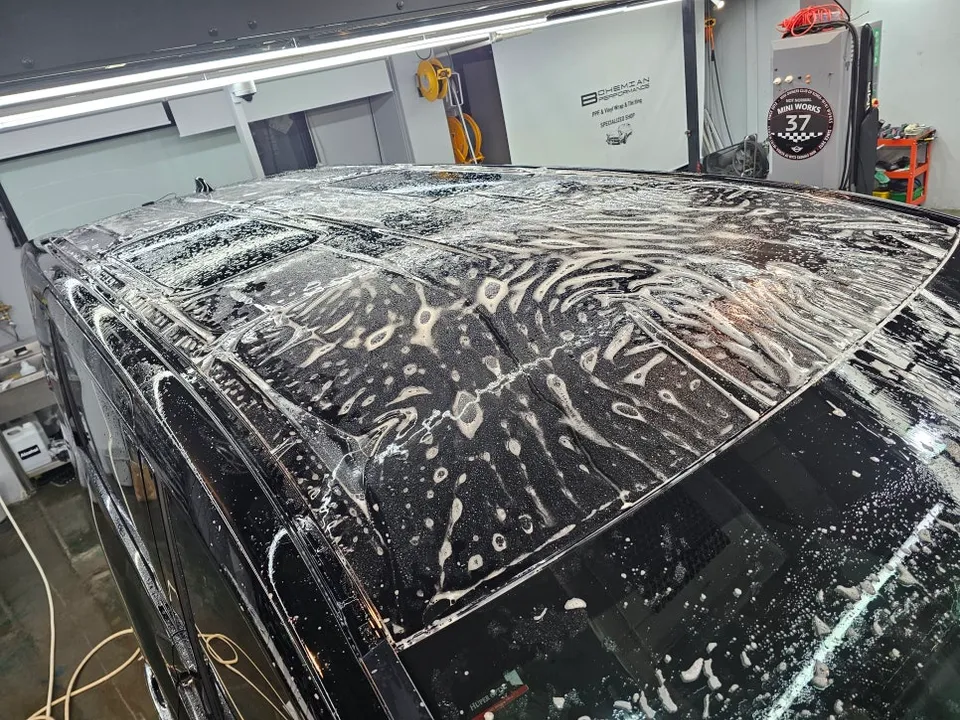
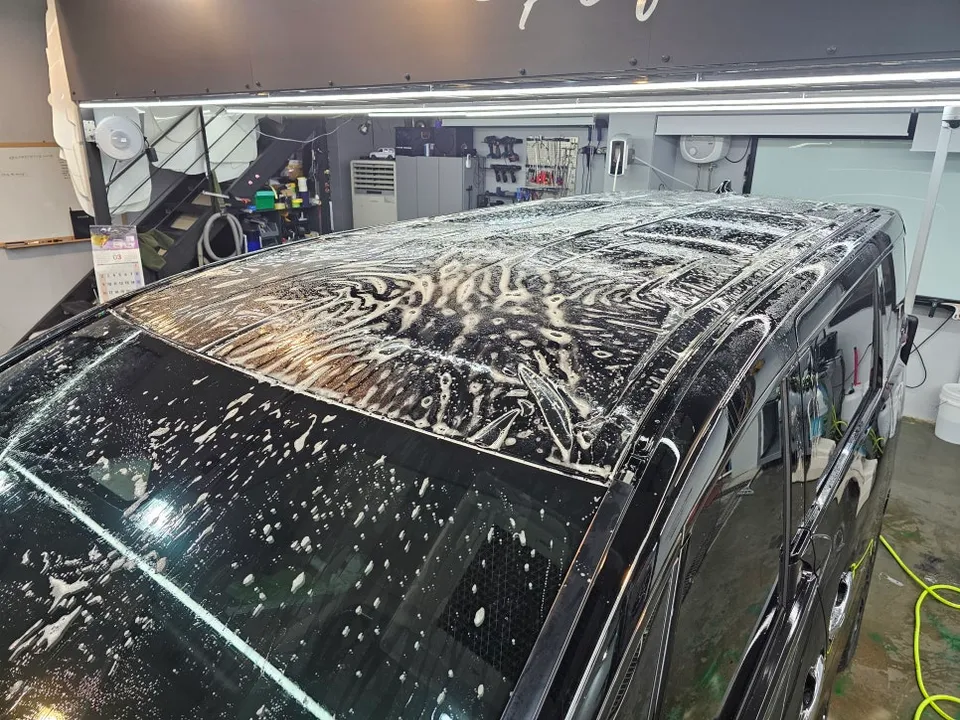
Installation commences with the larger panels, starting from the roof. Skilled technicians use specialized squeegees to smoothly apply the film, eliminating any air bubbles and ensuring a flawless, seamless finish. The hood is another critical area requiring careful application. PPF installation is not merely about applying a sticker; it demands a deep understanding of automotive curves and material behavior, backed by extensive expertise.
Installation process:
- Surface Preparation: Thoroughly clean and decontaminate all vehicle surfaces to ensure optimal adhesion.
- Film Application: Carefully apply the PPF to exterior panels and interior high-gloss areas, using specialized tools to remove air bubbles and ensure a smooth fit.
- Edge Wrapping: Ensure film edges are meticulously tucked and sealed for maximum protection and a clean aesthetic.
- Inspection and Curing: Inspect the entire application for any imperfections and allow the film to cure properly.
Protecting High-Gloss Surfaces and Interior Components
High-gloss finishes, while aesthetically pleasing, are notoriously susceptible to scratches. Even minor contact can lead to unsightly marks, diminishing the vehicle's premium look. Applying PPF to areas like the center fascia, door panels, and pillars provides a durable protective layer. This is particularly valuable for the Alphard's interior, where high-gloss trim pieces on the center console, door controls, and even the steering wheel can easily accumulate scuffs and fingerprints. PPF on these interior surfaces significantly enhances ease of maintenance; a simple wipe with a damp cloth can restore their pristine appearance.
The installation team emphasized that rushing the process can lead to dust contamination or film distortion. Their commitment to a swift yet precise application ensures the highest quality result. Post-installation, the vehicle exhibits enhanced gloss and a richer color depth, showcasing the protective film's ability to both shield and beautify.
The estimated cost for this comprehensive PPF service in Korea was approximately 1,500,000 KRW, which translates to roughly $1,100 USD, though actual US pricing can vary significantly, often starting around $150 for partial applications and ranging much higher for full coverage.
Frequently Asked Questions
Q. How much does PPF cost for a Toyota Alphard?
The full PPF installation on this Toyota Alphard in Korea cost approximately 1,500,000 KRW (around $1,100 USD). Typical Paint Protection Film costs in the US can start from $150 for partial applications and increase significantly for full vehicle coverage.
Q. How long does PPF last on a Toyota Alphard?
High-quality PPF typically lasts between 5 to 10 years, depending on maintenance and environmental exposure. Regular washing and avoiding harsh chemicals will help prolong its lifespan.
Q. Is PPF worth it for a Toyota Alphard?
PPF is highly recommended for owners who prioritize maintaining their vehicle's appearance and resale value, especially for family vehicles like the Alphard. It offers superior protection against scratches and chips, justifying the investment for peace of mind.
Q. How is PPF installed on a Toyota Alphard?
Installation involves meticulous surface preparation to ensure a dust-free environment, followed by precise application of the film using specialized tools to eliminate air bubbles and ensure a smooth, seamless finish across all panels.
Q. What is the difference between PPF and ceramic coating for a Toyota Alphard?
PPF provides superior physical protection against impacts like rock chips and scratches, whereas ceramic coating offers enhanced gloss and chemical resistance but minimal impact protection. For comprehensive defense, PPF is the more robust option.
OhCar Partner Shop
More ppf Reviews
See all →


More Toyota Reviews
Pair with Another Service
Add hydrophobic protection on top of PPF
Complete your new car protection package