Toyota Sienna OEM Options Review — Factory Upgrade Cost

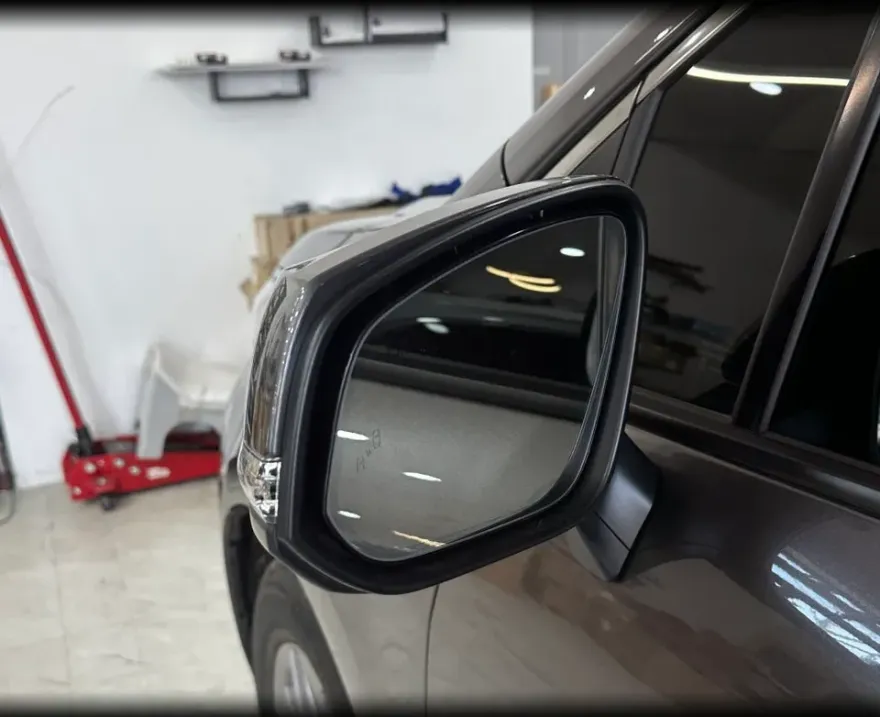
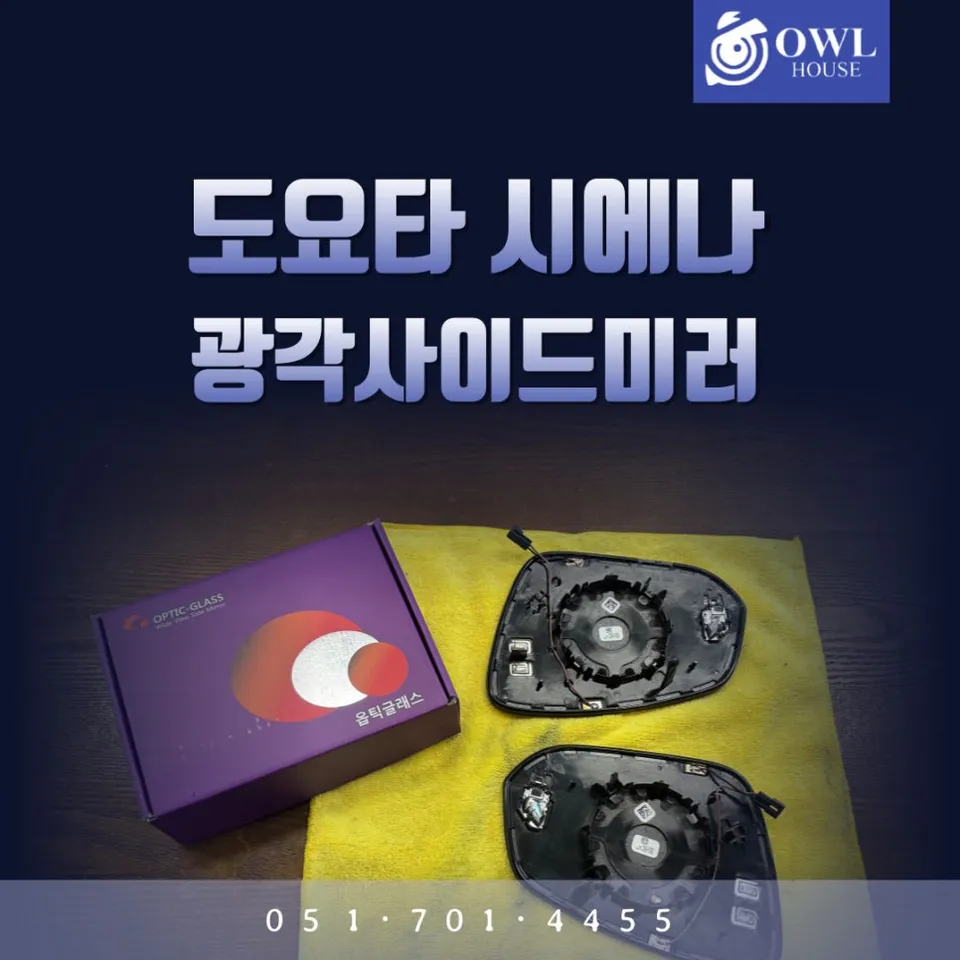
Toyota Sienna Opticglass wide-angle mirror upgrade: approx. $110. Enhances visibility and reduces blind spots.
Enhancing Your Toyota Sienna with OEM Options
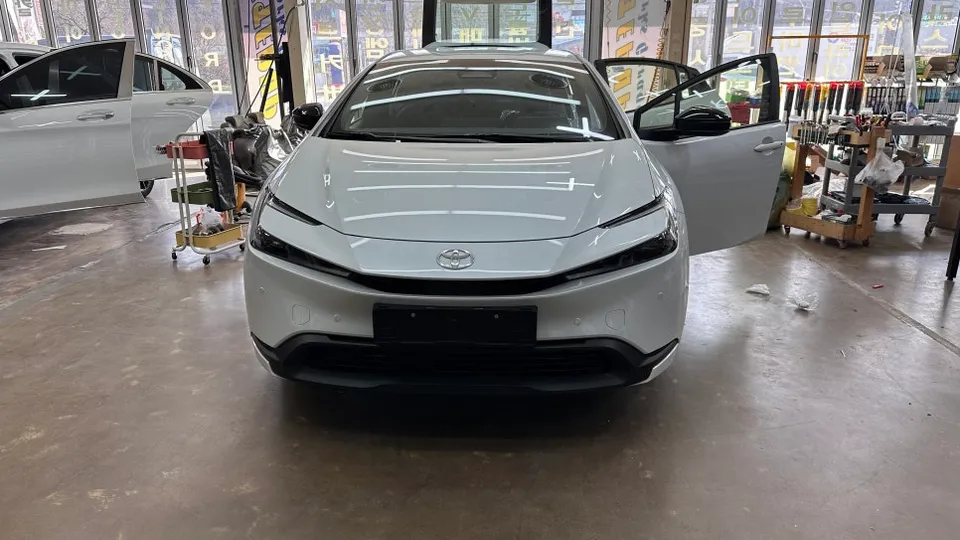
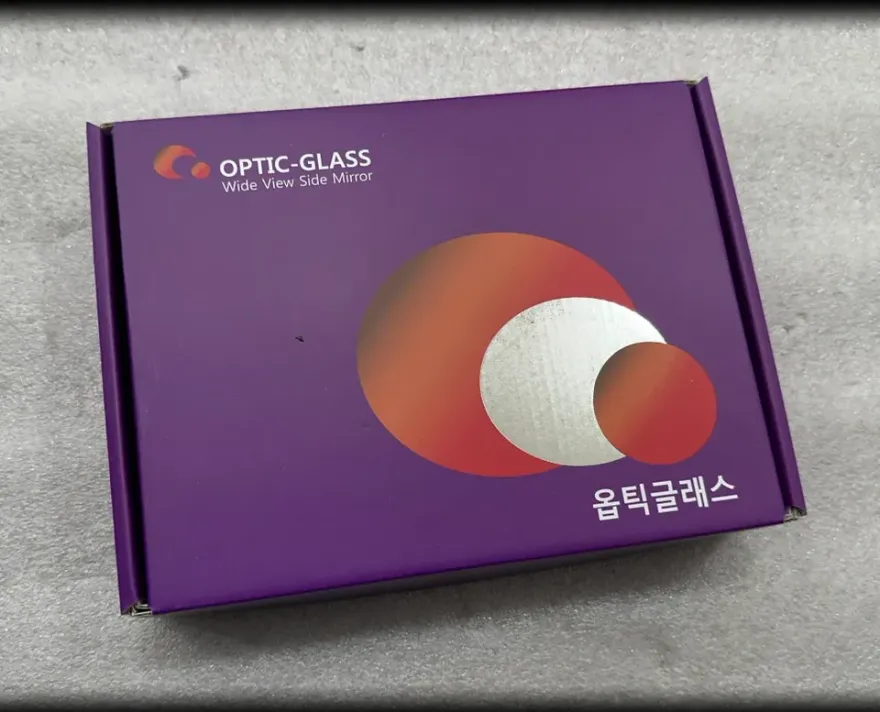
This review focuses on a specific OEM option for the Toyota Sienna: the Opticglass wide-angle mirror, as installed by Esroad Jeonju in Korea. While not a factory-installed option from the initial purchase, it represents a dealer-offered upgrade designed to enhance visibility and safety. We'll delve into the installation process, the tangible benefits, and whether this type of factory upgrade is a worthwhile investment for Sienna owners.
Opticglass Wide-Angle Mirror: Before and After
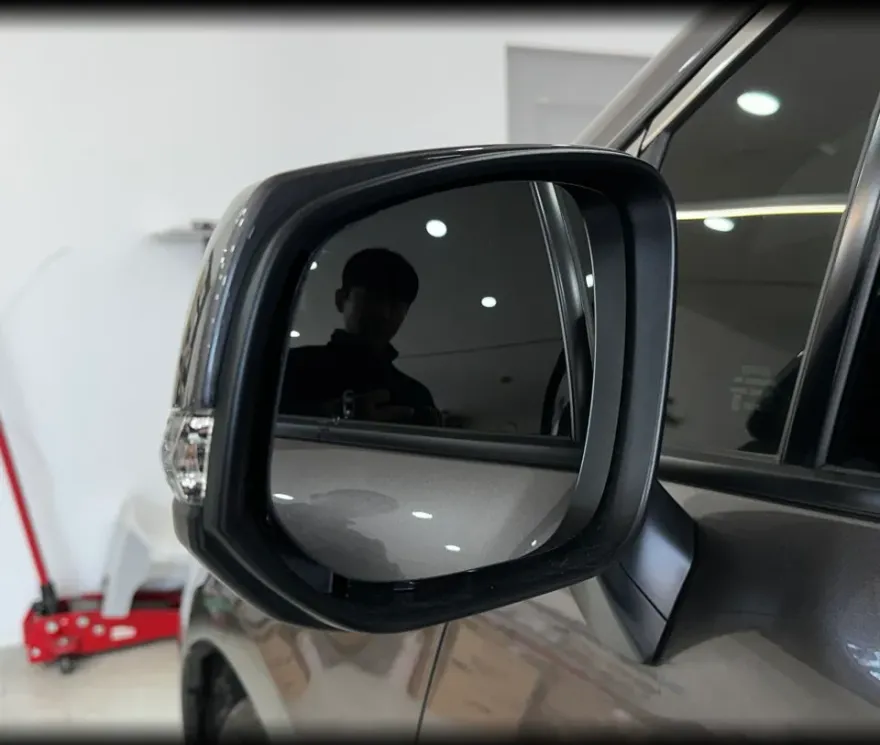
The primary goal of the Opticglass wide-angle mirror is to significantly expand the driver's field of vision compared to the standard factory mirror. This is particularly beneficial for a vehicle as large as the Toyota Sienna, where blind spots can be a concern. The 'before' state is the limited view offered by a conventional mirror, while the 'after' is a dramatically wider perspective, reducing the need for constant head-turning and improving situational awareness, especially during lane changes or when maneuvering in tight spaces. The mirror itself is designed for durability, typically featuring a high-quality reflective surface that resists scratching and maintains clarity over time. Maintenance is usually straightforward, requiring only regular cleaning with standard automotive glass cleaner.
Installation and Value Proposition
The installation of the Opticglass wide-angle mirror on a Toyota Sienna is a relatively straightforward process, typically performed by specialized automotive shops. The cost for this specific upgrade in Korea, as performed by Esroad Jeonju, was approximately ₩150,000 (around $110 USD at the time of service). This price point positions it as an accessible enhancement. For owners prioritizing safety and improved visibility, especially those frequently navigating busy roads or parking lots, this type of dealer option retrofit can offer significant peace of mind. It's a practical modification that directly addresses a common driver concern without altering the vehicle's core functionality.
Installation process:
- Careful removal of the original side mirror glass.
- Thorough cleaning of the mirror housing and backing plate.
- Precise application of the new Opticglass wide-angle mirror, ensuring a secure fit.
- Testing of the mirror's adjustment and field of view.
Frequently Asked Questions
Q. How much does OEM option and factory upgrade installation cost for a Toyota Sienna?
The Opticglass wide-angle mirror upgrade for the Toyota Sienna cost approximately ₩150,000 (around $110 USD) in Korea. Similar dealer-installed mirror upgrades in the US can range from $100 to $300 depending on the specific features and vehicle.
Q. How long does OEM options installation take on a Toyota Sienna?
The durability of OEM options like the Opticglass wide-angle mirror is generally excellent, designed to last the lifetime of the vehicle with proper care. Regular cleaning with a mild glass cleaner is typically all that's needed for maintenance.
Q. Are OEM options worth adding after purchase for a Toyota Sienna?
OEM options like the Opticglass wide-angle mirror are most beneficial for Toyota Sienna owners who prioritize enhanced safety and visibility, especially in larger vehicles. The relatively low cost for a significant improvement in blind-spot reduction makes it a valuable addition for many drivers.
Q. How are OEM factory options installed on a Toyota Sienna?
Installation typically involves carefully removing the original side mirror glass, cleaning the housing, and then precisely fitting the new wide-angle mirror. The process ensures a secure attachment and optimal viewing angle.
Q. What is the difference between dealer-installed options and aftermarket upgrades for a Toyota Sienna?
Dealer-installed options, like the Opticglass mirror, are often designed to integrate seamlessly with the vehicle's existing systems and aesthetics, sometimes offering better quality control. Aftermarket upgrades can offer more variety or specialized features but may not always have the same level of integration or warranty support.
OhCar Partner Shop