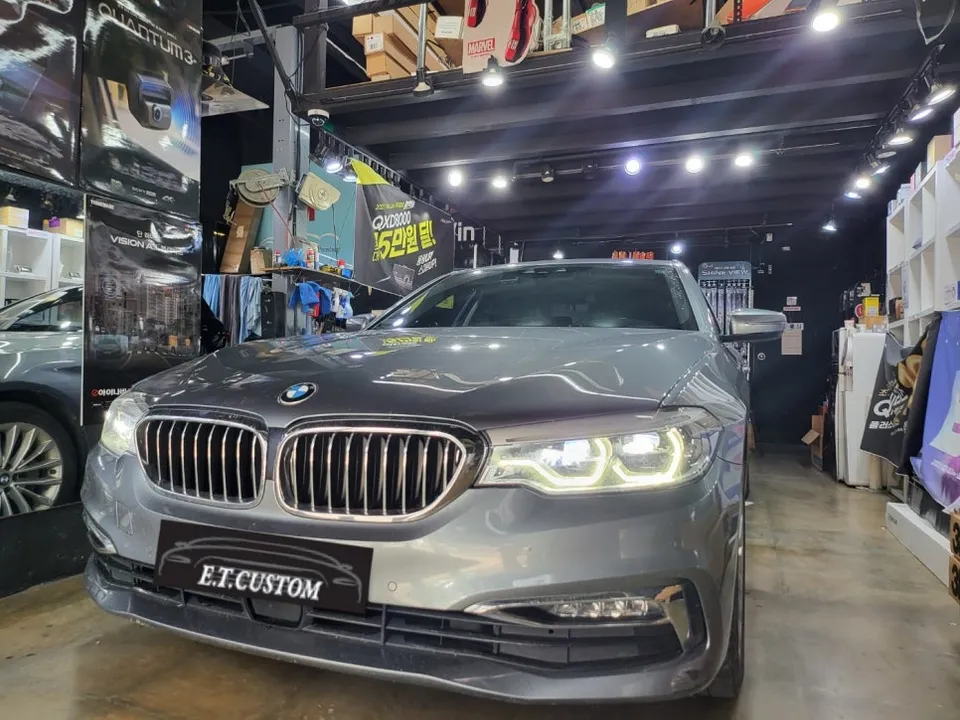
Toyota Camry Dash Cam Installation Review
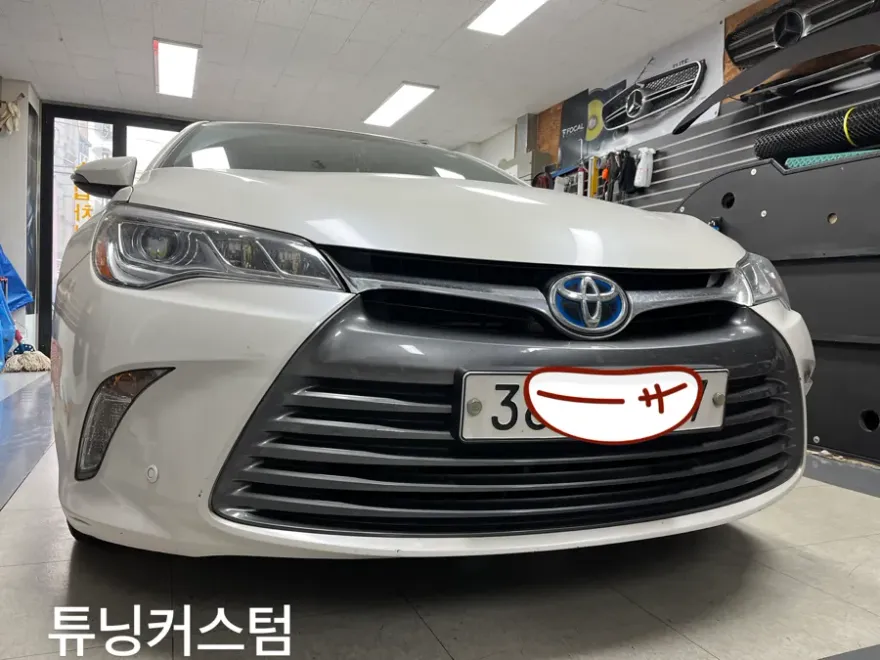
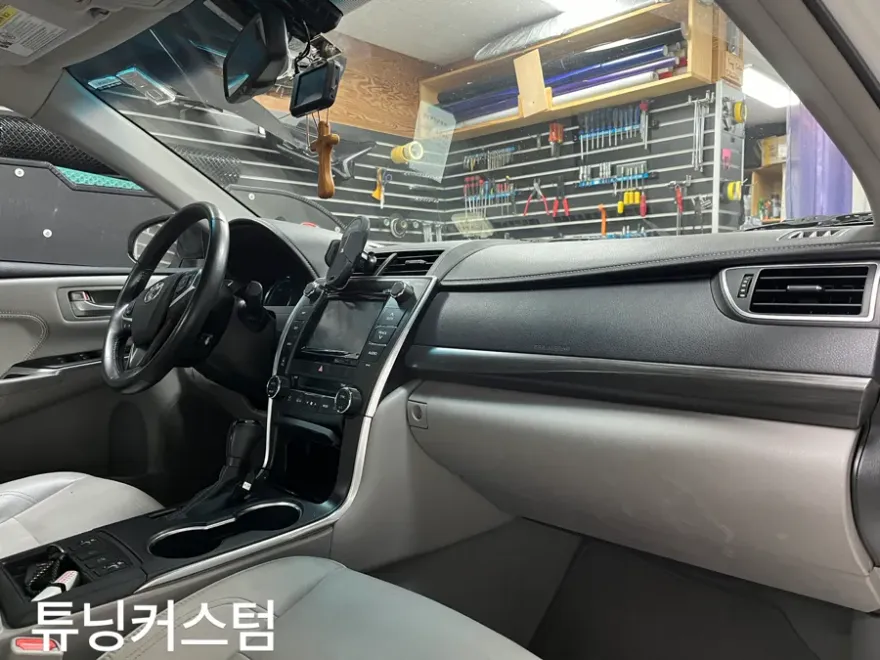
Toyota Camry dash cam installation (Inavi A700): approx. ₩100,000s-200,000s. Ensures reliable recording and battery protection.
Toyota Camry Dash Cam Installation: What You Need to Know
Considering a dash cam for your Toyota Camry? This guide breaks down the installation process, the benefits of the popular Inavi A700 model, and what to expect regarding cost and results. Many Camry owners opt for professional installation to ensure a clean, reliable setup that enhances safety and provides crucial evidence if needed. We'll cover everything from the initial mounting to essential settings and real-world user experiences, drawing from actual installations.
Why Choose the Inavi A700 for Your Toyota Camry?
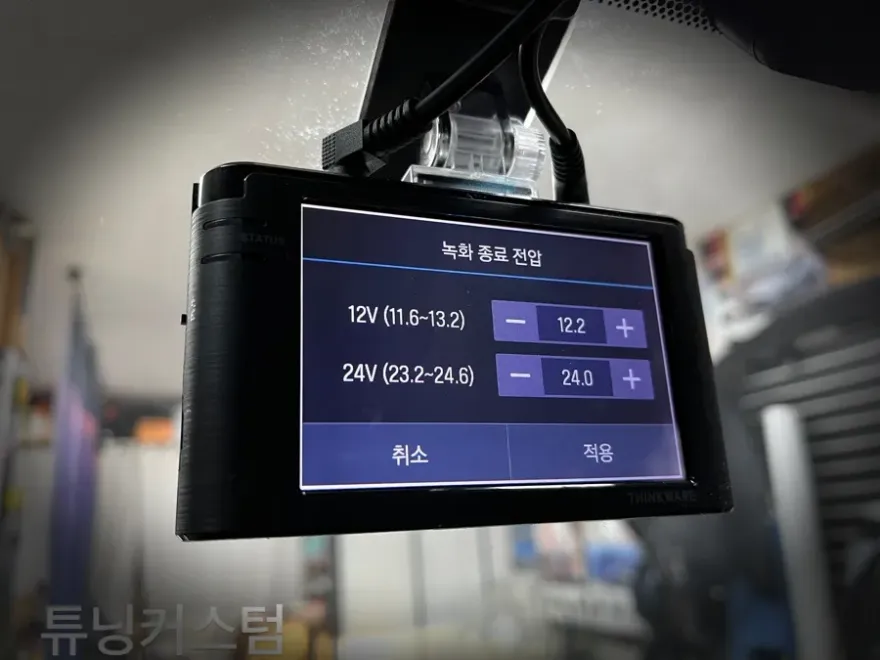
The Inavi A700 has become a go-to choice for many drivers, including Toyota Camry owners, due to its consistent performance and low defect rate. This popularity stems from its reliability and affordability, making it a smart investment for vehicle security. When installed professionally, the Inavi A700 offers clear front and rear recording, ensuring comprehensive coverage. The installation process itself is straightforward for experienced technicians, typically taking about 1 to 2 hours. Key considerations during installation include proper wire management to prevent rattles and ensure a stealthy look, and correct power settings to avoid battery drain, especially during colder months. The system requires essential setup, including configuring the low-voltage cut-off to protect your Camry's battery and setting the correct time and date for accurate recordings. Adjusting the camera angles for optimal field of view and enabling features like Picture-in-Picture (PIP) are also crucial steps for maximizing the dash cam's effectiveness.
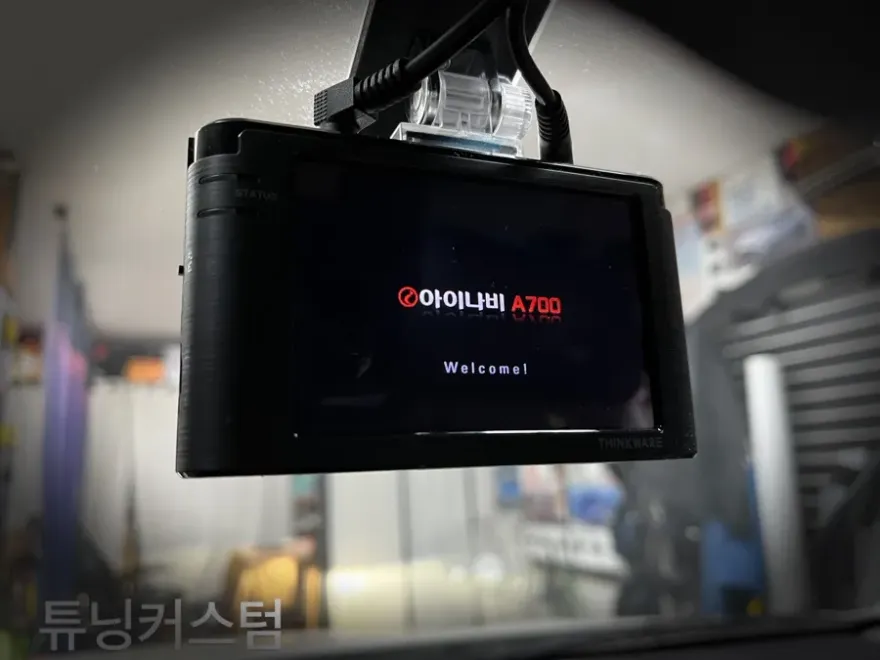
Dash Cam Installation Process and Post-Installation Review
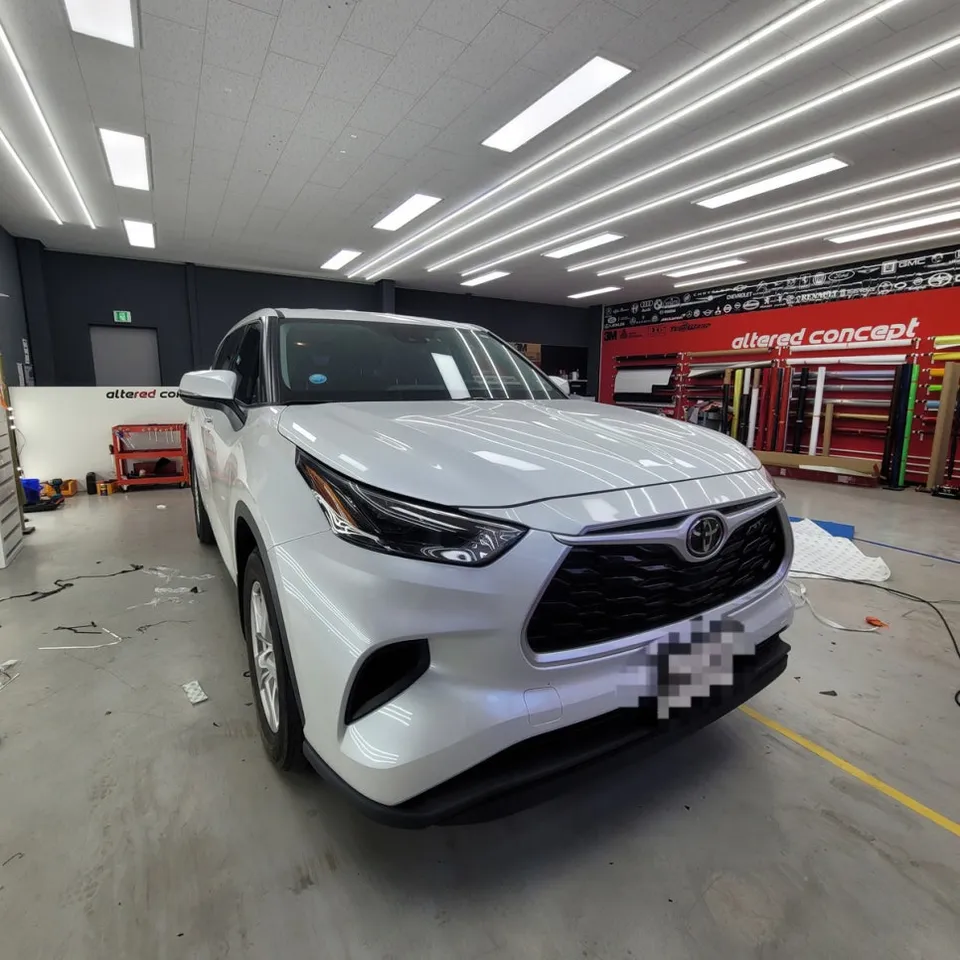
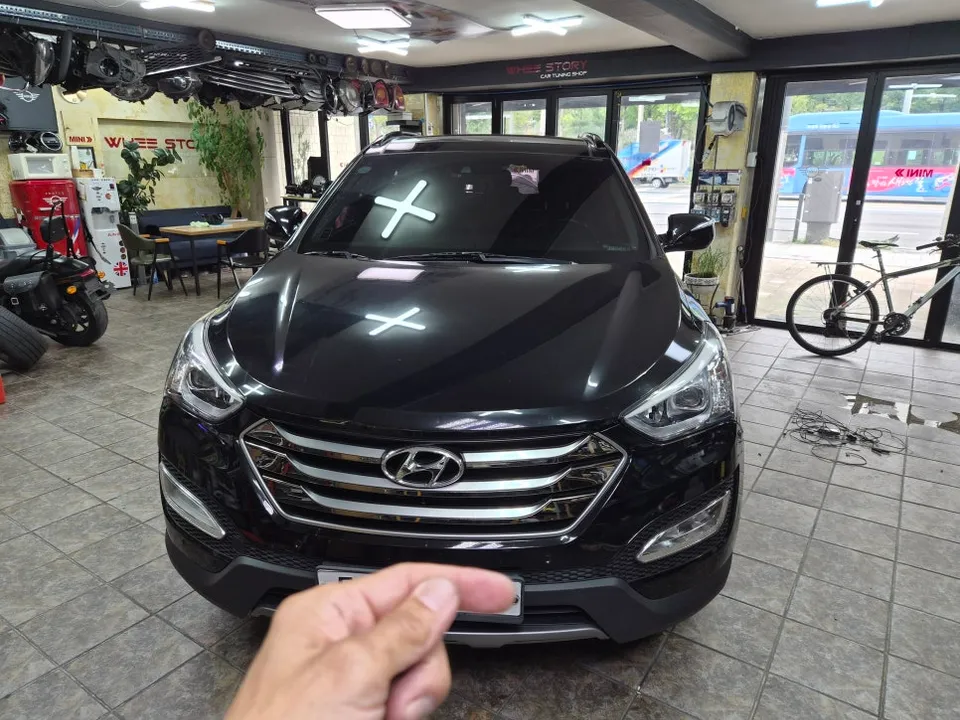
Professional dash cam installation on a Toyota Camry involves meticulous attention to detail. The process typically includes:
- Mounting Cameras: The front camera is affixed to the windshield, and the rear camera is installed on the rear window.
- Wire Management: All cables are carefully routed and secured along the vehicle's interior trim to minimize visibility and prevent noise.
- Power Connection: The dash cam is hardwired into the vehicle's fuse box, often utilizing a parking mode setting that requires a constant power source. Proper connection ensures the dash cam functions correctly in both driving and parked states.
- Configuration: Essential settings, such as the low-voltage cutoff, date, time, and recording modes, are configured to suit the driver's needs and protect the vehicle's battery.
- Testing: Finally, both front and rear camera feeds are checked for clarity and angle, ensuring optimal recording performance.
Frequently Asked Questions
Q. How much does dash cam installation cost for a Toyota Camry?
Professional dash cam installation for a Toyota Camry, like the Inavi A700, typically costs between 100,000s and 200,000s KRW (approx. $150-$180 USD). This price can vary based on the specific model and installation complexity.
Q. How long does dash cam installation take on a Toyota Camry?
Dash cam installation on a Toyota Camry usually takes between 1 to 2 hours to complete. Proper wire management and electrical connections are key to its durability.
Q. Is a hardwired dash cam worth it over a self-install for a Toyota Camry?
A hardwired dash cam is recommended for Toyota Camry owners seeking reliable parking mode functionality and a cleaner installation. Professional hardwiring ensures proper power management and prevents battery drain, offering significant value.
Q. How is a dash cam professionally installed on a Toyota Camry?
Professional installation involves securely mounting the front and rear cameras, carefully routing and concealing all wiring along the vehicle's interior trim, and hardwiring the unit to the fuse box for continuous power. Essential settings like low-voltage cutoff are then configured.
Q. What is the difference between a 1-channel and 2-channel dash cam for a Toyota Camry?
A 1-channel dash cam records only the front view, while a 2-channel system (front and rear) provides comprehensive coverage of both directions. For most Toyota Camry owners, a 2-channel system is recommended for complete protection.
Q. What should I know before getting Dash Cam on a Toyota Camry? (common regrets and mistakes)
The most common mistake is improper wire management, leading to rattles or malfunctions. Another frequent regret is neglecting the low-voltage cutoff setting, which can drain the car battery, especially in cold weather.
OhCar Partner Shop