Toyota GR 86 Full PPF: Enhancing Gloss with a Glossy Finish
Service Price
$150+
Estimated price · Actual price may vary by shop
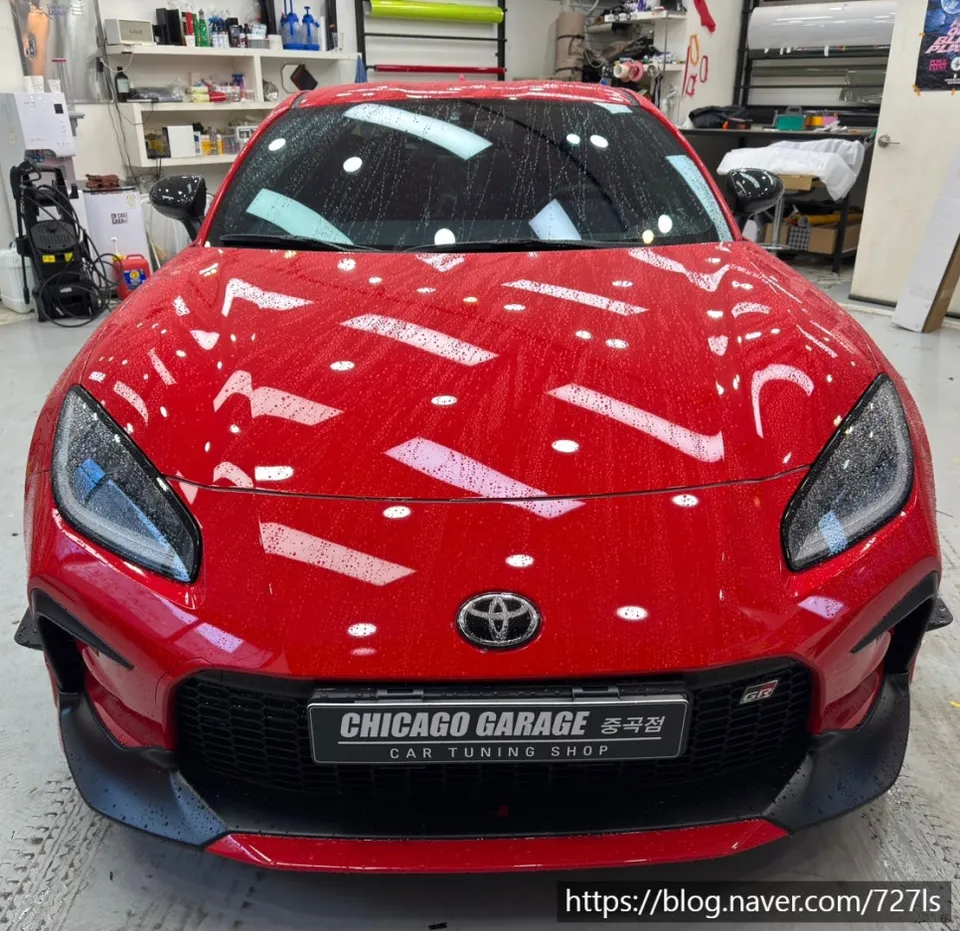
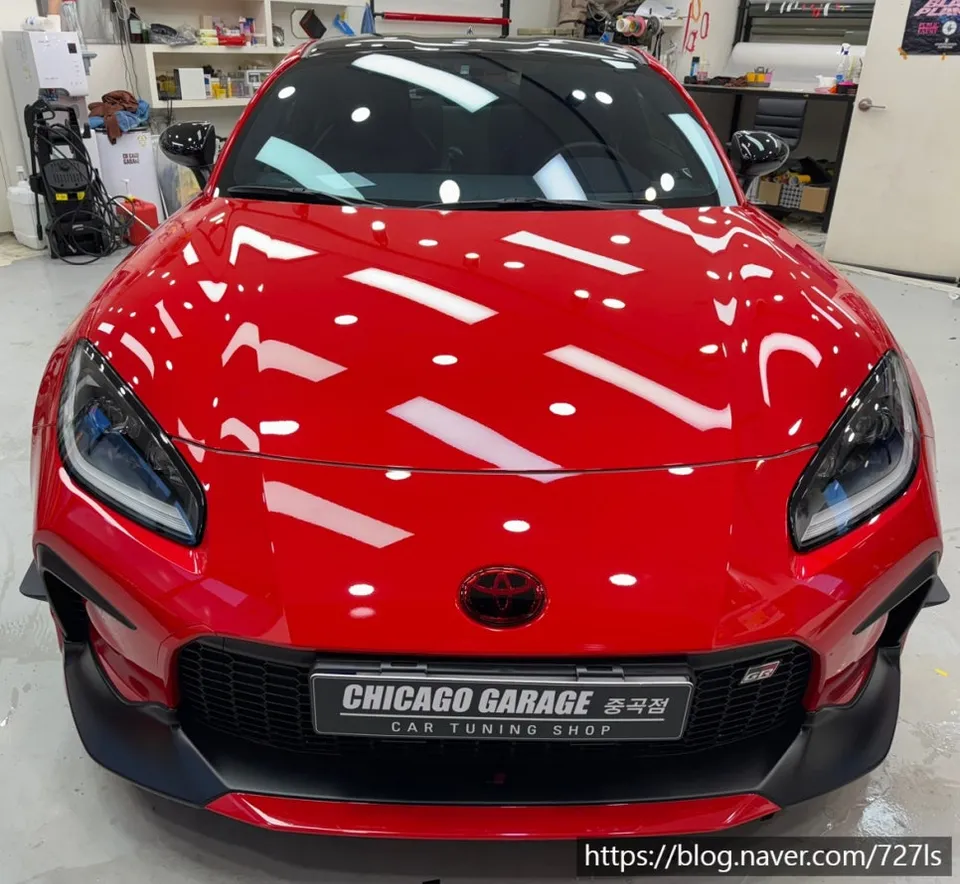
Toyota GR 86 Full PPF: Essential for track use, hand-cut precision, glossy finish. Est. $150+ (partial).
Toyota GR 86 Track Car Gets Full PPF with Glossy Finish for Enhanced Shine
The Toyota GR 86 is a popular choice for a 'fun car,' and many owners enjoy taking it to the track. However, this often leads to constant worry about stone chips. Even a small pebble kicked up during high-speed driving can leave unsightly scratches on the headlights or paintwork. For this reason, applying a full PPF (Paint Protection Film) immediately after taking delivery of a new car is the wisest decision. The GR 86 featured here was brought in right after purchase, already equipped with a body kit, for a meticulously applied full PPF installation.
Why PPF is Essential for Track-Ready Toyota GR 86 Models
For enthusiasts who push their vehicles to the limit on the track, the risk of paint damage is significantly amplified. High speeds mean that even minor road debris can become a projectile, causing chips and scratches that detract from the car's pristine appearance and potentially its resale value. Paint protection film acts as a sacrificial barrier, absorbing the impact of these hazards. For a performance-oriented car like the GR 86, which is designed for spirited driving, investing in a robust protective layer is not just about aesthetics; it's about preserving the integrity of the vehicle's finish under demanding conditions.
In the US market, a full PPF installation for a vehicle like the Toyota GR 86 typically ranges from $1,500 to $3,500 or more, depending on the film quality, the complexity of the vehicle's body, and the installer's expertise. While this might seem like a significant investment, it's crucial to consider the cost of repairing paint damage, especially on a performance car where the finish is a key part of its appeal. A high-quality clear bra can prevent thousands of dollars in potential repair costs and maintain the car's showroom look for years to come.
Understanding PPF: Full vs. Partial Coverage
The choice between full and partial PPF coverage significantly impacts the installation process and the level of protection offered. Partial PPF typically targets high-impact areas like the front bumper, headlights, and wheel arches, offering a more budget-friendly solution. However, for a track-focused vehicle like the GR 86, where the entire car is subjected to potential damage from all angles, full PPF is highly recommended. The key difference in full PPF installation is the necessity of removing certain parts. Similar to vinyl wrapping, components like the trunk and doors are often detached to allow the film to be meticulously tucked into edges and crevices. This ensures a seamless finish with no exposed paintwork, a level of detail that is difficult to achieve with partial installations that often forgo part removal.
The Toyota GR 86 Installation: Hand-Cut vs. Pre-Cut Film
PPF can be applied using two primary methods: pre-cut kits, which are machine-cut to specific vehicle models, or hand-cut film, where the installer meticulously cuts the film on the vehicle itself. For a GR 86 equipped with a body kit, hand-cutting offers a distinct advantage. While it requires more time (approximately 8-12 hours, potentially longer depending on complexity), hand-cutting allows the installer to wrap the film around edges and into rubber seals, virtually eliminating visible seams. Pre-cut films, though faster, are less adaptable to custom modifications like body kits, making it challenging to achieve a perfect fit around unique contours. This GR 86 installation prioritized quality, with every panel meticulously hand-cut to maximize the final finish.
The Real-World Installation Process for the Toyota GR 86
A unique challenge in this GR 86 project was the FRP (Fiber-Reinforced Plastic) material of the body kit. FRP surfaces have numerous micro-pores, requiring more than just simple wrapping. The film must be carefully cut and smoothed to prevent air bubbles from forming within these tiny imperfections. This specific aspect alone took more than double the time compared to standard paintwork. The front bumper, though installed without removal, was expertly wrapped around all edges, achieving a finish that mimics the original paintwork. The photos clearly show the meticulous attention to detail, particularly at the film's edges, ensuring no lifting or adhesive issues—a hallmark of an experienced installer.
The trunk was removed from the outset, allowing for a flawless application of the film on both the top surface and the interior edges. All removed components were reinstalled without any defects and subjected to a final inspection. This thorough process included checking screw tightness, examining panel gaps, and testing door closure sounds, ensuring a factory-perfect finish.
Glossy Black PPF vs. Black Wrap: The Ultimate Two-Tone Style
Traditionally, roofs and spoilers were often finished with black vinyl wraps. However, the current trend favors high-glossy black PPF. The reason is simple: while wraps can exhibit an 'orange peel' texture, premium PPF offers a clarity and shine that surpasses even the original paintwork. This GR 86 embraced this trend, with the roof and spoiler treated to glossy black PPF, creating a striking contrast with the car's white body. The result is a seamless, factory-like appearance that enhances the car's natural gloss, even exceeding the original paint's reflectivity. The hood also received a flawless glossy PPF application, with edges expertly tucked away, making the film virtually undetectable.
The distinction between matte and glossy finishes is crucial. Inexperienced shops often err by applying glossy PPF to matte surfaces, ruining the vehicle's design. This GR 86 installation perfectly addressed this by precisely cutting the glossy PPF along the lines of the matte sections on the front bumper, rear bumper, and body kit. Only the painted areas received the film, leaving the matte sections exposed. This demonstrates a superior level of technical skill and aesthetic sensibility, differentiating a basic PPF application from a truly professional one.
The Critical Details: Edges and Seams Define Quality
Examining the rear fenders and side panels reveals a perfect adherence of the film to the paintwork, free from lifting or bubbles, and precisely following the body lines. The finish exhibits a superior gloss, akin to a ceramic coating, clearly showcasing the difference between genuine PPF and counterfeit films. The rear bumper is equally flawless, with edges meticulously tucked into the rubber seals, rendering seams almost invisible. Even the step areas were treated with a single piece of film, making the PPF's presence almost imperceptible.
Is Partial PPF Enough for a Track-Day GR 86?
Headlights, being expensive components, are highly susceptible to stone chip damage during track use. While full PPF includes headlight protection, high-performance vehicles benefit immensely from comprehensive coverage. For those with budget constraints, a 'Front Package' (including bumper, headlights, hood, and mirrors) offers a cost-effective alternative. However, for a car frequently used on the track, protecting all painted surfaces is the safest approach to maintain its pristine condition.
Toyota GR 86 Full PPF: Cost and Time Investment
For a mid-size sports car like the Toyota GR 86, a full PPF installation typically costs between 2.5 to 4 million KRW (approximately $2,000 - $3,500 USD). A partial installation, such as the front package, usually ranges from 1 to 1.8 million KRW ($800 - $1,500 USD). These prices can vary based on factors like the presence of a body kit, the grade of film used (standard vs. premium), the vehicle's condition, and the geographic location. The full PPF application for this GR 86 took approximately 5-7 days, translating to about 40-60 working hours. This extended timeframe is due to the meticulous hand-cutting process, compared to the 1-2 days (6-12 hours) for partial installations. The comprehensive process, including disassembly, application, reassembly, and final inspection, means same-day delivery is not possible. Genuine PPF typically comes with a 5-10 year warranty, and proper washing techniques significantly impact its lifespan.
Body Kit Installation and PPF: Crucial Pre-Consultation
A key takeaway from this GR 86 project is the importance of informing the installer about any body kit modifications during the initial consultation. This allows for accurate planning, as FRP parts require different handling than standard paintwork. Discovering a body kit upon arrival would necessitate a complete revision of the work plan. Furthermore, the treatment of body kit components varies; for instance, if a step area is already black, additional PPF might be unnecessary. Thorough pre-installation consultation is the first step towards cost savings and ensuring customer satisfaction.
The Final Touch: Attention to Every Detail, Including Emblems
A truly high-quality installation extends beyond the film itself. For this GR 86, custom emblems, purchased by the owner, were expertly applied, alongside the original GR 86 emblems. This level of finishing demonstrates respect for the vehicle and professional pride.
Frequently Asked Questions (FAQ)
- Q: Is PPF essential for a 'fun car' like the Toyota GR 86?
A: If you plan on track driving, PPF is almost essential. High-speed driving can cause significant damage to the paintwork and headlights from flying stone chips. The GR 86, with its lightweight design, may have thinner paint than standard sedans. Therefore, full PPF or at least a front package is a wise protective measure. - Q: Full vs. Partial PPF: Which is better for the GR 86?
A: For track use, full PPF is strongly recommended. While partial PPF protects the most vulnerable front areas, the sides and rear are also susceptible to stone chips. As a sports-minded vehicle, the GR 86 benefits from comprehensive paint protection to maintain its long-term value. - Q: How significantly different is hand-cut PPF from standard film application?
A: The placement and finish of seams are completely different. Hand-cut PPF allows installers to hide seams within rubber seals, making them virtually invisible. Pre-cut films, due to their fixed shapes, can result in ill-fitting areas. For vehicles like the GR 86 with body kits or custom parts, hand-cutting is indispensable for a perfect finish.
Achieving a Flawless Installation: Consult Verified Centers Nationwide
Applying full PPF to a Toyota GR 86 is more than just a service; it's a craft that requires expertise in assessing body kits, skilled hand-cutting, precise differentiation of matte and glossy finishes, and seamless edge concealment. Choosing an installer with extensive experience and genuine PPF products is the surest way to avoid disappointment. If you're considering PPF for your vehicle, explore verified centers through platforms like 'Today's Car,' which offers comparisons of over 1,000 nationwide locations and data from 500,000 installations. You can start with a free consultation.
Frequently Asked Questions
Q. How much does PPF cost for a Toyota GR 86?
For a Toyota GR 86, a full PPF installation typically ranges from $2,000 to $3,500 USD. A partial installation, such as a front package, usually costs between $800 and $1,500 USD. These prices can vary based on the film quality, the presence of a body kit, and the installer's location and expertise.
Q. How long does PPF last on a Toyota GR 86?
Genuine PPF typically comes with a warranty of 5 to 10 years. The lifespan can be significantly influenced by the quality of the film, the installation expertise, and how the vehicle is maintained. Proper washing techniques and avoiding harsh chemicals will help maximize the longevity of the paint protection film.
Q. Is PPF worth it for a Toyota GR 86?
Yes, PPF is highly recommended for a Toyota GR 86, especially if it's used for spirited driving or track days. It acts as a sacrificial layer against stone chips, scratches, and environmental contaminants, preserving the car's paintwork and resale value. The cost of PPF is often less than the expense of repairing significant paint damage.
OhCar Partner Shop
More ppf Reviews
See all →
More Toyota Reviews
Pair with Another Service
Add hydrophobic protection on top of PPF
Complete your new car protection package