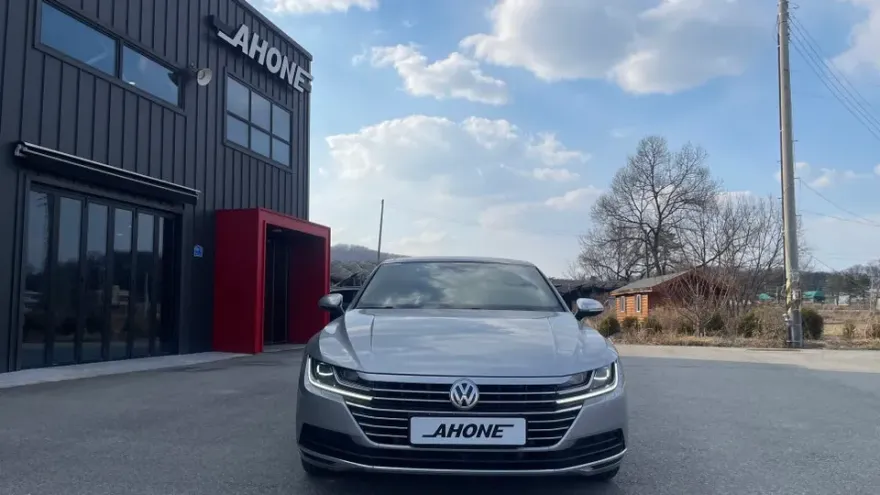
Volkswagen Arteon Window Tinting Review: Premium Blue Reflective
Service Price
$150+
Estimated price · Actual price may vary by shop
Before
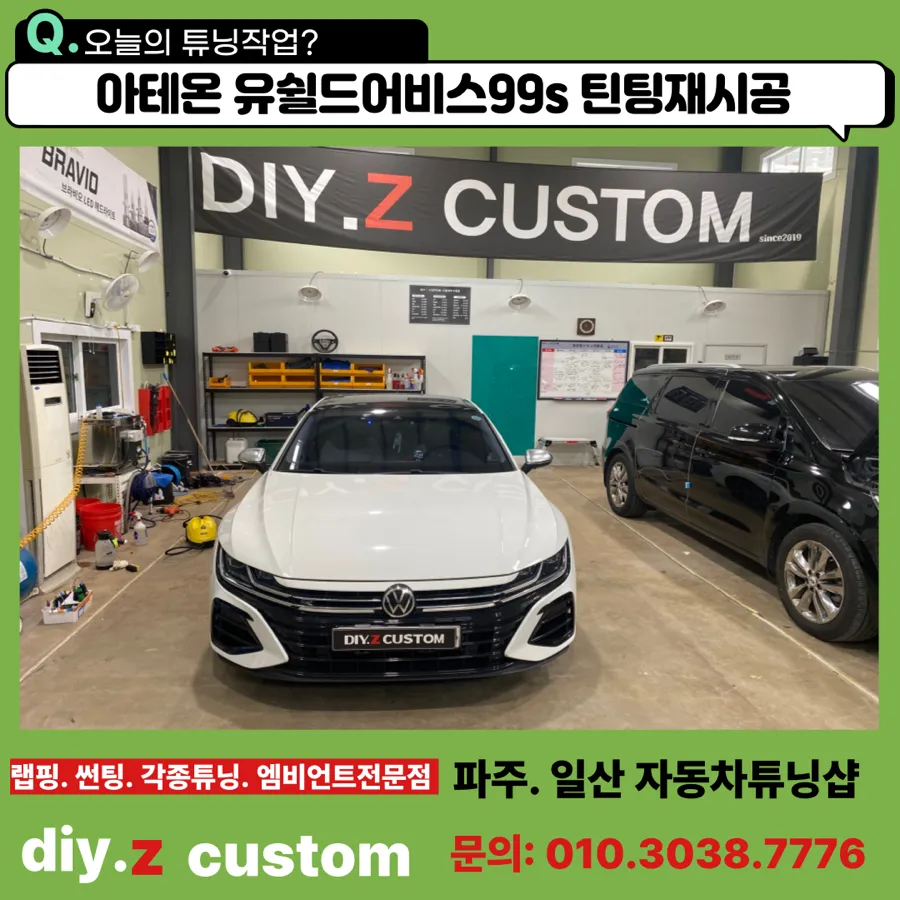
After

Process photos
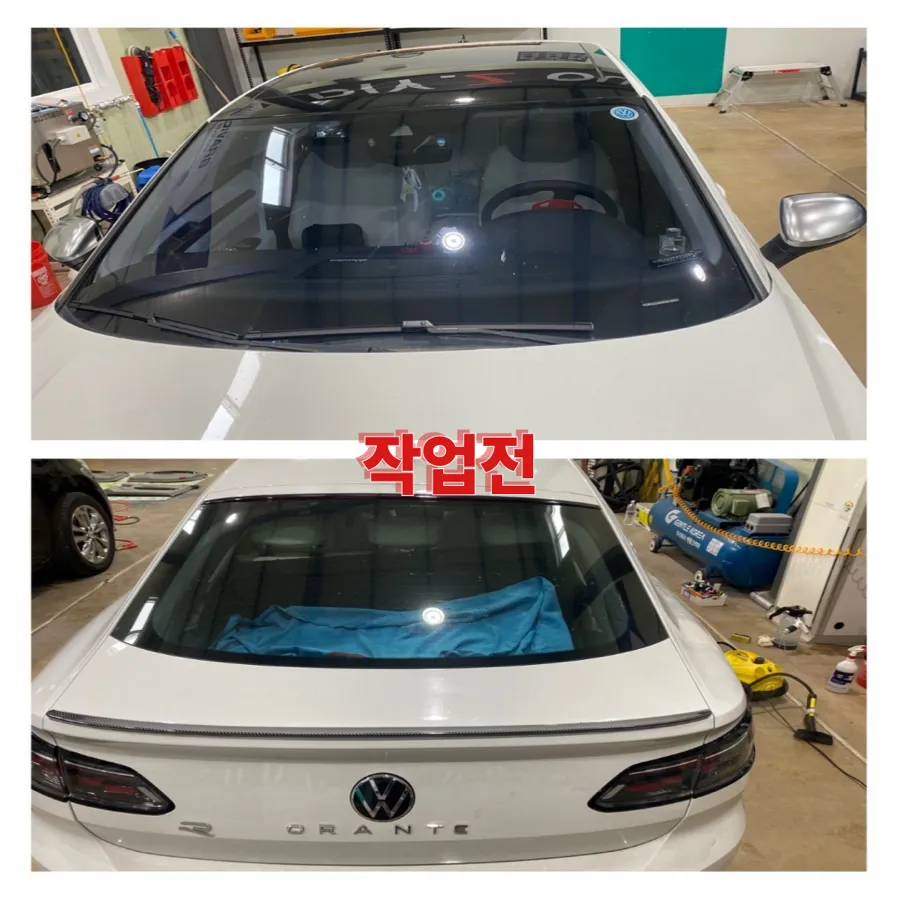
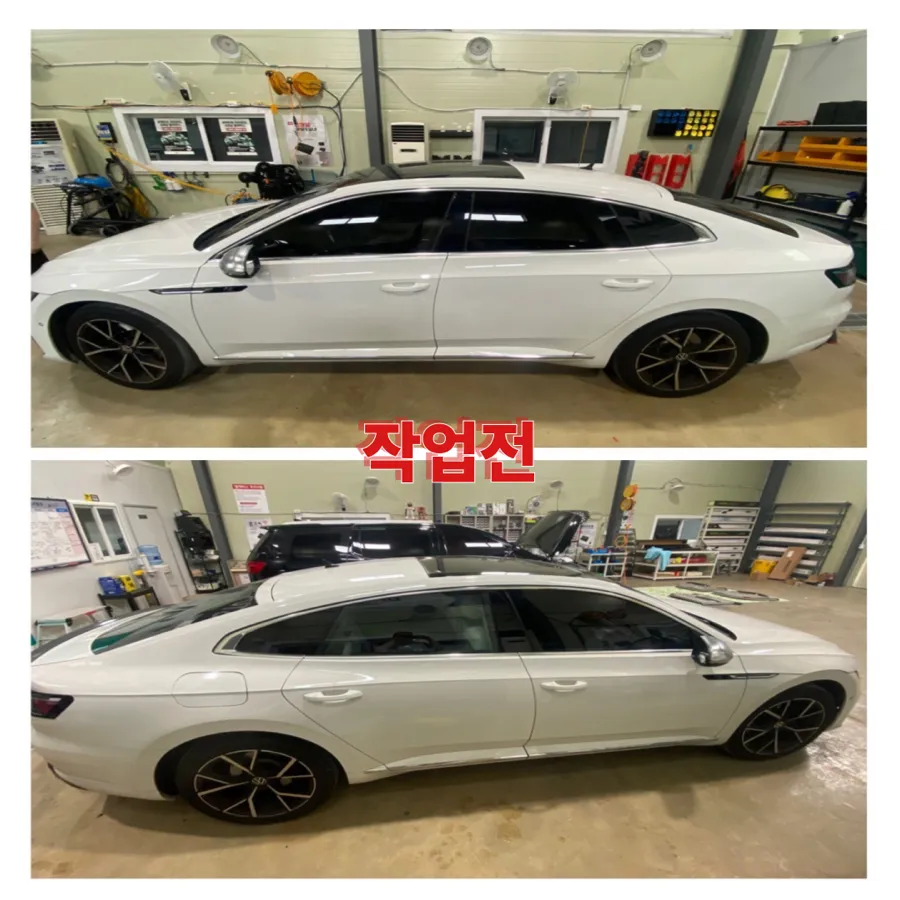
Volkswagen Arteon window tinting with Abyss99s blue reflective film. 99% heat rejection. Re-application after 1 year due to peeling and reduced perfor
Volkswagen Arteon: Why Choose Premium Blue Reflective Window Tinting?
If you've recently purchased a new car and found yourself regretting the high interior temperatures and intense UV exposure, you're likely in need of quality window tinting. For owners of premium vehicles like the Volkswagen Arteon, the goal is often to enhance the car's sophisticated appearance while also adding functional benefits. This case study details a customer's decision to reapply window film, opting for the Abyss99s blue reflective tint after being unsatisfied with their previous installation. We'll explore how this premium product, boasting a 99% heat rejection rate, differs from standard options and the reasons behind choosing a re-application.
Understanding Window Tinting Needs and Premium Film Benefits
The reasons for needing window tinting extend beyond simple aesthetics. Effective window film provides crucial UV protection, significantly reduces interior heat buildup (lessening the load on your air conditioning), and enhances privacy by obscuring the view into the cabin. However, not all window films perform equally. Lower-quality films can degrade over time, leading to discoloration or peeling, and their heat-blocking capabilities diminish rapidly. In contrast, premium films like Abyss99s are engineered for longevity, maintaining their color and high-performance heat rejection for extended periods. The customer in this Volkswagen Arteon case decided to re-tint because their existing film began to show signs of peeling after only about a year, and its heat rejection performance had noticeably dropped. For owners of a premium sedan like the Arteon, a simple replacement with a budget option wasn't ideal, making the decision for a high-quality re-application a wise one.
Abyss99s Blue Reflective Tint vs. Standard Window Film
The most significant differences between standard window films and premium options like Abyss99s lie in their color stability and heat rejection efficiency. Standard films often utilize a dye-based construction. Dyes are susceptible to degradation from UV exposure, typically resulting in noticeable fading or a shift to a brownish hue within 6 months to a year. Their initial heat rejection, often around 60-70%, can drop below 50% over time. These films are also more prone to issues like bubbling during installation or peeling if not applied perfectly. Premium films, such as Abyss99s, are typically multi-layered, metalized films. The metallic components directly reflect solar radiation, preventing color change and maintaining their high heat rejection (around 99%) for years. The blue reflective variant adds a subtle blue tone for an enhanced aesthetic. While installation can be more complex, the result is a durable, high-performance tint that lasts.
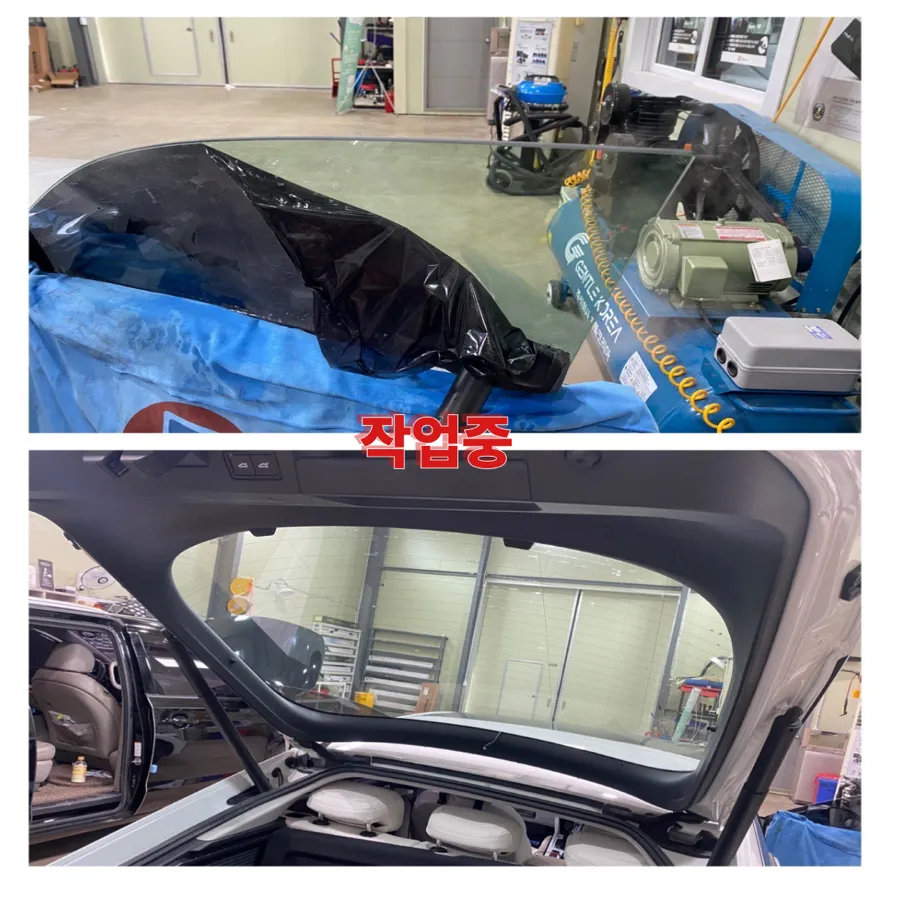
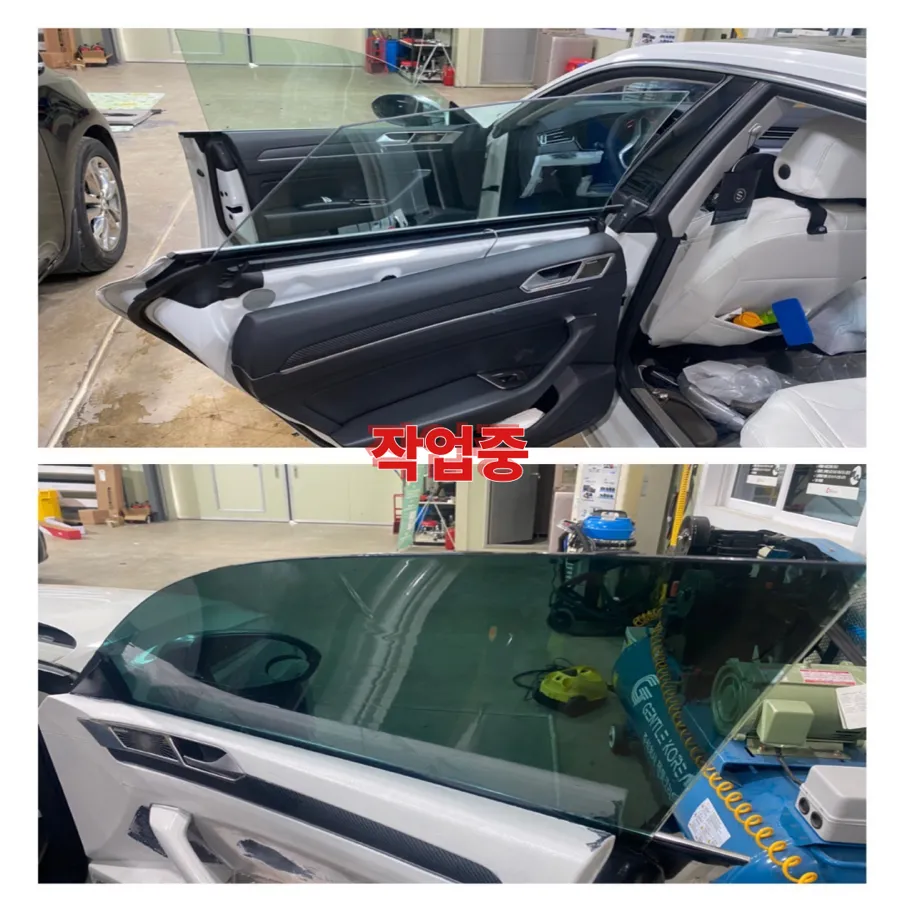
Volkswagen Arteon Window Tinting Installation Process:
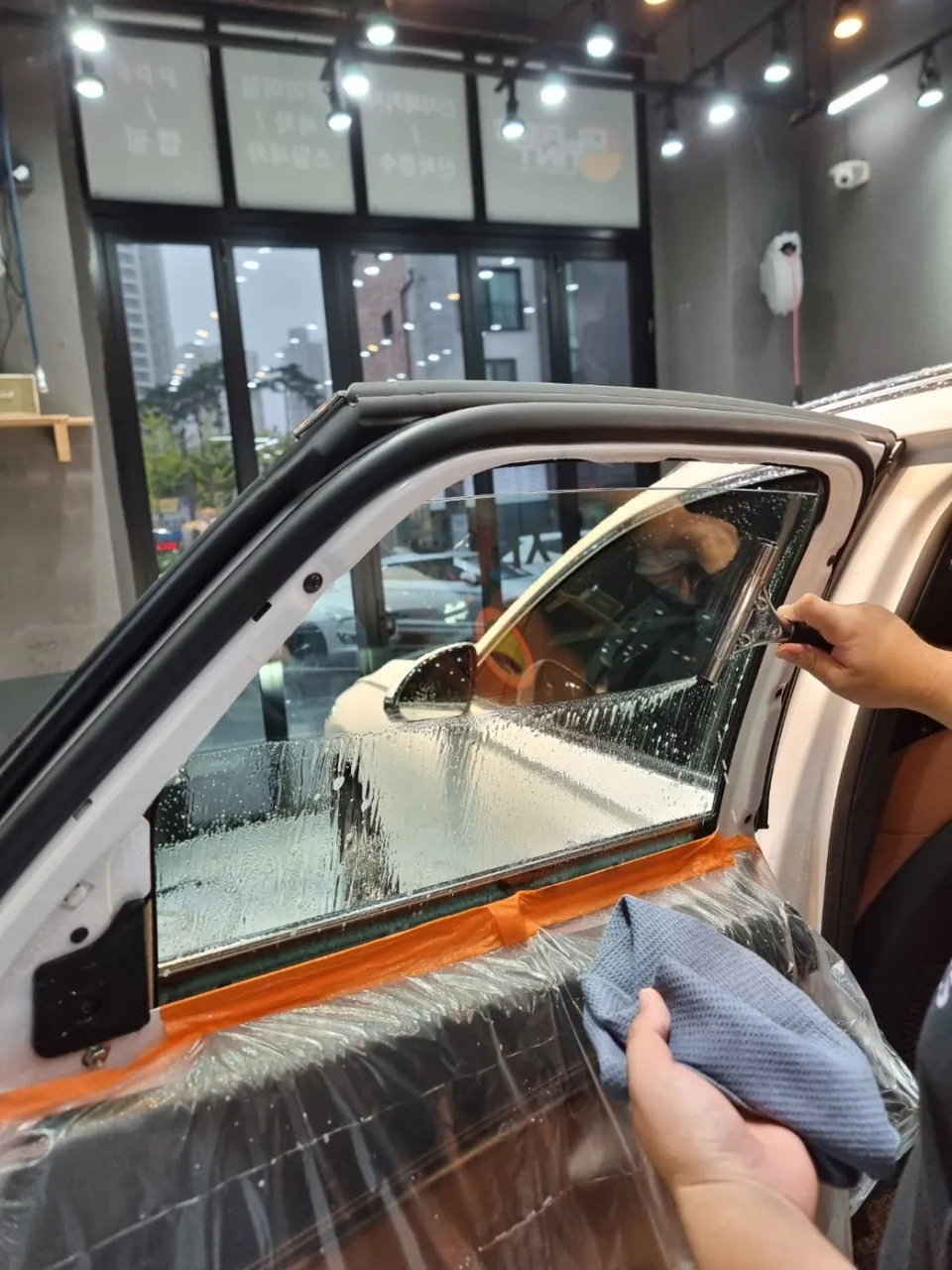
- Old Film Removal: The existing window tint and adhesive are carefully removed from the glass.
- Surface Preparation: The glass is thoroughly cleaned and prepped to ensure optimal adhesion for the new film.
- Film Application: The Abyss99s blue reflective film is precisely cut and applied to the interior of the windows.
- Finishing and Curing: Excess water is squeegeed out, and the film is allowed to cure, ensuring a smooth, bubble-free finish.
This meticulous process ensures the longevity and performance of the premium window film on your Volkswagen Arteon.
Frequently Asked Questions
Q. How much does window tinting cost for a Volkswagen Arteon?
The re-application of premium Abyss99s blue reflective film on this Volkswagen Arteon was a significant investment, reflecting its high-performance characteristics. Typical professional window tinting for a sedan in the US can range from $200 to $600, depending on the film quality and vehicle.
Q. What tint percentage is legal for a Volkswagen Arteon?
Legality of window tint percentages varies by state in the US; always check local regulations. Premium window films like Abyss99s are designed for durability and can last 5-7 years or more with proper care, which includes avoiding harsh chemicals during cleaning.
Q. Is ceramic tint worth the extra cost for a Volkswagen Arteon?
Ceramic tint, similar to the metalized Abyss99s film, is highly beneficial for drivers seeking maximum heat rejection and UV protection without compromising visibility. It offers excellent value for premium vehicles by maintaining a cooler cabin and protecting interior surfaces.
Q. How is window tint installed on a Volkswagen Arteon?
Installation begins with meticulously removing any old tint and adhesive. The glass is then thoroughly cleaned and prepped. The new film is precisely cut, applied to the interior glass, and squeegeed to remove air and water, followed by a curing period.
Q. What is the difference between ceramic and dyed window tint for a Volkswagen Arteon?
Dyed window tint uses colorants that fade and degrade over time, offering limited heat rejection. Ceramic or metalized films, like Abyss99s, use advanced materials to block heat and UV rays effectively, providing long-lasting performance and color stability.
OhCar Partner Shop
More window tinting Reviews
See all →
More Volkswagen Reviews
Pair with Another Service
Protect paint while you're at the shop
Add gloss and protection