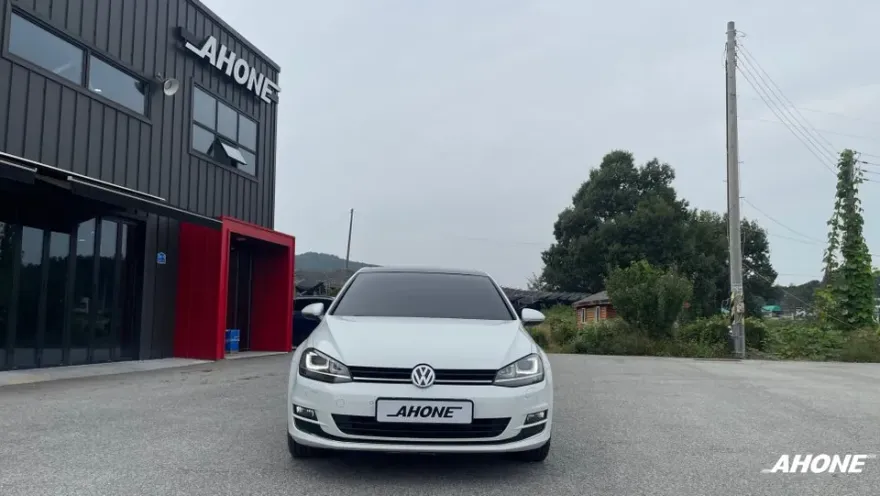
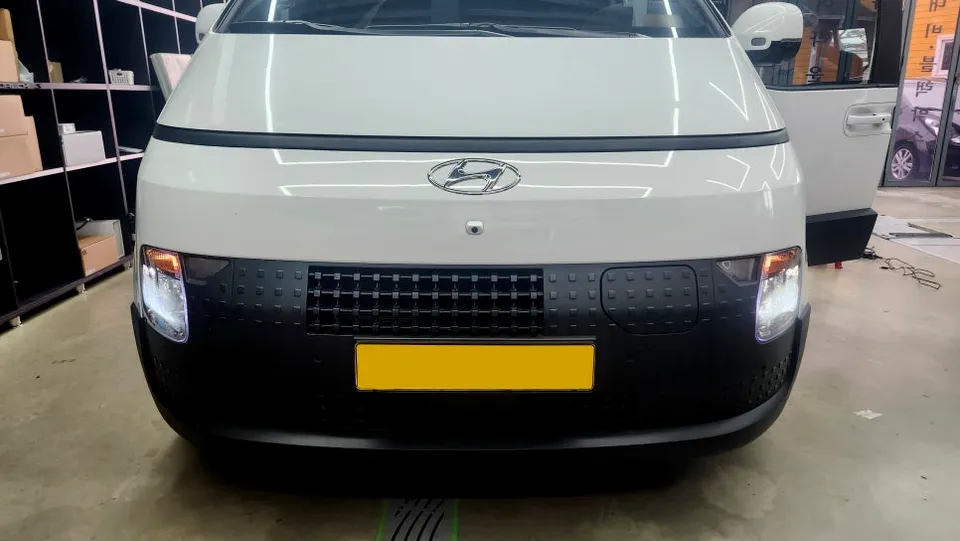
Volkswagen Golf Dash Cam Installation Review — Cost

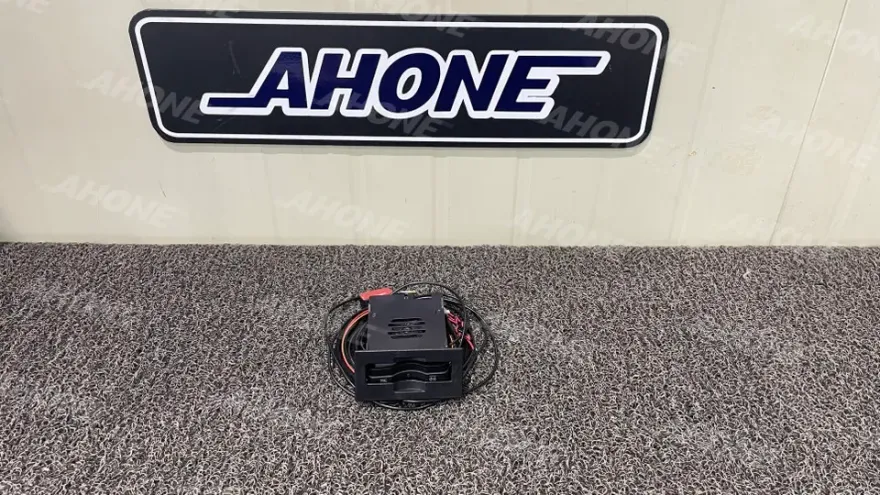
Dash cam installation for VW Golf: approx. $220+. Professional setup ensures durability and parking mode.
Dash Cam Installation for Your Volkswagen Golf: What to Expect
Considering a dash cam for your Volkswagen Golf? Whether you're looking for a simple front-facing unit or a full front and rear setup with parking mode, understanding the installation process, potential costs, and the overall value is crucial. This review delves into the specifics of dash cam installation, focusing on how it applies to a vehicle like the Volkswagen Golf, drawing insights from professional installations. We'll cover everything from the initial setup to long-term durability and whether the investment is truly worthwhile.
Professional Dash Cam Installation: Process and Benefits
While DIY dash cam installation is possible, professional installation offers a cleaner finish and ensures optimal performance, especially for features like parking mode. For a Volkswagen Golf, professional installation typically involves discreetly routing wires, often using the car's existing channels, to maintain a factory-like appearance. This is particularly important for hardwiring a dash cam, which allows it to draw power directly from the car's battery and operate even when the engine is off, enabling parking mode surveillance. The process prioritizes safety, ensuring that wiring doesn't interfere with critical components like airbags, which are housed within areas like the A-pillar. A well-executed installation means the dash cam becomes an integrated part of your car's system, rather than a distracting accessory.
The Korean context for similar installations, such as integrated toll pass systems (similar to a dash cam in terms of wiring and integration), highlights the importance of meticulous wiring. For instance, when integrating a toll pass into a Volkswagen Golf's card slot, installers ensure that the wiring is neatly secured along original lines to prevent rattles and ensure safety. This same principle applies to dash cams. The goal is a seamless integration that enhances your driving experience without compromising aesthetics or safety. For a front and rear dash cam setup, this means careful placement of both cameras and discreet routing of the rear camera cable through the car's interior trim.
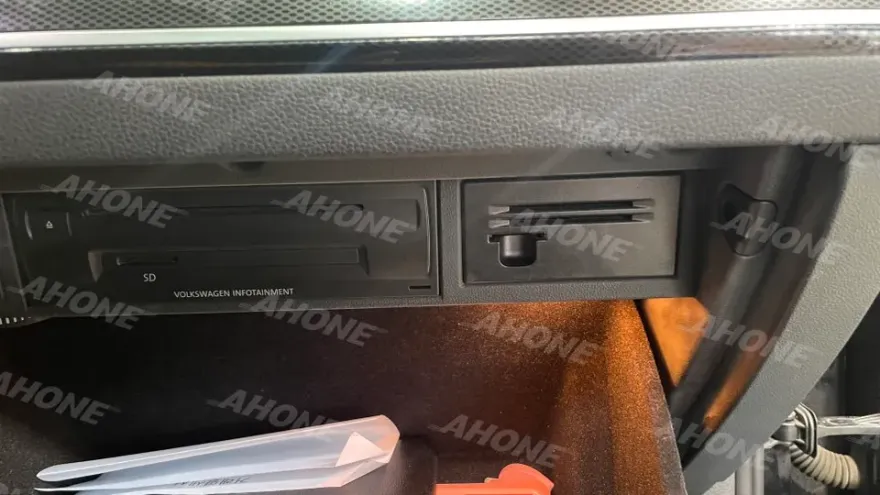
Dash Cam Installation Process:
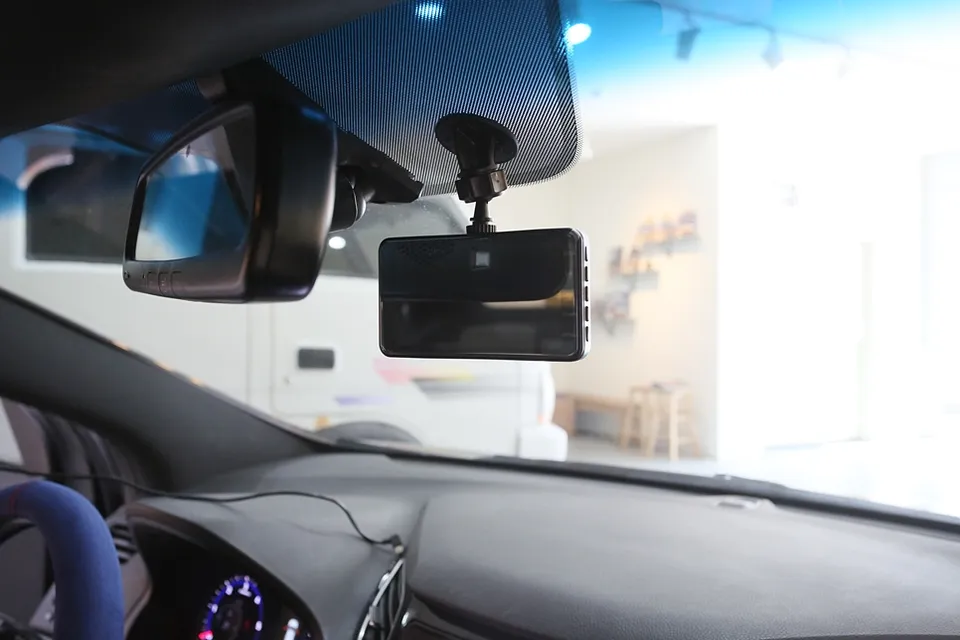
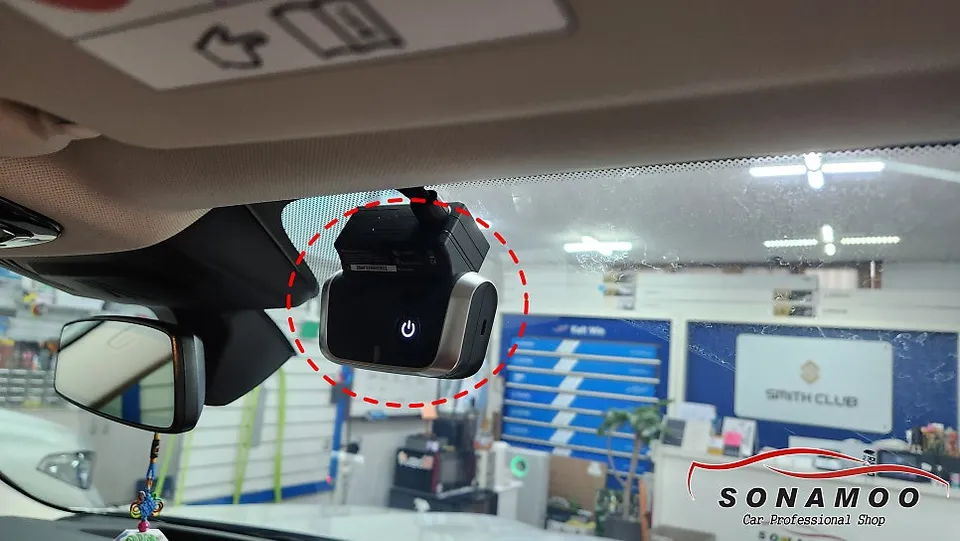
- Camera Placement: The installer will determine the optimal position for the front and rear cameras, usually on the windshield and rear window, respectively, to ensure a clear field of view.
- Wiring Routing: Power and connection cables are carefully routed through the car's interior trim, often along the headliner and A-pillars, to conceal them completely.
- Hardwiring (Optional): For parking mode functionality, the dash cam is hardwired to the car's fuse box, ensuring continuous power supply.
- Testing and Tidying: The system is tested to ensure it's functioning correctly, and any excess wiring is secured to prevent noise or interference.
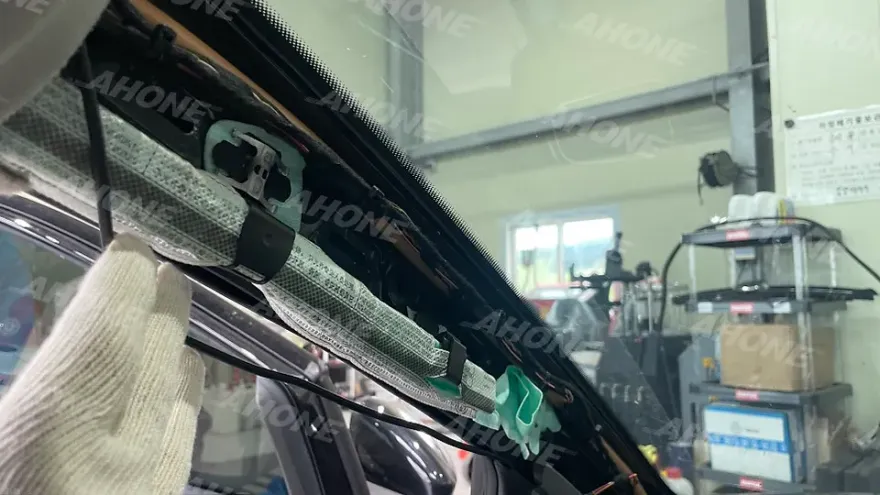
Durability, Maintenance, and Value Proposition
A professionally installed dash cam, whether it's a simple black box camera or a comprehensive front and rear system, is designed for durability. The components themselves are built to withstand typical automotive temperature fluctuations. Maintenance is generally minimal, often limited to occasional cleaning of the camera lens and ensuring the memory card is functioning correctly. The primary value of a dash cam lies in its ability to record incidents, providing crucial evidence in case of accidents, deterring vandalism, and offering peace of mind. For a Volkswagen Golf owner, the decision to install a dash cam often comes down to weighing the upfront cost against the potential benefits of recorded evidence and enhanced security, especially with parking mode features.
In Korea, similar integrated systems like high-pass toll devices can cost upwards of 300,000 KRW (approximately $220 USD), with installation taking around 3-4 hours. While dash cam costs can vary significantly based on the unit and installation complexity, this provides a benchmark for the investment involved in professional, integrated automotive electronics. The longevity of these systems is often considered semi-permanent, with the main consideration being the lifespan of the electronic components and the memory card.
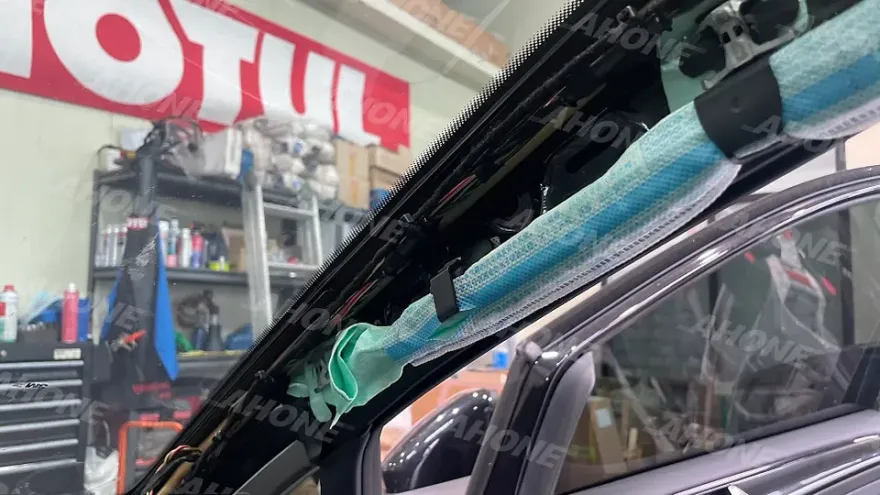
Frequently Asked Questions
Q. How much does dash cam installation cost for a Volkswagen Golf?
Professional dash cam installation, similar to integrated toll systems in Korea, can start around 300,000 KRW (approx. $220 USD). Costs vary based on the specific dash cam model and installation complexity.
Q. How long does dash cam installation take on a Volkswagen Golf?
Professional dash cam installation typically takes about 3 to 4 hours, allowing for same-day completion. Ensure the memory card is periodically checked and the lens is kept clean for optimal performance.
Q. Is a hardwired dash cam worth it over a self-install for a Volkswagen Golf?
A hardwired dash cam is worth it for continuous parking mode surveillance and a cleaner, integrated look. Professional installation ensures safe wiring, especially around airbags, maximizing the value and reliability of the system.
Q. How is a dash cam professionally installed on a Volkswagen Golf?
1. Optimal camera placement on the windshield/rear window is determined. 2. Wires are discreetly routed through interior trim and along existing channels. 3. For parking mode, the unit is hardwired to the fuse box. 4. The system is tested, and all wiring is secured for a clean finish.
Q. What is the difference between a 1-channel and 2-channel dash cam for a Volkswagen Golf?
A 1-channel dash cam records only the front view, while a 2-channel (front and rear) dash cam provides comprehensive coverage of both the road ahead and behind. For maximum security, a 2-channel system is recommended.
OhCar Partner Shop