Volkswagen Golf PPF Installation Review — Cost
Service Price
$40–80
Estimated price · Actual price may vary by shop
Before
After
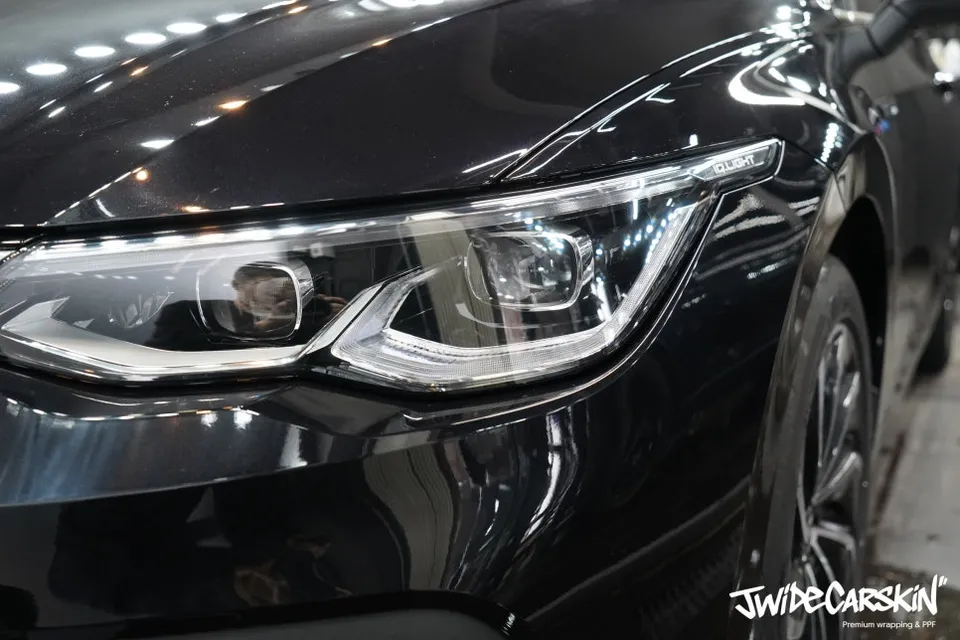
Process photos
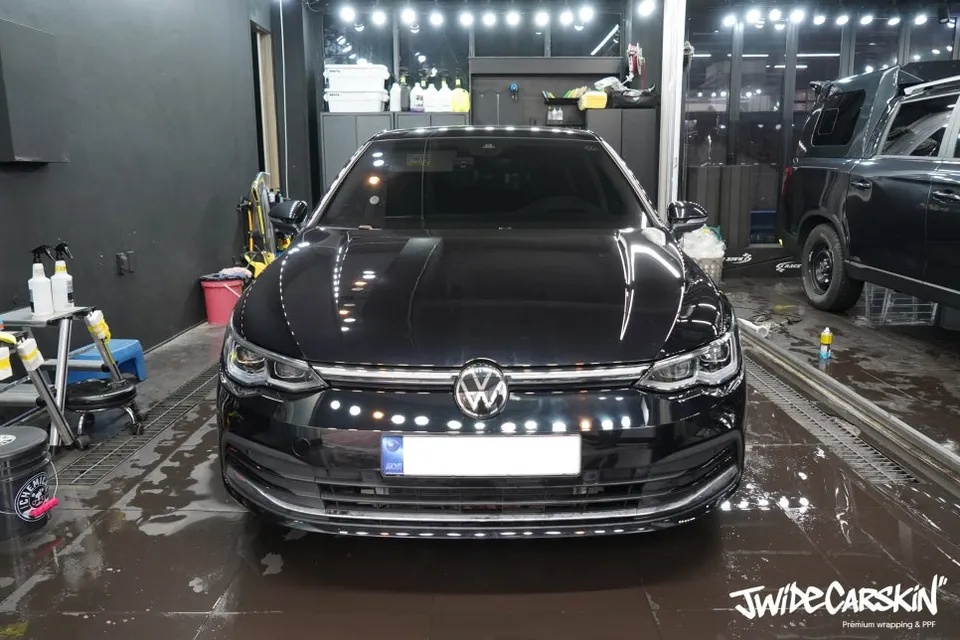
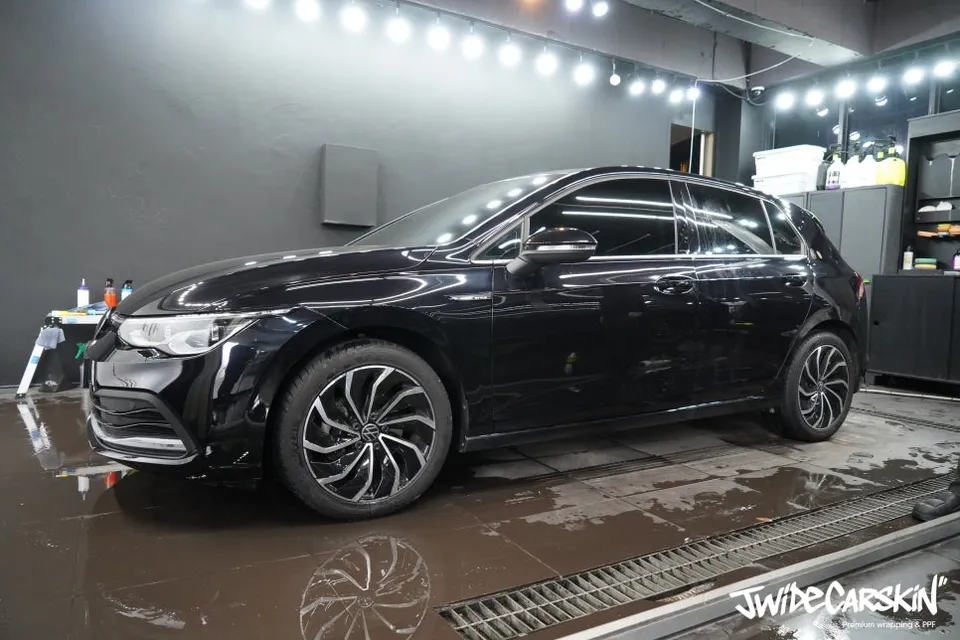
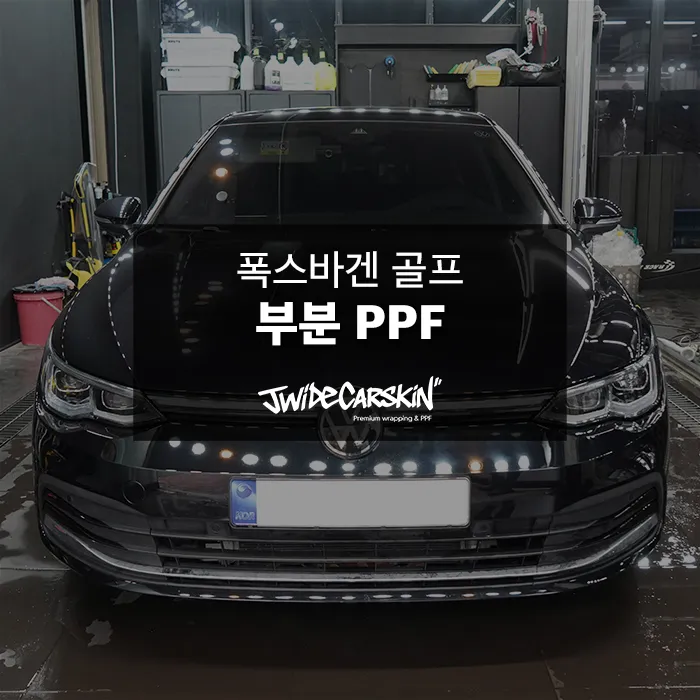
VW Golf Paint Protection Film for headlights: Cost varies by coverage. Protects against rock chips and scratches.
Protecting Your Volkswagen Golf's Headlights with PPF
The Volkswagen Golf 8th generation boasts a sleek design and advanced lighting. However, its prominent headlights are vulnerable to damage from road debris, UV rays, and environmental contaminants. Small chips and scratches can quickly detract from the car's appearance, especially on darker paintwork. This guide explores the benefits of Paint Protection Film (PPF) for your Golf's headlights, drawing from a recent installation experience in Gwanggyo, South Korea.
Why Headlight Protection is Crucial
Headlights are more than just aesthetic components; they are vital for driving safety. Accumulating micro-scratches can reduce light transmission, diminishing nighttime visibility. In severe cases, damaged headlights may require costly replacement, a significant expense for imported vehicles. To prevent this, many owners opt for PPF application immediately after purchasing a new car. This can cover headlights, front bumpers, and hoods – areas prone to impact. Options range from partial kits to full vehicle wraps, allowing owners to tailor the protection to their needs and budget.
Choosing the Right Film and Preparation
For this Volkswagen Golf headlight protection, Ultrafit PPF was selected. This film is recognized for its clarity and self-healing properties, making it ideal for light-transmitting surfaces. Ultrafit PPF offers three key advantages: high durability against sharp objects and impacts, excellent UV resistance to preserve the original paint color, and a self-healing capability where minor scratches disappear when heated, maintaining a like-new appearance.
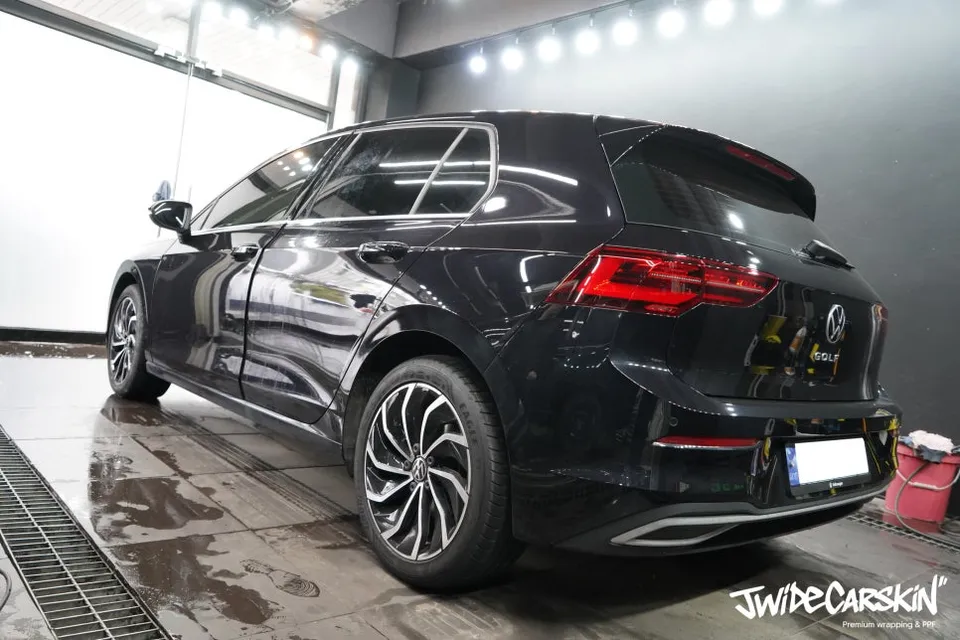
The Installation Process: Precision is Key
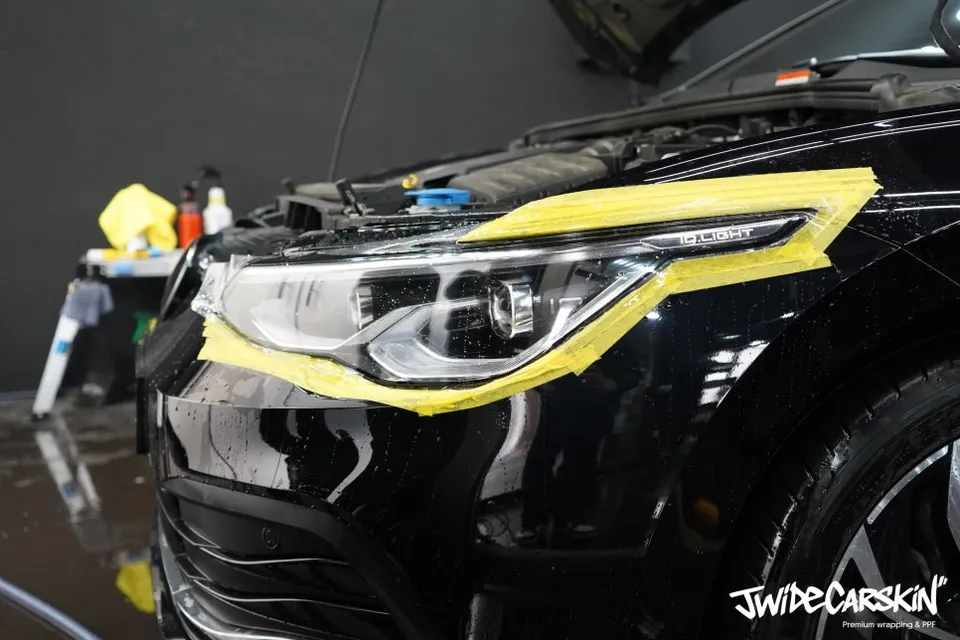
Successful PPF application hinges on meticulous preparation. The headlight surface must be thoroughly cleaned to remove all impurities, including oils and mineral deposits. Even microscopic particles need to be eliminated for optimal film adhesion. The Golf's headlights feature complex curves and varying material hardness, necessitating precise cutting. A combination of hand-cutting and computer-aided design (CAD) patterns is used, with a higher proportion of hand-cutting often required for intricate curves to ensure a natural fit.
The application stage demands the most concentration. The installer uses a specialized solution to control the film's tackiness, ensuring proper adhesion without trapping air bubbles. Balancing the timing of application is critical – too fast and air gets trapped, too slow and the adhesive loses its grip. This requires significant experience and skill. The goal is to achieve a seamless finish that looks as if no film has been applied, meticulously conforming to every curve.
This specific installation paid close attention to the boundary between the headlight and the hood, ensuring a clean, integrated look.
Frequently Asked Questions
Q. How much does PPF cost for a Volkswagen Golf?
The cost for PPF on a Volkswagen Golf can vary significantly based on the coverage area, with headlight protection typically ranging from $40-$80 in the US market. Full front-end kits or complete vehicle wraps will be considerably more expensive.
Q. How long does PPF last on a Volkswagen Golf?
High-quality PPF can last for 5-10 years when properly maintained. Regular cleaning with mild soap and water, and avoiding abrasive materials, will help preserve its clarity and self-healing properties.
Q. Is PPF worth it for a Volkswagen Golf?
PPF is a worthwhile investment for Volkswagen Golf owners concerned about maintaining their vehicle's appearance and resale value. It offers superior protection against rock chips, scratches, and environmental damage compared to other options.
Q. How is PPF installed on a Volkswagen Golf?
1. The surface is meticulously cleaned and decontaminated. 2. The PPF is precisely cut (often using a plotter or hand-cut) to match the vehicle's contours. 3. A slip solution is applied, and the film is carefully squeegeed onto the surface to eliminate air bubbles and ensure full adhesion. 4. Heat is often applied to help the film conform to curves and activate self-healing properties.
Q. What is the difference between PPF and ceramic coating for a Volkswagen Golf?
PPF provides a physical barrier against impact damage like rock chips and scratches, while ceramic coating offers a hydrophobic layer that enhances gloss and makes cleaning easier but provides minimal physical protection. For impact resistance, PPF is the superior choice.
OhCar Partner Shop
More ppf Reviews
See all →
More Volkswagen Reviews
Pair with Another Service
Add hydrophobic protection on top of PPF
Complete your new car protection package