Volkswagen T-Roc Oem Options Installation Review — Cost
Service Price
$approx. $1,500+
Estimated price · Actual price may vary by shop
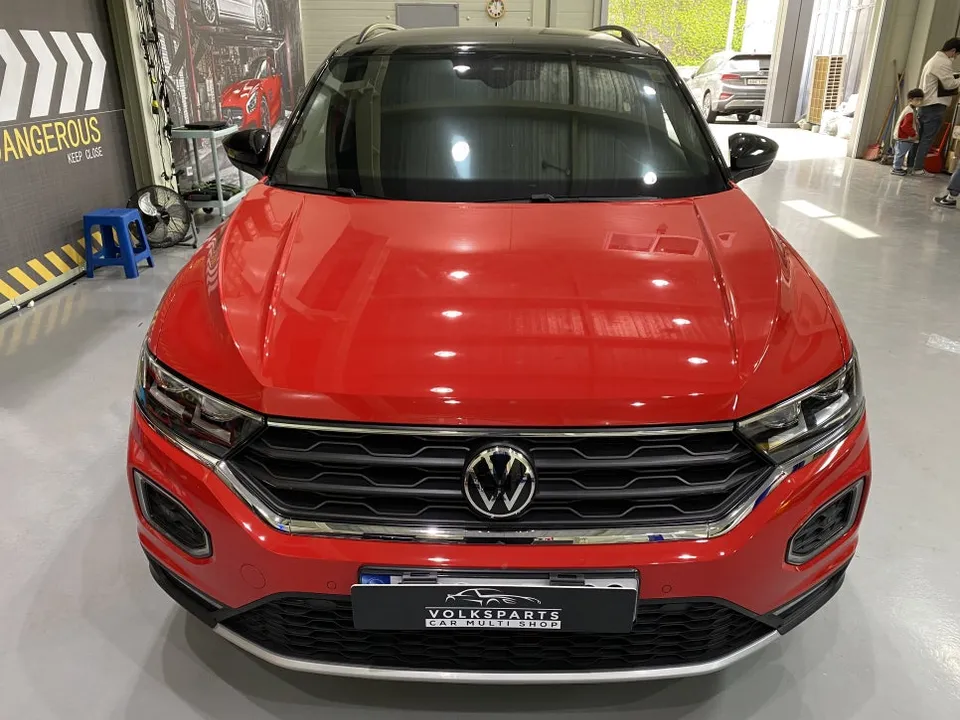
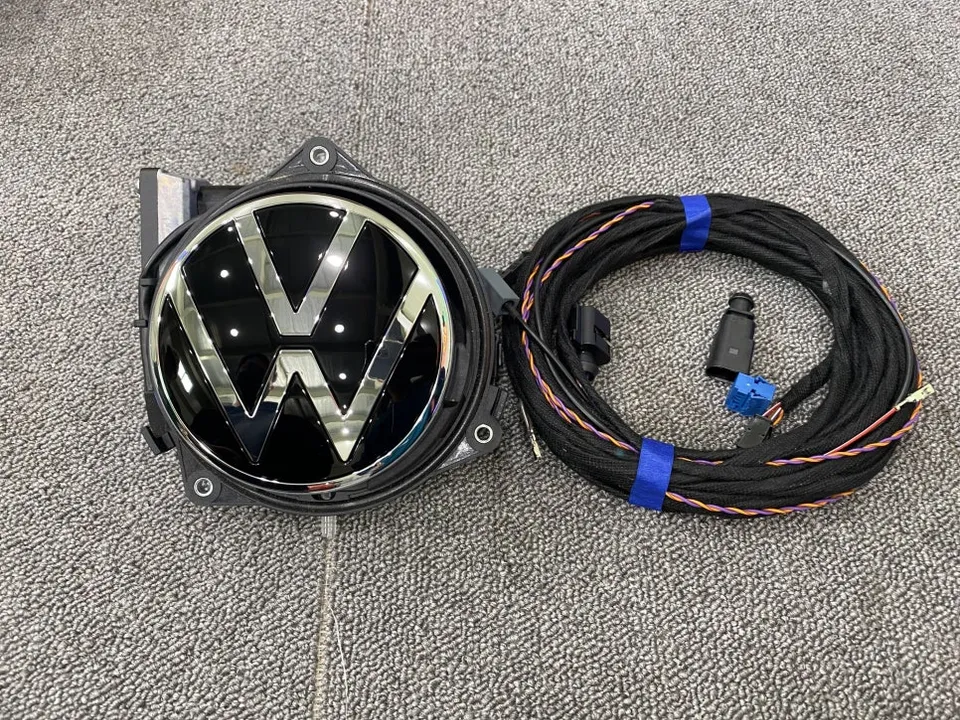
VW T-Roc OEM rear camera upgrade: Approx. $1,500+. Enhances parking safety with clear, dynamic guidelines.
Enhance Your Volkswagen T-Roc with OEM Factory Options
The Volkswagen T-Roc, a popular compact SUV, often leaves potential buyers wanting more, especially when it comes to essential features like a rear-view camera. While higher trims include this, many models lack this crucial safety and convenience feature as standard. This review delves into the process and value of retrofitting OEM options, specifically focusing on a factory-upgrade rear camera system for the T-Roc. This isn't just about adding a gadget; it's about significantly improving parking safety and driver confidence, particularly in today's increasingly complex driving environments. The original Korean context highlights that many accidents stem from not seeing obstacles or pedestrians behind the vehicle, a risk dramatically reduced by a functioning rear camera.
OEM Options: Types, Costs, and Installation Process
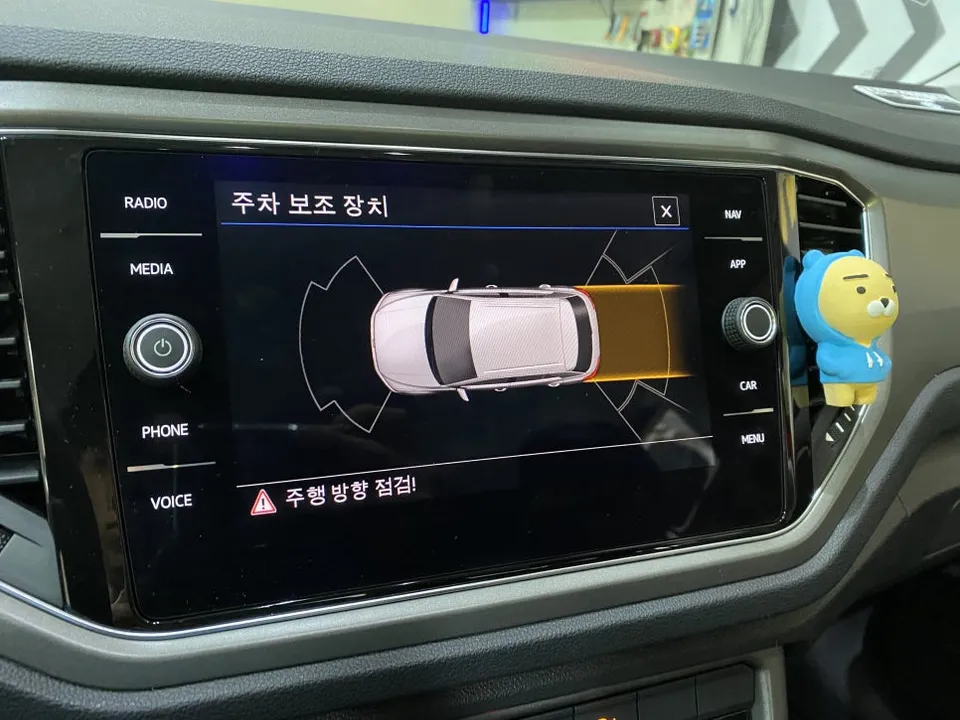
For the Volkswagen T-Roc, OEM rear camera options typically fall into two main categories. The base version displays parking lines but lacks dynamic guidelines. The premium version includes the PASS (Parking Assist System) function, which provides dynamic steering-assist lines that adapt to your steering input, offering more intuitive guidance during reversing. Naturally, the premium option comes at a higher price point due to its advanced functionality. The cost for these factory upgrades in Korea can range from approximately 1.5 to 2.8 million KRW (roughly $1,100 - $2,000 USD, depending on exchange rates and specific options), with the PASS-equipped models being at the higher end. These figures are estimates and can vary based on the installer and parts availability.
The installation process, as performed by specialists in Korea, is meticulous:
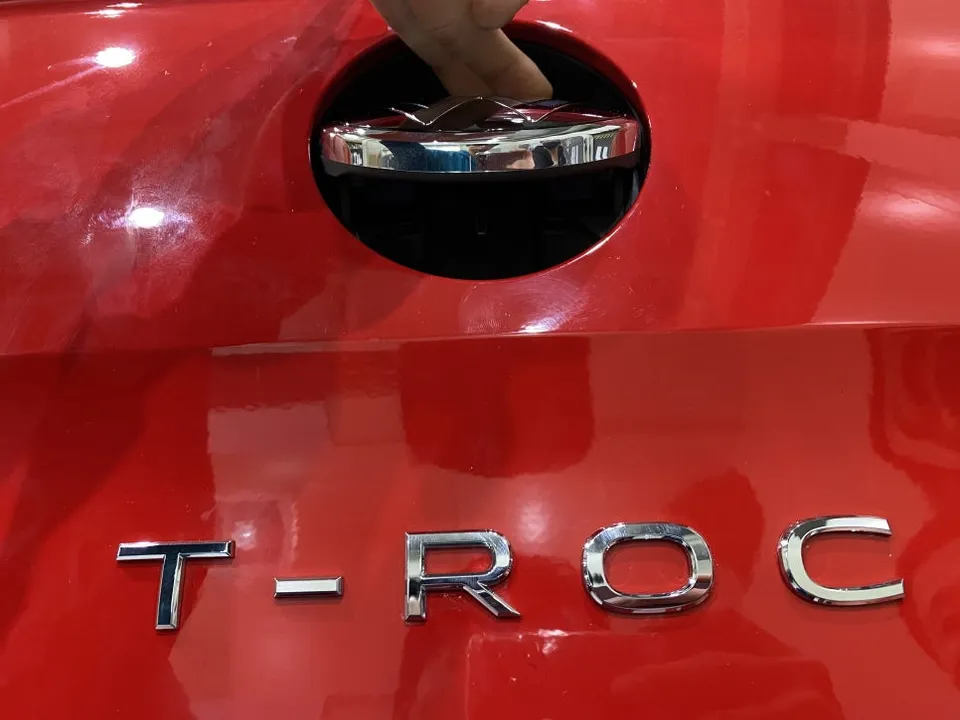
- Preparation: The installer carefully masks the T-Roc's trunk area to prevent any scratches during the disassembly and reassembly process. The trunk handle, which houses the camera in the upgraded system, is removed.
- Component Installation: The OEM folding rear camera unit replaces the existing trunk handle. Wiring is then carefully routed through the vehicle's interior, connecting to the infotainment system. A critical step involves navigating the specific wiring harness common in VW SUVs, which uses pin-type rubber hoses that can be fragile if mishandled. Experienced technicians are aware of these potential pitfalls.
- System Coding: Simply installing the hardware isn't enough. The vehicle's infotainment system (Volkswagen's 'Commander') must be coded to recognize and display the rear camera feed. This requires specialized diagnostic equipment and software, typically performed by authorized dealers or specialized aftermarket shops with the correct tools and expertise. This step usually takes 30 minutes to an hour.
- Testing and Finalization: Once coded, the system is tested by engaging reverse gear to ensure the camera activates and displays correctly on the dashboard screen, complete with dynamic guidelines if the premium option was chosen. The folding mechanism of the camera is also verified.
Durability, Maintenance, and Is It Worth It?
OEM Volkswagen rear cameras are generally built to last, with an expected lifespan of around 3 to 5 years. While the camera unit itself is weatherproof, the folding mechanism, due to frequent use, can experience wear over time. In cold weather, the folding mechanism might become stiff; it's advisable to let the automatic function operate without forcing it. When washing the vehicle, avoid directing high-pressure water jets directly at the camera lens to prevent water ingress. Gentle cleaning with a soft cloth is recommended. If condensation forms on the lens, a microfiber cloth can usually clear it. With proper care, the system can remain functional for over five years.
Considering the cost, which can range from approximately $1,500+ in the US market for such retrofits, the decision to install OEM options like a rear camera on a T-Roc is a significant one. However, the enhanced safety, convenience, and the reduction in potential parking-related accidents often justify the investment, especially for families or drivers who frequently navigate tight parking spaces. The peace of mind and improved driving experience are substantial benefits. The Korean context suggests this is a worthwhile upgrade, particularly for drivers accustomed to the convenience of rear cameras.
Frequently Asked Questions
Q. How much does OEM option and factory upgrade installation cost for a Volkswagen T-Roc?
In Korea, OEM rear camera retrofits for the VW T-Roc range from approximately 1.5 to 2.8 million KRW (roughly $1,100 - $2,000 USD). US pricing for similar factory option retrofits typically starts around $1,500+.
Q. How long does OEM options installation take on a Volkswagen T-Roc?
The installation and system coding for OEM rear camera options on a Volkswagen T-Roc typically takes about 3 to 4 hours. For durability, expect the system to last 3-5 years with proper maintenance, such as avoiding direct high-pressure washing on the camera lens.
Q. Are OEM options worth adding after purchase for a Volkswagen T-Roc?
Yes, adding OEM options like a rear camera significantly enhances parking safety and driver confidence, making it a worthwhile upgrade for T-Roc owners. The investment provides substantial benefits in accident prevention and daily convenience.
Q. How are OEM factory options installed on a Volkswagen T-Roc?
Installation involves replacing the trunk handle with an OEM camera unit, routing wiring to the infotainment system, and performing system coding to activate the display. The process requires careful handling of vehicle wiring and specialized diagnostic tools.
Q. What is the difference between dealer-installed options and aftermarket upgrades for a Volkswagen T-Roc?
OEM factory options, whether installed at the dealership or by a specialist, are designed and integrated by the manufacturer for seamless compatibility and performance. Aftermarket upgrades may offer similar functionality but can sometimes lack the perfect integration or long-term reliability of genuine OEM parts.
Q. What should I know before getting OEM Options on a Volkswagen T-Roc? (common regrets and mistakes)
The most common regret is not opting for the premium version with dynamic parking assist lines, which significantly aids maneuvering. To avoid this, ensure you understand the difference between static and dynamic guidelines before installation.
Fox Parts