Volkswagen Tiguan OEM Options Review: Cost & Results
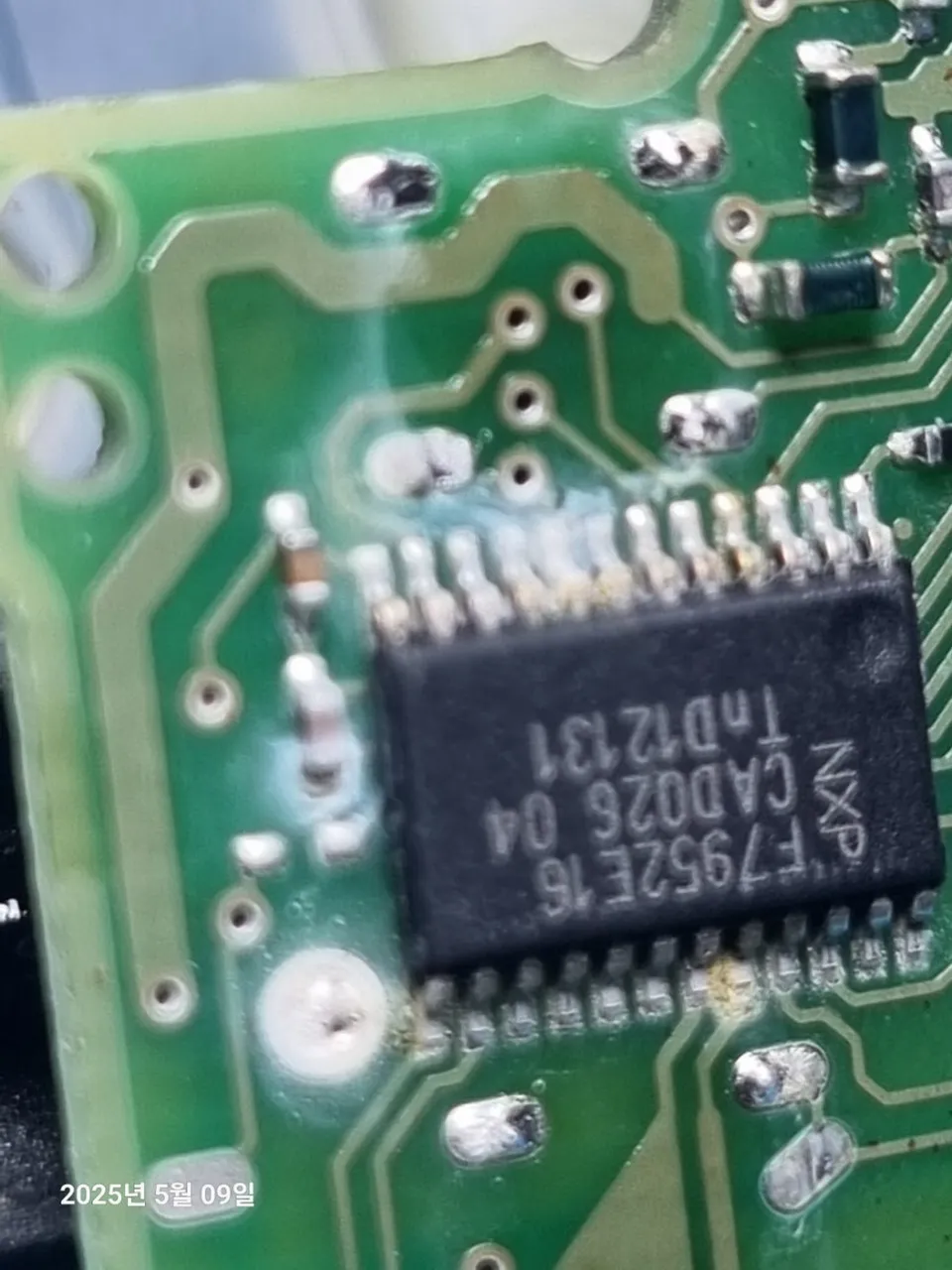
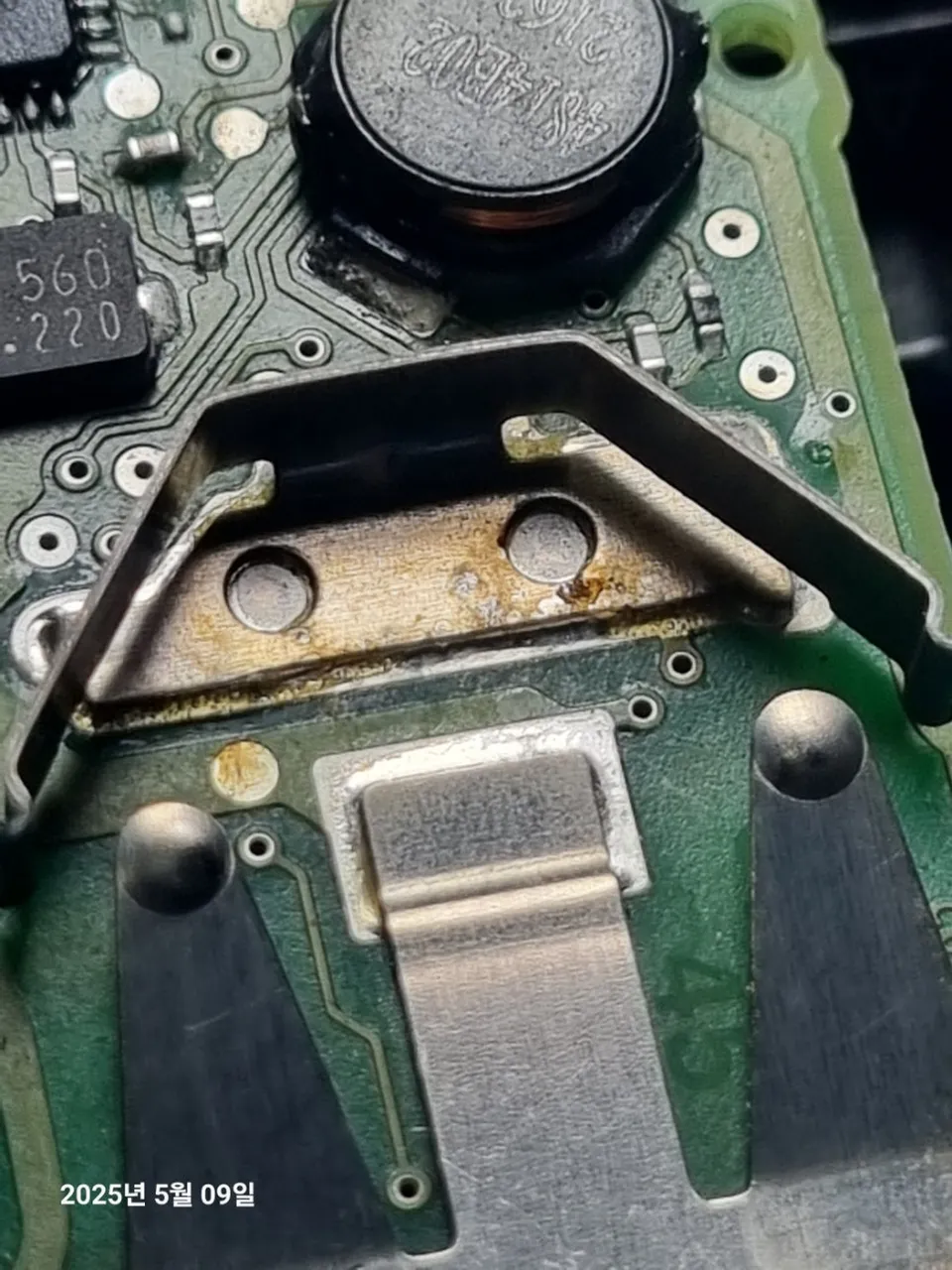
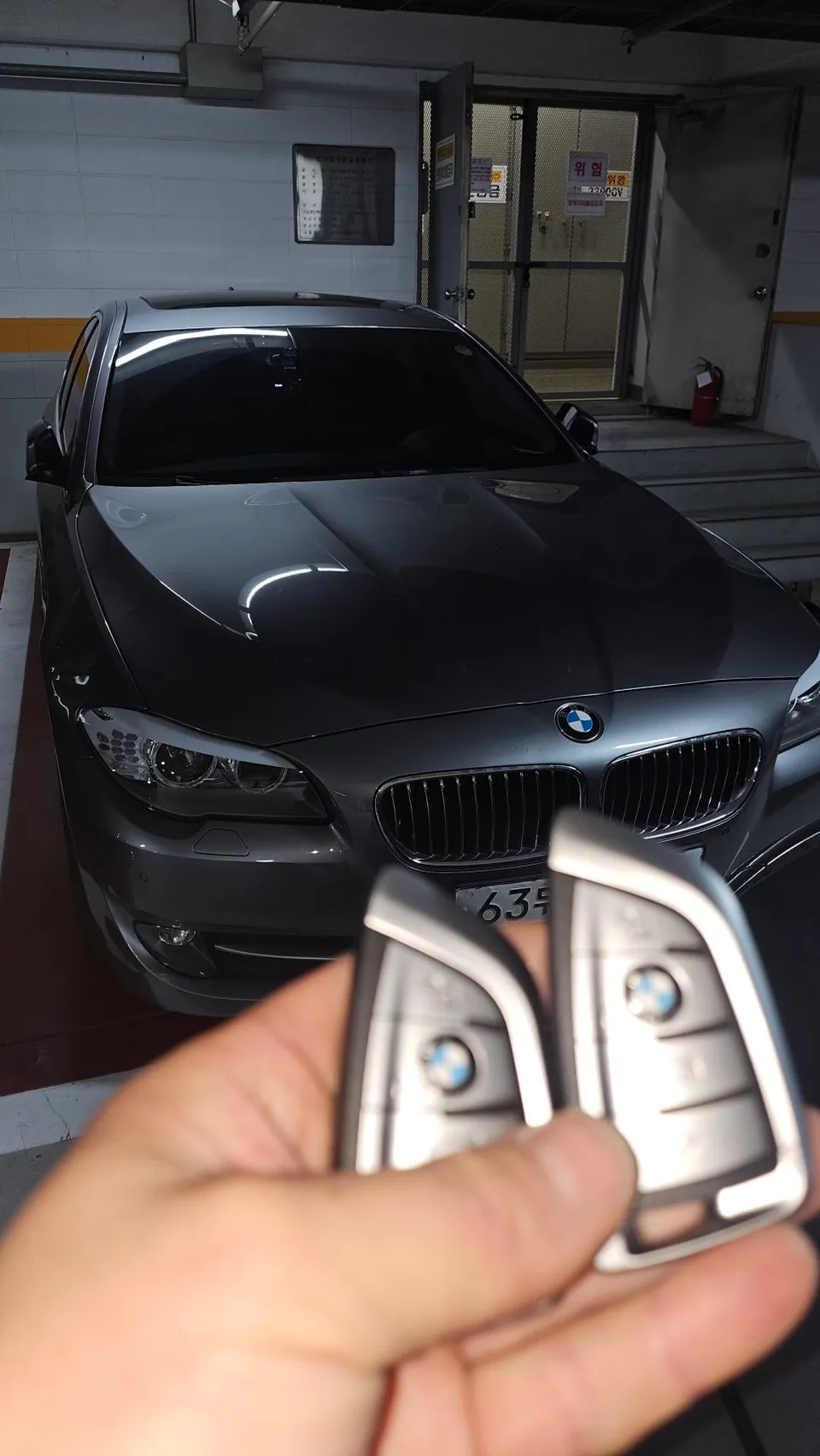
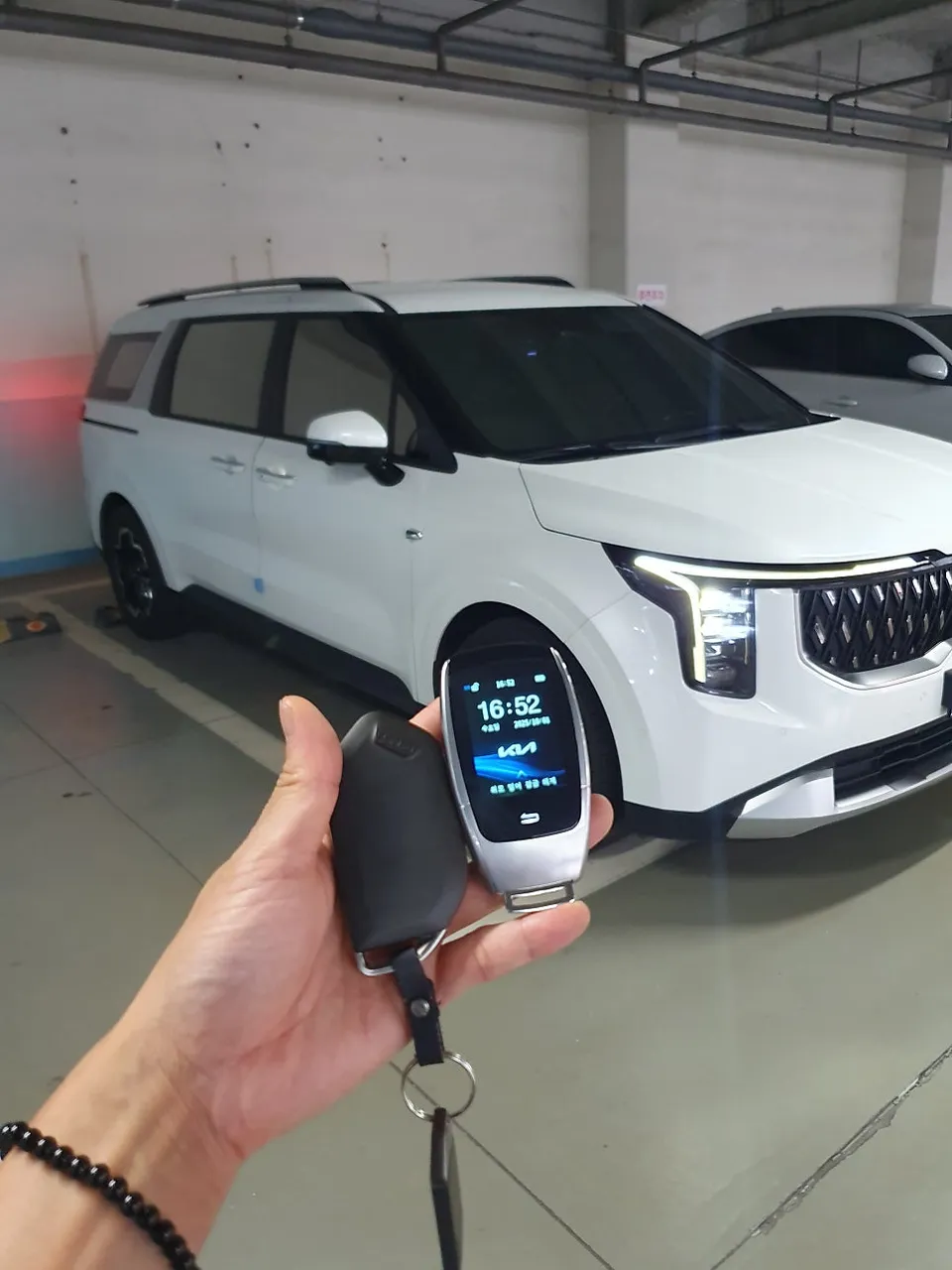
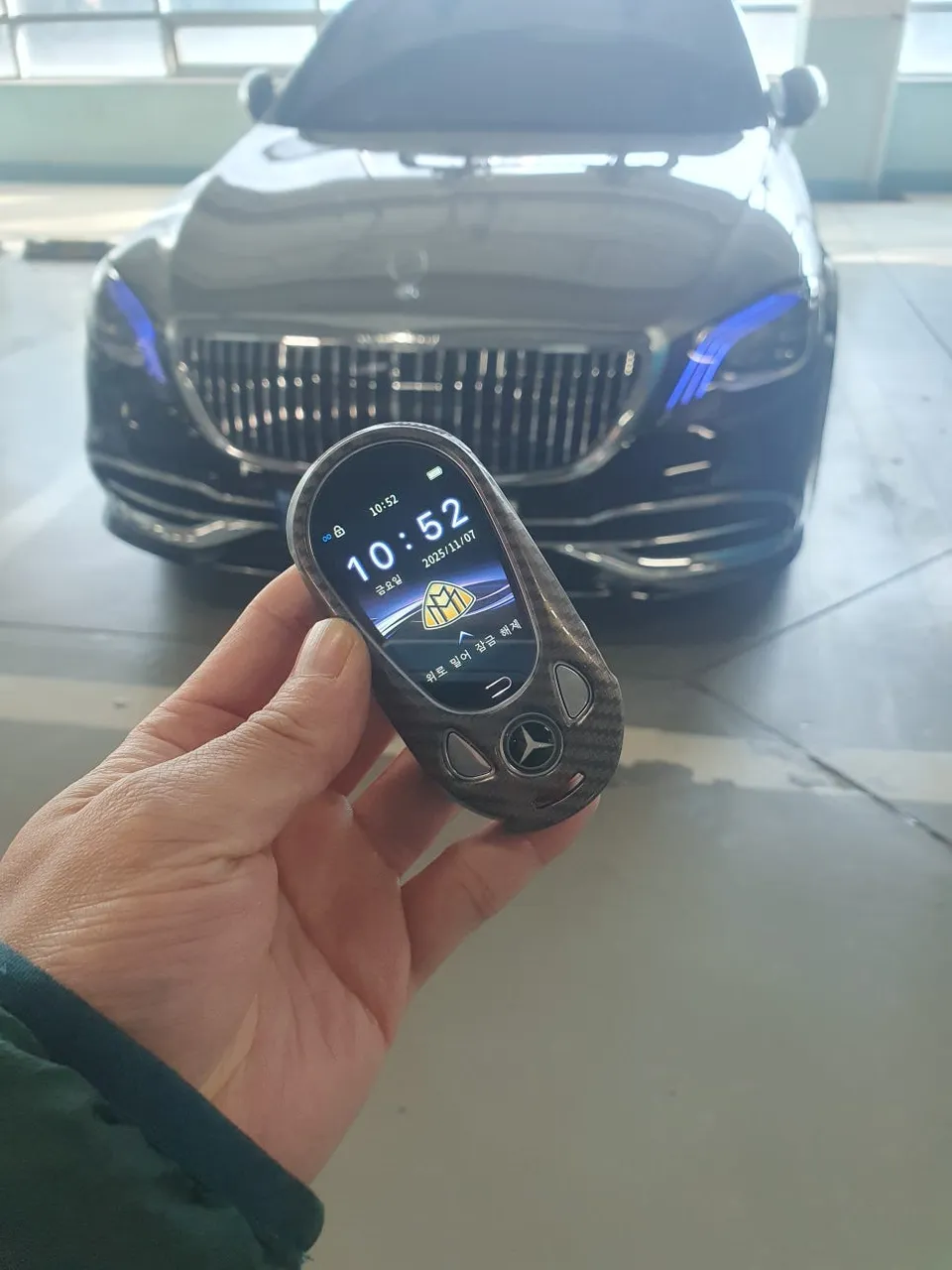
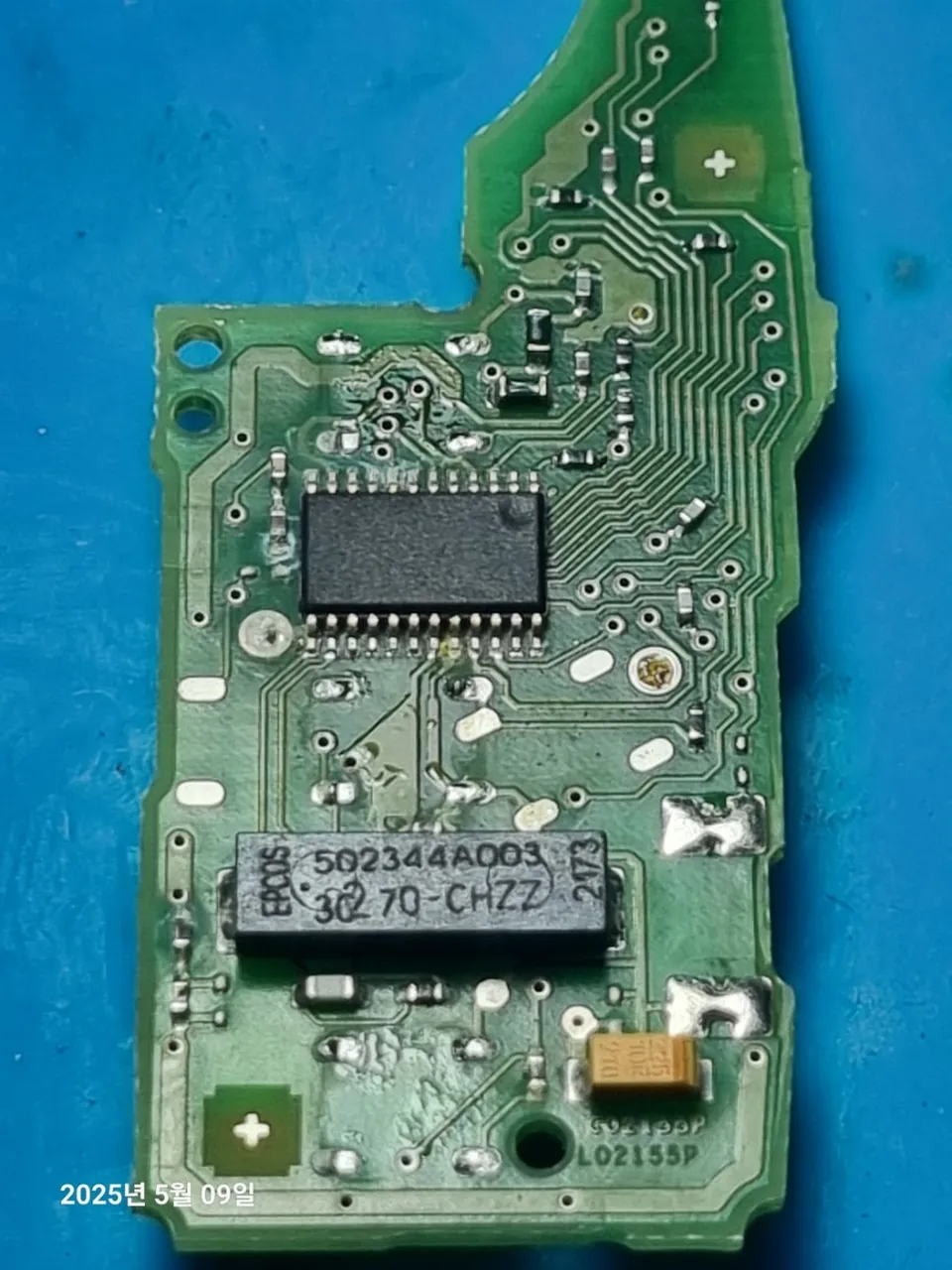
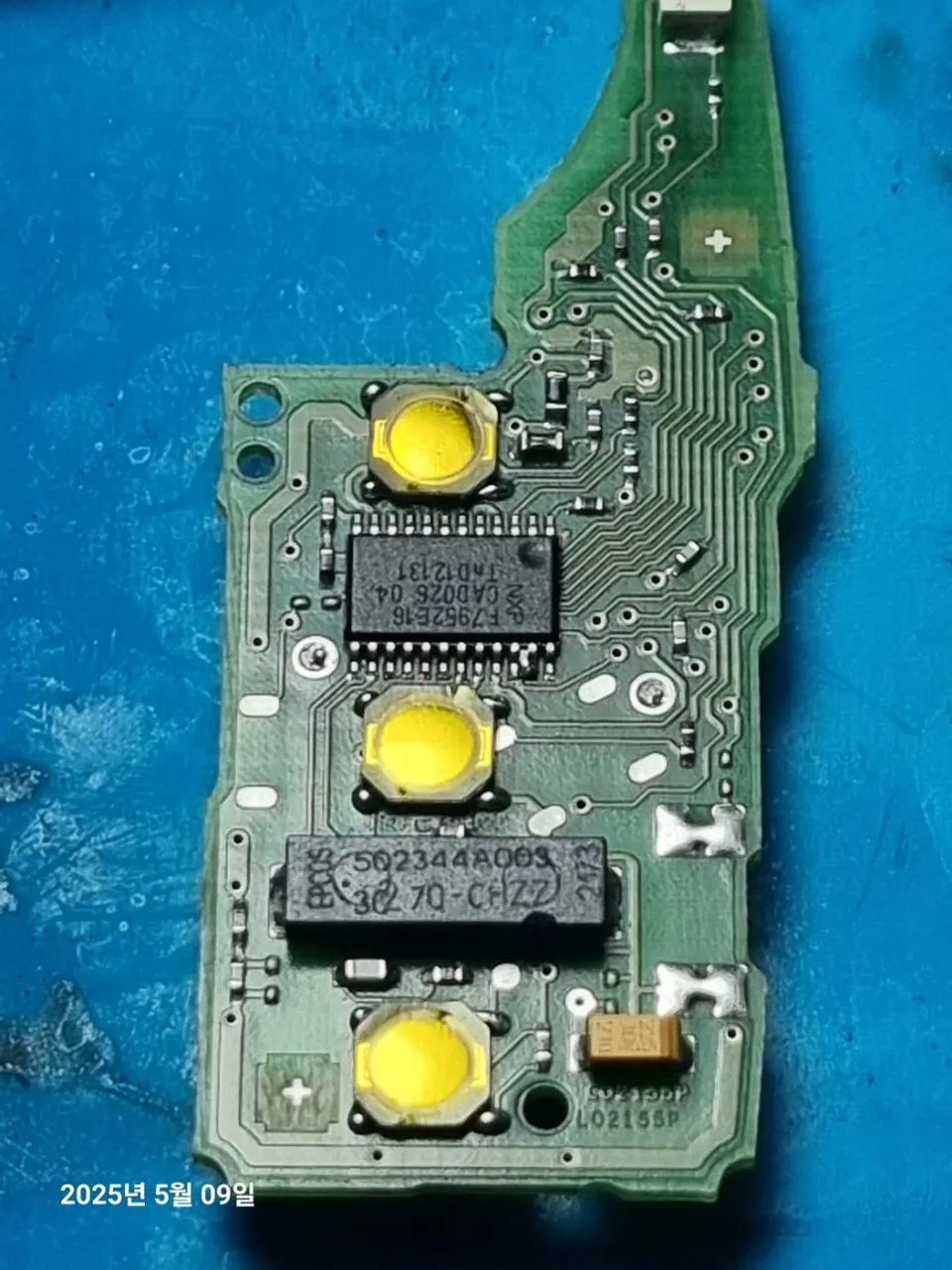
Volkswagen Tiguan key repair: ~₩100,000 ($75). Restored water-damaged circuit and replaced case for full functionality.
Understanding OEM Options for Your Volkswagen Tiguan
When considering upgrades for your Volkswagen Tiguan, the term "OEM options" often comes up. OEM, which stands for Original Equipment Manufacturer, refers to parts and features that are designed and produced by the same company that manufactured your car. This means that when you opt for OEM options, you're essentially getting factory-approved enhancements that are built to the exact specifications of your Tiguan. This contrasts with aftermarket parts, which are made by third-party companies and may not always integrate as seamlessly or meet the same quality standards. For Tiguan owners looking to enhance their vehicle's functionality or aesthetics, choosing OEM options ensures a perfect fit and maintains the vehicle's original integrity. This review will delve into the cost, installation, and overall value of these factory upgrades.
Cost and Installation of Factory Upgrades
The cost of OEM options for a Volkswagen Tiguan can vary significantly depending on the specific feature you're interested in. Simple retrofits, like adding a different trim piece or a mild electronic enhancement, might be relatively inexpensive. However, more complex installations, such as upgrading infotainment systems or adding advanced driver-assistance features, can incur higher costs. In Korea, where this service was performed, the cost for the key repair and case replacement detailed in the source material was approximately ₩100,000 (roughly $75 USD), which is a fraction of the cost of a new key fob. This specific repair involved restoring a water-damaged circuit board and replacing the key casing, bringing a non-functional key back to full working order. For other factory upgrades, such as adding a factory-fitted tow hitch or enhanced lighting, you could expect prices ranging from a few hundred to over a thousand dollars, depending on the complexity and the specific dealer or service center. It's crucial to get a detailed quote from your Volkswagen dealership to understand the exact OEM options cost for your desired upgrade.
Durability, Results, and Decision Making
One of the primary advantages of choosing OEM options is their inherent durability and reliability. Because these parts are manufactured to the same standards as your original Tiguan components, they are designed to last and perform optimally for the lifespan of the vehicle. The "before and after" results are typically seamless integration and improved functionality. For instance, a successful OEM retrofit will look and operate as if it came standard on the car from the factory. The key repair mentioned in the source context provides a perfect example: a non-functional, water-damaged key was completely restored, demonstrating a dramatic positive outcome. When deciding if OEM options are worth it, consider the longevity and the guaranteed compatibility. While they might sometimes be more expensive upfront than aftermarket alternatives, the peace of mind, superior fit, and sustained performance often justify the investment for many Tiguan owners. For those seeking to maintain their vehicle's resale value and ensure the highest level of quality, OEM options are generally the preferred choice.
Installation Process:
- Diagnosis of the issue or desired upgrade.
- Ordering of the specific OEM part or kit from the manufacturer.
- Careful installation by a certified technician to ensure proper integration.
- Testing of the new feature to confirm it functions correctly with the vehicle's systems.
Frequently Asked Questions
Q. How much does OEM option and factory upgrade installation cost for a Volkswagen Tiguan?
The cost for specific OEM options on a Volkswagen Tiguan varies greatly by feature, with the key repair in the source material costing approximately ₩100,000 (around $75 USD). More complex factory upgrades can range from several hundred to over a thousand dollars in the US.
Q. How long does OEM options installation take on a Volkswagen Tiguan?
The durability of OEM options is generally excellent, designed to match the lifespan of your vehicle. Regular maintenance, as recommended by your dealer for the specific component, will ensure its longevity.
Q. Are OEM options worth adding after purchase for a Volkswagen Tiguan?
OEM options are often worth it for Tiguan owners prioritizing seamless integration, guaranteed compatibility, and long-term reliability. They are particularly beneficial for those looking to maintain vehicle value and ensure factory-level performance.
Q. How are OEM factory options installed on a Volkswagen Tiguan?
Installation typically involves: 1. Diagnosing the need for the upgrade or repair. 2. Procuring the correct OEM part. 3. A certified technician carefully fitting the part to ensure perfect integration with existing systems. 4. Thorough testing to confirm full functionality.
Q. What is the difference between dealer-installed options and aftermarket upgrades for a Volkswagen Tiguan?
OEM dealer-installed options are manufactured by the car's maker for perfect fit and quality, while aftermarket upgrades are made by third-party companies and may vary in quality and compatibility. For guaranteed integration and durability, OEM options are generally recommended.
OhCar Partner Shop