Frequently Asked Questions About Audi A4 Ambient Lighting Installation Cost
How long does ambient lighting installation typically take?
Professional ambient lighting installation typically takes 4–6 hours for a complete single-zone system, or 6–10 hours for comprehensive multi-zone setups. Dealerships sometimes schedule appointments requiring 1–2 days to accommodate their service queue, though actual work time is shorter. DIY installation extends the timeline to 6–10 hours across multiple days, as you'll need time to research techniques and work carefully without specialized tools. Complex integrations with MMI systems can add another 2–4 hours if custom programming is required.
Will ambient lighting affect my vehicle's warranty?
Factory OEM ambient lighting installations at authorized Audi dealerships don't affect your warranty—you're simply adding available options your vehicle supports. Aftermarket installations can potentially void portions of your electrical system warranty, though typically only if the installation directly causes damage. To protect yourself, always use reputable shops that warranty their work, and request documentation confirming that installations don't damage existing factory systems. Some aftermarket installers provide their own component warranties even if Audi's factory coverage doesn't apply. Always ask about warranty implications before proceeding with independent shops.
Can I install ambient lighting myself, and what are the risks?
DIY ambient lighting installation is technically possible for mechanically inclined owners, especially with quality aftermarket kits that include detailed instructions. However, risks are significant: improper electrical connections can damage your vehicle's fuse box, drain your battery, trigger warning lights, or create intermittent electrical gremlins that are expensive to diagnose. You'll need trim removal tools, a multimeter, and solid understanding of 12-volt systems. Most Audi forums recommend professional installation unless you've successfully completed similar electrical projects. Even small mistakes—reversed polarity, undersized wiring, improper grounding—can create costly problems.
Is there a significant difference between OEM and quality aftermarket ambient lighting?
Quality aftermarket ambient lighting from reputable manufacturers (Bradd & Hall, LED Concepts) performs comparably to OEM systems for basic functionality. However, OEM lighting typically offers superior integration with vehicle electronics, more sophisticated dimming algorithms, and guaranteed compatibility. Aftermarket kits excel in customization—offering more color options, programmable effects, and sometimes superior brightness. The main practical difference: OEM lighting integrates seamlessly but costs $400–$800 more; quality aftermarket systems require professional installation but deliver comparable visual results at lower cost. Your choice depends on whether you prioritize perfect integration (OEM) or value and customization (aftermarket).
What's the difference in cost between basic and multi-zone ambient lighting?
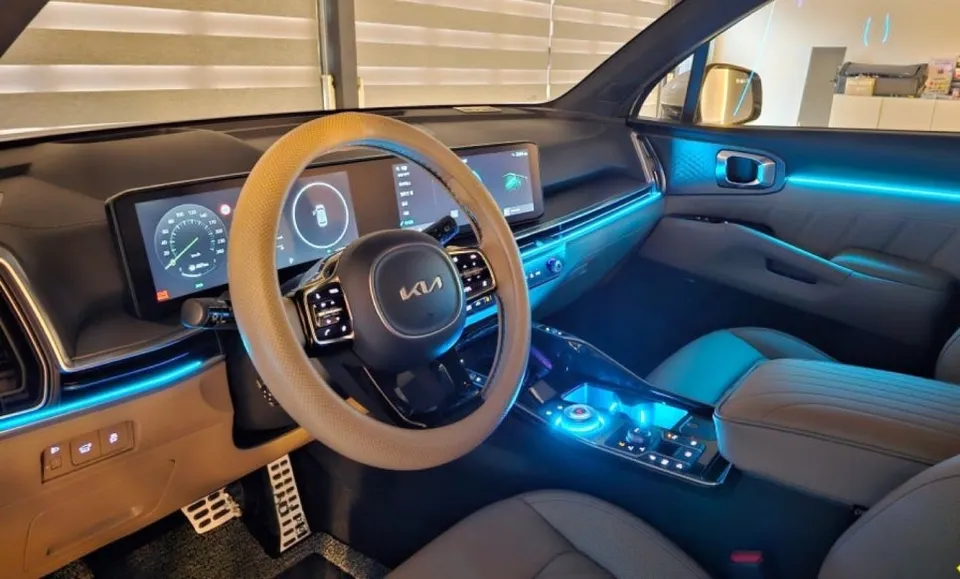
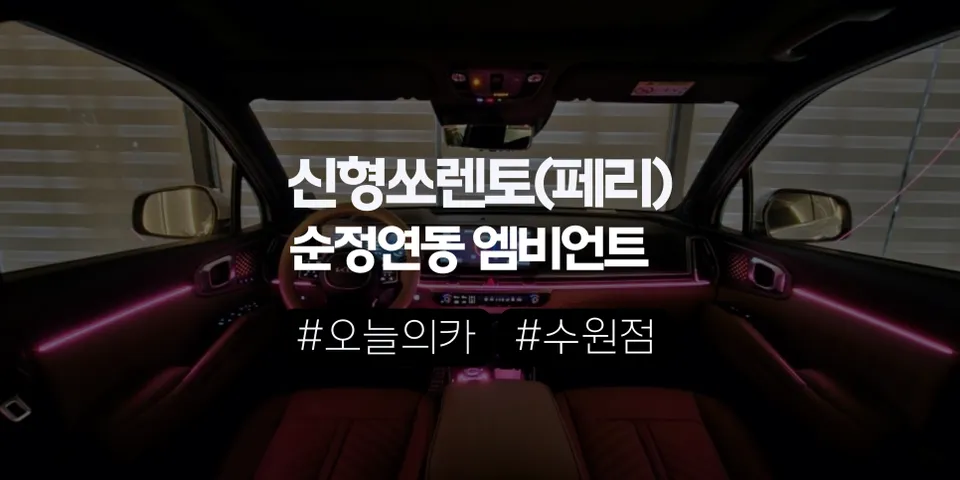
Basic ambient lighting systems (dashboard or footwell only) cost $500–$900 professionally installed, featuring 1–2 zones with limited customization. Mid-range multi-zone systems ($1,000–$1,400) add door panels, ceiling accents, and ambient footwell lighting with better dimming control. Premium multi-zone setups ($1,500–$2,300) include programmable color zones, integration with vehicle mood modes, and sophisticated effects like breathe animations or speed-sync dimming. The cost difference primarily reflects additional wiring complexity and control module sophistication. For most owners, mid-range systems ($1,000–$1,400) represent optimal value, delivering premium cabin atmosphere without excessive complexity.