Mercedes-Benz Ceramic Coating Cost — Tier Breakdown & What's Worth It
Considering a ceramic coating for your Mercedes-Benz? You're in the right place. Understanding the Mercedes ceramic coating cost is crucial before diving in. It's an investment in protecting your luxury vehicle's paintwork, enhancing its shine, and making maintenance a breeze. But what exactly influences the price, and what can you expect to pay? At OhCar, we've analyzed owner experiences and industry standards to bring you a comprehensive breakdown.
A ceramic coating is a liquid polymer that chemically bonds with your vehicle's factory paint, creating a layer of protection that's harder and more durable than traditional waxes or sealants. This means superior resistance to UV rays, chemical stains, minor scratches, and that ever-annoying swirl marks. For a premium vehicle like a Mercedes-Benz, maintaining that showroom finish is paramount, and a ceramic coating is one of the best ways to achieve it.

Understanding the Factors Influencing Mercedes Ceramic Coating Cost
The Mercedes ceramic coating cost isn't a one-size-fits-all figure. Several key factors come into play, each impacting the final price:
1. Vehicle Size and Complexity
Larger vehicles, like a Mercedes-Benz GLS or a Sprinter van, naturally require more product and labor time than a smaller model like a C-Class sedan or a GLA. The complexity of the body panels, the number of intricate areas (like grilles and trim), and the overall surface area all contribute to the time and material cost.
2. Paint Condition and Preparation
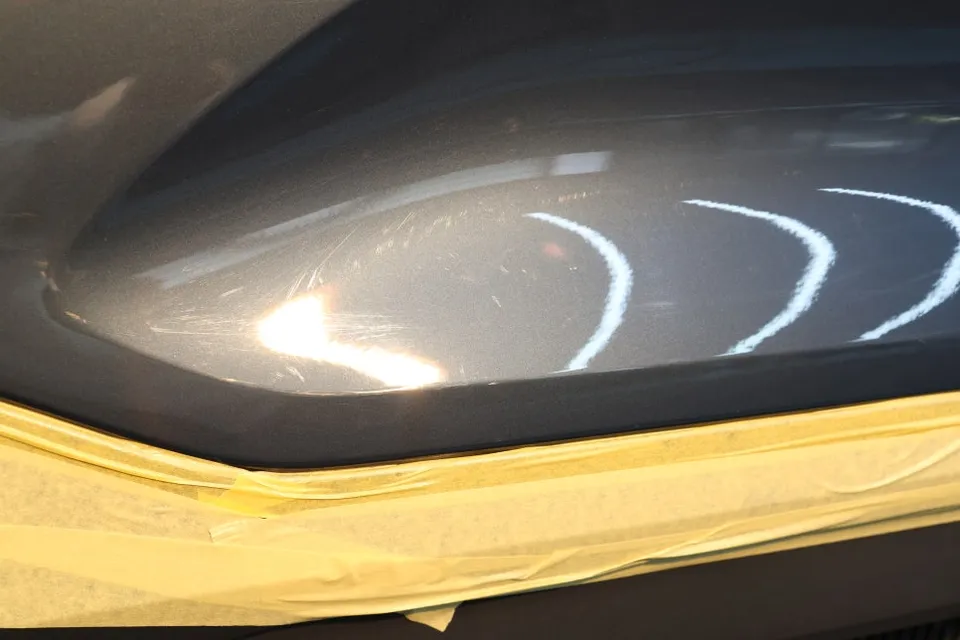
This is perhaps the most significant factor. A brand-new car with pristine paint will require less prep work than a vehicle that has seen years of exposure. Before any coating can be applied, the paint must be meticulously cleaned, decontaminated, and most importantly, de-greased. If there are swirl marks, scratches, or oxidation, these will need to be corrected through paint correction (polishing). The more extensive the paint correction needed, the higher the cost will be. This is why many owners opt for ceramic coating on new vehicles or shortly after purchase to minimize this expense. You can learn more about the general ceramic coating cost guide on our site.
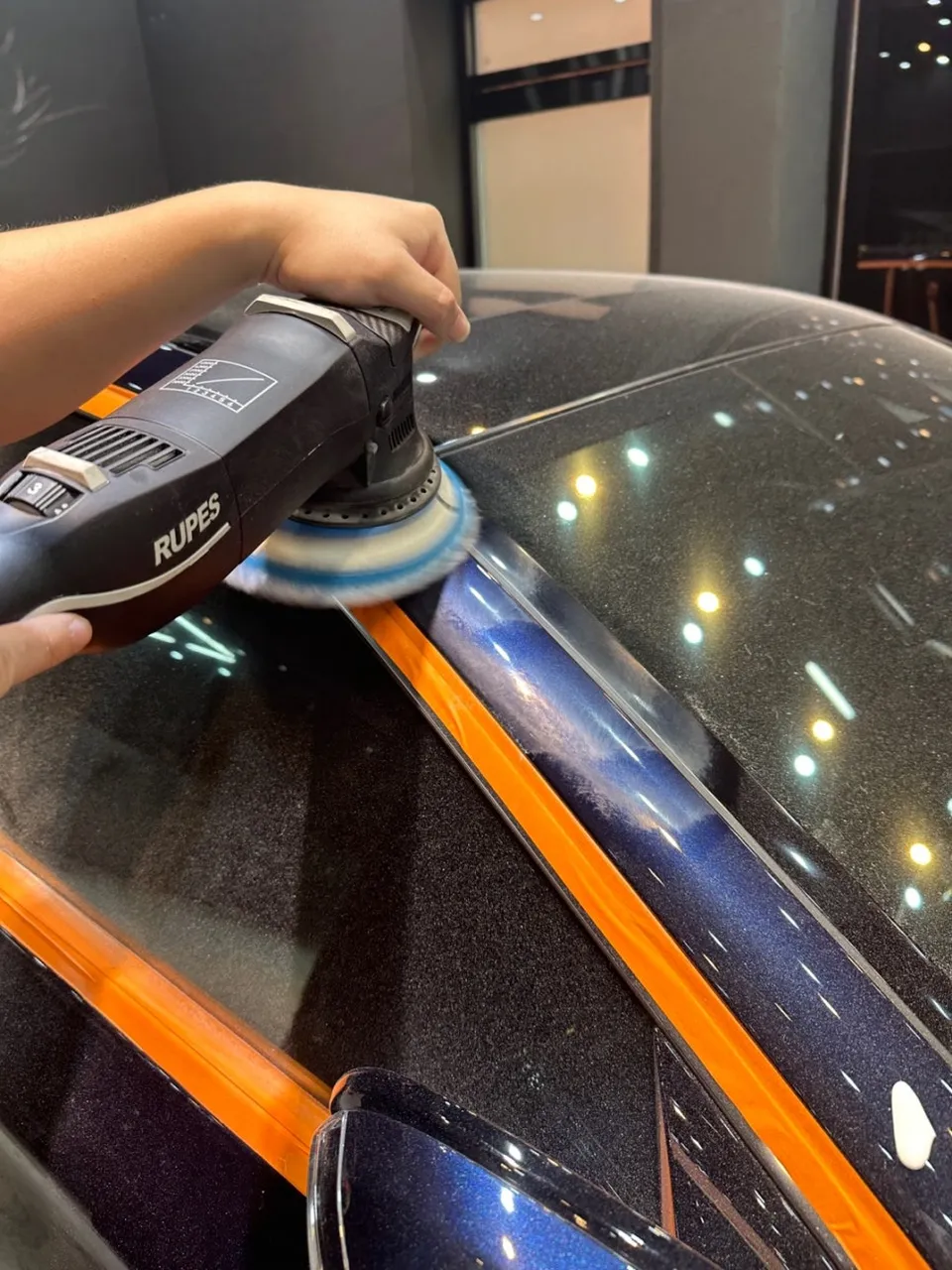
3. Type and Quality of Ceramic Coating Product
Ceramic coatings vary widely in their chemical composition, durability, and warranty. Professional-grade coatings, often applied by certified detailers, tend to be more expensive than DIY kits. These professional products typically offer longer lifespans (e.g., 3-5 years, or even lifetime warranties in some cases) and superior hydrophobic properties. Cheaper, lower-quality coatings might only last a year or two and offer less protection.
4. Labor and Expertise of the Detailer
Applying a ceramic coating is not a simple spray-and-wipe job. It requires skill, precision, and a controlled environment. Professional detailers invest in training, high-quality equipment, and a clean shop. The hourly rate of the detailer, their experience, and the reputation of their business will all factor into the price. A highly reputable shop with years of experience in luxury vehicle detailing will likely charge more than a newer or less specialized business.
5. Number of Coating Layers
Most professional ceramic coating packages include at least one or two layers of the coating. Some premium packages might offer three or more layers for enhanced durability and gloss. Each additional layer adds to the labor and material cost.