Porsche 911 PPF: Front End vs Full Body - Which is Right?
When it comes to protecting your prized Porsche 911, the question of Paint Protection Film (PPF) application often boils down to a crucial decision: front end vs full body. Both offer significant benefits, but understanding the nuances, costs, and coverage areas is key to making the right choice for your specific needs and driving habits. At OhCar Magazine, we've delved deep into owner experiences and expert insights to help you navigate this decision.
Your Porsche 911 is more than just a car; it's a statement, a performance machine, and often, a significant investment. Keeping its paintwork pristine is paramount to maintaining its aesthetic appeal and resale value. PPF, a clear, thermoplastic urethane film, acts as a sacrificial layer, absorbing the impact of stone chips, scratches, and other road debris. But how much of your 911 should be covered? Let's break down the Porsche 911 PPF front end vs full body comparison.
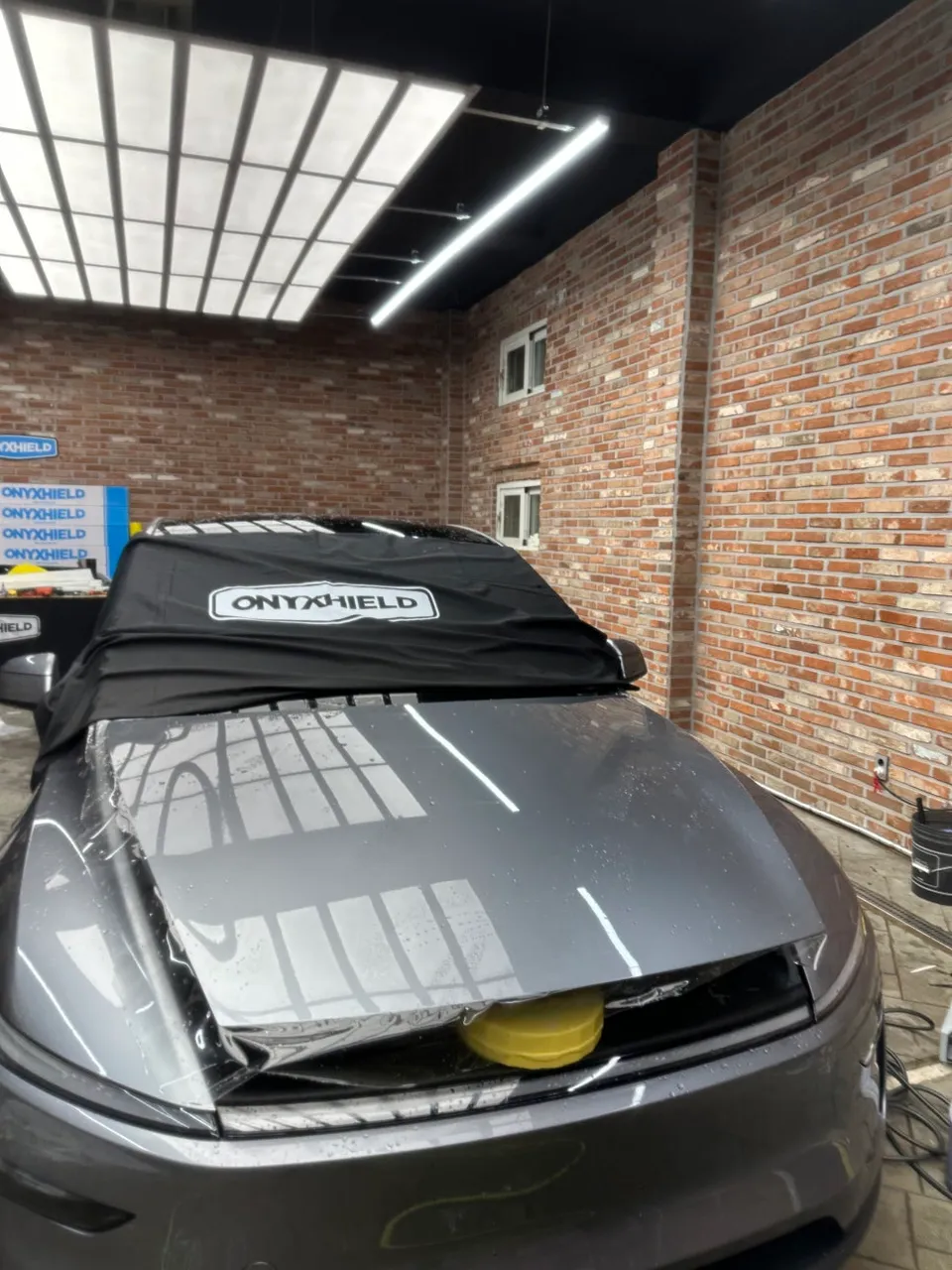
Understanding Paint Protection Film (PPF)
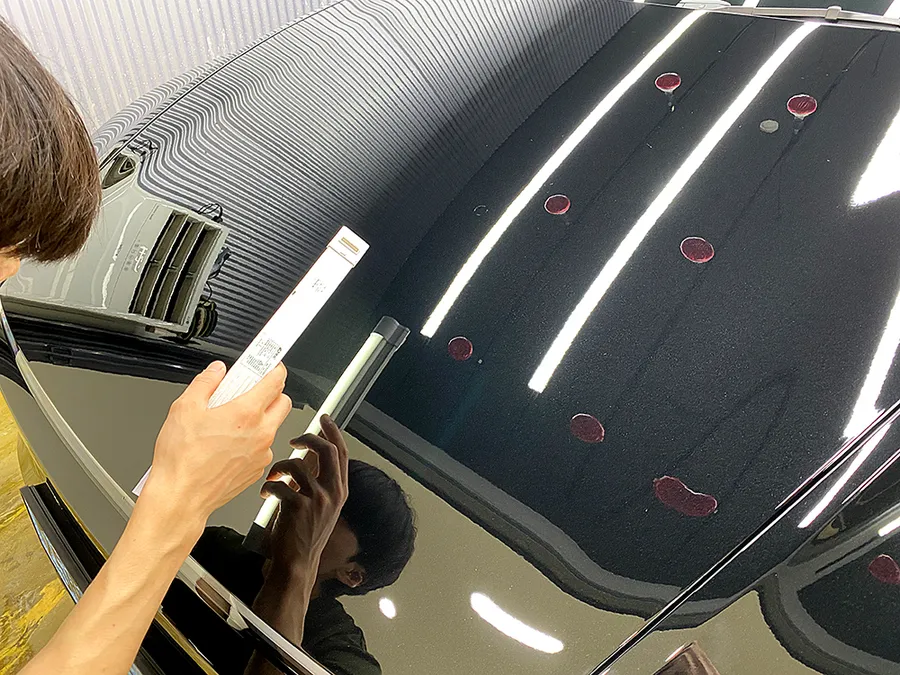
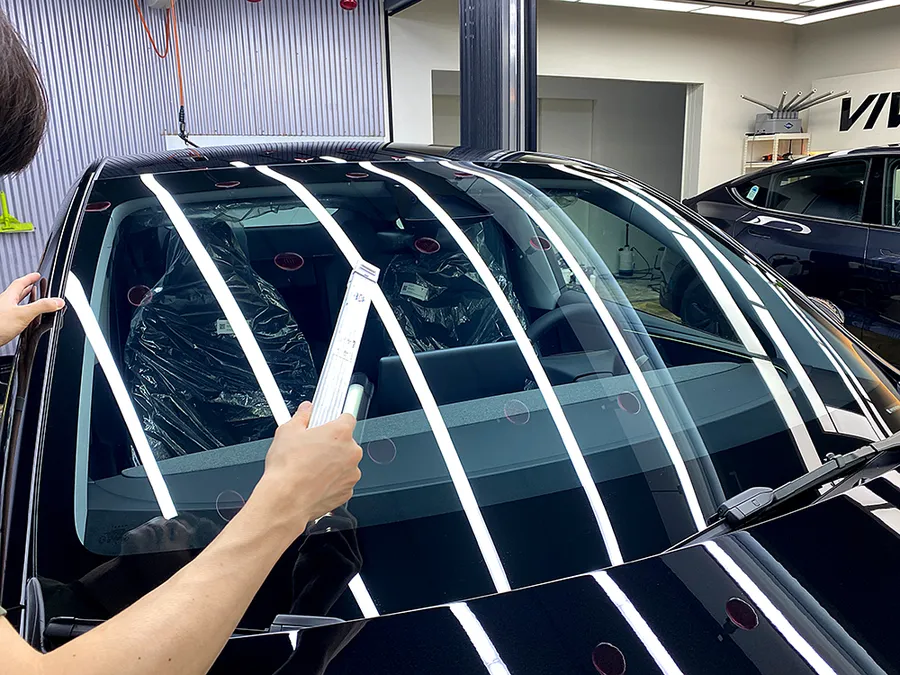
Before we dive into the comparison, let's establish what PPF is and why it's so effective. PPF is a transparent film applied directly to your vehicle's paintwork. Its primary function is to shield the underlying paint from damage. Modern PPF is self-healing, meaning minor scratches and swirl marks can disappear with exposure to heat (like sunlight or warm water). It also provides a glossy finish, often enhancing the look of your car's paint.
Based on 50 owner reviews on OhCar, the consensus is overwhelmingly positive regarding the protective capabilities of PPF. While our reviews span various brands like Tesla, Kia, Mercedes-Benz, BMW, and Hyundai, the core benefits of PPF remain consistent across all makes and models. For instance, a Tesla Model Y PPF Review highlighted the significant reduction in swirl marks after daily driving, a benefit directly transferable to a high-performance vehicle like the Porsche 911.