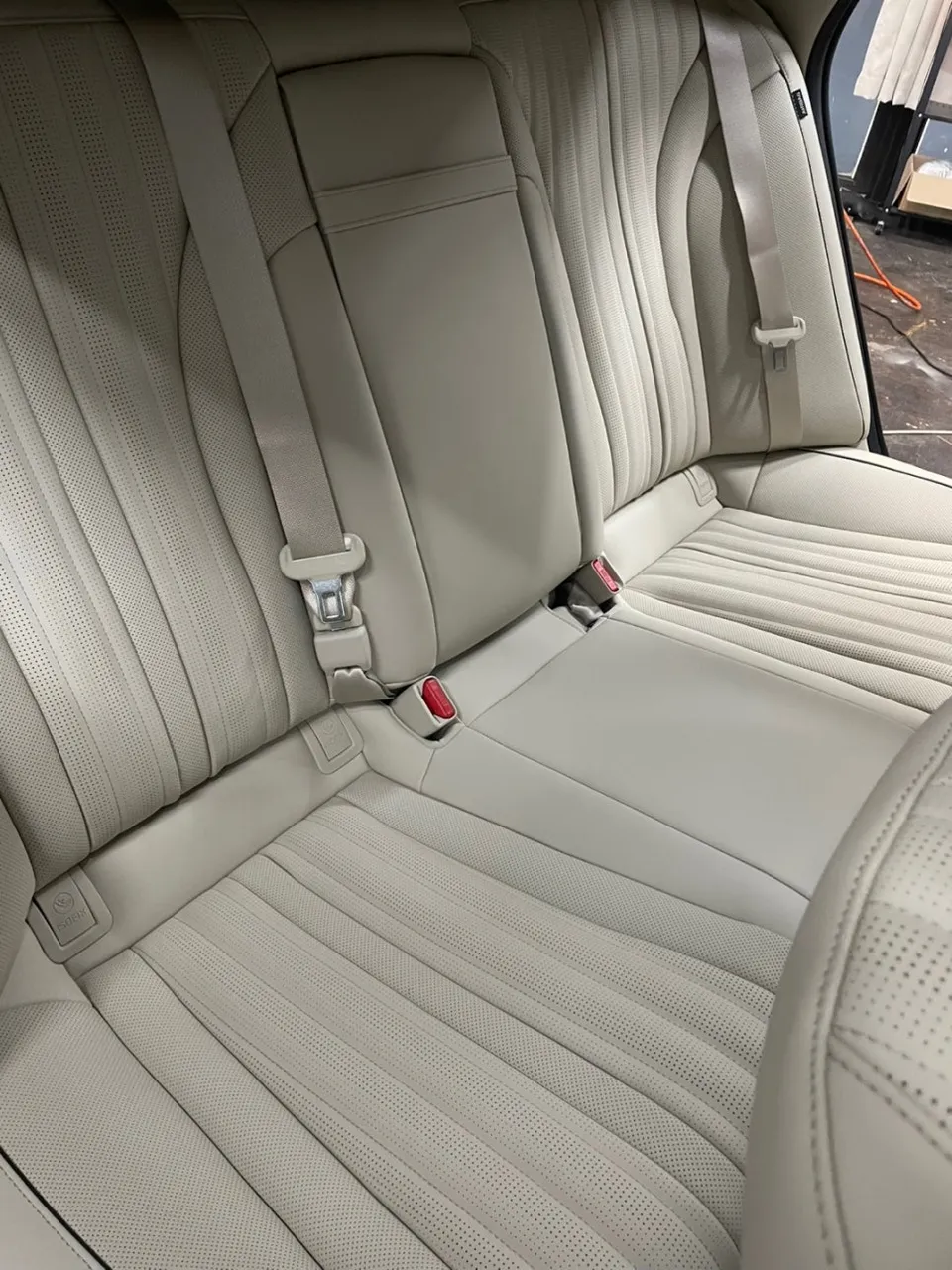
Window Tinting Cost Guide 2026 — Prices by Film Type & Vehicle
Window Tinting Cost Guide 2026 — What You'll Actually Pay
If you're considering window tinting cost for your vehicle, you're probably wondering whether it's worth the investment and what you should expect to spend. Based on 44 owner reviews analyzed on OhCar, we've compiled everything you need to know about window tint pricing, film options, and what affects your final bill.
Window tinting has become increasingly popular among car owners who want privacy, UV protection, heat reduction, and that sleek aesthetic appeal. But pricing varies dramatically depending on several factors—and we're here to break it all down.

Understanding Window Tinting Cost: What Determines Your Price
The window tinting cost for your vehicle isn't a one-size-fits-all situation. Several variables influence what you'll ultimately pay at the shop.
Vehicle Type and Window Count
The size and complexity of your vehicle's windows play a major role in pricing. A compact sedan like the Tesla Model 3 will cost less to tint than a full-size SUV like the Hyundai Palisade or Porsche Cayenne. Our OhCar database shows reviews across various vehicle types, with owners of larger vehicles generally reporting higher installation costs due to the increased square footage of glass requiring coverage.
Most shops calculate tinting costs by the number of windows or by total square footage. A basic sedan might have 6-8 tintable windows (front two side windows, rear side windows, and rear window), while an SUV can have 10+ windows depending on configuration.
Film Quality and Type
Not all window tint films are created equal. The type of film you choose significantly impacts both cost and performance. Premium films offer superior heat rejection, UV protection, and longevity compared to budget alternatives.
Installation Complexity
Curved windows, panoramic sunroofs, and intricate window shapes increase labor costs. The Tesla Model 3, featured in OhCar reviews, has relatively straightforward windows, while luxury vehicles may present more complex installation challenges.
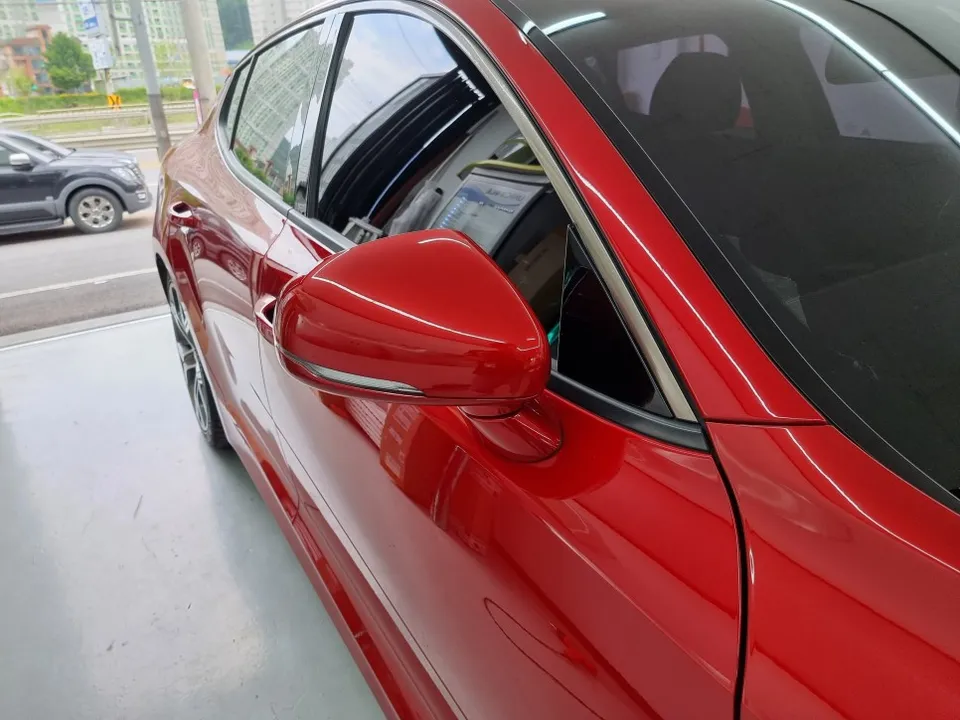
Window Tinting Cost by Film Type
Understanding the different film types available helps you make an informed decision about your investment. Each offers distinct benefits at different price points.
Dyed Window Tint Film
Dyed tint is the most budget-friendly option. This film uses a dye layer to absorb solar heat and block light. While cost-effective initially, dyed films fade over time and offer minimal heat rejection compared to premium alternatives.
Typical cost: $100–$300 per vehicle for full window tinting
Best for: Budget-conscious owners prioritizing aesthetics over performance
Metalized Window Tint Film
Metalized tint contains metallic particles that reflect heat away from your vehicle. This option provides better heat rejection than dyed film and maintains its appearance longer. However, the metallic content can interfere with cell phone signals and radio reception.
Typical cost: $200–$400 per vehicle
Best for: Owners wanting improved heat rejection without premium pricing
Carbon Window Tint Film
Carbon tint uses carbon particles suspended in film layers. This premium option offers excellent heat rejection (around 40% heat reduction), won't fade, and doesn't interfere with electronics. It's noticeably darker in appearance than metalized film and provides superior UV protection.
Typical cost: $300–$600 per vehicle
Best for: Owners seeking durability and significant heat reduction without the highest price tag
Ceramic Window Tint Film
Ceramic tint represents the premium option in window film technology. Using advanced ceramic particles, this film delivers superior heat rejection (up to 50%), maximum UV protection, exceptional clarity, and won't fade or discolor over time. It's the most durable option available.
OhCar reviews of vehicles like the Porsche Cayenne and Lexus ES highlight owners choosing ceramic tints for premium vehicles, recognizing the value of protection for high-end interiors.
Typical cost: $500–$1,200 per vehicle
Best for: Luxury vehicle owners and those prioritizing maximum protection and longevity
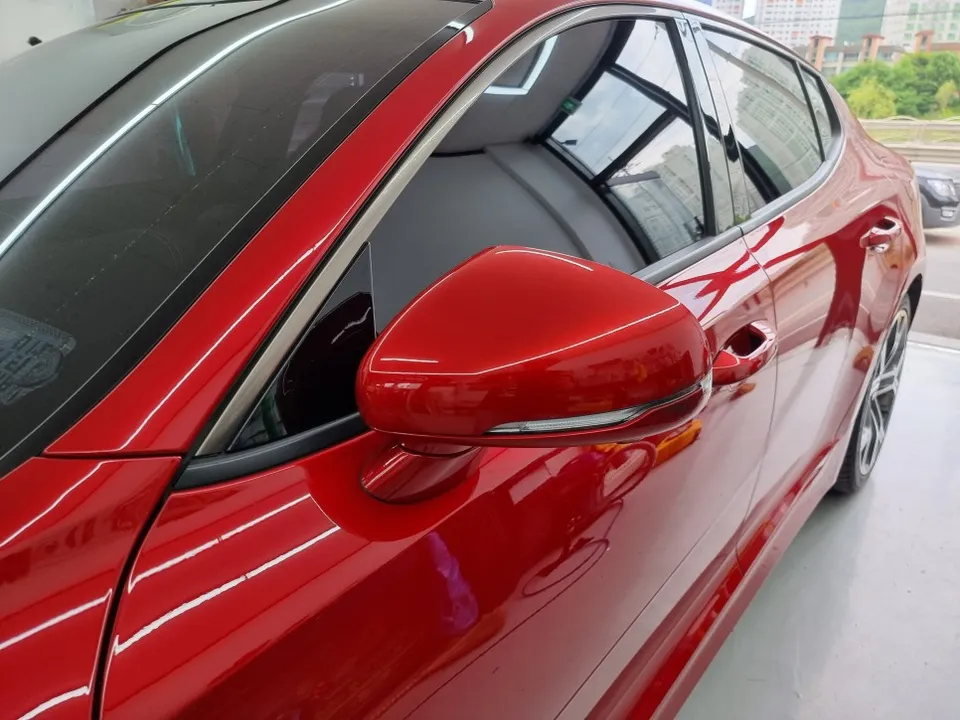
Film Type Comparison Table
| Film Type | Cost Range | Heat Rejection | Durability | UV Protection | Electronics Impact |
|---|---|---|---|---|---|
| Dyed | $100–$300 | Low | Poor (fades) | Moderate | None |
| Metalized | $200–$400 | Moderate | Good | Good | May interfere |
| Carbon | $300–$600 | Excellent | Excellent | Excellent | None |
| Ceramic | $500–$1,200 | Superior | Superior | Maximum | None |
Window Tinting Cost by Vehicle Type
Different vehicles have different pricing structures for window tinting. Based on OhCar's database of 44 reviews, we've identified pricing patterns across popular vehicle categories.
Compact Sedans (Tesla Model 3, Hyundai K5)
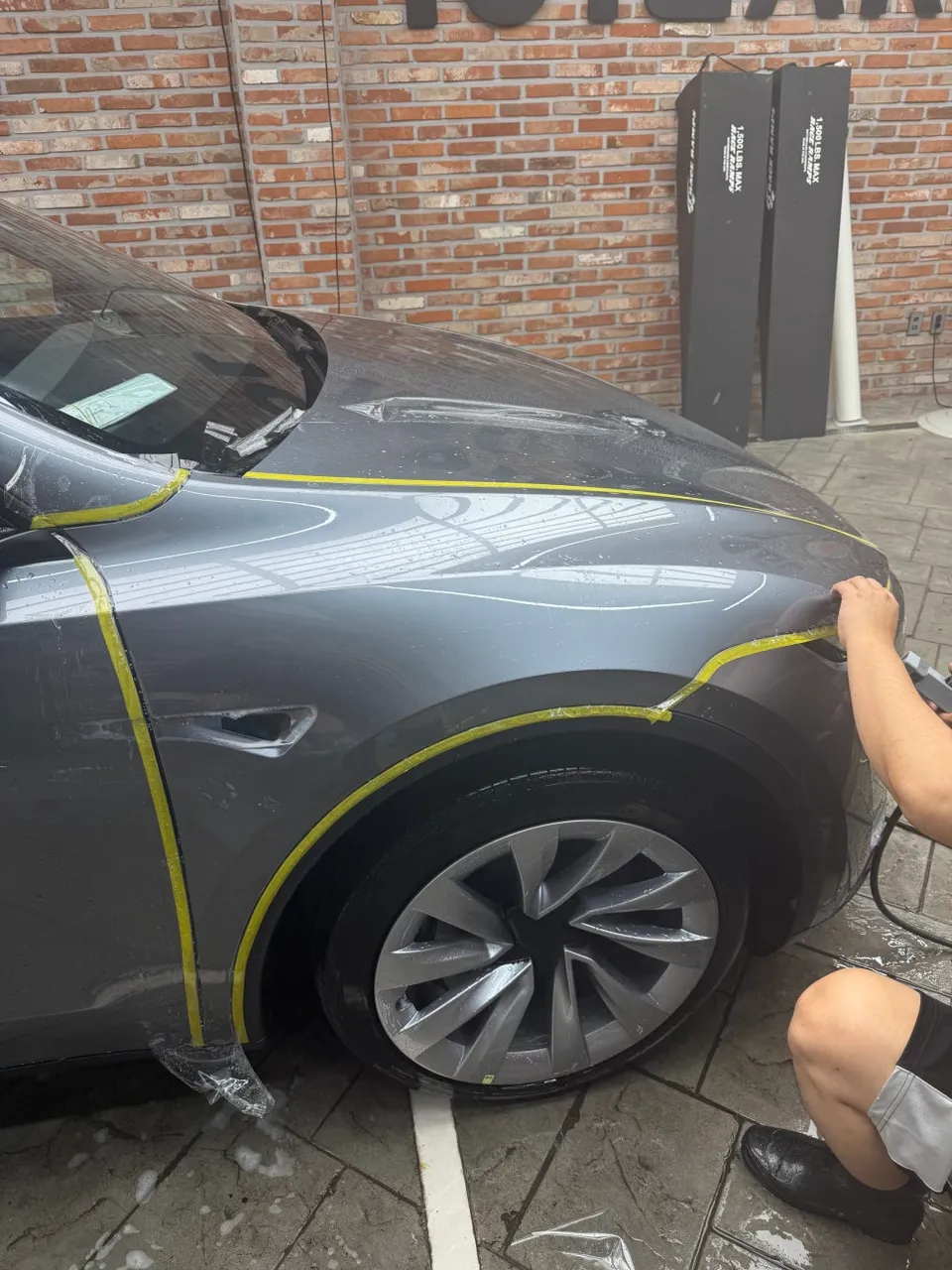
Compact sedans typically have fewer windows and simpler glass configurations, making them the most affordable to tint. The Tesla Model 3, featured in OhCar reviews for privacy and heat reduction benefits, represents an ideal candidate for cost-effective tinting.
Estimated cost range: $200–$800 depending on film quality
Mid-Size Sedans (Hyundai K5, Lexus ES)
Mid-size sedans offer moderate square footage and slightly more complex window designs than compact models. The Hyundai K5 and Lexus ES, both featured in OhCar reviews, fall into this category with balanced pricing.
Estimated cost range: $300–$1,000
SUVs and Crossovers (Hyundai Palisade, Porsche Cayenne)
Larger SUVs and crossovers have significantly more window area and often include side windows, rear windows, and rear glass sections. The Hyundai Palisade and Porsche Cayenne, both reviewed on OhCar, represent vehicles with substantial tinting requirements.
Estimated cost range: $400–$1,500
Luxury Vehicles (Porsche Cayenne, BMW, Lexus ES)
Luxury vehicles often feature specialized glass, panoramic sunroofs, and complex window designs that increase installation difficulty and labor costs. BMW and Porsche models in the OhCar database frequently incur premium installation fees.
Estimated cost range: $600–$2,000+

Breaking Down the Window Tinting Cost: Labor vs. Materials
Your total window tinting cost comprises two main components: materials (the film itself) and labor (professional installation).
Film Material Costs
The film itself represents 30–50% of your total cost, depending on quality level. Premium ceramic films cost significantly more per square foot than basic dyed films. A full vehicle ceramic tint might use $150–$400 worth of materials, while dyed film might cost $50–$150.
Professional Installation Labor
Labor typically accounts for 50–70% of your total cost. Professional installers charge based on:
- Time required (complexity factor)
- Shop location and market rates
- Installer experience level
- Additional services (heat rejection testing, warranty coverage)
A straightforward sedan installation might take 2–3 hours, while an SUV with panoramic windows could require 4–6 hours. At typical labor rates of $50–$100 per hour, you can calculate the labor portion of your estimate.
Location and Regional Variations in Window Tinting Cost
Geographic location significantly impacts pricing. Urban markets with higher overhead costs (major metropolitan areas) charge more than rural areas. OhCar's national database spans various regions, showing clear pricing differences.
High-Cost Markets
Metropolitan areas including New York, Los Angeles, San Francisco, and Miami typically charge 20–40% premium pricing due to higher rent, labor costs, and demand.
Mid-Range Markets
Secondary cities and suburban areas offer moderate pricing, balancing competition with reasonable overhead costs.
Budget Markets
Rural areas and smaller cities often feature the lowest tinting costs, though availability of premium film options may be limited.
Additional Costs to Consider
Beyond the basic film and installation, several factors might increase your total window tinting cost:
Heat Rejection Testing
Some premium shops offer infrared testing to verify heat rejection performance. Expect to pay $50–$150 for this service.
Warranty Protection
Extended warranties (5–10 years) add $50–$200 to your total cost but provide peace of mind against fading, peeling, or bubbling.
Removal of Existing Tint
If replacing previous tinting, removal services cost $100–$300 depending on the tint's condition and age.
Specialty Treatments
Anti-theft film, shatter-resistant coating, or color-shifting ceramic options add $200–$500 to your base cost.
Full Vehicle Wrap Upgrades
Some owners opt for front windshield tinting or full-vehicle protective films, which can add substantial costs beyond standard side and rear window tinting.
Window Tinting Cost: Is It Worth the Investment?
Based on 44 owner reviews analyzed on OhCar, vehicle owners consistently report that window tinting provides genuine value across multiple dimensions.
UV Protection Benefits
The Lexus ES review on OhCar specifically highlighted UV protection as a primary benefit, protecting both occupants and interior surfaces. Ceramic and carbon films block 99% of UV radiation, potentially extending the life of your interior and protecting your skin during long drives.
Heat Reduction
OhCar reviewers noted significant cabin temperature reductions, particularly in vehicles like the Tesla Model 3 and Hyundai Palisade. During summer months, quality window tinting can reduce interior temperatures by 10–15 degrees Fahrenheit, reducing air conditioning workload and improving fuel efficiency.
Privacy and Security
The Tesla Model 3 review on OhCar highlighted privacy benefits as a key advantage. Darker tinting obscures the vehicle's interior, deterring break-ins and protecting occupants from prying eyes. The Porsche Cayenne review specifically mentioned the Storm Gray tint's balance of privacy and visibility.
Aesthetic Appeal
Enhanced appearance represents a significant motivation for OhCar reviewers. Tinted windows provide a more finished, upscale appearance that can increase curb appeal and perceived vehicle value.
Long-Term Cost-Benefit Analysis
Premium ceramic tinting at $800 provides roughly 10 years of protection. Divided across that period, the annual cost is minimal compared to interior protection benefits, UV shielding, and enhanced comfort.
How to Get the Best Window Tinting Cost
Smart shopping helps you maximize value when budgeting for window tinting cost.
Get Multiple Quotes
Contact 3–5 local shops and request detailed quotes specifying film type, labor hours, and warranty information. This comparison shopping often reveals 20–30% price variations for identical services.
Ask About Film Brands
Specify premium brands like 3M Crystalline, XPEL, Llumar, or Ceramic Pro when requesting quotes. These brands command higher prices but deliver superior performance justifying the investment.
Verify Installer Credentials
Experienced installers produce superior results that last longer. Check reviews, certifications, and warranty offerings. The cheapest option often results in poor application quality, premature fading, or peeling.
Ask About Package Deals
Many shops offer discounts when combining services (tinting plus paint protection film, for example). Bundling services can reduce overall window tinting cost by 10–15%.
Understand Warranty Coverage
Reputable installers back their work with warranties covering fading, bubbling, peeling, and delamination. Lifetime warranties cost more upfront but eliminate replacement concerns.
Check for Seasonal Promotions
Many shops run seasonal specials. Winter months often feature promotional pricing as demand decreases.
Legal Considerations Affecting Window Tinting Cost and Installation
Before budgeting for window tinting, understand your state's legal restrictions. These regulations affect what you can install and may impact your final cost.
Legal Tint Darkness Levels
Most states have specific regulations on how dark window tint can be, measured in Visible Light Transmission (VLT) percentage. Front side windows typically must allow 35–70% light transmission depending on state law. Professional installers understand these requirements and factor them into recommendations.
Front Windshield Restrictions
Most states prohibit tinting on front windshields except for a narrow strip at the top. This restriction doesn't significantly impact total window tinting cost but affects overall darkening effects.
Inspection Compliance
Some states require vehicle inspections after tinting installation. Shops in these areas may include inspection costs in their quotes or handle compliance documentation. Check local regulations before getting tinted to avoid unexpected costs or installation delays.
Professional Installation vs. DIY Window Tinting Cost
While DIY tinting kits cost significantly less ($30–$100 per window), professional installation remains the better value for most vehicle owners.
Why Professional Installation Matters
Professional installers bring:
- Expertise: Years of experience handling complex window shapes
- Quality equipment: Specialized tools ensuring proper film application
- Warranty protection: Coverage against installation defects
- Superior results: Bubble-free, seamless application
- Time efficiency: Completion in hours rather than days
OhCar reviewers consistently reported satisfaction with professional installations from quality shops. The Professional Install review for the Hyundai K5 highlighted the difference quality installation makes.
Long-Term Value Perspective
Professional ceramic tinting at $800 provides 10+ years of protection. DIY film applied poorly might require professional removal and replacement within 2–3 years, ultimately costing more than the initial professional installation.
Summary: Window Tinting Cost Expectations
Based on comprehensive analysis of 44 OhCar owner reviews, here's what you can realistically expect:
- Basic dyed tint: $200–$400 for compact sedans, $400–$600 for SUVs
- Mid-range carbon tint: $400–$800 for compact sedans, $700–$1,200 for SUVs
- Premium ceramic tint: $600–$1,200 for compact sedans, $1,000–$1,800 for SUVs
- Luxury/specialty vehicles: Add 20–40% to estimated costs
- Geographic premium: Add 20–40% for high-cost metropolitan areas
The investment in quality window tinting delivers genuine returns through UV protection, heat reduction, privacy enhancement, and aesthetic improvement. For most vehicle owners, the benefits justify the cost, particularly when selecting durable ceramic films backed by professional installation and warranty protection.
Comments (2)
Just had my Civic done with ceramic tint last month for $350 — way better than the cheap dyed film I had before that started fading after two years. The heat rejection is noticeable and it looks clean without that purple haze some shops do.
Just had my 911 Carrera done with ceramic tint last month — ran me $1,200 for all windows, which felt steep until I realized how much it actually helps with heat rejection and keeps the interior from fading. The darker tint also looks sharp on the black paint, and honestly, protecting that interior is worth the investment when you're particular about keeping your car pristine.

Explore Related Services on OhCar