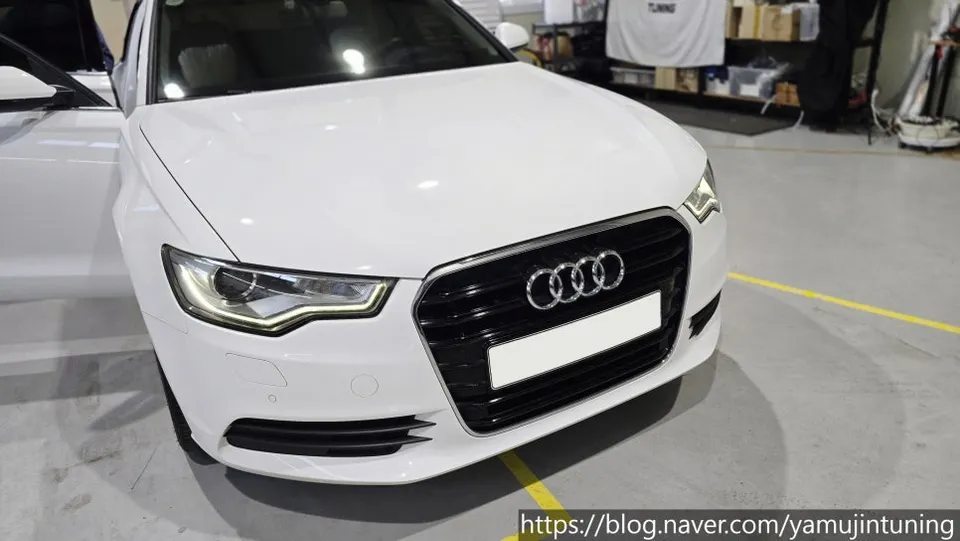
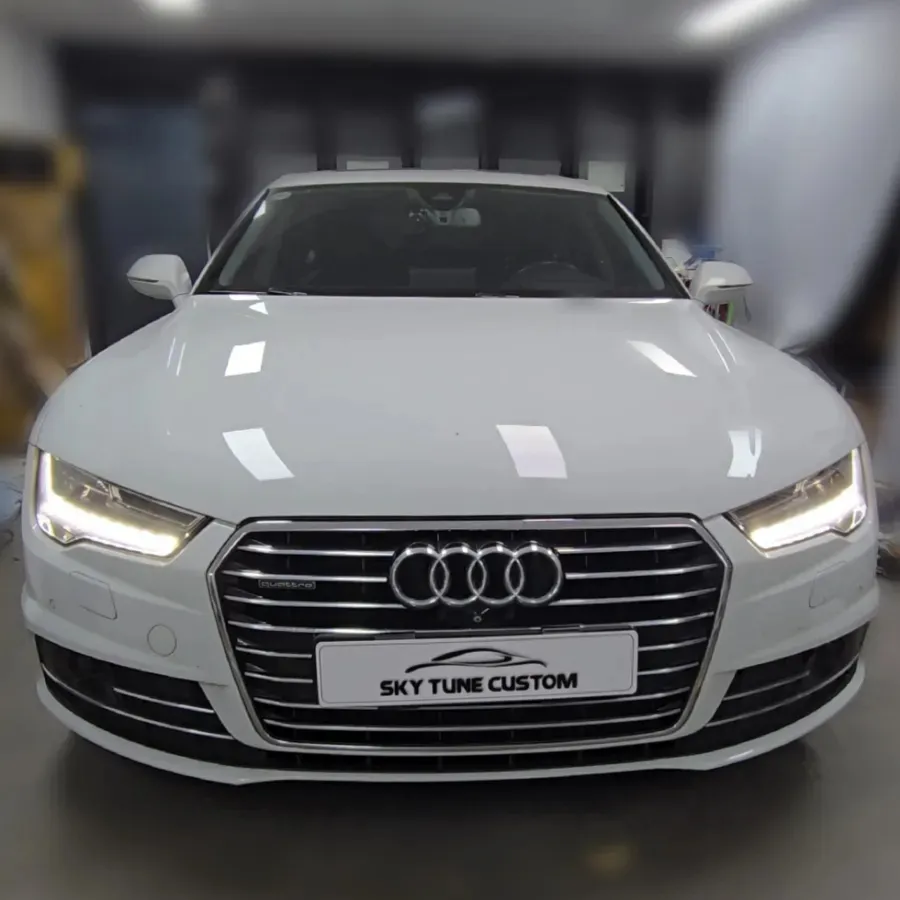
Audi A7 OEM Options Retrofit Review
Service Price
$150+
Estimated price · Actual price may vary by shop
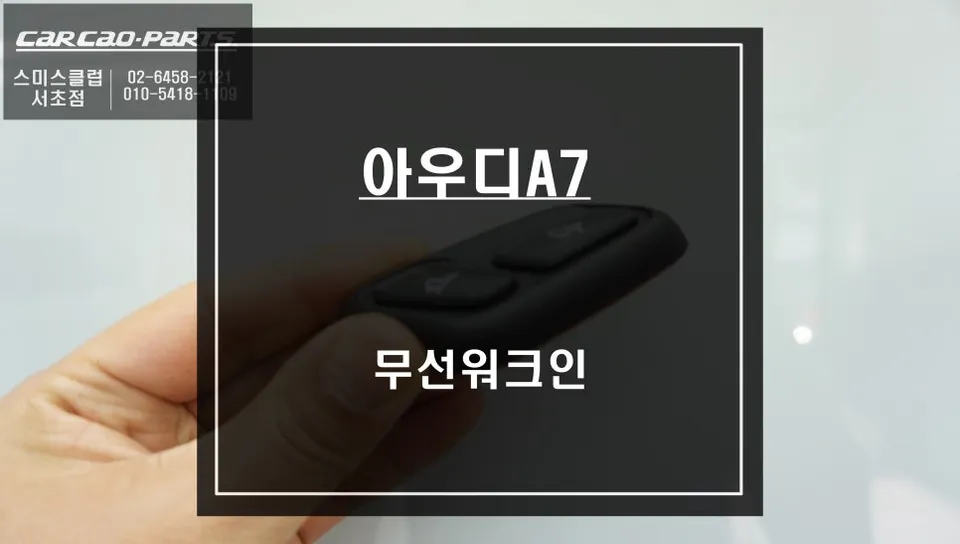
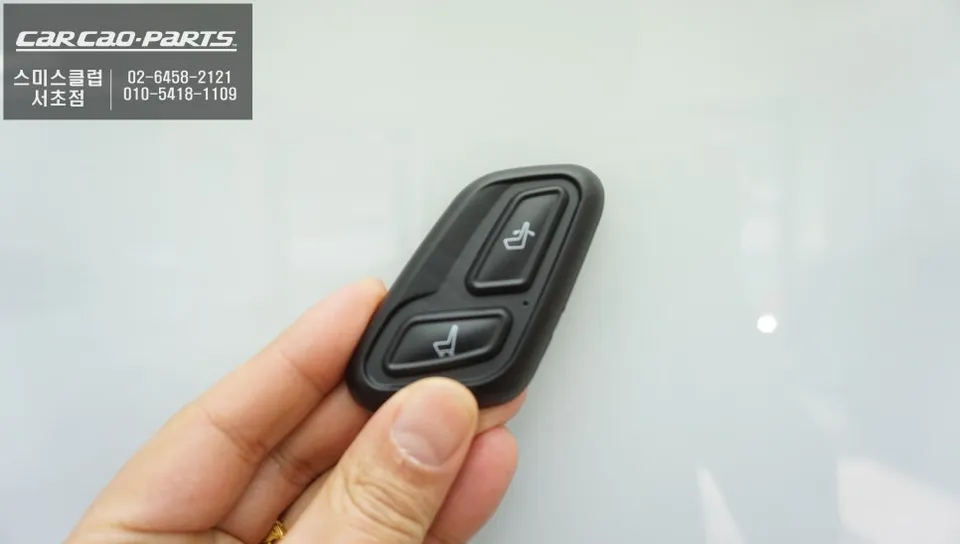
Audi A7 wireless walk-in switch: Approx. $1800-$2500 USD. Gain full wireless passenger seat control without interior damage.
Audi A7 Convenience Upgrade: Wireless Walk-In Switch
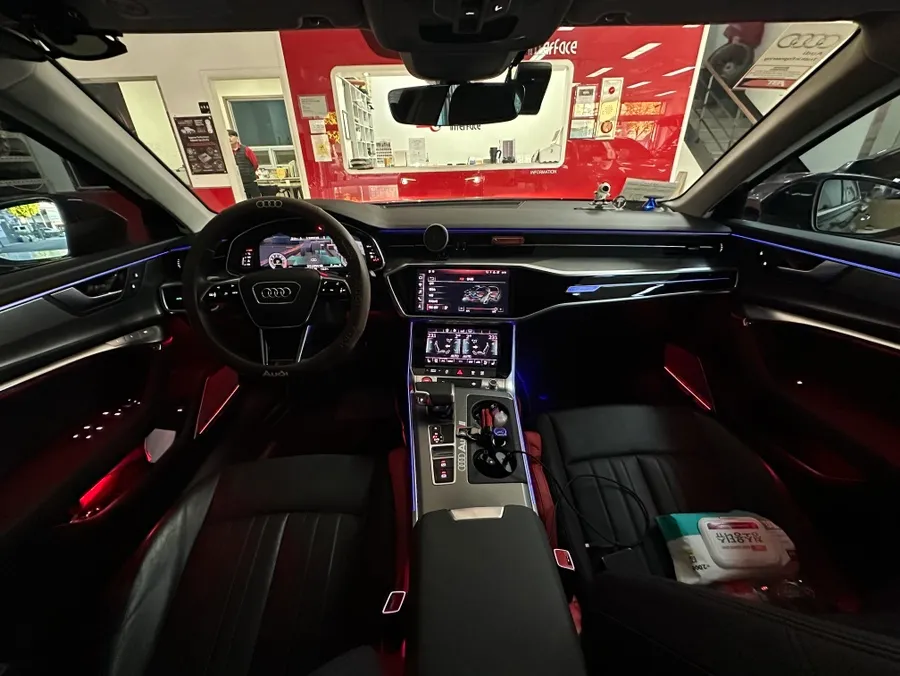
The Audi A7, a premium luxury sedan, offers a compelling feature: the ability to control the front passenger seat from the driver's seat. However, the standard setup typically relies on the original switch, requiring the driver to physically reach over. This review details the installation of a wireless walk-in switch convenience option for the Audi A7, allowing full wireless control of the passenger seat without any cutting or modification to the vehicle's interior panels. This upgrade maximizes practicality while minimizing any potential damage to the car's pristine interior, a crucial consideration for a vehicle of this caliber.
Wireless vs. Traditional Seat Control Installation
There are two primary methods for adding passenger seat control functionality. The 'cutting method' involves physically integrating a new switch into the seat or panel, which can damage delicate materials like silk upholstery and is difficult to reverse. In contrast, the wireless method, as installed here, avoids these issues entirely. While the cutting method offers direct circuit connection and potentially faster response, the risk of irreversible damage to a luxury sedan like the Audi A7 is significant. The wireless approach prioritizes preserving the vehicle's integrity.
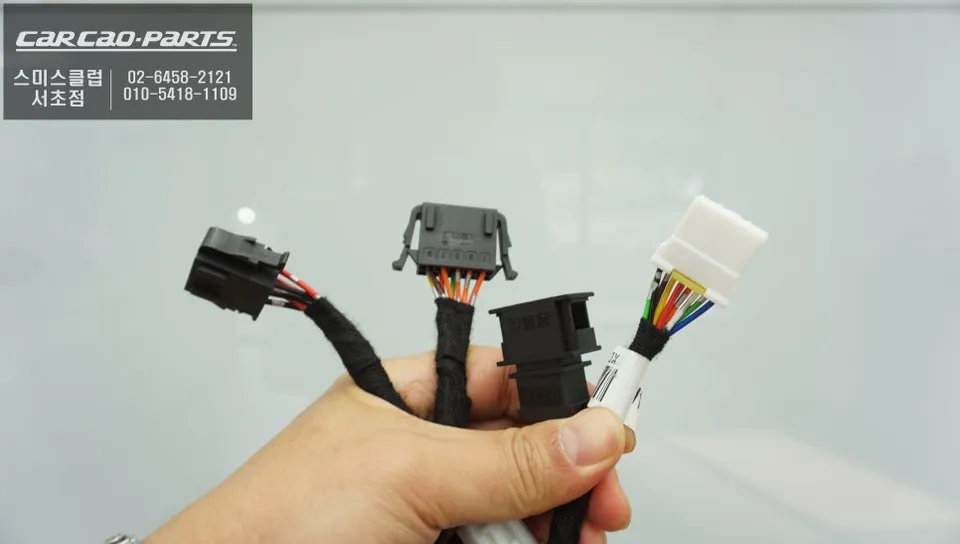
Audi A7 Wireless Walk-In Switch Installation Process
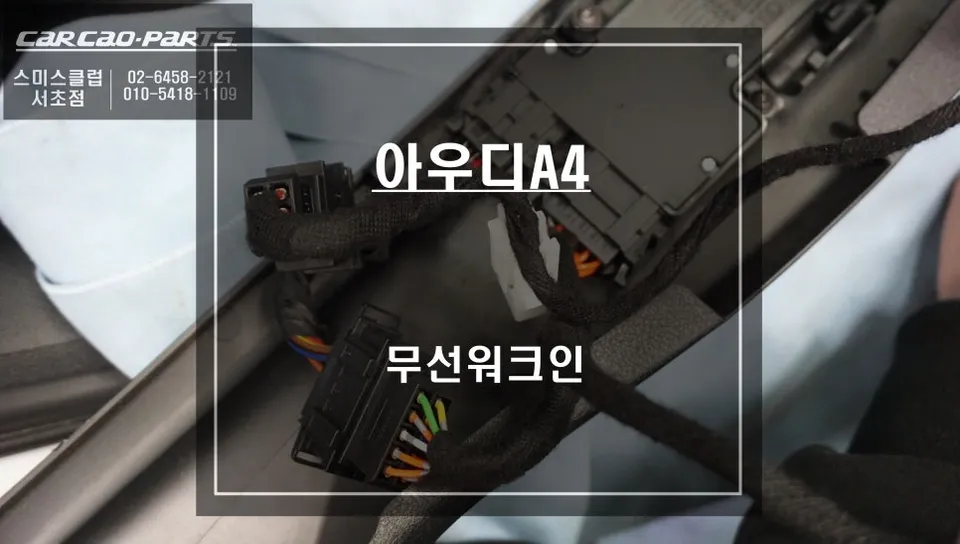
The installation begins with disconnecting the vehicle's power supply and carefully removing the panels around the driver's dashboard. Given the complexity of the Audi A7's internal wiring, accurately identifying each circuit is paramount. This initial phase typically takes about an hour. The system connects using the original connectors in an IN/OUT configuration, eliminating the need for any additional welding or cutting.
- Disconnect vehicle power and carefully disassemble dashboard panels.
- Identify and connect to the existing passenger seat control circuits using OEM connectors.
- Secure the compact wireless receiver module (approx. 7cm x 5cm) within the driver's console.
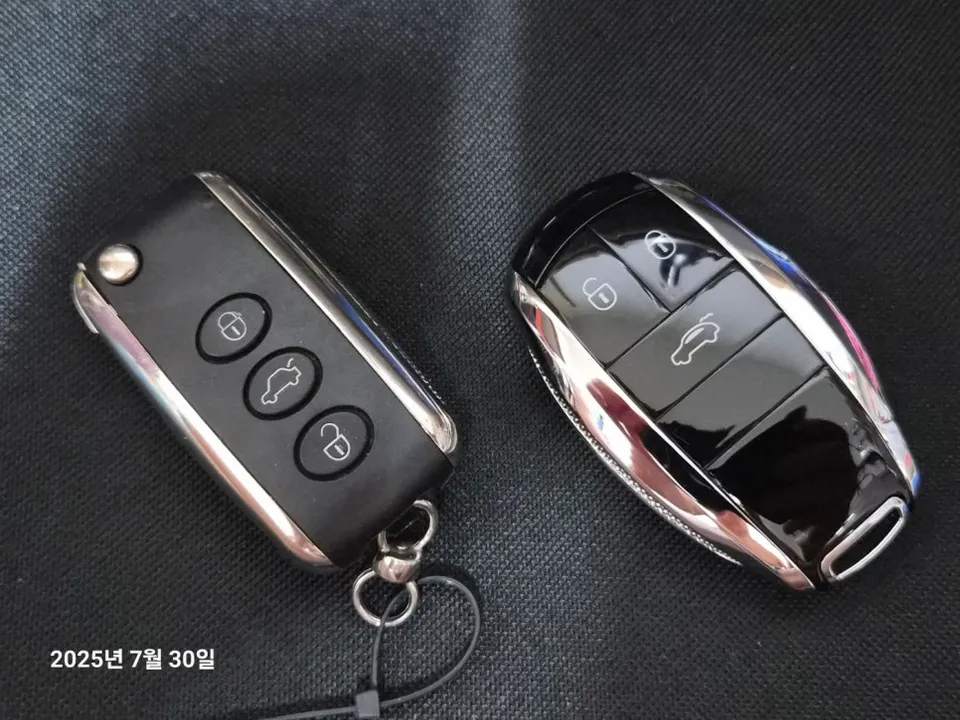
- Attach the wireless transmitter (remote) to a convenient location, such as the key fob or sun visor.
- Reassemble panels, perform system initialization, and conduct thorough operational tests.
Next, the small wireless receiver module is securely mounted inside the driver's console. Its compact size allows for discreet installation in hidden areas. The wiring is connected in parallel to the existing passenger seat control circuit, ensuring that all original functions remain unaffected. The wireless transmitter, or remote, can be attached to the key case or behind the sun visor. Its battery lasts approximately two years and is easily replaceable. The signal range covers the entire interior of the car, offering practical, unrestricted use. Finally, all wiring is tidied, and the dashboard panels are restored to their original positions. Due to the Audi A7's sophisticated electronic systems, a system initialization and comprehensive function test are essential. Including these steps, the total installation time averages 2.5 to 3 hours, typically completed within a single day.
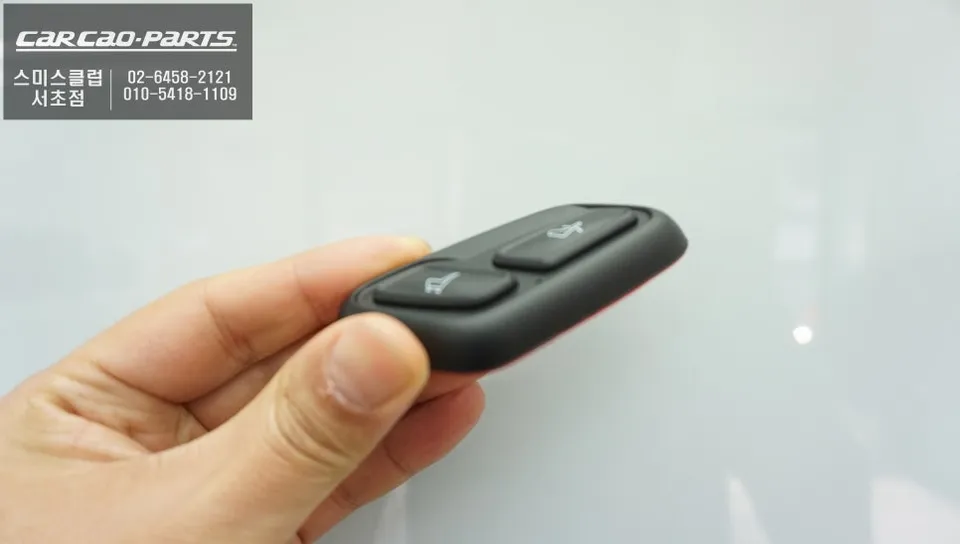
How the Wireless Walk-In Switch Works
The wireless signal utilizes a high-frequency band, minimizing interference with other wireless signals in the car. When the transmitter sends a signal, the receiver module inside the driver's area processes it and sends commands to the passenger seat's electric actuators. These actuators control the seat's movement along three axes: forward/backward slide, height adjustment, and backrest angle. The wireless signal allows for independent control of all three functions, offering excellent usability. The response time is remarkably quick, around 0.2 seconds.

Cost and Installation Time Summary
The cost for installing this wireless walk-in switch on an Audi A7 typically ranges from 2,500,000 to 3,500,000 Korean Won (approximately $1,800 - $2,500 USD, subject to exchange rates). Pricing can vary based on the specific product grade, any additional features like memory presets, and the installation location. As mentioned, the installation process takes an average of 2.5 to 3 hours and can usually be completed the same day. However, a brief period after installation may be required for the vehicle's systems to fully initialize and stabilize.
Frequently Asked Questions
Q. How much does OEM option and factory upgrade installation cost for a Audi A7?
The wireless walk-in switch option for the Audi A7 costs approximately 2,500,000 to 3,500,000 KRW (around $1,800-$2,500 USD). Typical dealer-installed options can vary widely in price depending on the feature.
Q. How long does OEM options installation take on a Audi A7?
This specific wireless walk-in switch installation takes about 2.5 to 3 hours. For durability, the system is designed to integrate seamlessly, and maintenance typically involves occasional battery replacement for the remote transmitter.
Q. Are OEM options worth adding after purchase for a Audi A7?
Adding convenience features like a wireless walk-in switch can significantly enhance the practicality of your Audi A7, especially for those who frequently transport passengers. The value lies in added comfort and ease of use without compromising the vehicle's aesthetics or integrity.
Q. How are OEM factory options installed on a Audi A7?
Installation involves disconnecting power, disassembling dashboard panels, and connecting to existing circuits via OEM connectors without cutting. A wireless receiver is mounted discreetly, and the transmitter is attached to the remote. Finally, panels are reassembled, and systems are tested.
Q. What is the difference between dealer-installed options and aftermarket upgrades for a Audi A7?
Dealer-installed options are typically OEM-approved and integrated by the manufacturer or authorized dealers, often maintaining warranty. Aftermarket upgrades, like this wireless system, are from third-party providers and focus on adding specific functionalities, often with a focus on non-destructive installation.
Kakao Parts