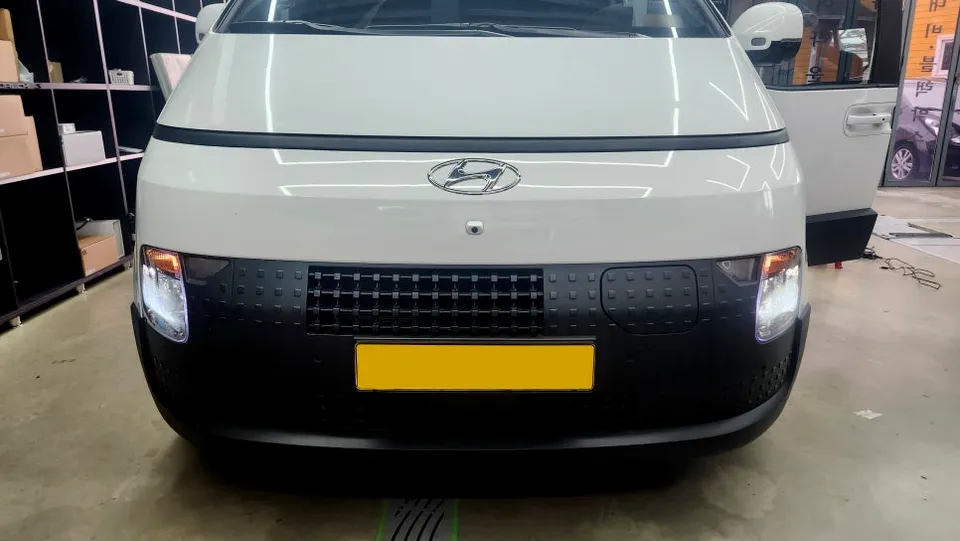
Chevrolet Trax OEM Options Installation Cost
Service Price
$under $40
Estimated price · Actual price may vary by shop
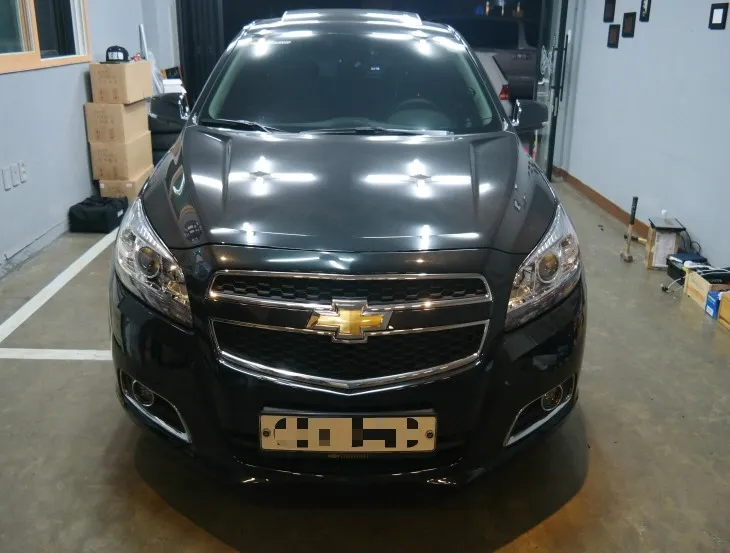
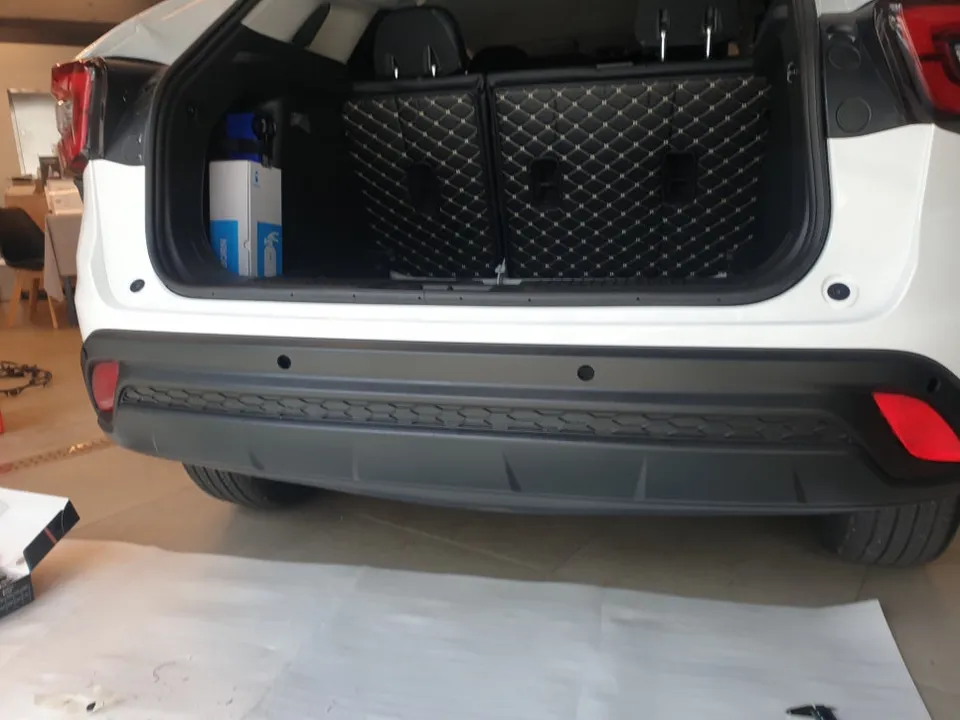
Before

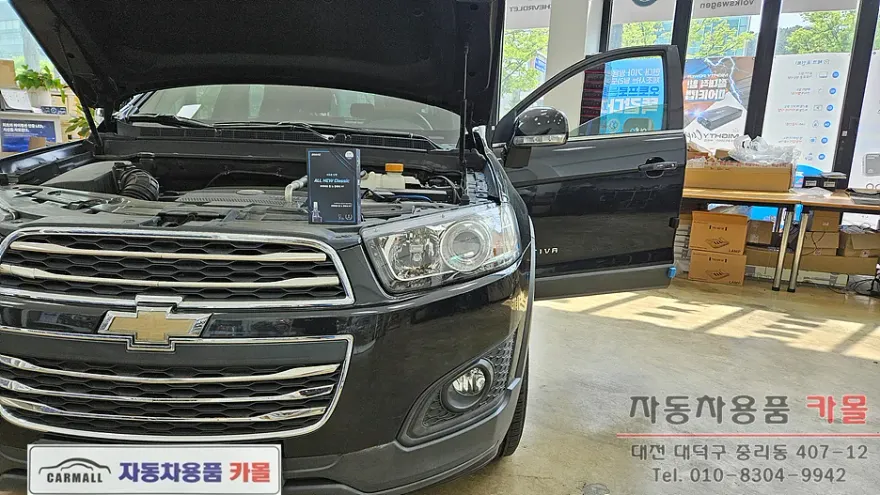
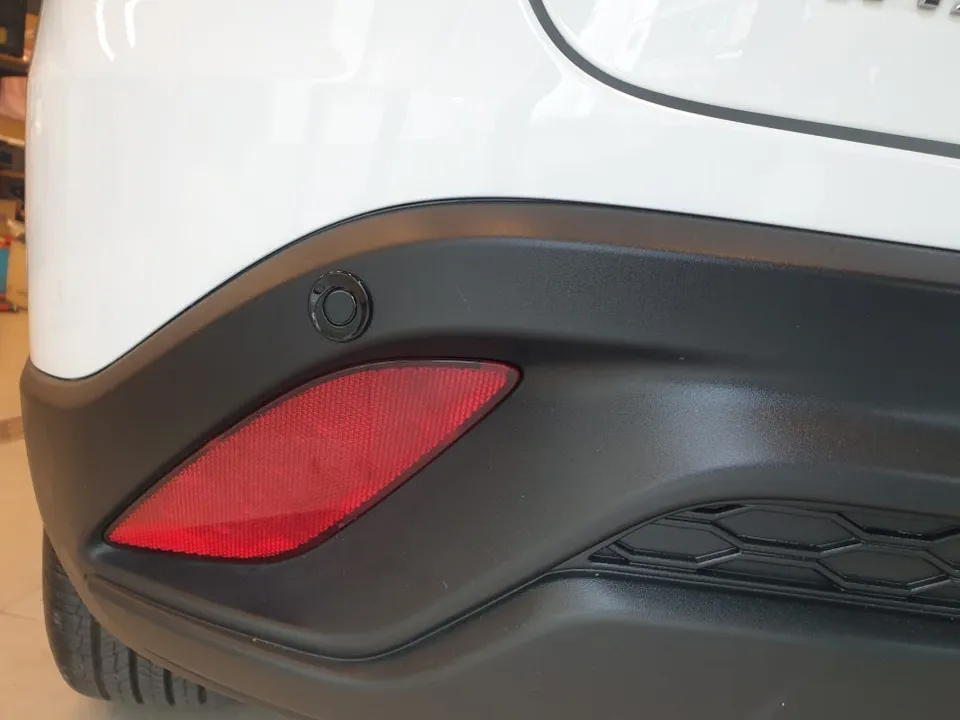
After
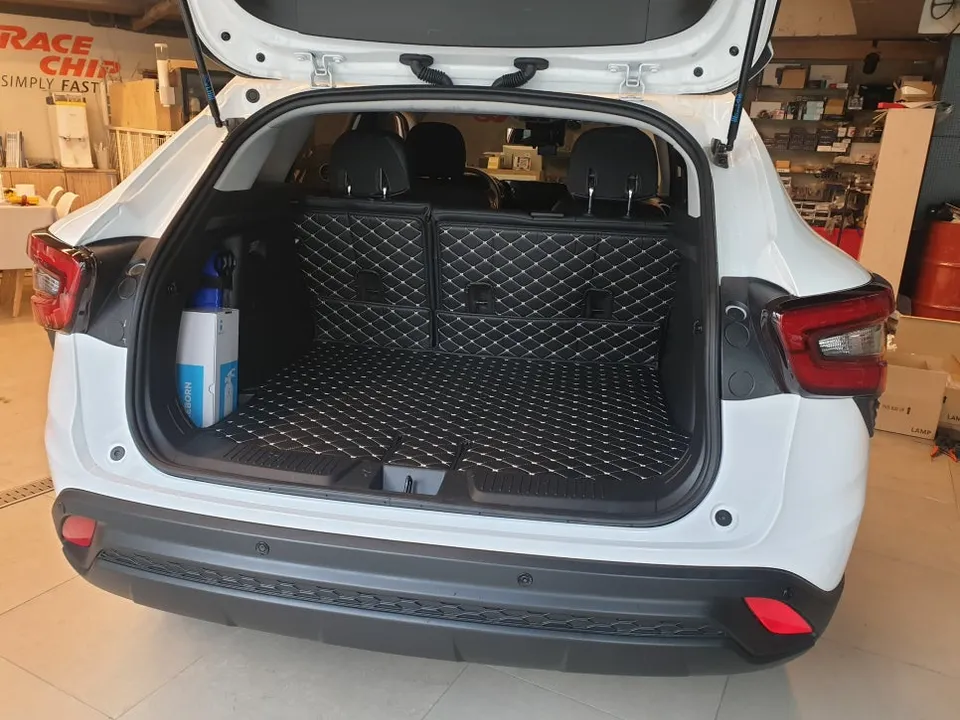
Process photos
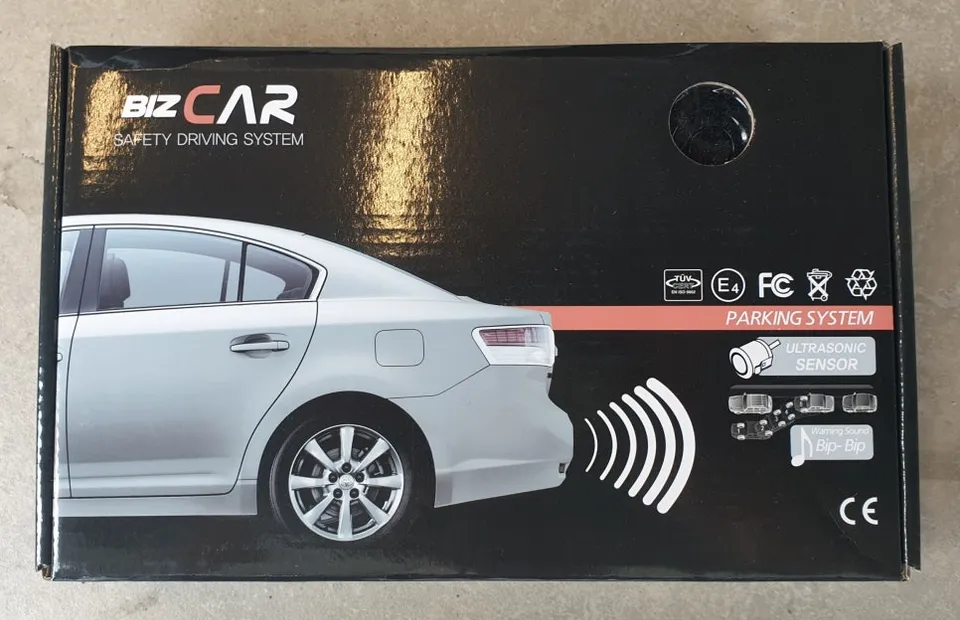
Chevrolet Trax rear parking sensors installation: under $40. Improves parking safety and convenience.
Enhance Your Chevrolet Trax with OEM Options
Many Chevrolet Trax owners find themselves wishing for a bit more convenience or safety features that weren't standard on their specific trim. This is where OEM options, often referred to as factory option retrofits or dealer options, come into play. These are genuine parts designed and approved by the manufacturer that can be installed after the initial purchase. For the Chevrolet Trax, a popular upgrade is the addition of rear parking sensors, which significantly improve parking ease and safety, especially in tight spots. This review will cover the installation process, the tangible benefits, and the overall value of adding such factory upgrades.
Why Consider OEM Options for Your Trax?
The Chevrolet Trax, while a capable vehicle, can present challenges for rearward visibility, particularly for newer drivers or in complex urban environments. Rear parking sensors act as an invaluable aid, detecting obstacles and alerting the driver through audible cues or visual displays. This helps mitigate the risk of low-speed collisions during parking maneuvers, a common concern for many drivers. The system is especially beneficial during nighttime, in adverse weather conditions, or when navigating particularly narrow parking spaces. By providing accurate distance information, these sensors boost driver confidence and can even help improve parking skills over time. This review focuses on the installation of such a system, demonstrating how it transforms the daily driving experience.
Installation Process: Rear Parking Sensors on Chevrolet Trax
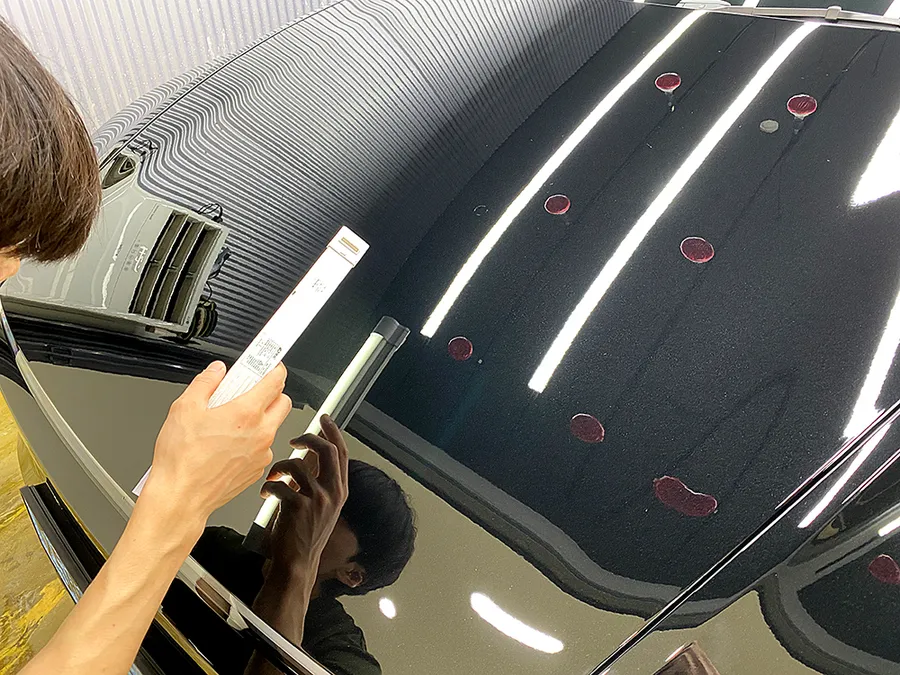
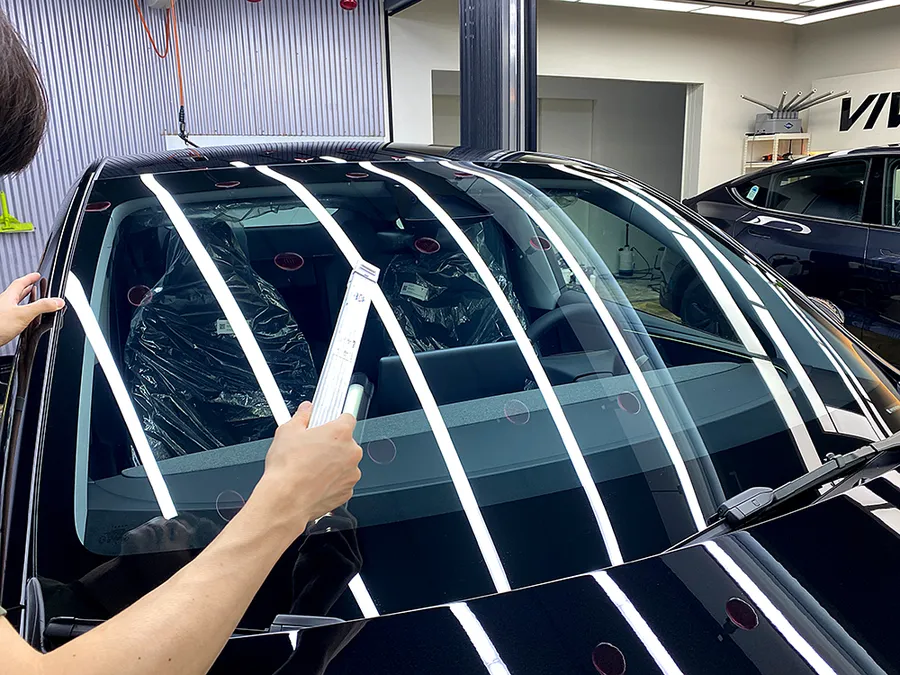
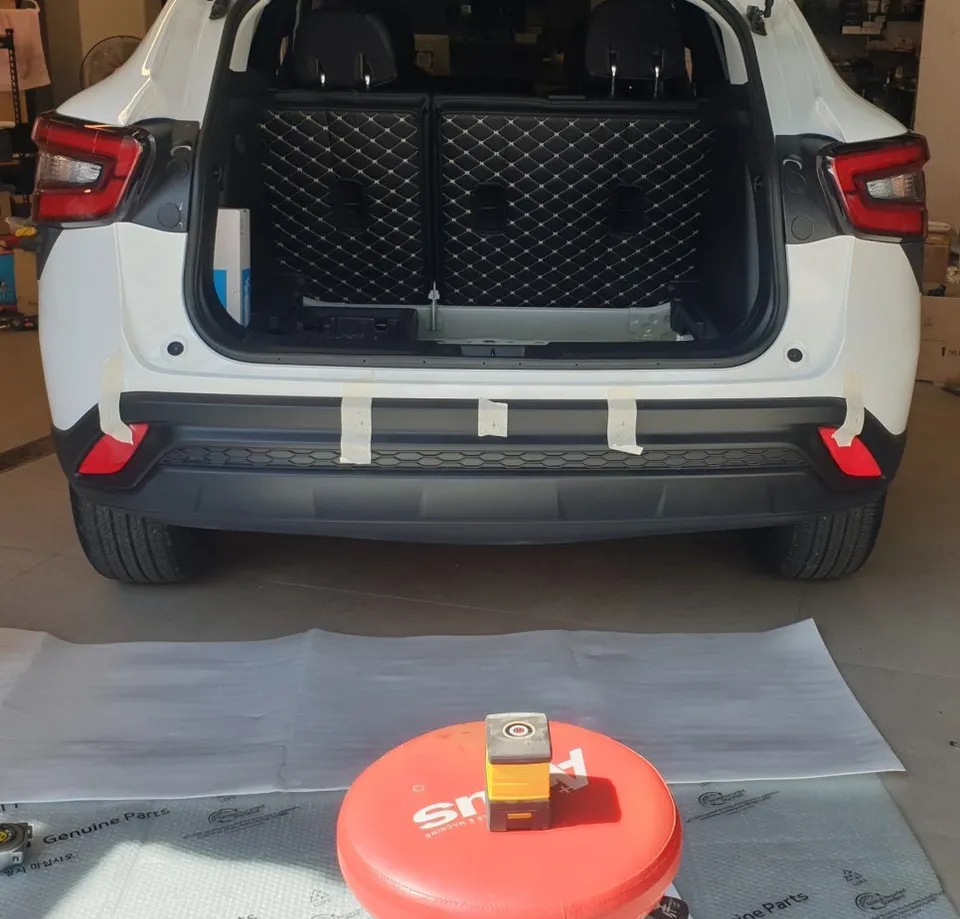
The installation of OEM options like rear parking sensors is a precise process. In the context of the original Korean installation, the process began with a thorough inspection of the Chevrolet Trax's rear bumper. Precision is key, so a laser level was used to ensure accurate horizontal alignment for sensor placement. The spacing between each sensor was carefully marked according to the product specifications to guarantee optimal performance. This meticulous approach ensures the sensors function effectively, providing reliable detection of obstacles.
- Positioning: Precise placement of sensors on the rear bumper using laser leveling and measurement marks.
- Drilling: Carefully drilling holes in the bumper at the marked sensor locations.
- Sensor Mounting: Installing the parking sensors into the drilled holes, ensuring a snug and secure fit. The sensor color can often be matched to the vehicle or chosen by preference; black was used for a clean look in this case.
- Wiring and Testing: Connecting the sensors and running wiring neatly through the vehicle's interior. A temporary connection is made to test all sensors for proper function by checking their response to nearby objects.
- Display Integration: Installing a display module that provides visual feedback on the distance to obstacles. Final checks of the entire system are performed before completing the installation.
After the sensors are physically mounted, the wiring is routed discreetly into the vehicle's cabin. This involves careful management of cables to ensure they are secure and do not interfere with any other vehicle systems. A crucial part of the installation is integrating a display module, which provides the driver with visual cues about the proximity of obstacles. This allows for an intuitive understanding of the space around the vehicle. Once all connections are made and the display is positioned, a comprehensive test is conducted to verify that every component is working correctly. The entire process, from initial setup to final testing, typically takes around 1 to 1.5 hours.
Before and After: The Impact of OEM Upgrades
Adding OEM rear parking sensors to a Chevrolet Trax significantly enhances its usability and safety. The 'before' state is the standard vehicle with its inherent visibility limitations. The 'after' state is a Trax equipped with a system that actively assists the driver during reversing. The anxiety associated with tight parking spots is considerably reduced, replaced by a sense of confidence. The sensors provide reliable feedback, making parking maneuvers smoother and less stressful. While the original installation was performed in Korea, the benefits are universal for Trax owners anywhere. The approximate cost in Korea for this type of installation is under ₩50,000 (roughly under $40 USD), making it a highly cost-effective upgrade.
Frequently Asked Questions
Q. How much does OEM option and factory upgrade installation cost for a Chevrolet Trax?
The installation of OEM rear parking sensors on a Chevrolet Trax, as performed in Korea, cost under ₩50,000 (approximately under $40 USD). Typical US pricing for similar dealer-installed options can range from $100 to $300 depending on the specific system and dealership.
Q. How long does OEM options installation take on a Chevrolet Trax?
The installation of OEM rear parking sensors typically takes between 1 to 1.5 hours to complete. Proper maintenance involves keeping the sensors clean from dirt and debris to ensure accurate readings.
Q. Are OEM options worth adding after purchase for a Chevrolet Trax?
OEM options like rear parking sensors are highly beneficial for Chevrolet Trax owners who frequently navigate tight parking spaces or experience limited rear visibility. The added safety, convenience, and peace of mind often justify the relatively low cost of installation.
Q. How are OEM factory options installed on a Chevrolet Trax?
Installation involves precisely marking and drilling holes in the rear bumper for sensor placement. The sensors are then mounted, and wiring is routed neatly through the vehicle to a control module and a driver-facing display, followed by thorough system testing.
Q. What is the difference between dealer-installed options and aftermarket upgrades for a Chevrolet Trax?
OEM dealer-installed options are genuine manufacturer parts designed specifically for your vehicle, ensuring perfect integration and often maintaining warranty coverage. Aftermarket upgrades are made by third-party companies and may vary significantly in quality, fit, and compatibility.
OhCar Partner Shop