Audi Q4 e-tron PPF Review: Enhanced Protection & Style
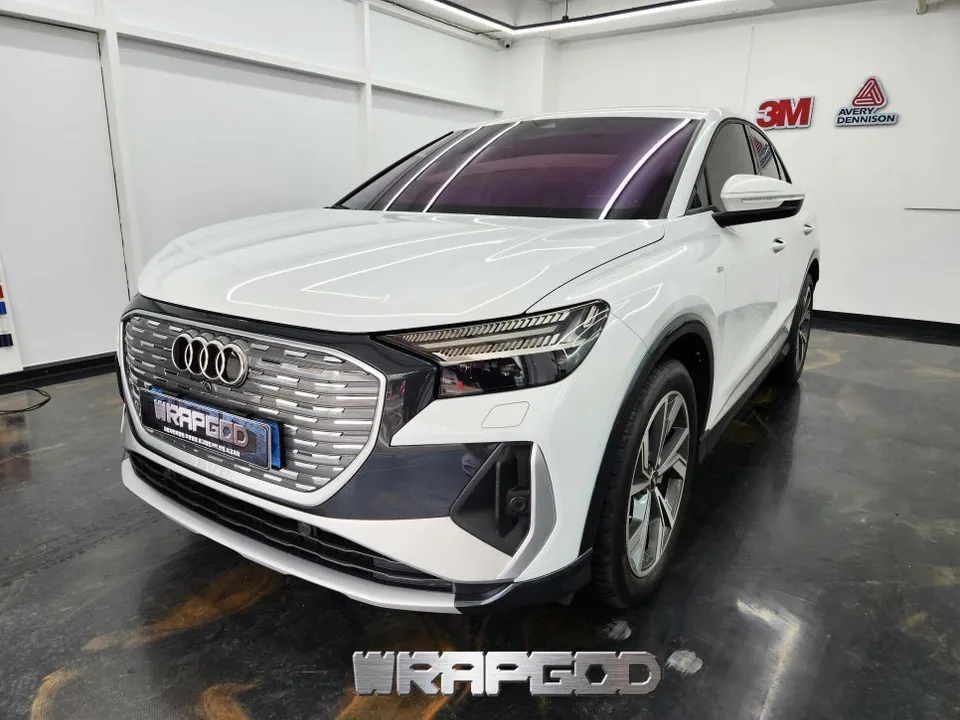
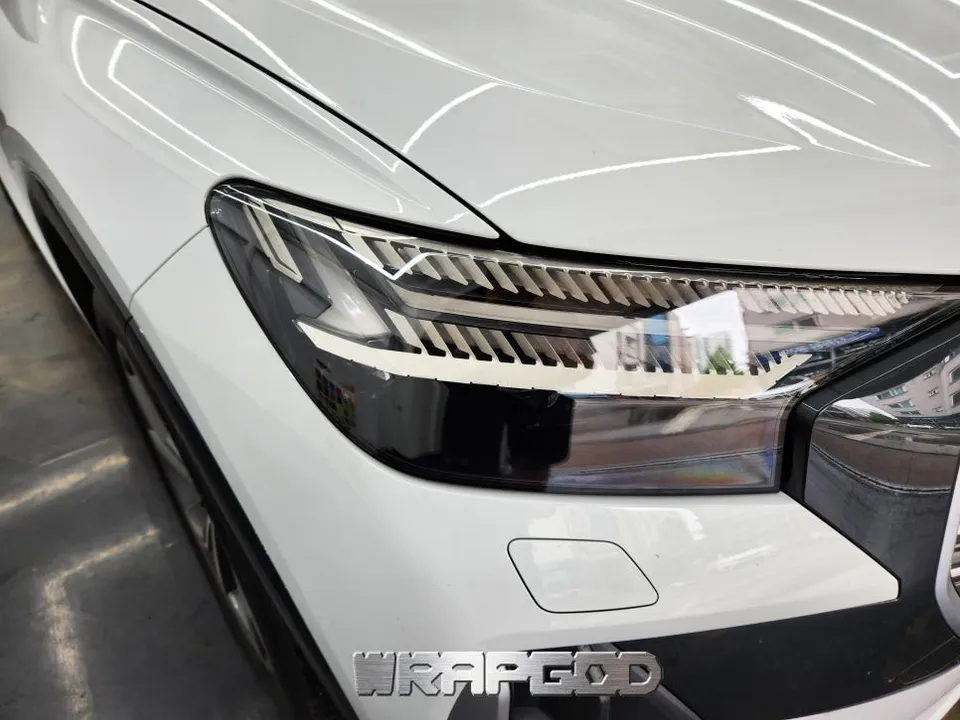
Audi Q4 e-tron PPF and interior carbon wrap: Protects paint from scratches, enhances interior gloss. Professional installation ensures optimal results
Audi Q4 e-tron PPF: Shielding Your Electric SUV
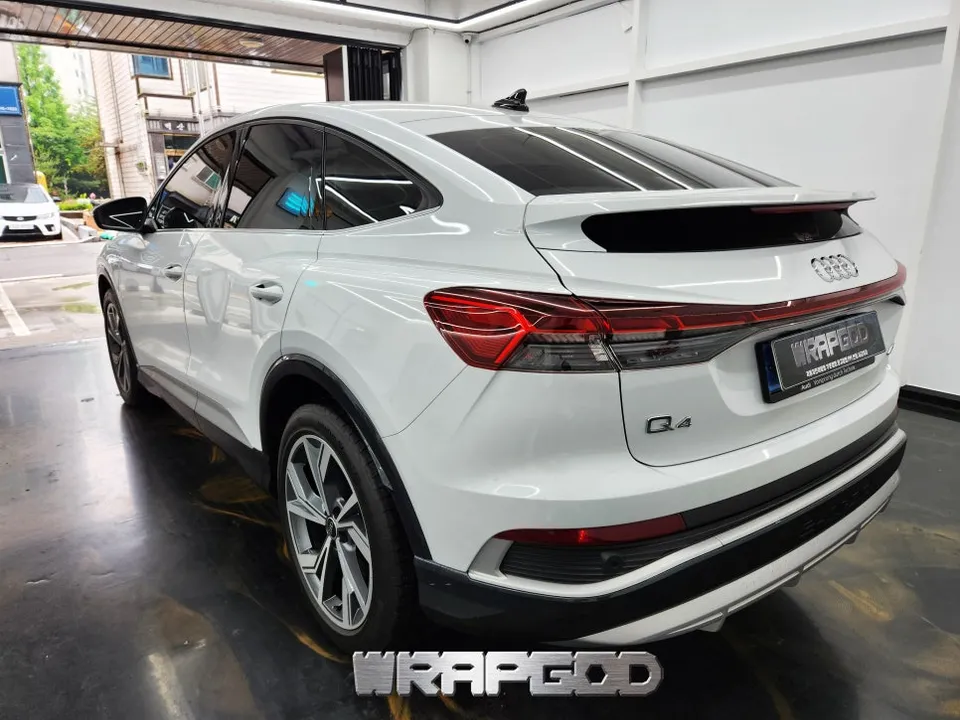
Protecting your Audi Q4 e-tron's pristine paintwork is crucial, especially with the increasing exposure to daily wear and tear. Paint Protection Film (PPF), often referred to as a clear bra, acts as an invisible shield for your vehicle's exterior. Similar to a screen protector for your smartphone, PPF is a thermoplastic polyurethane (TPU) film applied to the car's painted surfaces. Its primary function is to safeguard the paint from common threats like minor scratches, stone chips, bug splatter, and environmental contaminants. Many high-quality PPF options also offer UV protection, which helps prevent the vehicle's paint from fading or discoloring over time, thus maintaining that new-car look for longer. In this review, we focus on the application of PPF to key areas of the Audi Q4 e-tron that are most susceptible to damage.
Strategic PPF Application for Maximum Protection
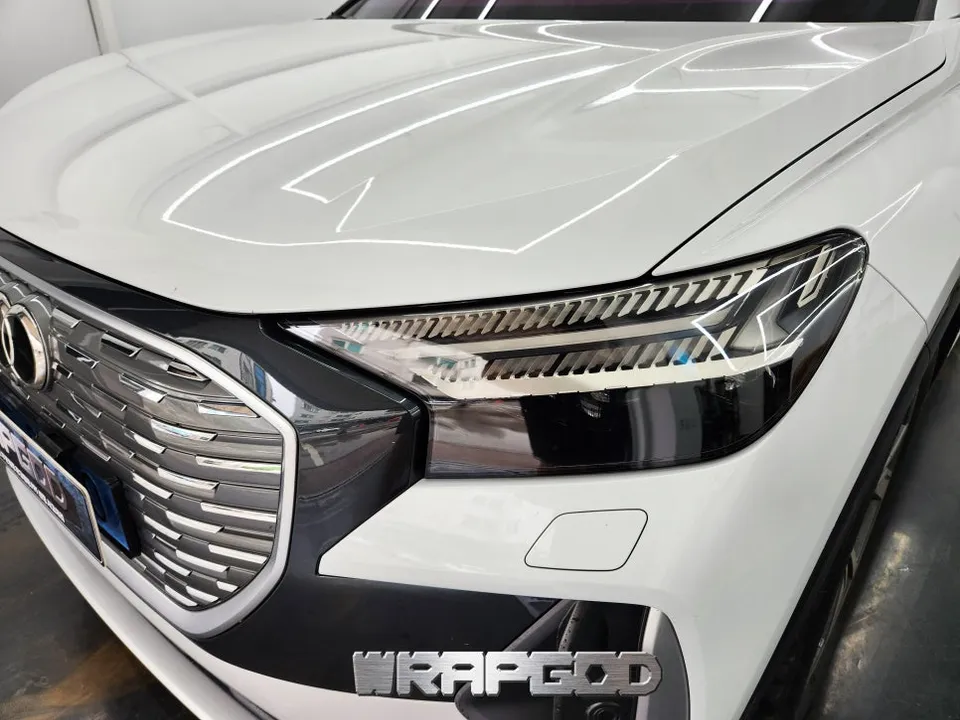
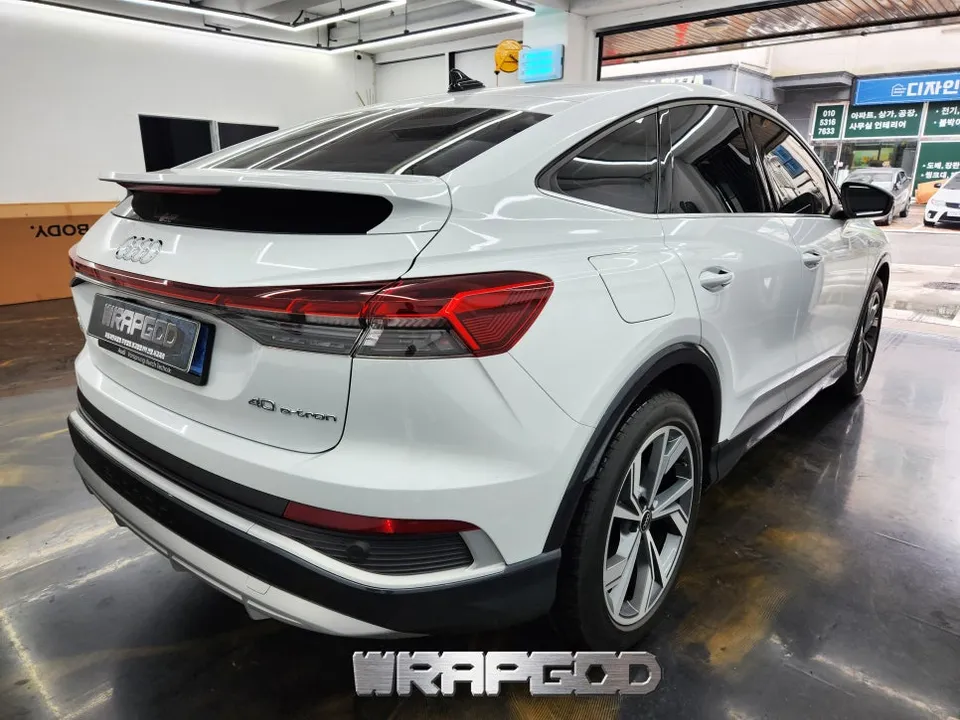
For the Audi Q4 e-tron, a comprehensive PPF application targets areas prone to frequent contact and potential damage. This includes the headlights, which can be chipped by road debris; the side mirrors, often hit by errant objects; the fuel filler door area, subject to scuffs during refueling; and the trunk lid, which frequently encounters luggage and cargo. Applying PPF to the trunk lid is particularly beneficial, as this area sees heavy use and is prone to scratches from loading and unloading items. The film effectively absorbs the impact of minor abrasions, preventing them from reaching the actual paint, thus preserving the vehicle's aesthetic appeal and resale value.
Elevating the Audi Q4 e-tron Interior with PPF and Carbon Wrap
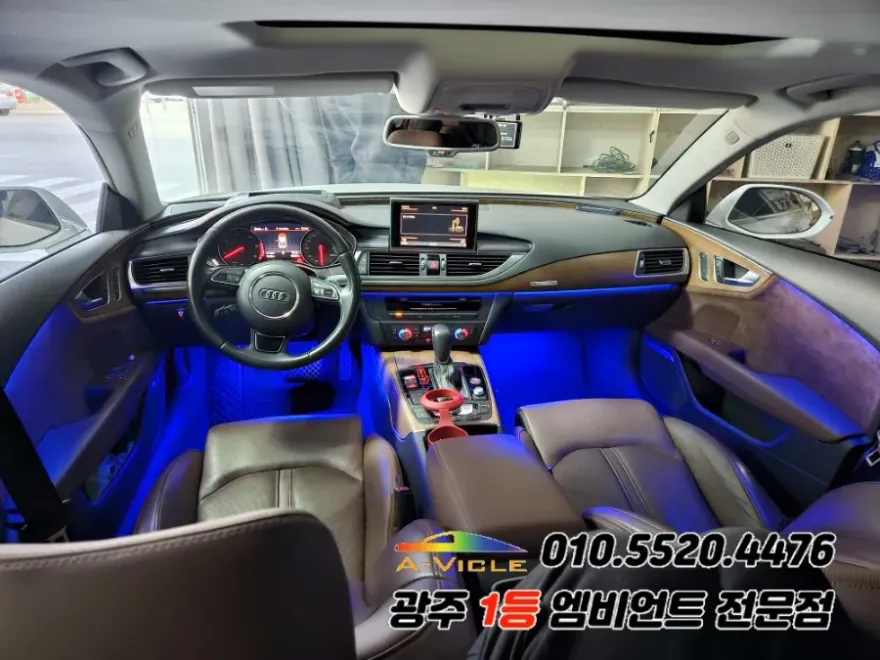
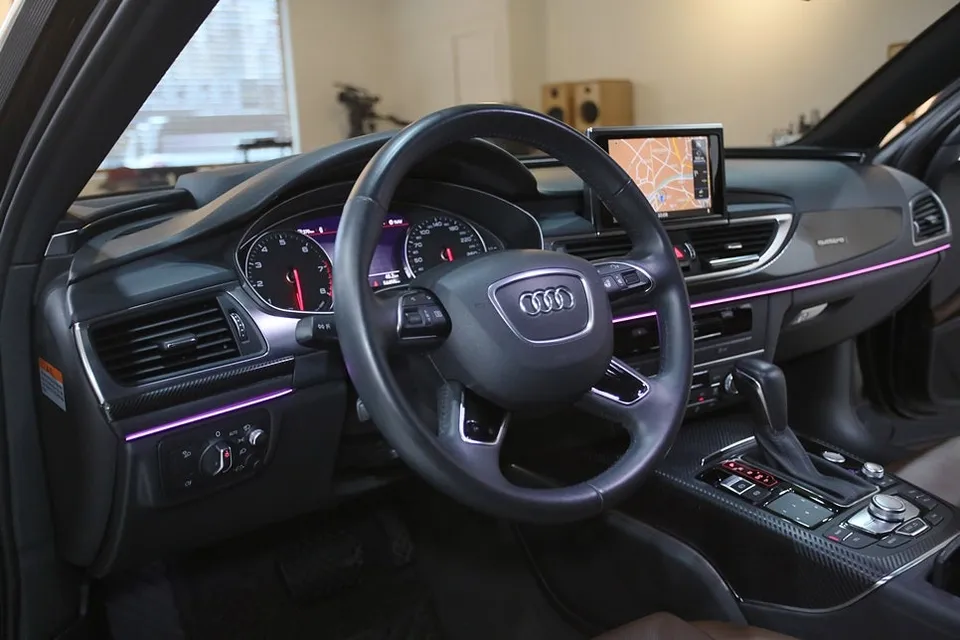
The interior of your vehicle significantly contributes to the overall driving experience. The Audi Q4 e-tron often features high-gloss trim pieces on the center console and door panels, which, while stylish, are highly susceptible to fingerprints, dust, and scratches. To combat this, PPF can be applied to these interior high-gloss surfaces. The installation of interior PPF is typically a wet application process, requiring precise mixing of a solution to ensure optimal adhesion and a flawless finish. While some minor water droplets may be visible immediately after application, they naturally evaporate as the film cures and adheres completely. Post-installation, the high-gloss surfaces gain a protective layer that also offers a self-healing property for minor imperfections, keeping the interior looking immaculate.
Complementing the interior PPF, a carbon fiber wrap was applied to areas like the air vents and along the door lines. This carbon wrap, using Avery's matte finish film, provides a textured, high-end look that mimics real carbon fiber. The installation requires meticulous skill to ensure the pattern aligns correctly and doesn't distort, especially around curves. The matte finish is advantageous as it resists fingerprints and smudges. For those who prefer a glossier appearance, a gloss carbon fiber film is also an option. A clean, professional finish on interior wraps is essential, as these areas are constantly in the driver's line of sight, contributing significantly to cabin satisfaction.
Installation Process:
- Thorough cleaning and decontamination of the vehicle's surface.
- Precise cutting and application of the PPF or wrap film.
- Careful squeegeeing to remove air bubbles and solution.
- Edge wrapping and trimming for a seamless finish.
- Allowing the film to cure and fully adhere.
Frequently Asked Questions
Q. How much does PPF cost for an Audi Q4 e-tron?
The cost for PPF on an Audi Q4 e-tron can vary, but this specific installation, including interior wraps, was performed in Korean Won. Typical US pricing for a full front PPF application ranges from $1,500 to $3,000.
Q. How long does PPF last on an Audi Q4 e-tron?
High-quality PPF typically lasts 5-10 years, depending on the brand and maintenance. To ensure longevity, regularly wash the vehicle by hand and avoid abrasive cleaning methods.
Q. Is PPF worth it for an Audi Q4 e-tron?
PPF is highly recommended for owners who want to preserve their vehicle's paint condition against daily driving hazards. It offers significant value by preventing costly paint repairs and maintaining resale value.
Q. How is PPF installed on an Audi Q4 e-tron?
Installation involves meticulously cleaning the surface, precisely applying the PPF film, carefully squeegeeing out any air or solution, and ensuring edges are sealed for a smooth finish. The film then cures to the paintwork.
Q. What is the difference between PPF and ceramic coating for an Audi Q4 e-tron?
PPF provides physical protection against impacts and scratches, while ceramic coating offers a hard, hydrophobic layer primarily for gloss enhancement and protection against minor chemical etching. For comprehensive protection, PPF is the superior choice against physical damage.
OhCar Partner Shop
More ppf Reviews
See all →

More Audi Reviews
Pair with Another Service
Add hydrophobic protection on top of PPF
Complete your new car protection package