Audi Q7 Fixed Side Steps: Essential for Safe Entry and Exit
Service Price
$150+
Estimated price · Actual price may vary by shop
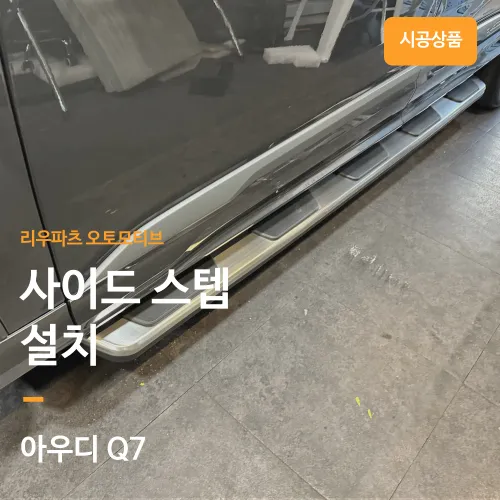
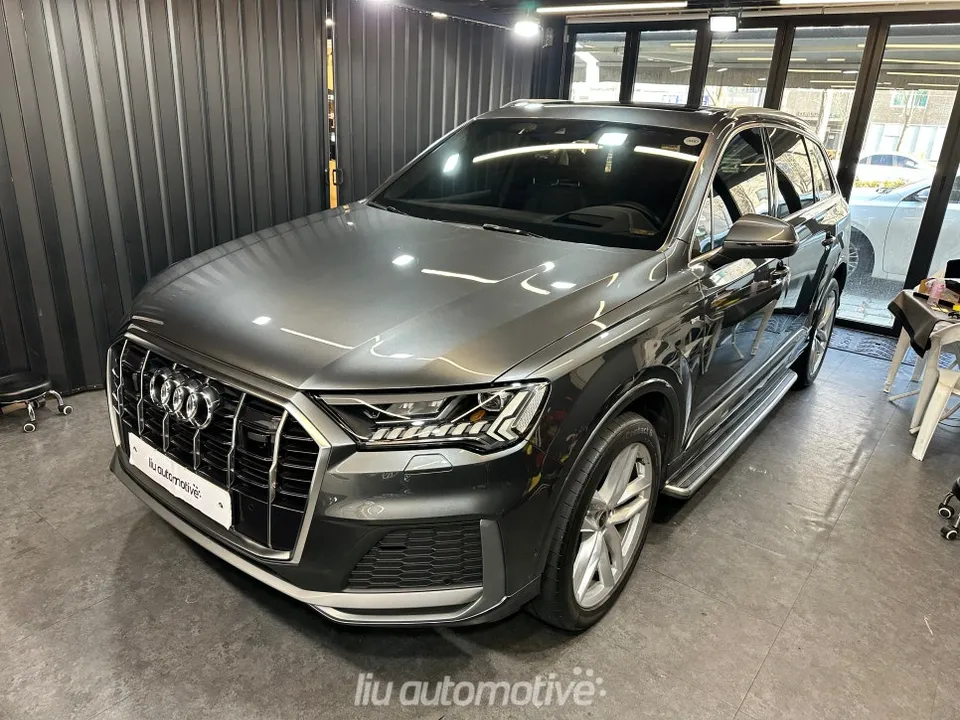
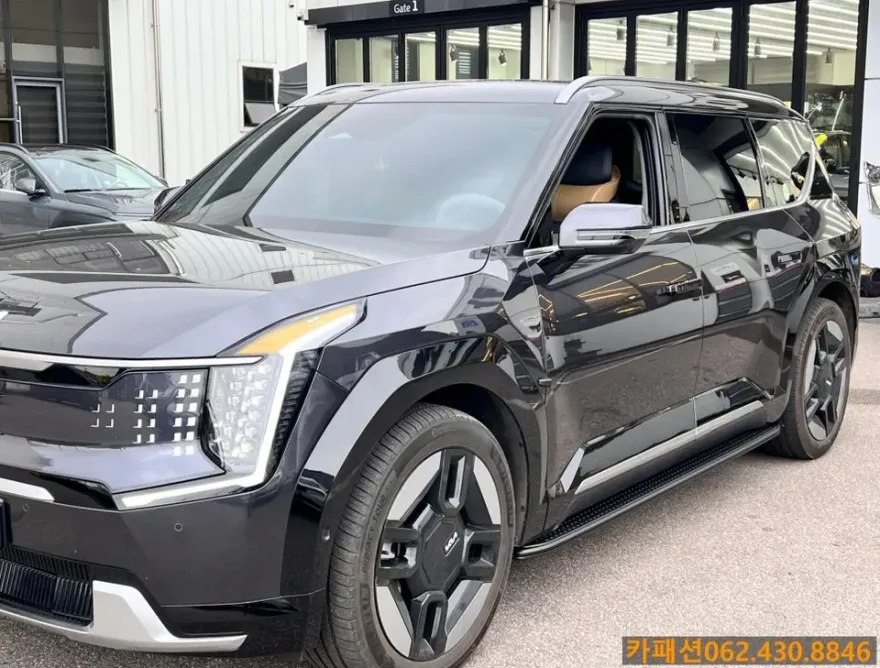
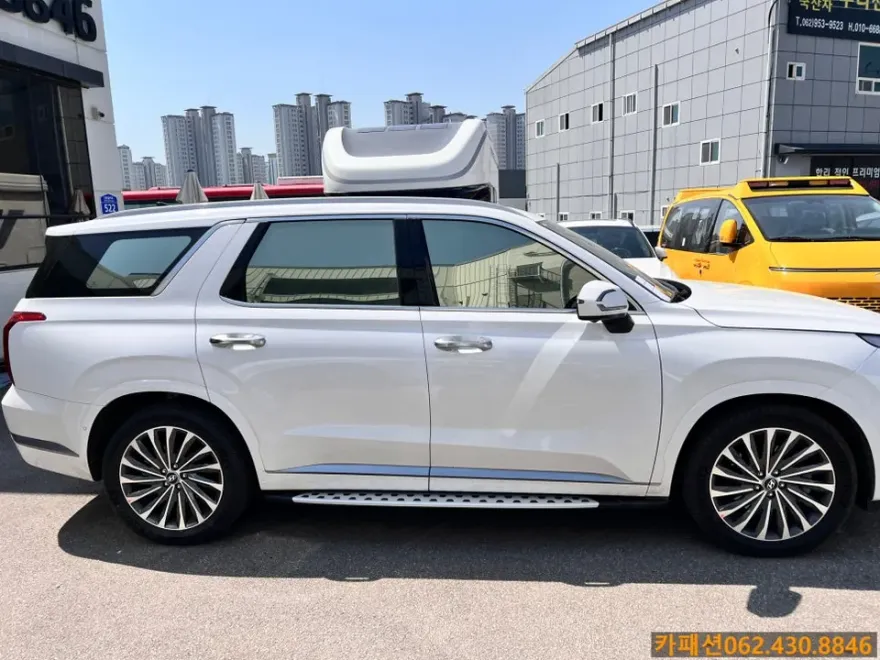
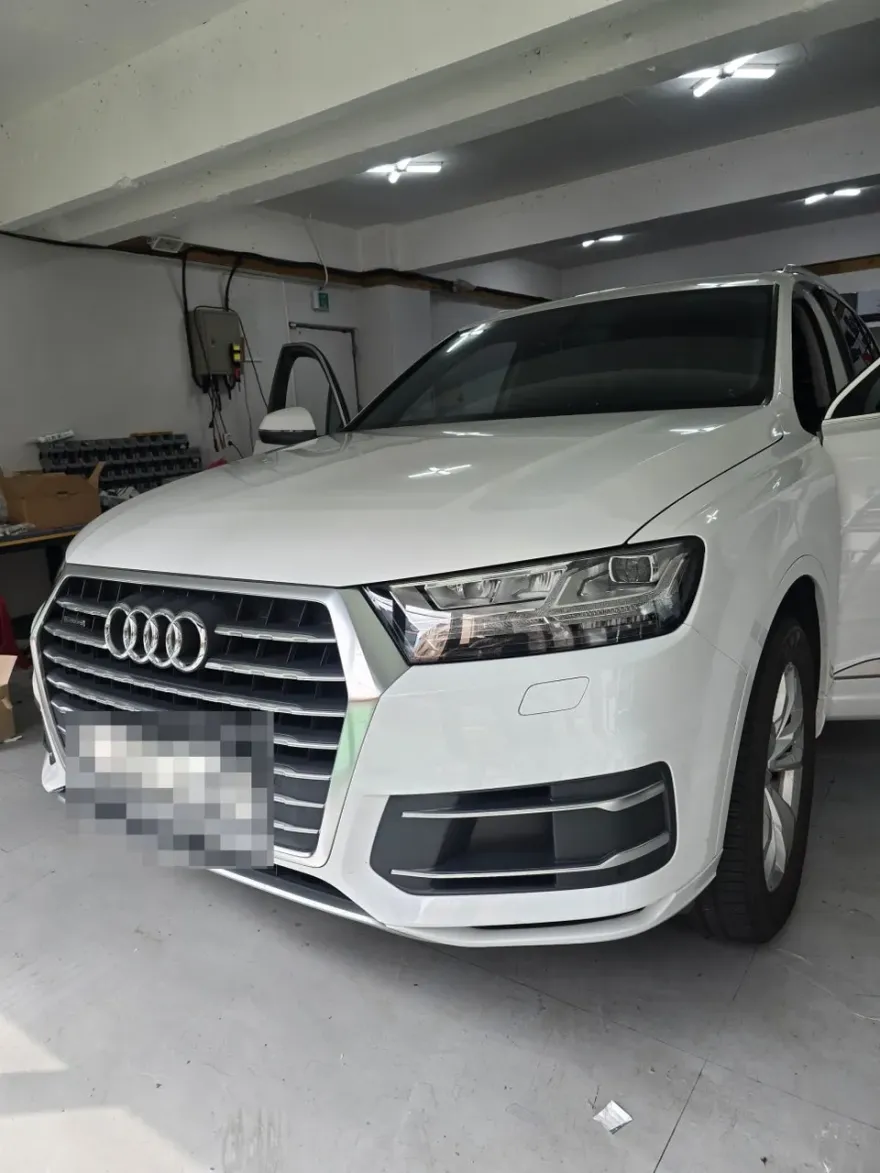
Fixed side steps installed on Audi Q7 for enhanced safety and convenience. Improves accessibility for passengers.
Audi Q7 Side Steps: Why Choose the Fixed Type?
Owners of SUV vehicles often face a common challenge: the inconvenience of getting in and out due to a high vehicle body. Premium large SUVs like the Audi Q7 have an even higher ground clearance, making daily ingress and egress a strain. Installing side steps is the solution to this discomfort and safety hazard. Today, we'll examine a real-world installation of fixed side steps on an Audi Q7 to understand which type is the safest and most practical.
Key Takeaways from this Article:
- The core differences between fixed and automatic (power) side steps.
- Why bracket quality is crucial for stability.
- The actual Q7 installation process and the quality of the finished product.
- Important points to consider when choosing side steps.
Understanding the Two Types of Side Steps
Side steps generally fall into two main categories. The first is the automatic (power) type, which retracts and extends automatically from beneath the vehicle when the doors are opened. The second is the fixed type, which remains permanently attached to the vehicle's body.
For this Audi Q7 installation, the fixed type was chosen. Understanding the pros and cons of each makes the choice clearer. Automatic steps offer the advantage of maintaining the vehicle's aesthetic when not in use, but they require motors and wiring, increasing the risk of malfunction. In contrast, fixed steps have a simpler structure, minimizing concerns about breakdowns and offering a more economical installation cost.
For a premium large SUV like the Q7, a fixed side step can actually complement its presence. The vehicle's substantial size means the addition of a step can enhance its robust appearance and provide a sense of stability. Crucially, long-term reliability and ease of maintenance strongly favor the fixed type.
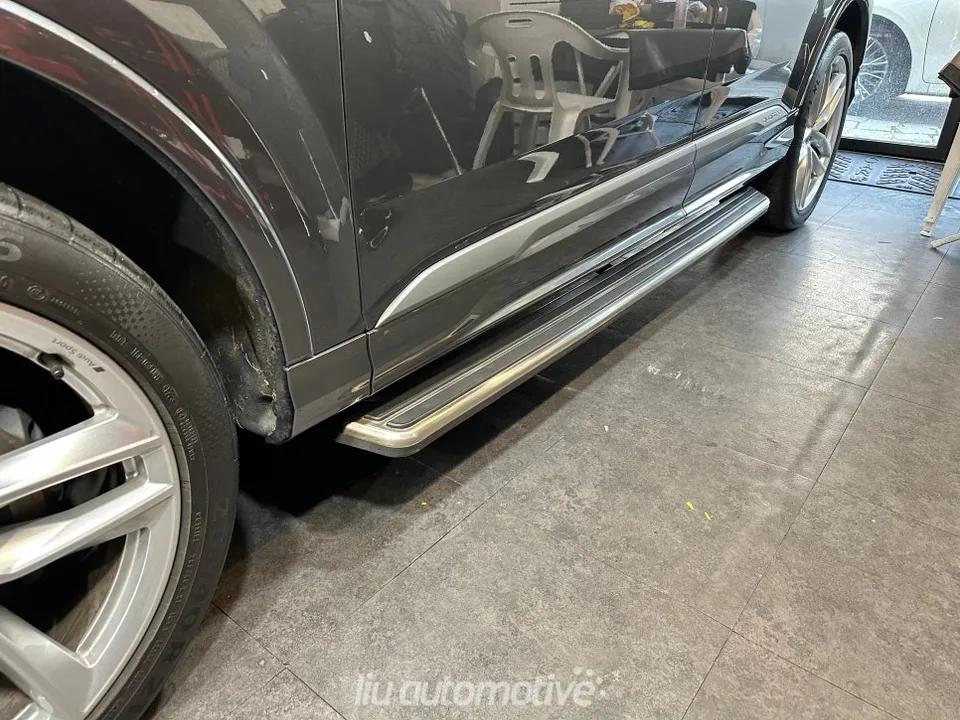
The Role of Brackets in Fixed Side Step Stability
The true value of side steps becomes apparent when multiple adults need to step up. A securely installed side step should comfortably support the weight of several adult males. The key to safely bearing such significant loads lies in the quality of the brackets.
Brackets are the metal components that connect the side step to the vehicle's chassis. The overall stability of the installation is determined by the strength and thickness of these parts. Low-quality brackets, often made from thinner materials or with inferior alloy compositions, can sag or vibrate over time. Conversely, high-grade brackets, like those used in this installation, are typically constructed from high-strength steel, ensuring long-term stability.
Another critical factor is minimizing play or looseness. Even with robust brackets, excessive movement within the side step itself can lead to a wobbly sensation when used. The product installed on this Q7 offers excellent integration with the vehicle body, resulting in virtually no vibration or movement after installation. This seamless integration is the hallmark of a premium side step solution.
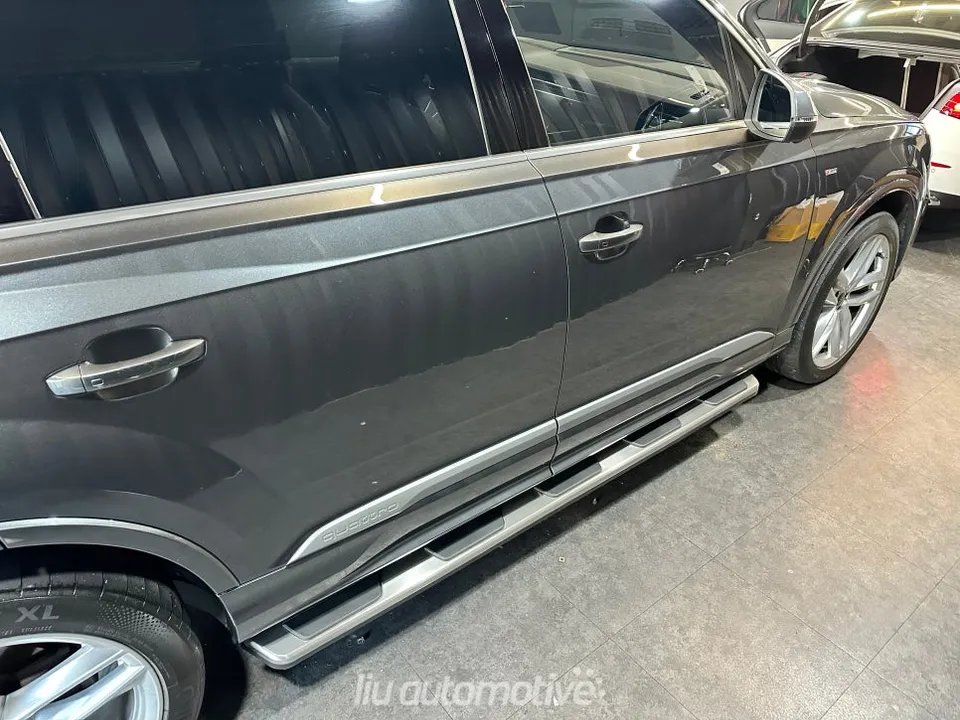
Audi Q7 Side Step Installation Process
This installation was performed at the Today's Car Seocho branch. A key aspect of installing fixed side steps is ensuring the height and angle of both steps are perfectly aligned. Even a millimeter's difference can be perceived as instability when stepping up, making this a surprisingly precise task.
Before the installation, the Audi Q7's original state highlighted the difficulty for elderly individuals or children to enter and exit due to its high ground clearance. This would have been particularly hazardous on slippery surfaces during winter.
Installation Process:
- The vehicle's undercarriage is prepared, and mounting points are identified.
- High-strength brackets are securely bolted to the vehicle's chassis using specialized hardware.
- The side step assembly is then attached to the mounted brackets, ensuring precise alignment.
- All connections are tightened, and the stability and fit of the side steps are thoroughly checked.
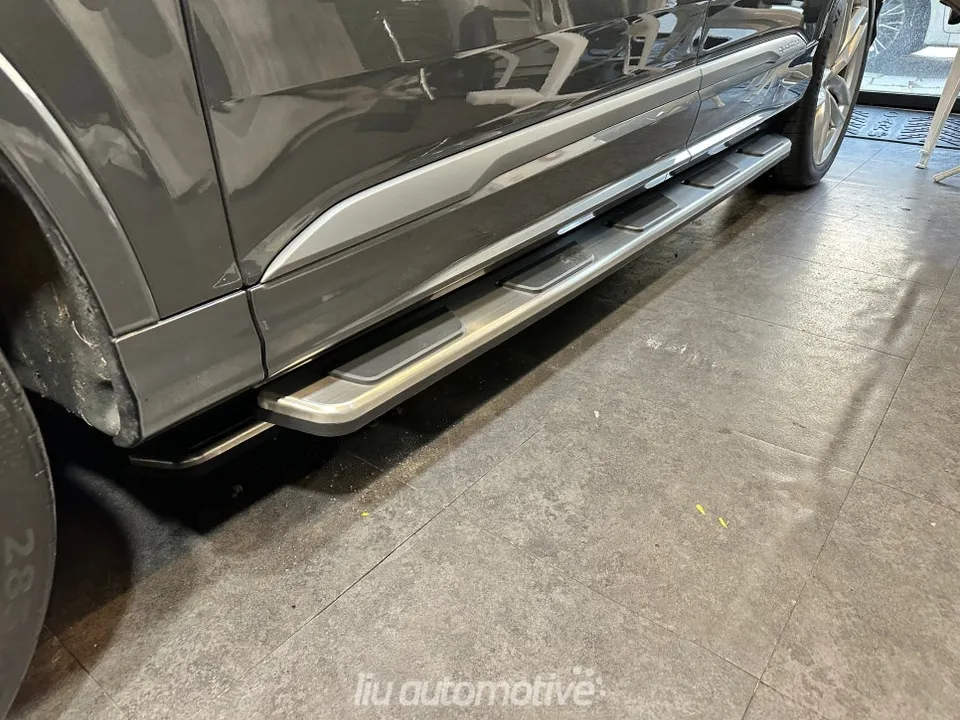
The result is a seamless integration that significantly improves accessibility and safety, enhancing the overall usability of the Audi Q7 for all passengers.
Frequently Asked Questions
Q. How much does a body kit cost for an Audi Q7?
The fixed side steps installed on this Audi Q7 offer enhanced safety and convenience. While specific pricing varies by region and product, similar premium side step kits in the US typically range from $400 to $1,200, plus installation costs.
Q. How long does body kit installation take on an Audi Q7?
Installation of fixed side steps on an Audi Q7 is a precise process that usually takes 2-4 hours. To ensure longevity, regularly check the tightness of bracket bolts and clean the steps to prevent corrosion.
Q. Is a body kit worth it for an Audi Q7?
Fixed side steps are highly recommended for Audi Q7 owners who frequently carry passengers, especially children or elderly individuals, as they significantly improve accessibility and safety. The value lies in the enhanced convenience and reduced risk of injury.
Q. How is a body kit installed on an Audi Q7?
Installation involves securely attaching specialized brackets to the Q7's chassis at designated points. The side step assembly is then mounted onto these brackets, ensuring perfect alignment and stability. Finally, all connections are tightened and tested for safety.
Q. What is the difference between FRP and polyurethane body kits for an Audi Q7?
This review focuses on fixed side steps, not full body kits. However, comparing materials for body kits, FRP (Fiber-Reinforced Plastic) is rigid but can be brittle, while polyurethane is more flexible and impact-resistant, making it generally more durable for vehicle applications.
OhCar Partner Shop