Hyundai Staria Body Kit Installation Review
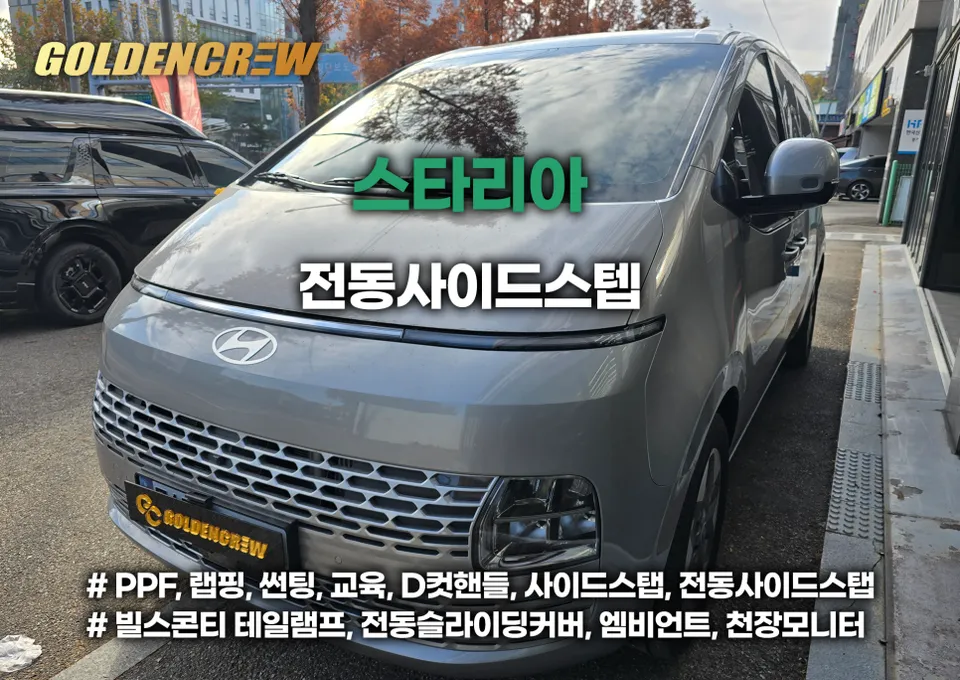
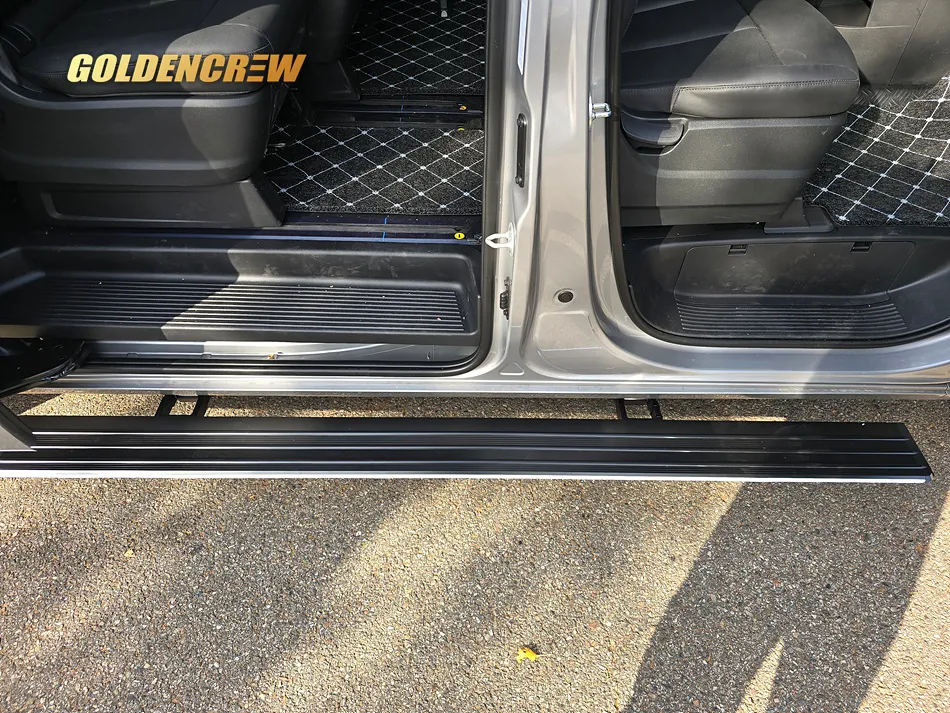
Hyundai Staria body kit installation review: Costs vary. Enhances appearance with front lip and side skirts. Durability depends on material.
Hyundai Staria Body Kit Installation and Costs
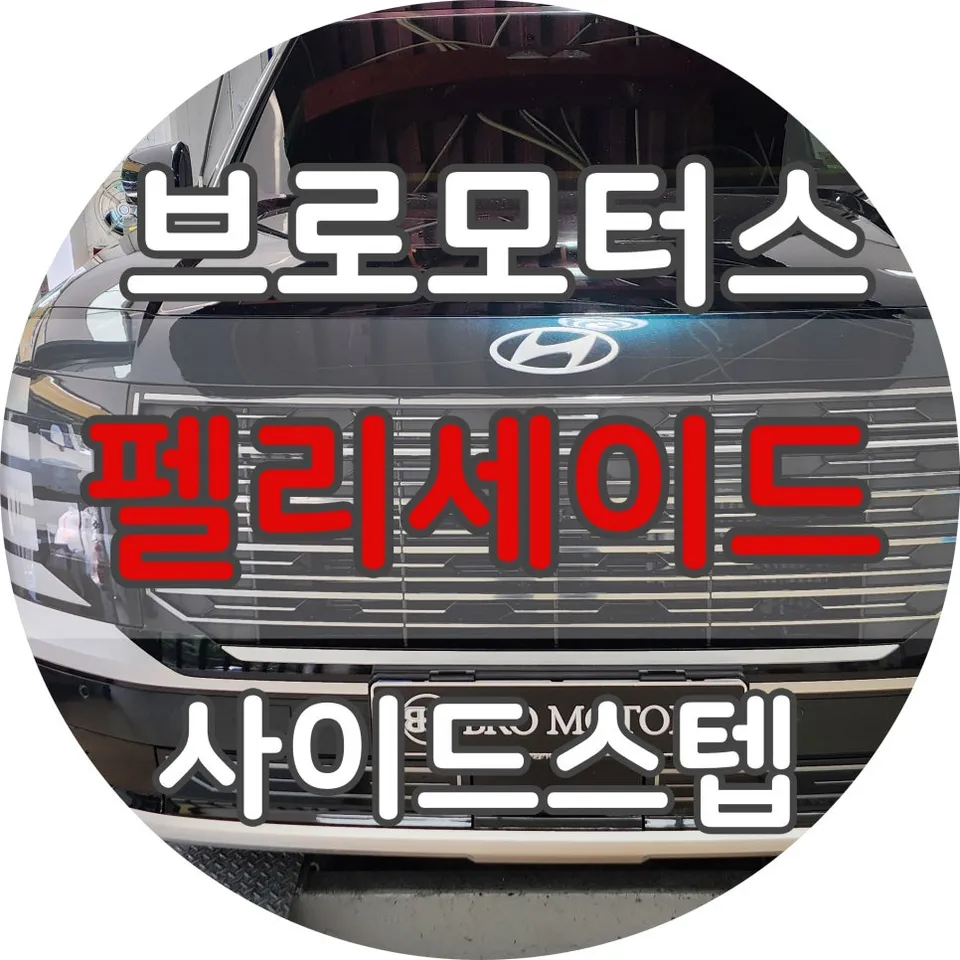
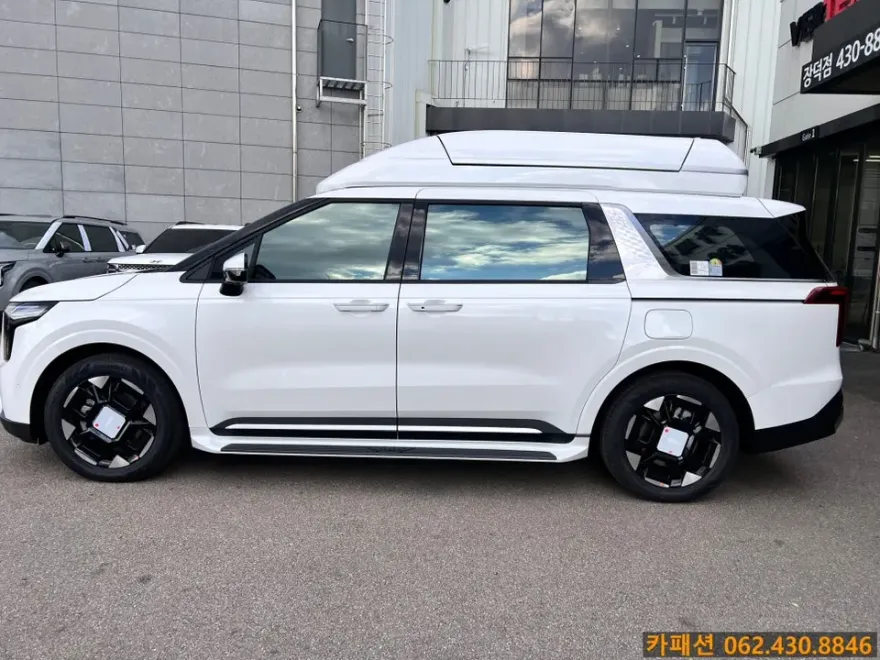
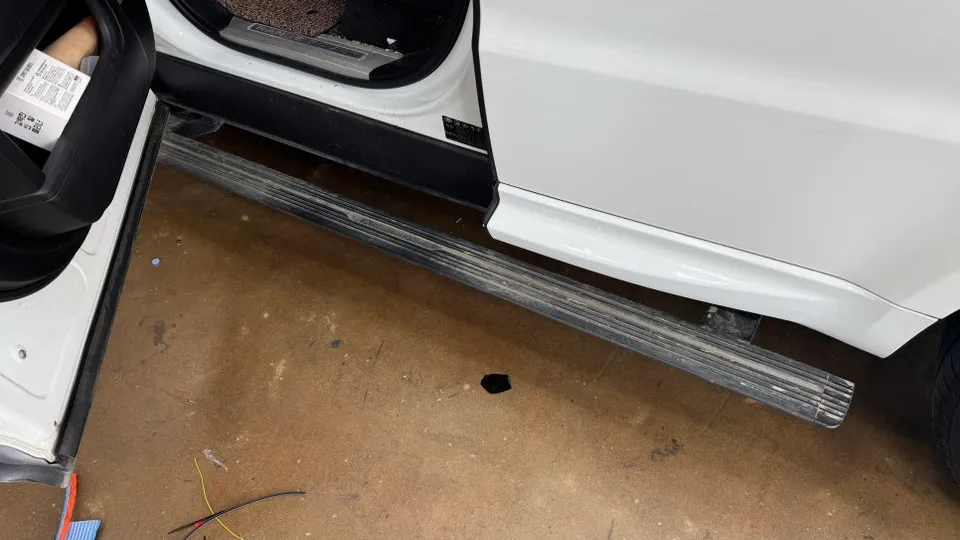
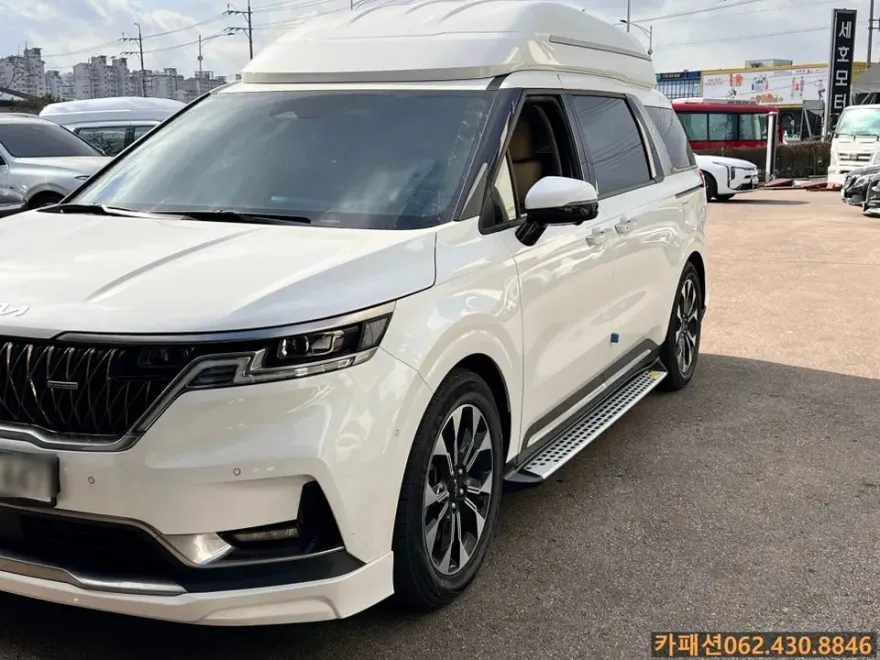
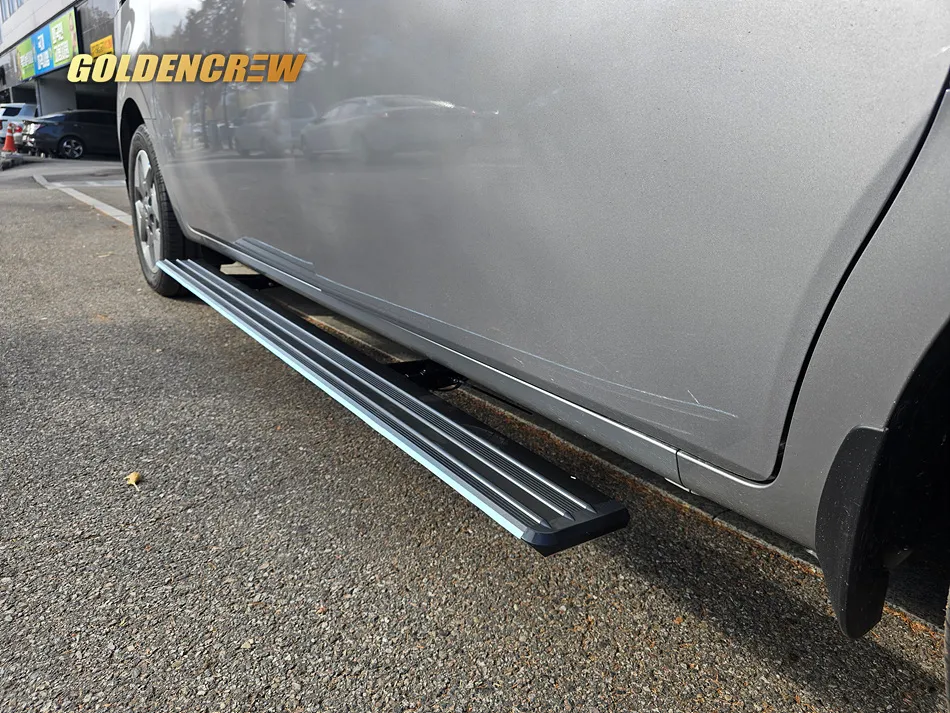
Upgrading your Hyundai Staria with a body kit can significantly alter its appearance, giving it a more aggressive or refined look. This review delves into the process, potential costs, and the overall value of installing an aero kit on your Staria. While the original context discusses a specific electric side step installation in Korea, we'll focus on the broader implications of body kit installations for this versatile vehicle, covering front lip and side skirt additions.
Body Kit Installation Process and Materials
Installing a body kit typically involves several key steps to ensure a seamless and durable finish. The process usually begins with preparing the vehicle's surface, followed by the precise fitting and attachment of the new body panels. Materials commonly used for body kits include Fiberglass Reinforced Plastic (FRP) and polyurethane. FRP is often more affordable but can be brittle and prone to cracking if not handled carefully. Polyurethane, on the other hand, is more flexible, durable, and impact-resistant, making it a better choice for longevity, though it usually comes at a higher cost. The installation itself requires expertise to ensure proper alignment and secure mounting, often involving drilling and specialized adhesives.
Before and After Results, Durability, and Maintenance
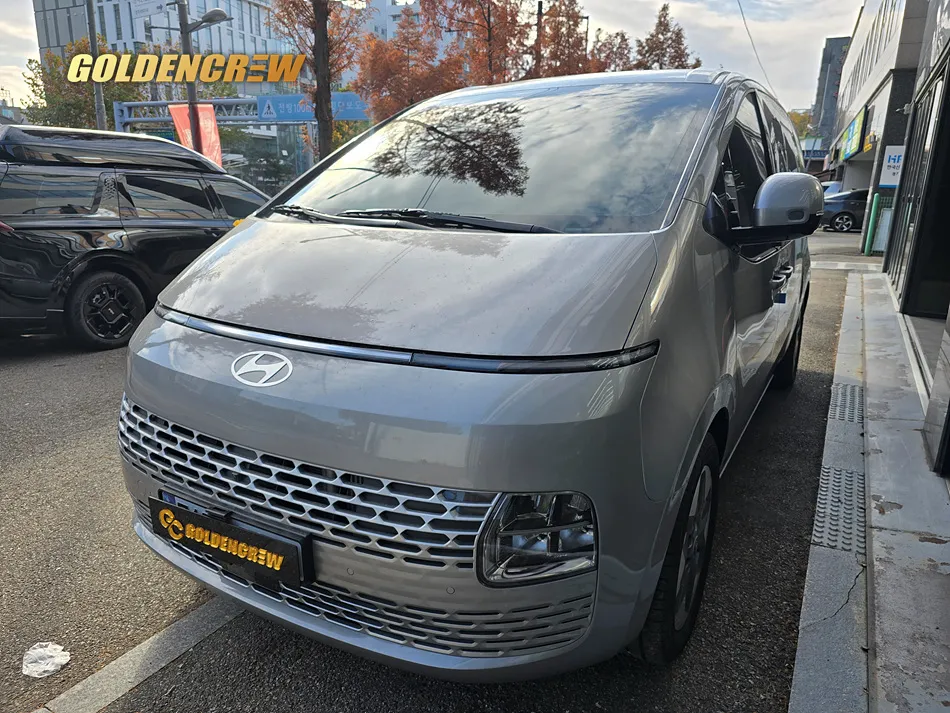
The visual transformation after a body kit installation can be dramatic. A front lip can lower the perceived height of the vehicle and add a sporty edge, while side skirts visually connect the front and rear of the car, creating a more cohesive and dynamic profile. The durability of a body kit largely depends on the material used and the quality of the installation. Polyurethane kits generally withstand daily driving conditions better than FRP. Maintenance involves regular cleaning and occasional checks for any loose fittings or damage, especially after encountering road debris or harsh weather. For those in regions with varied road conditions, understanding the kit's resilience is crucial.
Installation Process:
- Surface Preparation: Thoroughly clean and degrease the mounting areas on the Staria's bumpers and side panels.
- Test Fitting: Carefully position the body kit components (front lip, side skirts) to ensure proper alignment and fitment before any permanent attachment.
- Attachment: Secure the components using a combination of automotive-grade adhesive, screws, or clips, as per the kit manufacturer's instructions.
- Finishing: Allow adhesives to cure fully and perform any necessary touch-ups or painting to match the vehicle's original color.
When considering a body kit, weigh the aesthetic benefits against the installation cost and potential maintenance requirements. For many Staria owners, the enhanced visual appeal and custom look justify the investment, provided a quality kit and professional installation are chosen.
Frequently Asked Questions
Q. How much does a body kit cost for a Hyundai Staria?
The cost for a Hyundai Staria body kit can range significantly, with basic kits starting around $500 USD and premium options exceeding $1500 USD, plus installation fees. Actual installation costs in Korea, as per the context, are for electric side steps, not full body kits, and would be quoted separately.
Q. How long does body kit installation take on a Hyundai Staria?
Body kit installation typically takes between 4 to 8 hours, depending on the complexity of the kit and the installer's experience. Proper durability is achieved through quality materials like polyurethane and professional fitting, with regular cleaning being the primary maintenance.
Q. Is a body kit worth it for a Hyundai Staria?
A body kit is worth it for Hyundai Staria owners seeking a more personalized and aggressive aesthetic. It's most beneficial for those who prioritize visual customization and are willing to invest in quality materials and installation for a lasting upgrade.
Q. How is a body kit installed on a Hyundai Staria?
Installation involves preparing the Staria's surface, test-fitting the body kit components like the front lip and side skirts for precise alignment, and then securely attaching them using automotive adhesives and/or fasteners. Finally, any necessary finishing touches, such as painting, are completed.
Q. What is the difference between FRP and polyurethane body kits for a Hyundai Staria?
FRP (Fiberglass Reinforced Plastic) kits are generally less expensive but more brittle, while polyurethane kits offer superior flexibility and impact resistance for better durability. For most users, a polyurethane body kit is recommended for its longevity and resilience against daily driving impacts.
OhCar Partner Shop