Mercedes-Benz E-Class Body Kit Review — Installation & Cost
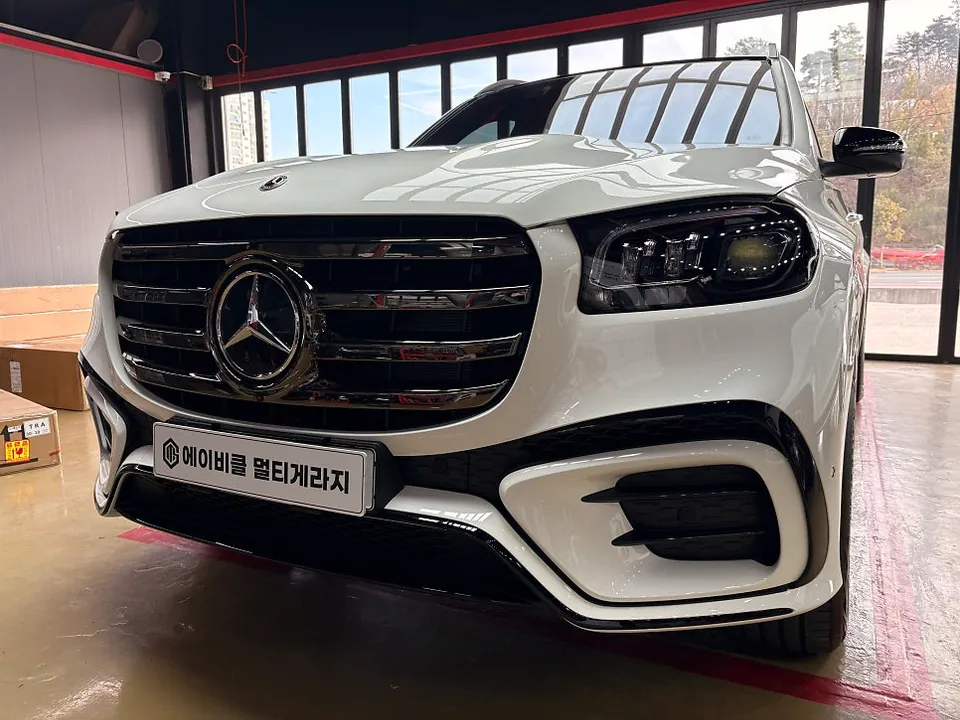
Mercedes-Benz E-Class body kit installation offers a striking visual upgrade. Costs vary, with professional installation recommended.
Transforming Your Mercedes-Benz E-Class with a Body Kit
The Mercedes-Benz E-Class is already a symbol of luxury and performance, but for owners seeking to elevate its presence further, a body kit offers a compelling avenue. This modification goes beyond simple aesthetics, potentially enhancing aerodynamics and giving the vehicle a more aggressive or bespoke appearance. This review delves into the specifics of body kit installation, the associated costs, and the overall value proposition for E-Class owners.
Understanding Body Kit Components and Installation
A body kit, often referred to as an aero kit, typically includes several components designed to alter the car's exterior lines. These can range from a new front bumper or lip spoiler to side skirts and a rear diffuser or spoiler. The goal is to create a cohesive and visually striking new silhouette for the vehicle. While the original context discusses upgrades for a Mercedes-Benz GLS, the principles of body kit installation apply broadly to luxury sedans like the E-Class.
The installation process requires precision and expertise. It's not a simple bolt-on affair for most kits. Often, it involves removing factory components, preparing the new parts (which may include painting to match the vehicle's color), and carefully fitting them to ensure proper alignment and integration with the car's existing bodywork. For instance, fitting a new front lip or side skirts involves meticulous alignment to avoid gaps or misfits that could detract from the overall look and potentially cause aerodynamic issues.
Installation Process:
- Component Preparation: The new body kit parts are inspected, and if necessary, professionally painted to match the Mercedes-Benz E-Class's paint code.
- Factory Part Removal: Existing bumpers, side skirts, or other relevant parts are carefully removed.
- Test Fitting: New components are test-fitted to ensure precise alignment and fitment before permanent attachment.
- Secure Attachment: Parts are securely fastened using appropriate hardware, often integrating with existing mounting points or requiring custom brackets.
- Finishing Touches: Any final adjustments, sealing, or sensor reinstallation are completed to ensure a factory-like finish.
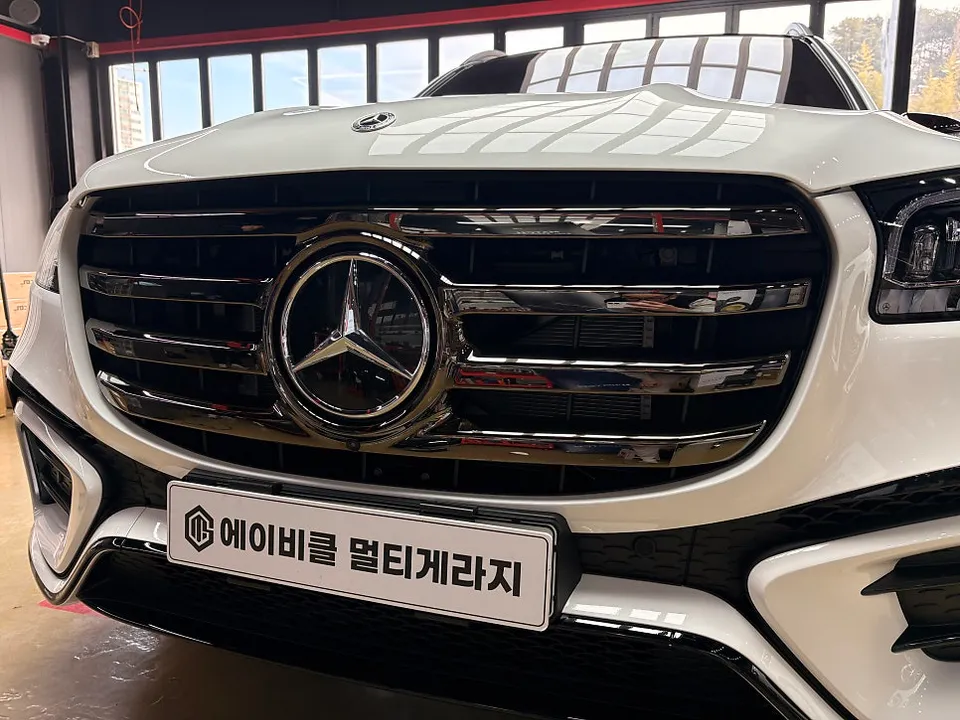
Before & After Results, Durability, and Cost Considerations
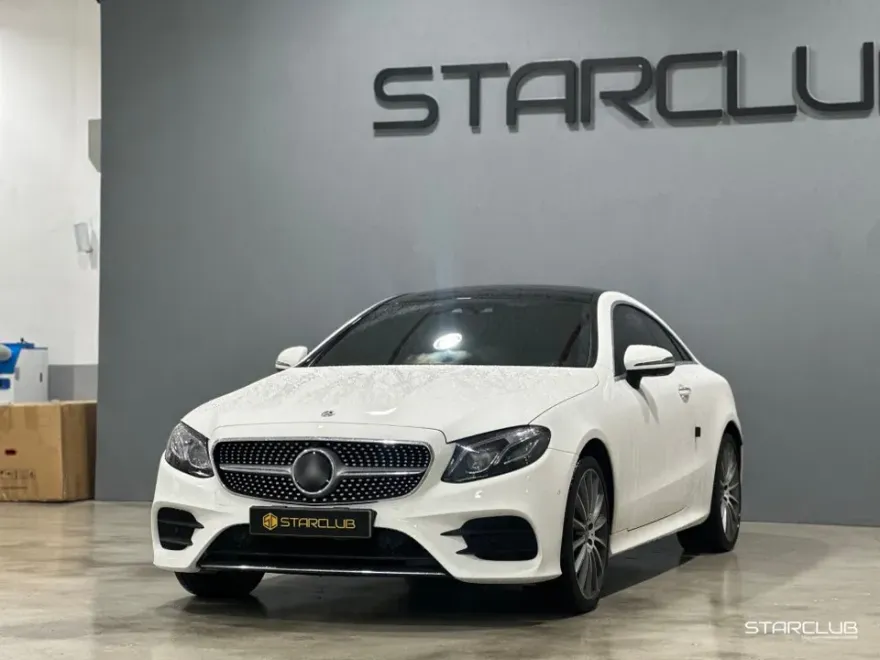
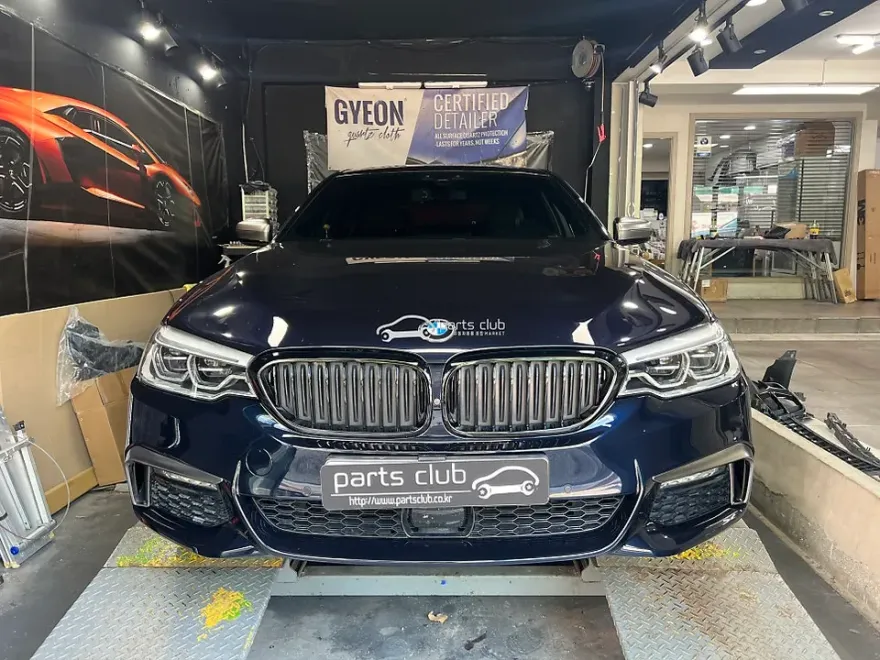
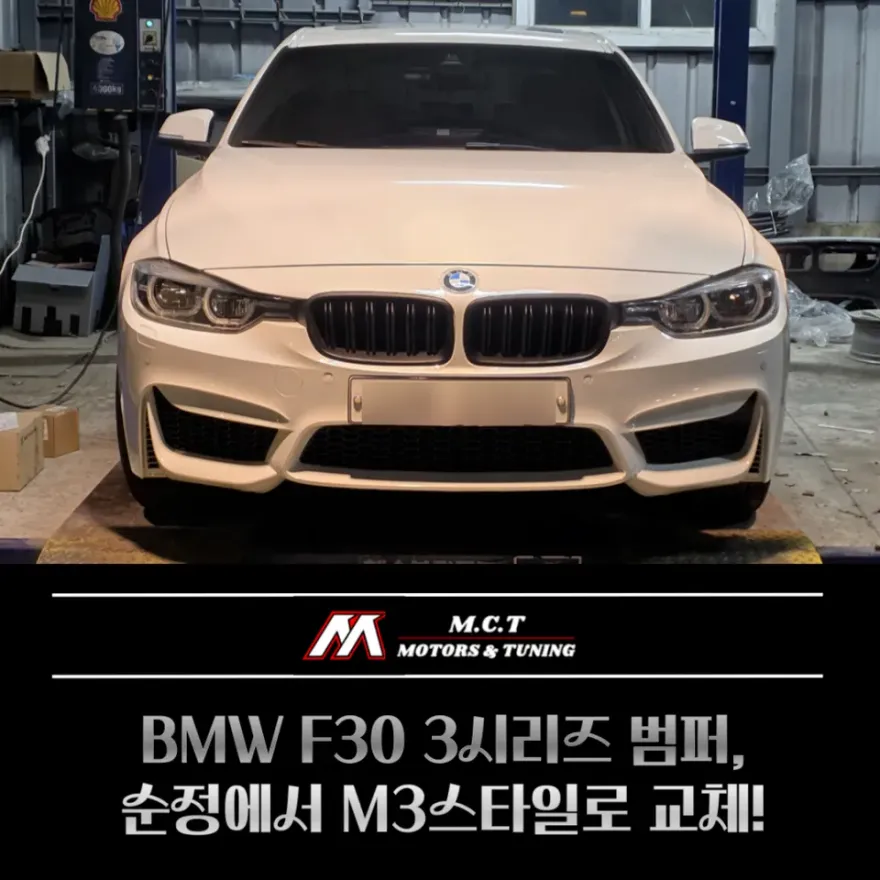
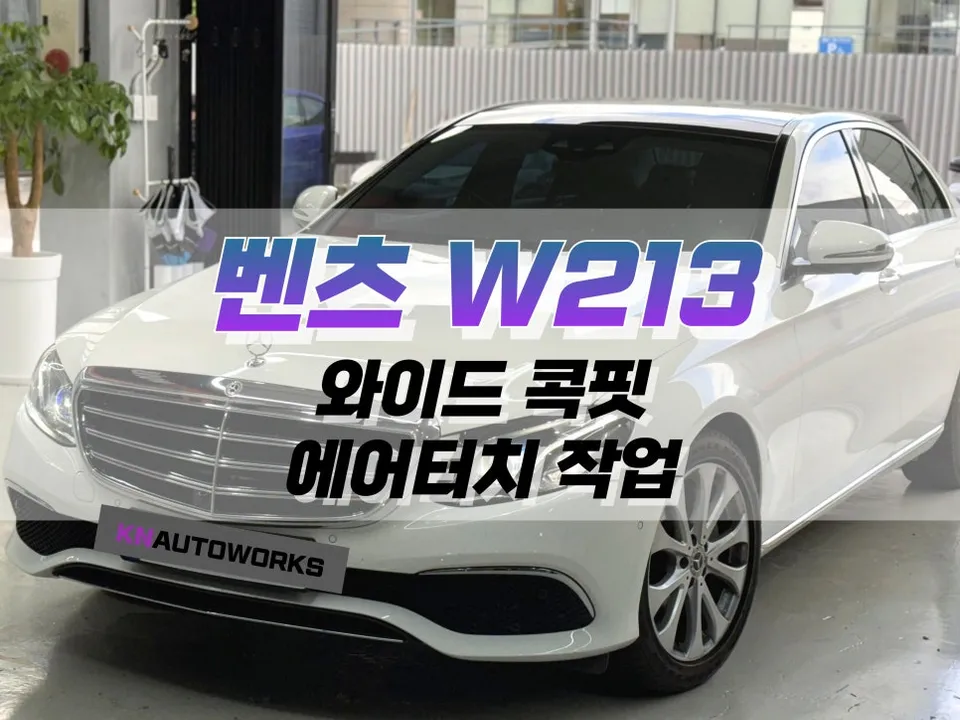
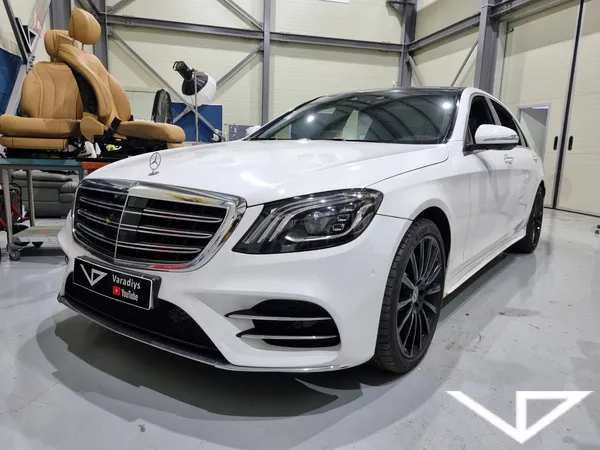
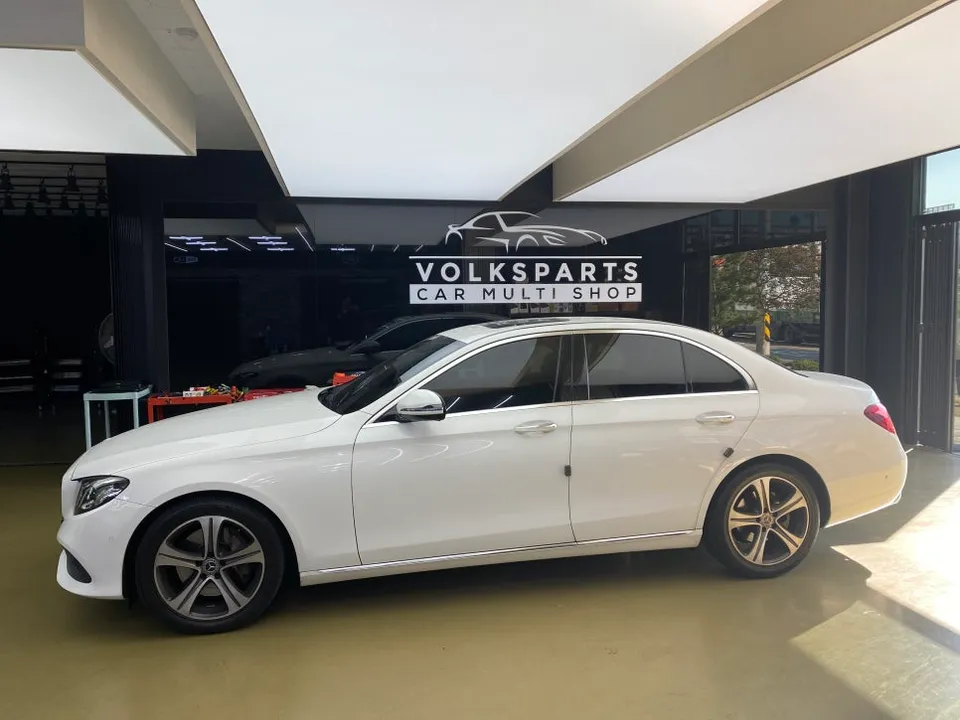
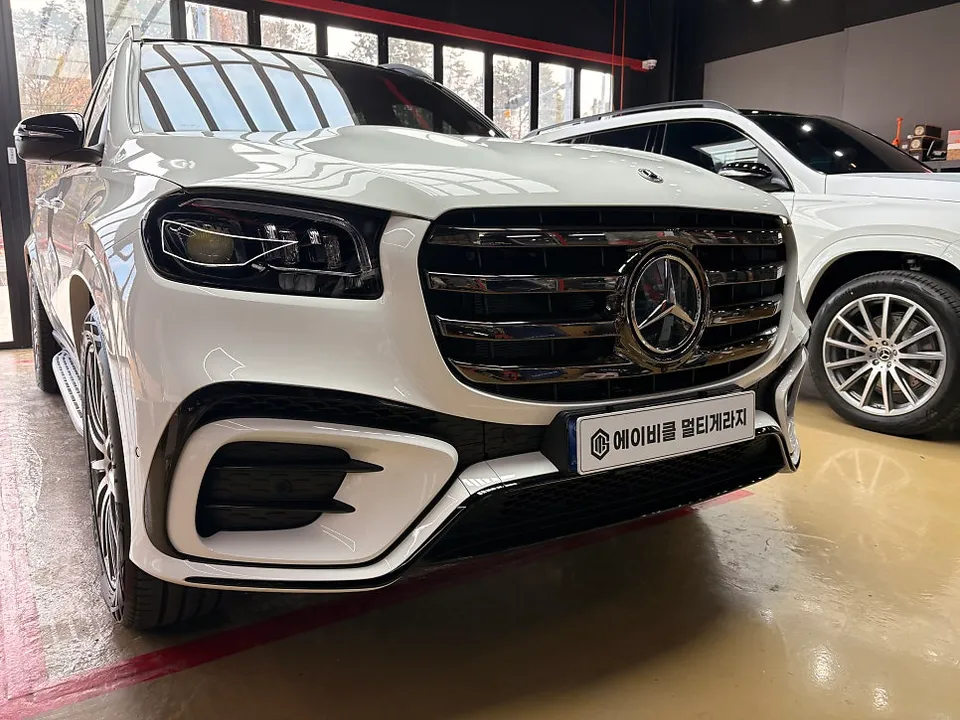
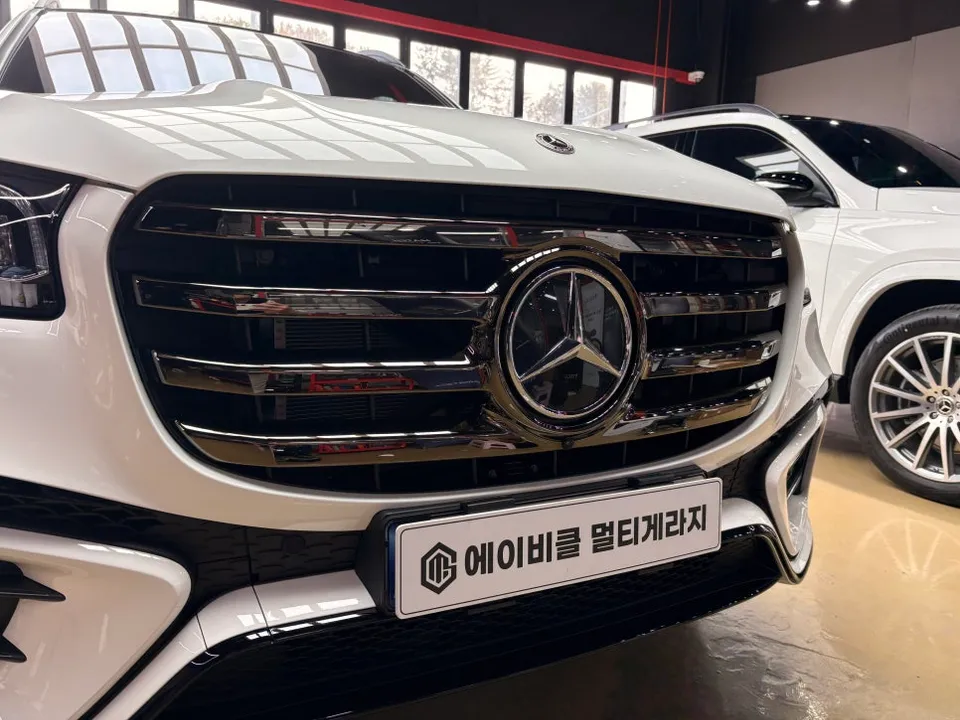
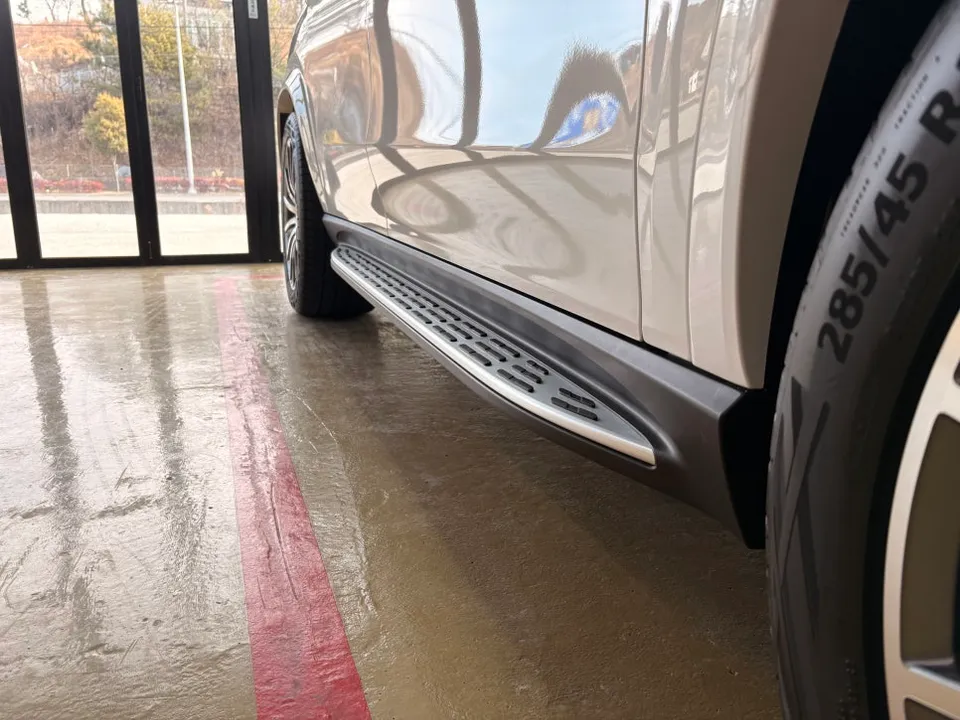
The most significant impact of a body kit is the visual transformation. Before installation, the E-Class presents its standard, elegant design. After the body kit is fitted, the car gains a more aggressive, sporty, or customized stance. This can range from subtle enhancements with a front lip and side skirts to a complete overhaul with a wide-body kit. The Korean context highlights how such modifications, like the grille and side step changes on a GLS, dramatically alter the vehicle's presence, making it appear more luxurious and dynamic, akin to higher-end Maybach or AMG models.
Durability is a key concern. Body kits are typically made from materials like polyurethane (PU) or fiberglass-reinforced plastic (FRP). Polyurethane is generally more flexible and impact-resistant, making it better suited for daily driving and less prone to cracking. FRP can be lighter and more rigid but may be more brittle. Proper installation is crucial for durability; a poorly fitted kit is more susceptible to damage from road debris or minor impacts. Maintenance usually involves regular cleaning and waxing, similar to the rest of the car's paintwork. Owners should be mindful of potential scraping on steep driveways or speed bumps, especially with lowered suspension.
Regarding body kit cost, the original context doesn't provide specific figures for the E-Class but mentions upgrades for a GLS. Generally, the cost of a body kit for a Mercedes-Benz E-Class can vary significantly. Basic kits might start from around $1,000 USD for parts alone, while more comprehensive or high-end kits, especially those from renowned manufacturers, can easily exceed $3,000-$5,000 USD. Professional installation adds to the total cost, typically ranging from $500 to $2,000 USD or more, depending on the complexity of the kit and the labor rates in your region. It's important to factor in the cost of professional painting if the kit doesn't come pre-painted.
Is a Body Kit Worth It for Your E-Class?
Deciding whether a body kit is worth the investment depends on individual priorities. If the goal is to make your E-Class stand out and express a unique style, then the visual transformation can be highly satisfying. The enhanced aesthetic appeal can be a significant draw. However, potential drawbacks include the cost, the risk of damage, and potential impacts on insurance premiums or resale value. For owners who prioritize a distinct look and are willing to invest in quality parts and professional installation, a body kit can be a worthwhile upgrade. It's essential to research reputable brands and installers to ensure a high-quality result that complements the E-Class's inherent luxury and performance.
Frequently Asked Questions
Q. How much does a body kit cost for a Mercedes-Benz E-Class?
The cost for a Mercedes-Benz E-Class body kit can range from approximately $1,000 to over $5,000 USD for parts alone, with professional installation adding another $500 to $2,000+.
Q. How long does body kit installation take on a Mercedes-Benz E-Class?
Body kit installation typically takes between 1 to 3 days, depending on the complexity of the kit and whether painting is required. Proper maintenance involves regular cleaning and careful navigation of obstacles to prevent damage.
Q. Is a body kit worth it for a Mercedes-Benz E-Class?
A body kit is worth it for Mercedes-Benz E-Class owners seeking a unique, aggressive aesthetic and willing to invest in quality parts and professional installation. It significantly enhances visual appeal for those prioritizing customization.
Q. How is a body kit installed on a Mercedes-Benz E-Class?
Installation involves preparing and painting the kit components, removing factory parts, test-fitting the new pieces for precise alignment, and securely attaching them using appropriate hardware for a seamless finish.
Q. What is the difference between FRP and polyurethane body kits for a Mercedes-Benz E-Class?
Polyurethane kits are more flexible and impact-resistant, ideal for daily driving, while FRP kits are lighter and stiffer but potentially more brittle. For durability on a daily driver, polyurethane is generally recommended.
Q. What should I know before getting Body Kit on a Mercedes-Benz E-Class? (common regrets and mistakes)
The most common regret is choosing low-quality kits or unprofessional installation, leading to poor fitment and durability issues. Always opt for reputable brands and experienced installers to ensure a high-quality, lasting result.
OhCar Partner Shop