Audi Q7 Auto Folding Mirrors: Module Install Review
Service Price
$115–150
Estimated price · Actual price may vary by shop
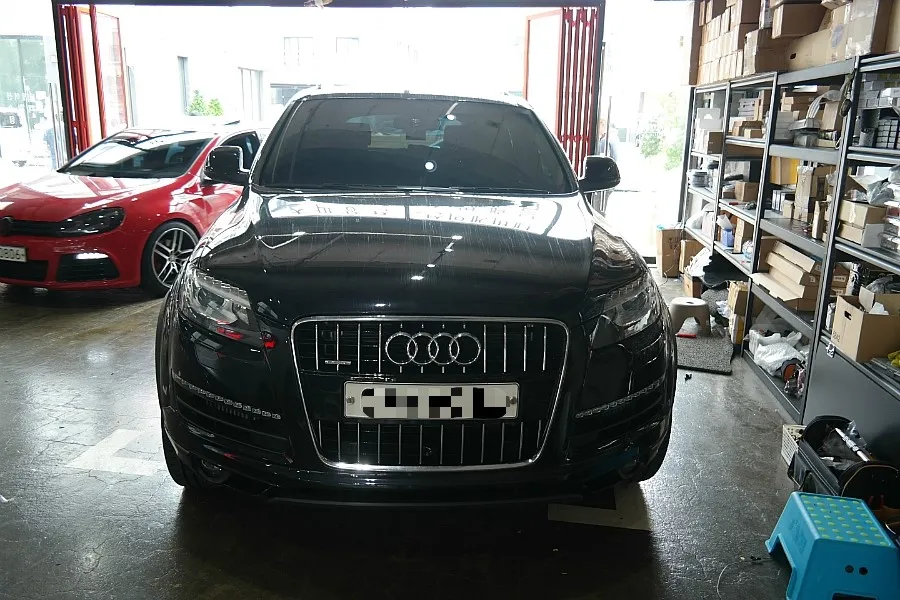
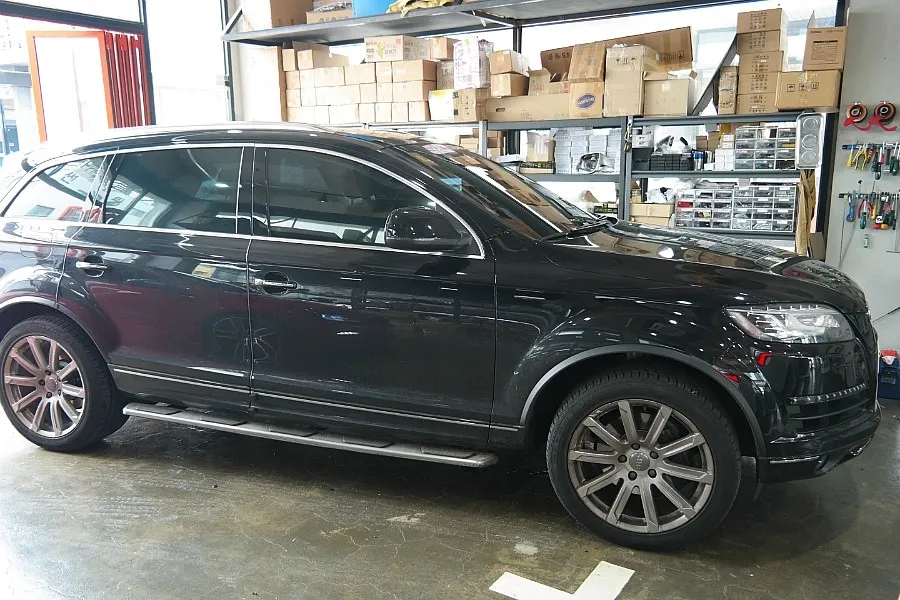
Audi Q7 auto folding mirrors installed for enhanced convenience. Module installation ensures automatic mirror retraction and unfolding.
Audi Q7: The Need for Auto Folding Mirrors
Even luxury SUVs like the Audi Q7, costing over $50,000, sometimes lack seemingly basic convenience features. One such feature is the auto-folding side mirrors, often referred to as 'lock folding'. While some higher trims include this, many standard or specific configurations do not. For the 2015 Audi Q7 we worked on, this feature was missing, prompting the owner to seek a solution. Unlike many vehicles where this can be activated through simple coding, the Q7's specific electrical architecture requires a dedicated module for this functionality.
The benefit of auto-folding mirrors is significant. They automatically retract when the vehicle is locked and unfold when unlocked or the ignition is turned on. This is incredibly useful in tight parking spaces, preventing accidental damage to the mirrors. It adds a layer of convenience and a touch of luxury, making the daily operation of the vehicle more seamless.
Understanding the Audi Q7's Electrical System
The Audi Q7, despite its advanced German engineering, presents a unique challenge for adding auto-folding mirrors. The 2015 model is not considered old, yet standard OBD-II coding methods are insufficient to activate this feature. This is because the mirror control is deeply integrated into the Body Control Module (BCM) and requires specific signals that aren't readily available through simple software tweaks. Therefore, the most effective solution involves installing a specialized aftermarket module.
This isn't a simple plug-and-play device. The installation requires precise integration with the vehicle's CAN bus system. This system is the backbone of the car's communication network, allowing different modules to exchange information. The auto-folding module needs to interpret signals related to door locking, ignition status, and vehicle speed to function correctly. This level of integration necessitates expertise in automotive electronics, especially for high-end European vehicles.
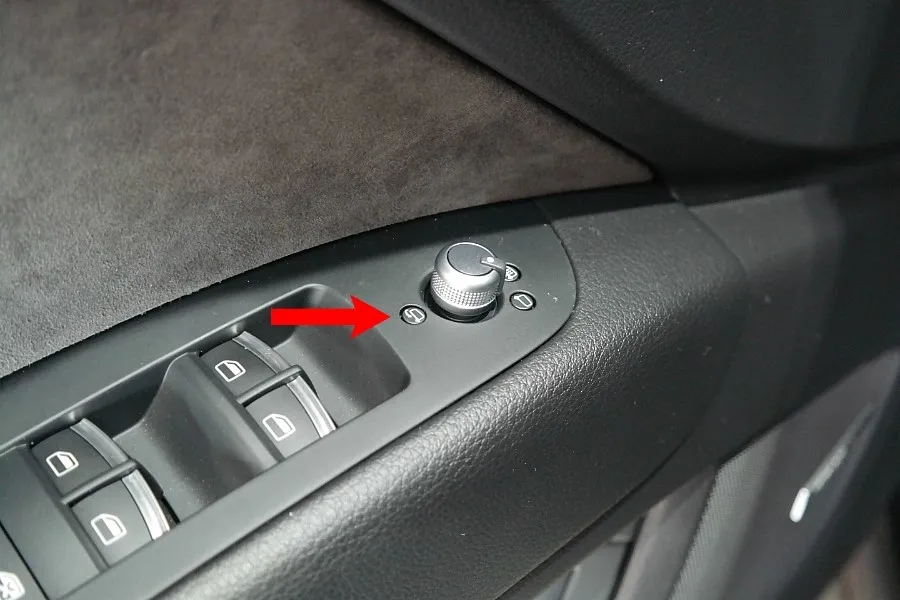
Installation Process: Audi Q7 Auto Folding Module
Vehicle: Audi Q7 (2015) Service: Auto Folding Mirror Module Installation Estimated Time: Approximately 40 minutes
The installation, while seemingly straightforward, demands meticulous attention to detail. The process begins with carefully disassembling the interior door panels to access the wiring harnesses and the BCM. The Q7's door structure can be complex, and improper handling can lead to costly damage. Once the panels are removed, the module is connected to the vehicle's CAN bus network. This connection is crucial for the module to receive and send the necessary signals for mirror operation.
After the physical connections are made, the module is tested rigorously. We ensure the mirrors fold automatically when the car is locked and unfold when the ignition is turned on. This testing is repeated multiple times to guarantee stable and reliable operation. The goal is to achieve seamless integration, making the feature feel like a factory-installed option. Post-installation, the manual mirror control dial becomes redundant as all operations are automated.

Results and Benefits
The most immediate benefit is a significant boost in convenience. Drivers no longer need to manually fold their mirrors, especially when navigating tight parking spots or entering car washes. This reduces the risk of mirror damage and eliminates a common point of frustration. The automatic operation adds a premium feel, enhancing the overall ownership experience and perceived value of the vehicle. For a luxury SUV like the Q7, having such integrated features contributes to a more complete and sophisticated package, which can also positively impact resale value.
Maintenance and Longevity
The auto-folding mirror module requires minimal maintenance. Once correctly installed and functioning, it operates reliably without needing regular upkeep. However, as the mirrors are moving parts, it's advisable to avoid excessive force or prolonged exposure to extreme moisture. Generally, these modules are designed to last for many years, often exceeding 5 years of consistent use, provided they are installed by a qualified professional.
Frequently Asked Questions
Q. How much does Remote Start & Coding cost for an Audi Q7?
The module installation for auto-folding mirrors on this Audi Q7 cost approximately ₩300,000 (Korean Won). In the US, similar module installations can range from $200 to $500 depending on the vehicle and module complexity.
Q. How long does Remote Start & Coding last on an Audi Q7?
The auto-folding mirror module is designed for long-term reliability, typically lasting over 5 years with normal use. To ensure longevity, avoid applying excessive force to the mirrors and protect them from extreme moisture.
Q. Is Remote Start & Coding worth it for an Audi Q7?
Yes, adding auto-folding mirrors is highly recommended for Audi Q7 owners seeking enhanced convenience and a more premium feel. It significantly improves usability in tight spaces and adds to the vehicle's overall perceived value.
Q. How is Remote Start & Coding done on an Audi Q7?
The auto-folding mirror feature is added by installing a specialized module. 1. Interior door panels are carefully removed to access wiring. 2. The module is precisely connected to the vehicle's CAN bus system. 3. Rigorous testing confirms automatic folding and unfolding with locking/unlocking.
Q. What is the best Remote Start & Coding option for an Audi Q7?
For the Audi Q7, a dedicated auto-folding mirror module is the most effective solution, as standard coding is insufficient. This method provides reliable, integrated functionality, unlike software-only solutions that may not be compatible.
Fox Parts