Audi Q8 Body Kit Review: RSQ8 Style Conversion
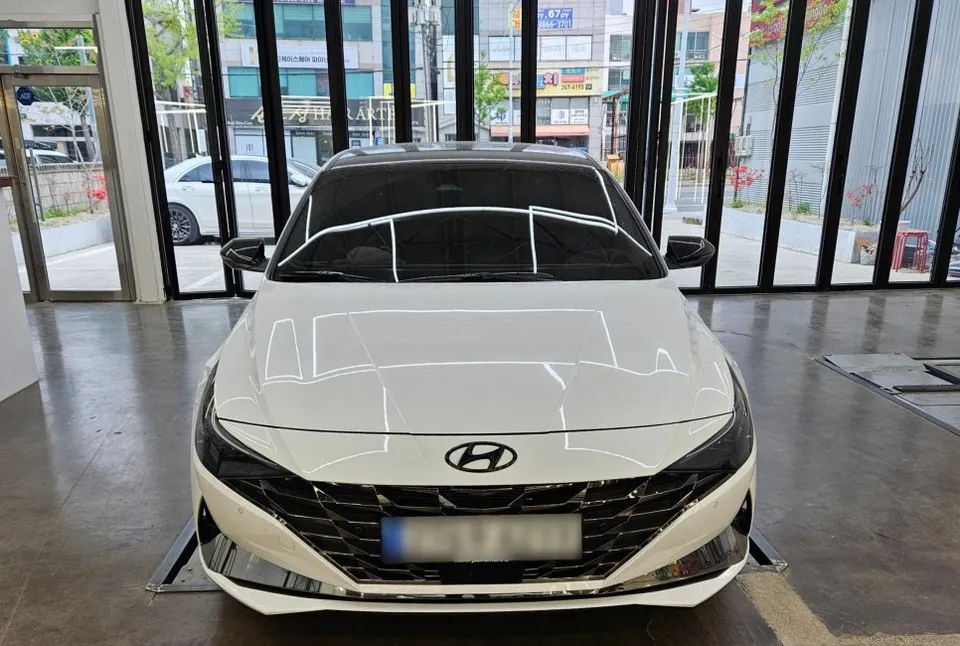
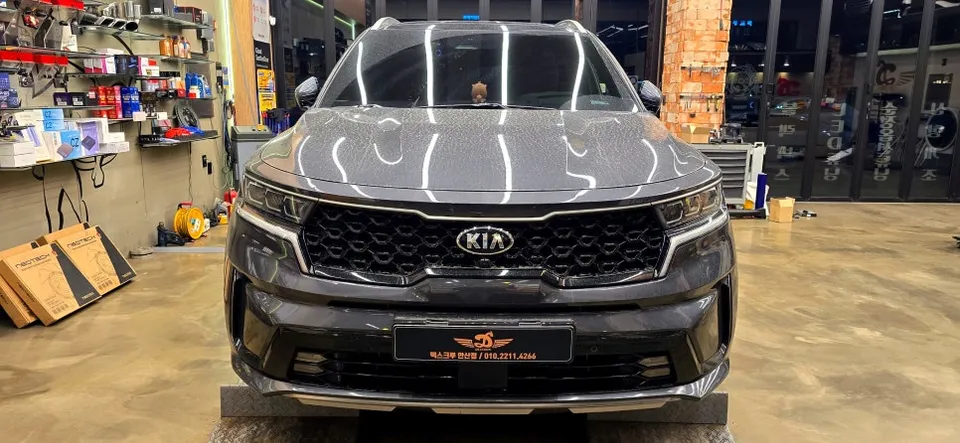
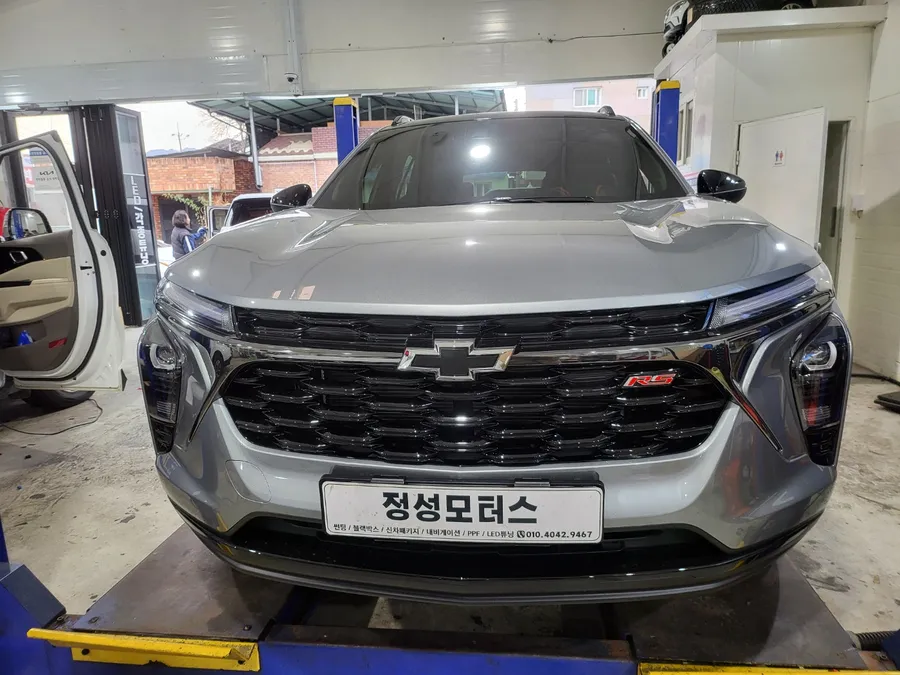
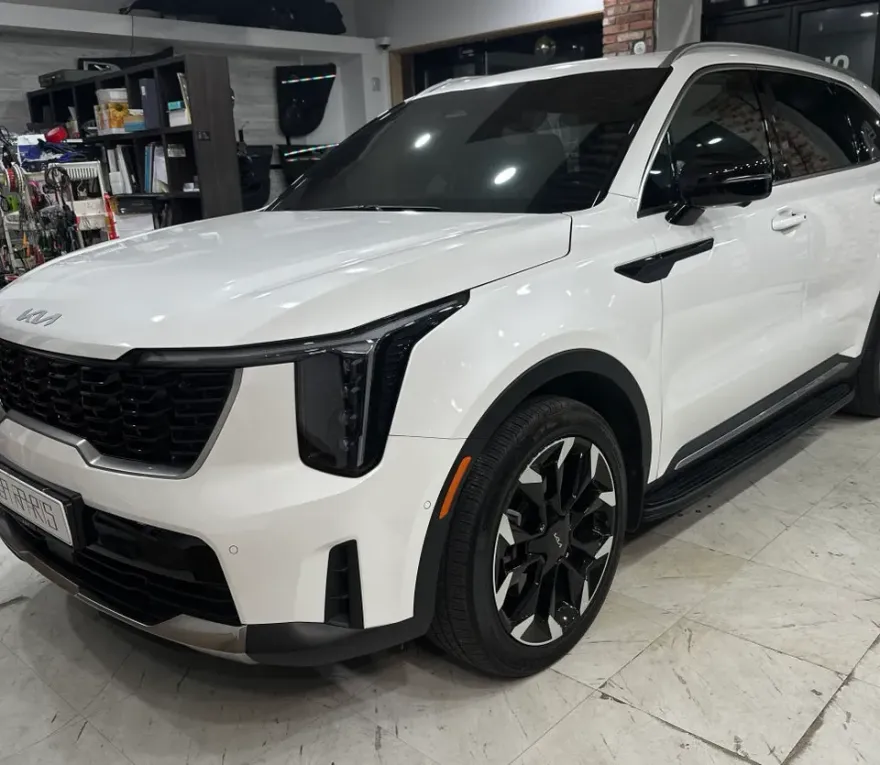
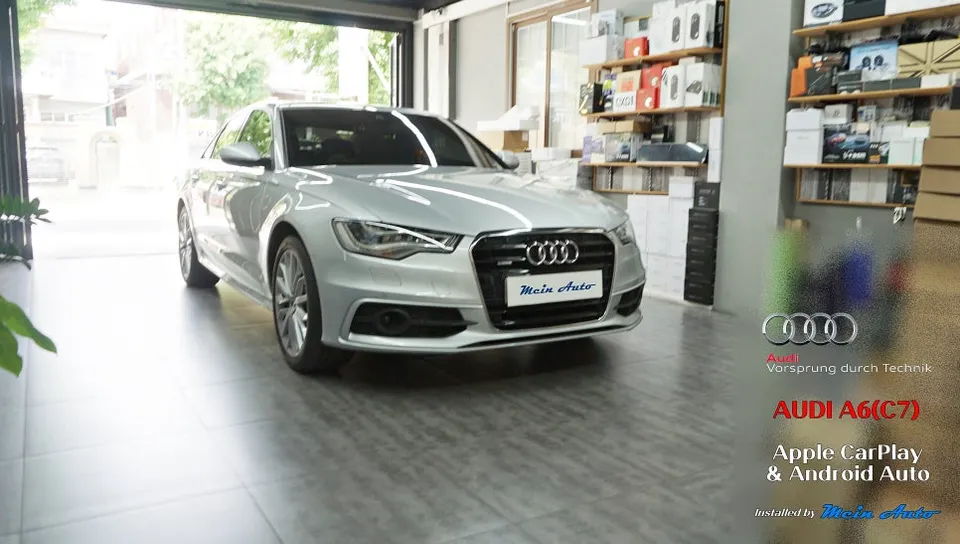
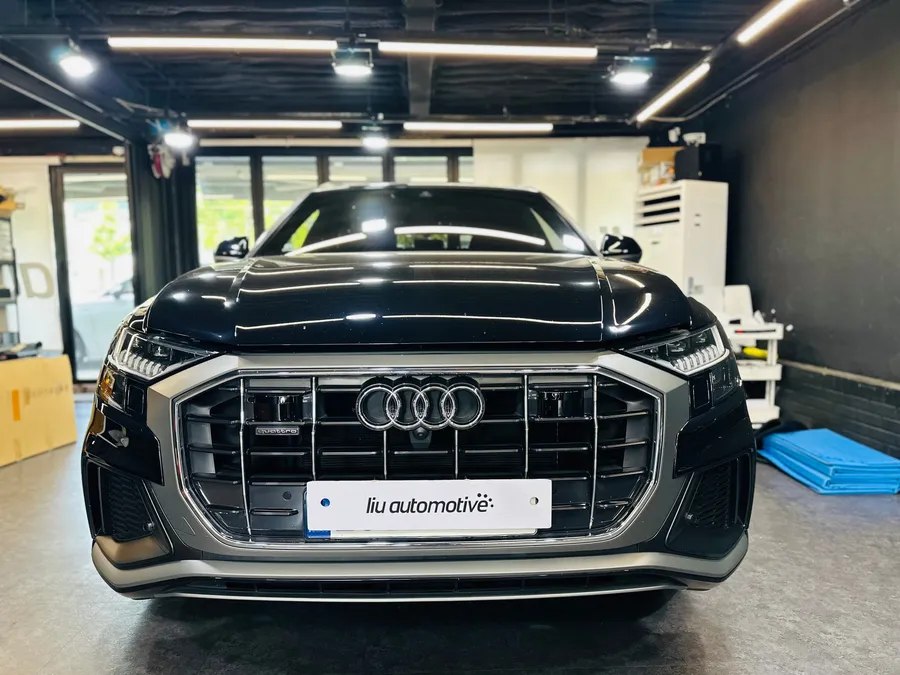
Before
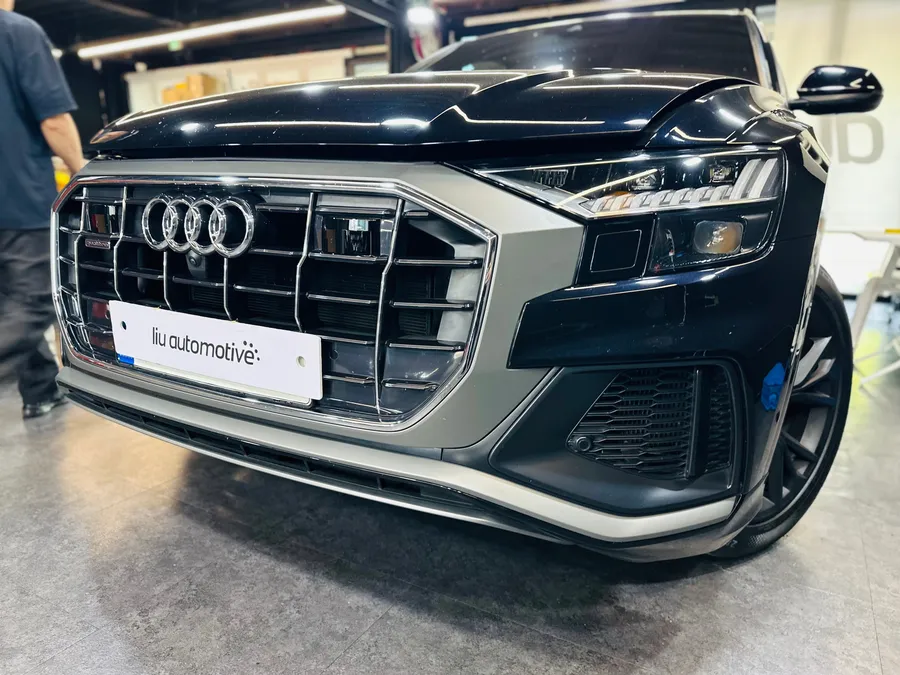
After
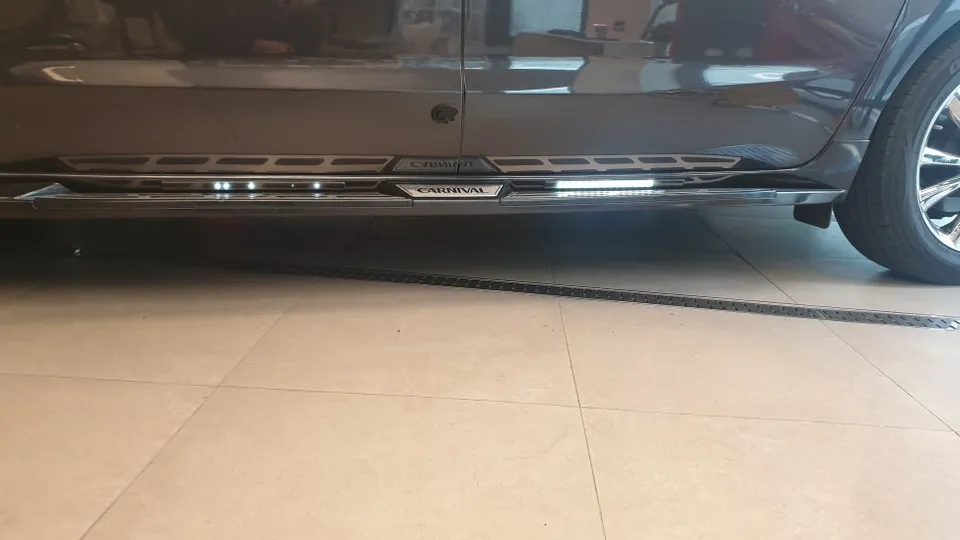
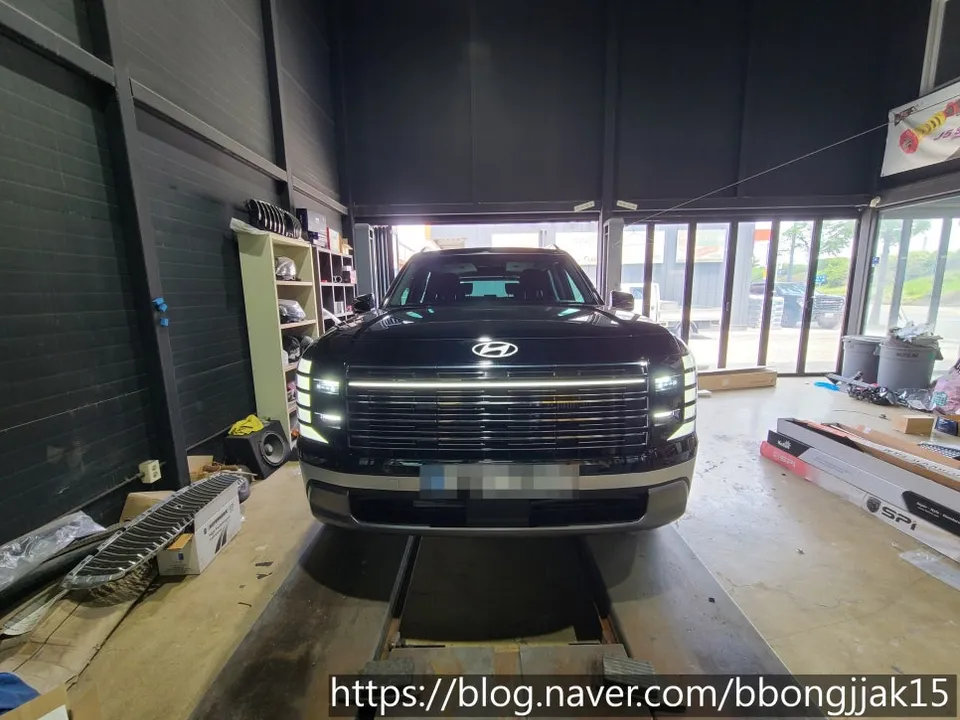
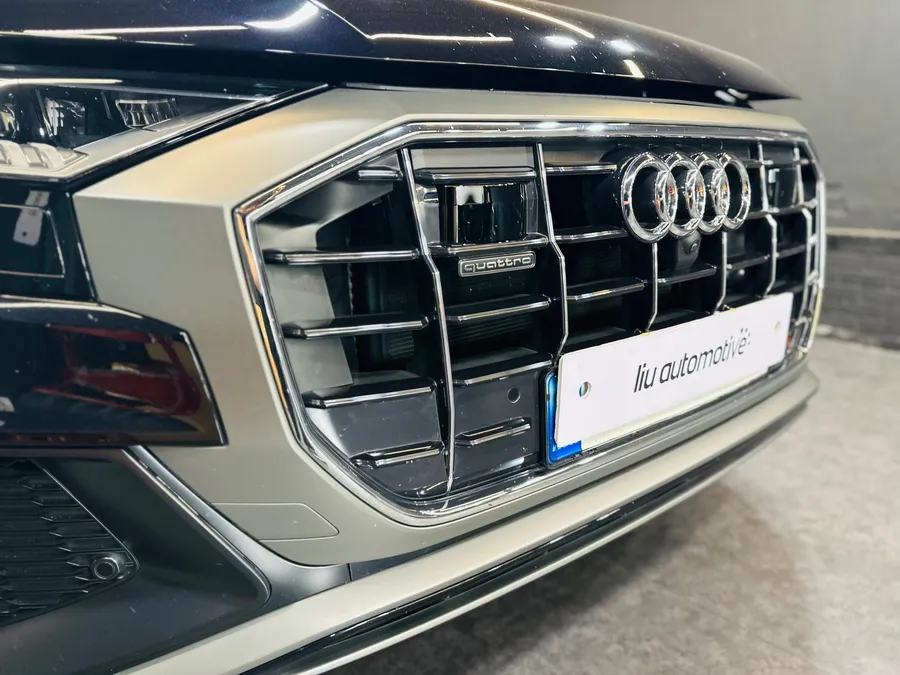
Process photos
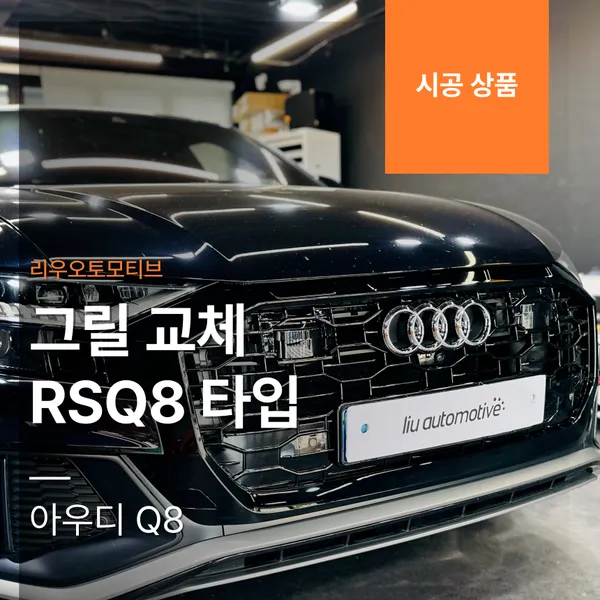
Audi Q8 RSQ8-style body kit installation: costs vary. Transforms appearance with aggressive styling.
Transforming Your Audi Q8 with an RSQ8-Style Body Kit
The Audi Q8, already a statement of luxury and performance, can be further enhanced with a body kit. This review focuses on the popular RSQ8-style conversion, which aims to give the Q8 a more aggressive and sporty aesthetic, mirroring the high-performance RSQ8 model. We'll delve into the installation process, the tangible before and after results, the cost considerations, and whether this modification is a worthwhile investment for Q8 owners.
Body Kit Installation and Materials
Installing a body kit on an Audi Q8 involves replacing or augmenting existing body panels. The RSQ8-style kit typically includes a new front bumper, grille, side skirts, and rear diffuser. The primary materials used for these kits are often Fiberglass Reinforced Plastic (FRP) or Polyurethane. FRP is generally more affordable and rigid, making it suitable for achieving sharp lines, but it can be more prone to cracking if impacted. Polyurethane, on the other hand, offers better flexibility and impact resistance, making it more durable for daily driving, though it might be slightly more expensive. The installation process requires careful fitting and alignment to ensure a seamless look. Professional installation is highly recommended to achieve factory-like fitment and finish. This process can take anywhere from a few hours to a full day, depending on the complexity of the kit and the installer's experience. The original Korean context mentions a specific front grille replacement for the Q8 to achieve an RSQ8 look, highlighting the focus on the vehicle's front fascia for a significant aesthetic upgrade.
Before & After Results, Durability, and Maintenance
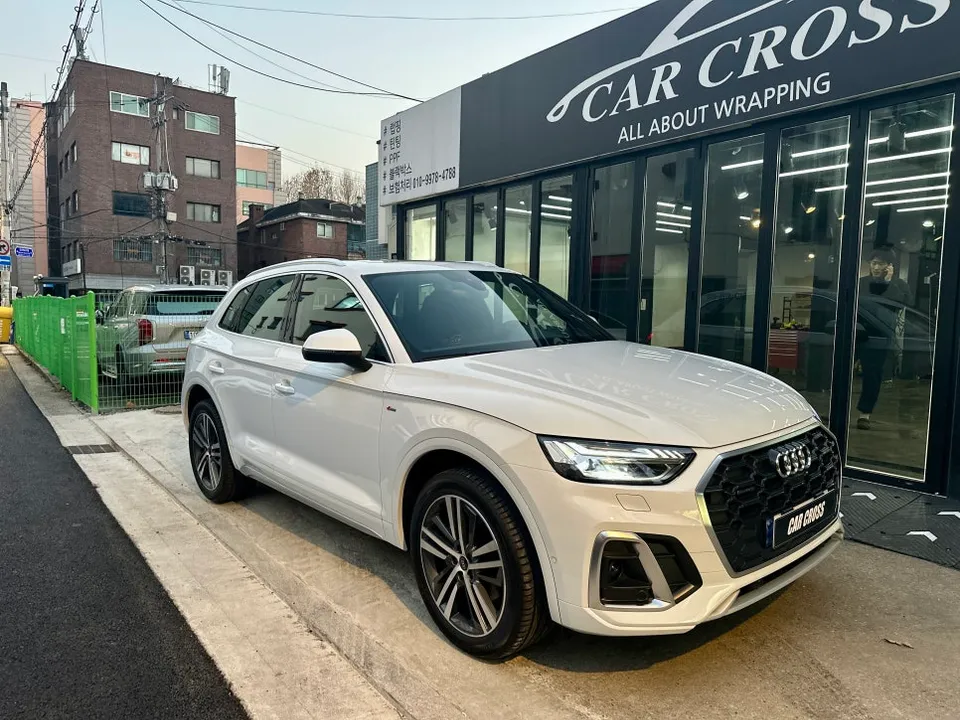
The visual transformation after installing an RSQ8-style body kit is dramatic. The Q8 gains a wider, lower stance, with the redesigned front bumper, grille, and side skirts contributing to a more muscular and dynamic profile. The rear diffuser often complements the aggressive look. Before the installation, the Q8 presents its standard, albeit luxurious, appearance. After, it adopts a more performance-oriented, head-turning presence. Durability is a key consideration. While polyurethane kits offer better resilience against minor bumps and scrapes, FRP kits require more careful handling. Regular maintenance involves cleaning the body kit components with mild automotive soap and water, just like the rest of the car. Avoiding harsh chemicals and abrasive materials will help preserve the finish. For owners in regions with challenging road conditions, the durability of the chosen material becomes even more critical. The original context implies that such aesthetic modifications are popular, suggesting a demand for these visual upgrades within the enthusiast community.
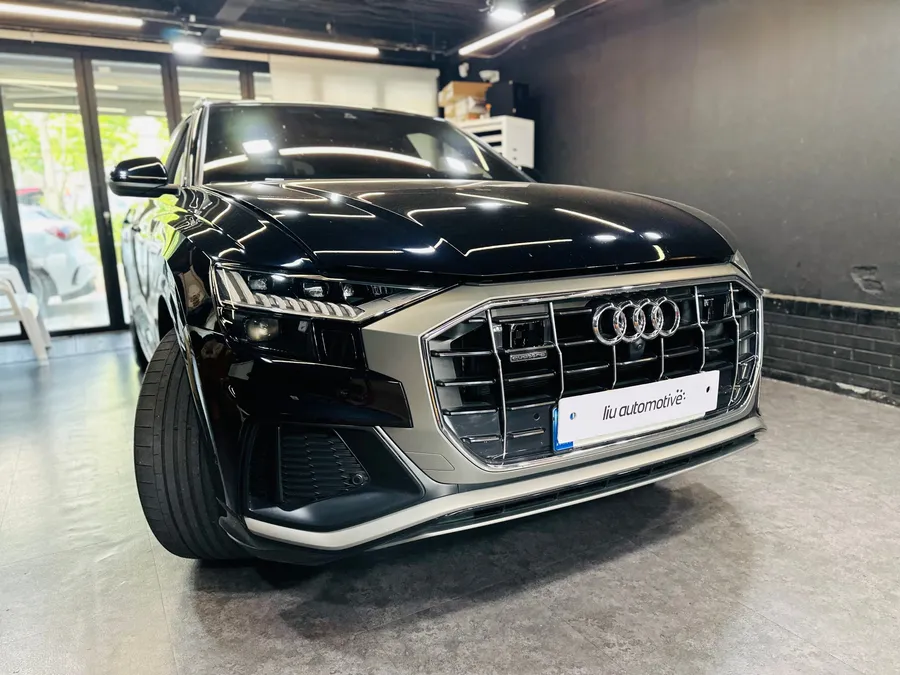
Is an Audi Q8 Body Kit Worth It?
Deciding whether a body kit is worth the investment depends on your priorities. If you seek to significantly enhance the visual appeal of your Audi Q8, giving it a more aggressive and exclusive look inspired by the RSQ8, then a well-chosen and professionally installed body kit can be a rewarding modification. The cost of the kit and installation needs to be weighed against the desired aesthetic outcome. For those who prioritize a unique, sporty appearance and are willing to invest in the process, the results can justify the expense. However, if your primary concern is maintaining the original factory look or if you frequently encounter rough roads, the added cost and potential durability concerns might make it less appealing. The decision ultimately hinges on personal preference and how you intend to use and showcase your Q8.
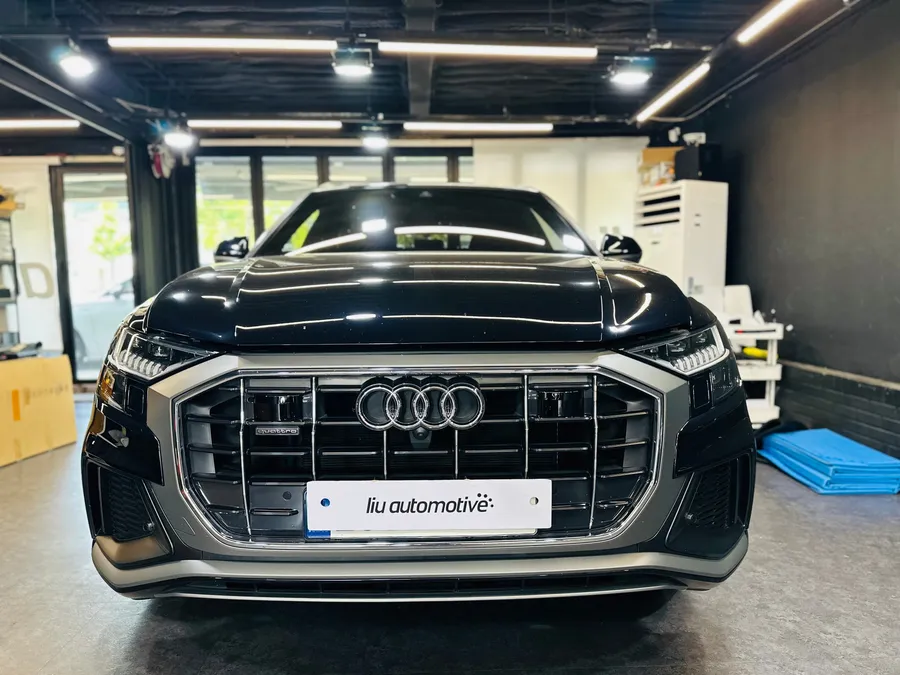
Installation Process:
- Surface Preparation: The existing bumpers and trim pieces are removed. The new body kit components are test-fitted to ensure proper alignment.
- Component Attachment: The new front bumper, grille, side skirts, and rear diffuser are securely attached using a combination of factory mounting points, specialized clips, and automotive-grade adhesives or bolts.
- Finishing: Any gaps are addressed, and the kit may be painted to match the vehicle's color or a contrasting scheme. Professional painters ensure a factory-quality finish.
- Curing and Final Inspection: Adhesives and paint are allowed to cure fully. A final inspection ensures all components are secure and the aesthetic is as intended.
Frequently Asked Questions
Q. How much does a body kit cost for a Audi Q8?
The body kit itself can range from approximately ₩2,000,000 to over ₩5,000,000 (around $1,500 - $3,800 USD) depending on the material and brand, with professional installation adding an additional cost.
Q. How long does body kit installation take on a Audi Q8?
Body kit installation typically takes between 4 to 8 hours, though complex kits or custom paintwork can extend this time. Proper curing of adhesives and paint is crucial for long-term durability.
Q. Is a body kit worth it for a Audi Q8?
A body kit is worth it for Audi Q8 owners seeking a more aggressive, sporty aesthetic and a unique look. It offers a significant visual upgrade for those who prioritize styling and personalization.
Q. How is a body kit installed on a Audi Q8?
Installation involves removing factory parts, test-fitting the new components (bumper, grille, skirts), securing them with clips, bolts, and adhesives, and then painting to match. The process requires precise alignment for a seamless finish.
Q. What is the difference between FRP and polyurethane body kits for a Audi Q8?
FRP (Fiberglass Reinforced Plastic) kits are generally more rigid and affordable but can be brittle, while polyurethane kits are more flexible, durable, and impact-resistant, making them better suited for daily driving.
OhCar Partner Shop