BMW MINI Cooper Body Kit Installation Review
Service Price
$under $40
Estimated price · Actual price may vary by shop
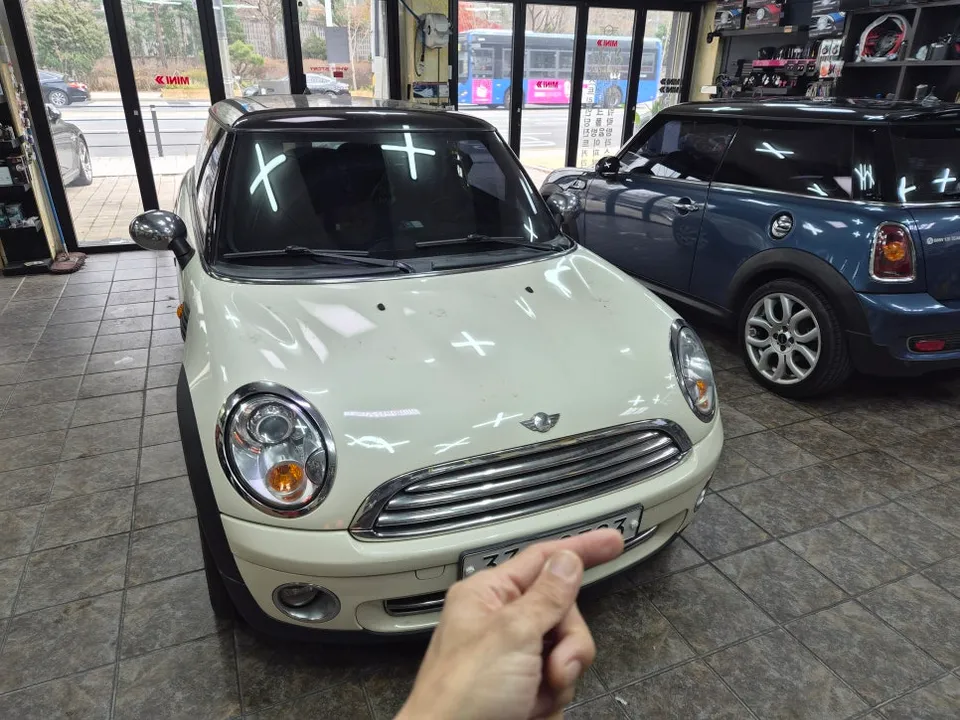
BMW MINI Cooper body kit installation: Costs vary widely. Enhances aesthetics significantly. Professional installation recommended.
Transform Your BMW MINI Cooper with a Body Kit
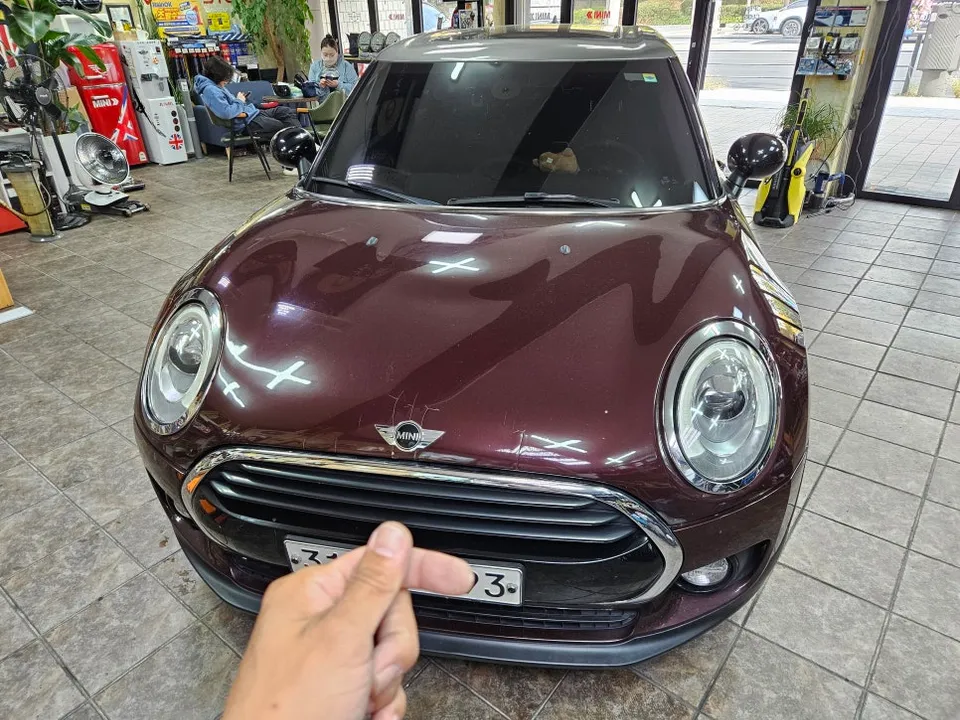
Adding a body kit, often referred to as an aero kit, to your BMW MINI Cooper can dramatically alter its appearance, giving it a more aggressive, sporty, or unique look. While the original Korean context for this review focused on brake light warnings and Bluetooth installation for a BMW MINI Cooper R56, we can adapt the principles of automotive customization and cost assessment to a body kit installation. This review will cover what to expect regarding the body kit cost, the installation process, potential before-and-after results, durability, and whether investing in a body kit is a worthwhile upgrade for your MINI Cooper.
Understanding Body Kit Costs and Materials
The cost of a body kit for a BMW MINI Cooper can vary significantly based on the brand, the number of pieces included (front lip, side skirts, rear bumper, spoiler), and the material. Common materials include polyurethane, fiberglass-reinforced plastic (FRP), and carbon fiber. Polyurethane kits are generally more flexible and durable, making them a popular choice for daily drivers, while FRP kits are often more affordable but can be more brittle and prone to cracking. Carbon fiber offers a premium, lightweight option but comes with a higher price tag. For a comprehensive body kit, including front and rear bumpers and side skirts, you might expect to pay anywhere from $500 to $2,500 or more for the parts alone, before installation. The Korean context mentioned a brake light repair cost of 200,000-400,000 KRW (approximately $150-$300 USD) and a Bluetooth receiver installation around 100,000-200,000 KRW ($75-$150 USD), illustrating that automotive service costs can differ greatly depending on the complexity and parts involved.
The Body Kit Installation Process and Results
Body kit installation on a BMW MINI Cooper involves several key steps. It's a process best left to experienced professionals to ensure a perfect fit and finish, maintaining the vehicle's structural integrity and aesthetic appeal. The installation process typically includes:
- Preparation: Thoroughly cleaning and degreasing the areas where the new body kit components will be attached. This may also involve removing existing bumpers or trim pieces.
- Test Fitting: Carefully aligning and test-fitting each component to ensure it sits flush and matches the vehicle's body lines. Minor adjustments or trimming might be necessary.
- Attachment: Securing the body kit parts using a combination of automotive-grade adhesives, clips, and sometimes drilling and bolting, depending on the kit's design and manufacturer recommendations.
- Finishing: Filling any gaps, sanding smooth, and preparing the surfaces for paint. The new parts are then painted to match the existing body color or a custom scheme.
The before-and-after results can be striking. A well-installed body kit can give your MINI Cooper a lower, wider stance, sharper lines, and a more custom, high-performance look. Durability depends heavily on the material and installation quality. Polyurethane kits tend to withstand minor impacts better than FRP. Proper maintenance, such as regular washing and waxing, and avoiding harsh impacts or aggressive driving over speed bumps, will help preserve the look and integrity of the body kit for years.
Is a Body Kit Worth It for Your MINI Cooper?
Deciding if a body kit is worth the investment depends on your priorities. If you're looking to significantly enhance your MINI Cooper's visual appeal and give it a unique personality, a body kit can be an excellent choice. It's a way to express your style and make your car stand out. However, consider the total body kit cost, including parts and professional installation, which can easily run into the thousands of dollars. For budget-conscious owners, focusing on other modifications or simply maintaining the stock look might be more practical. The Korean context highlighted how addressing specific issues like brake light warnings and adding convenience features like Bluetooth can significantly improve the driving experience, often at a lower cost than a full body kit. Ultimately, the value of a body kit is subjective and depends on how much you prioritize aesthetics and customization.
Frequently Asked Questions
Q. How much does a body kit cost for a BMW MINI Cooper?
The cost for a BMW MINI Cooper body kit can range from $500 to over $2,500 for parts alone, with installation adding to the total expense. Typical US pricing for comprehensive kits often falls within this range, depending on material and brand.
Q. How long does body kit installation take on a BMW MINI Cooper?
Body kit installation typically takes between 1 to 3 days, depending on the complexity of the kit and whether painting is required. Proper durability is maintained through quality materials and professional fitting, with regular washing and avoiding impacts being key maintenance tips.
Q. Is a body kit worth it for a BMW MINI Cooper?
A body kit is worth it for BMW MINI Cooper owners prioritizing a unique, aggressive aesthetic and enhanced visual appeal. It offers a significant style upgrade, making your car stand out from the crowd.
Q. How is a body kit installed on a BMW MINI Cooper?
Installation involves preparing the vehicle surface, test-fitting each component for alignment, and then securely attaching the kit using adhesives, clips, or bolts. Finally, the parts are painted to match the car's existing color for a seamless look.
Q. What is the difference between FRP and polyurethane body kits for a BMW MINI Cooper?
Polyurethane kits are generally more flexible and impact-resistant, making them ideal for daily driving durability. FRP kits are often more affordable but can be more brittle and prone to cracking upon impact.
OhCar Partner Shop