Audi RS Seat Climate Upgrade Review — Cost & Results
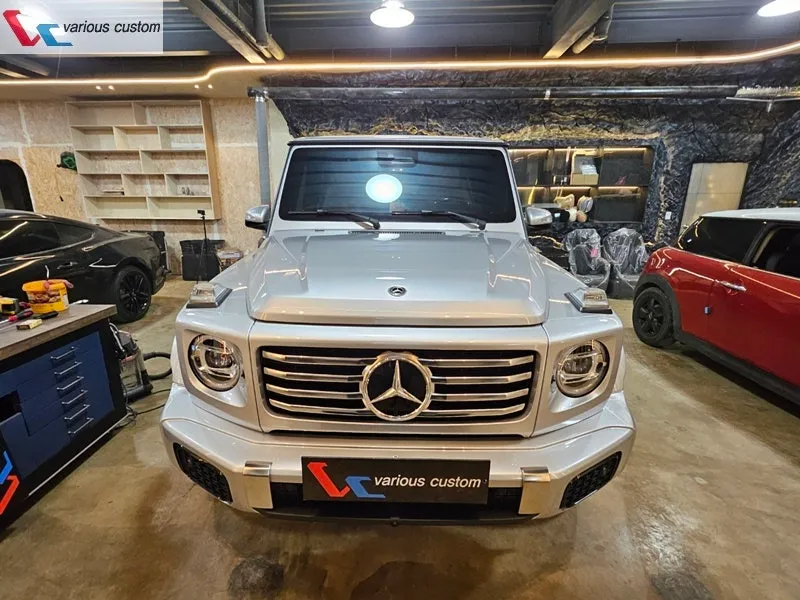
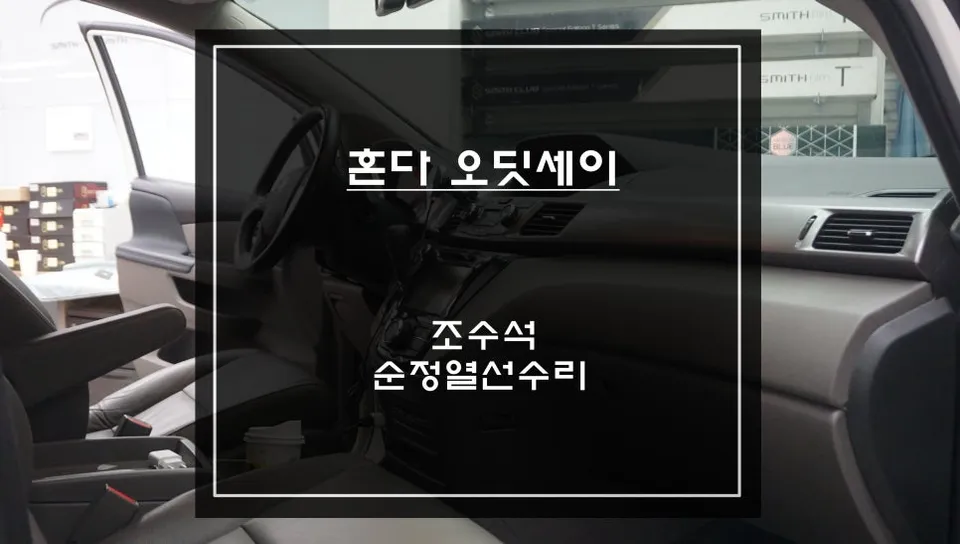
Before

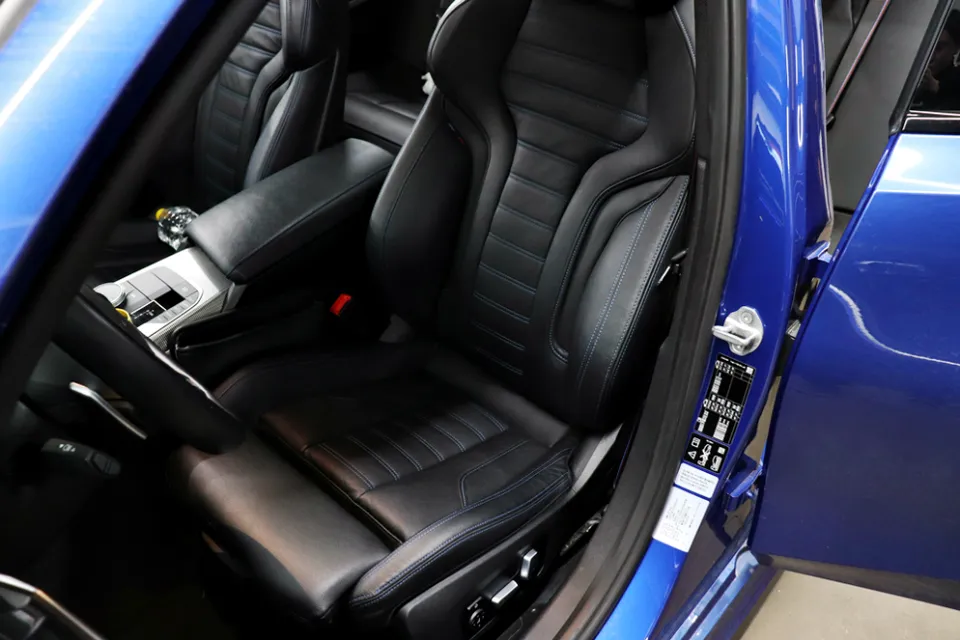
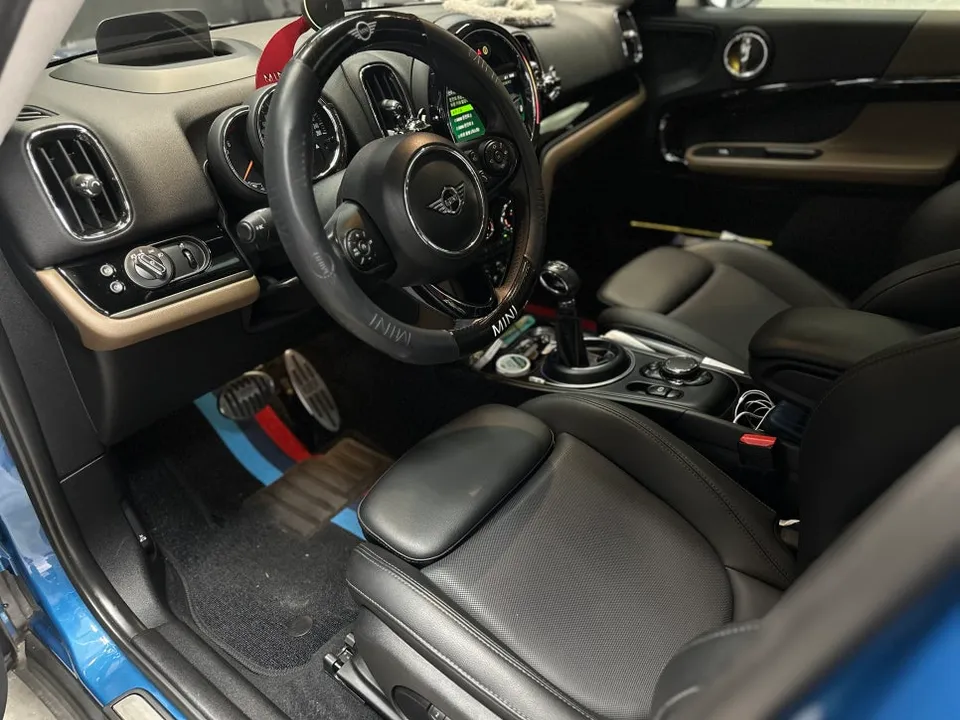
After
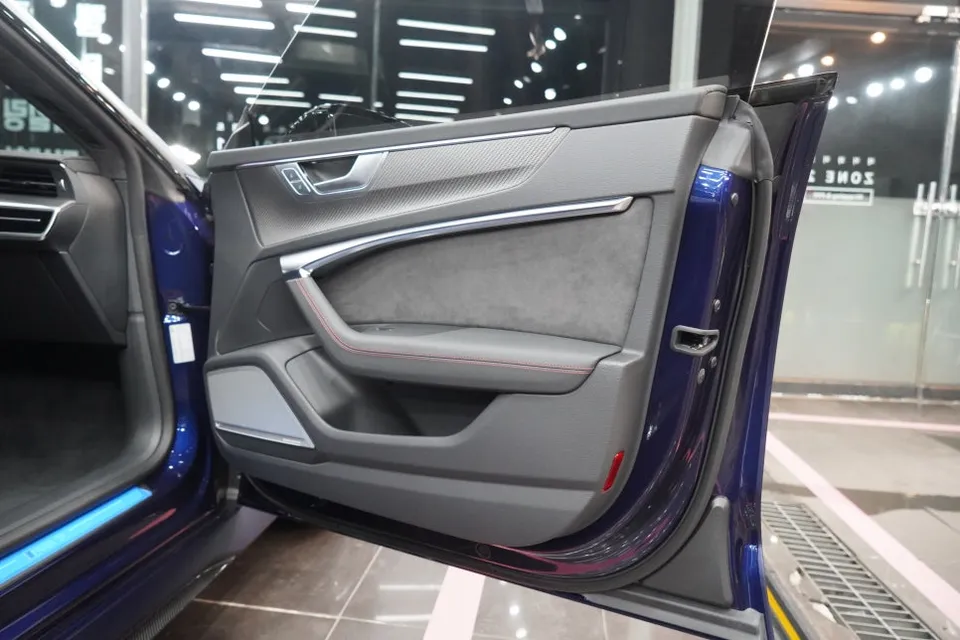
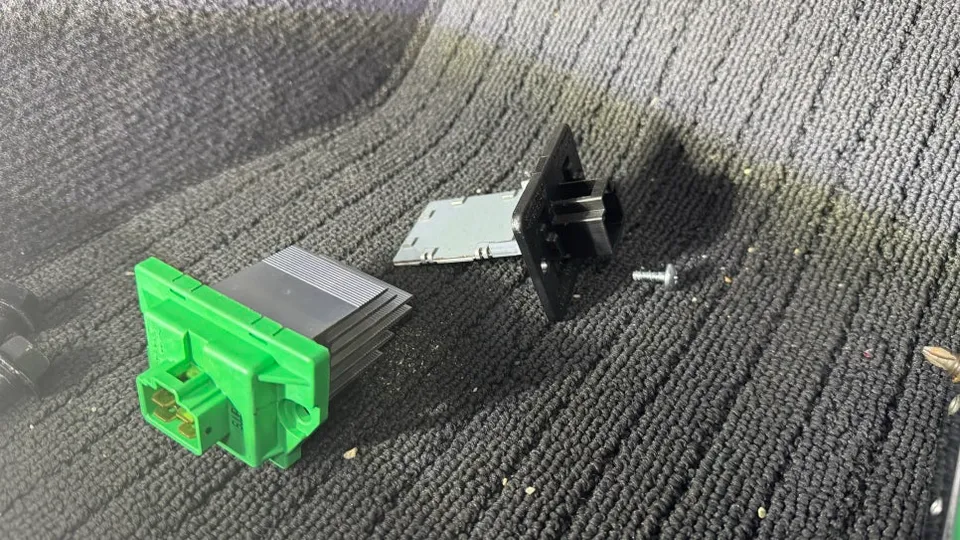
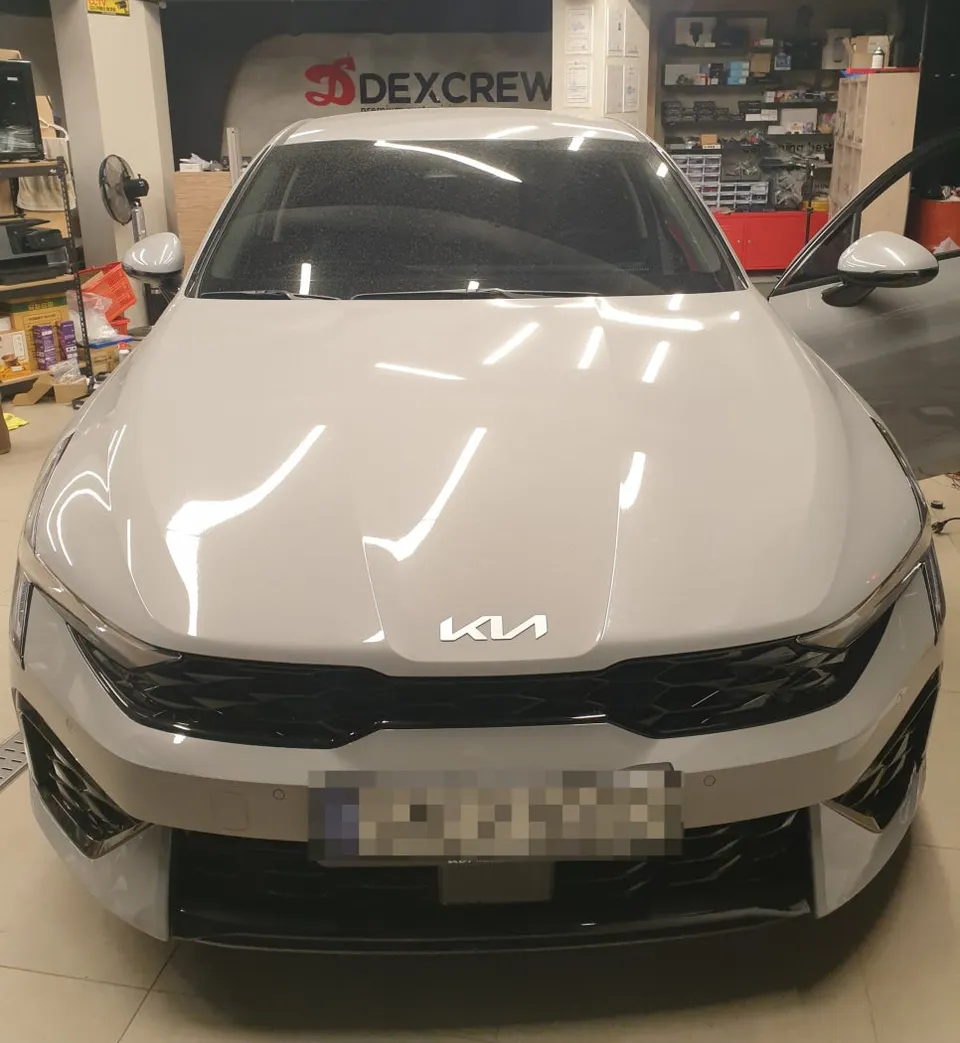
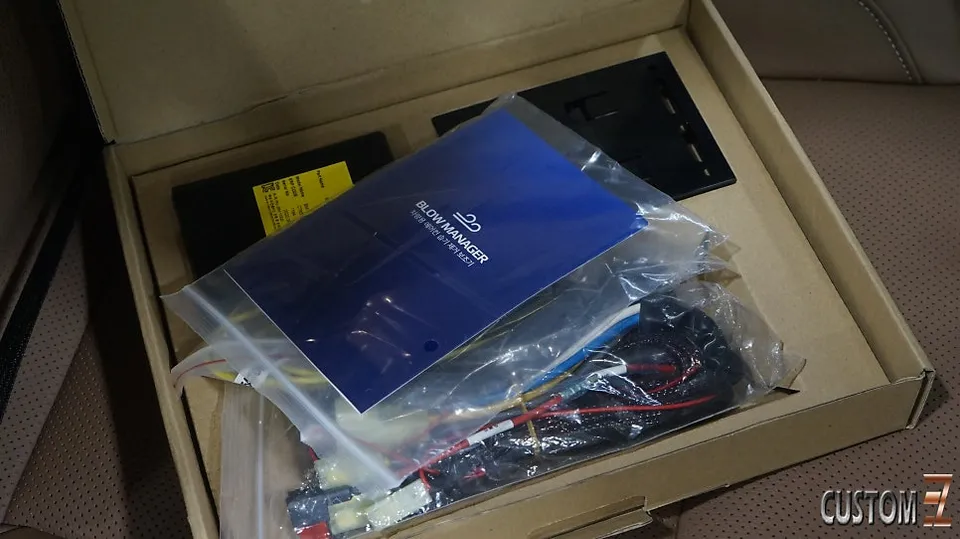
Process photos
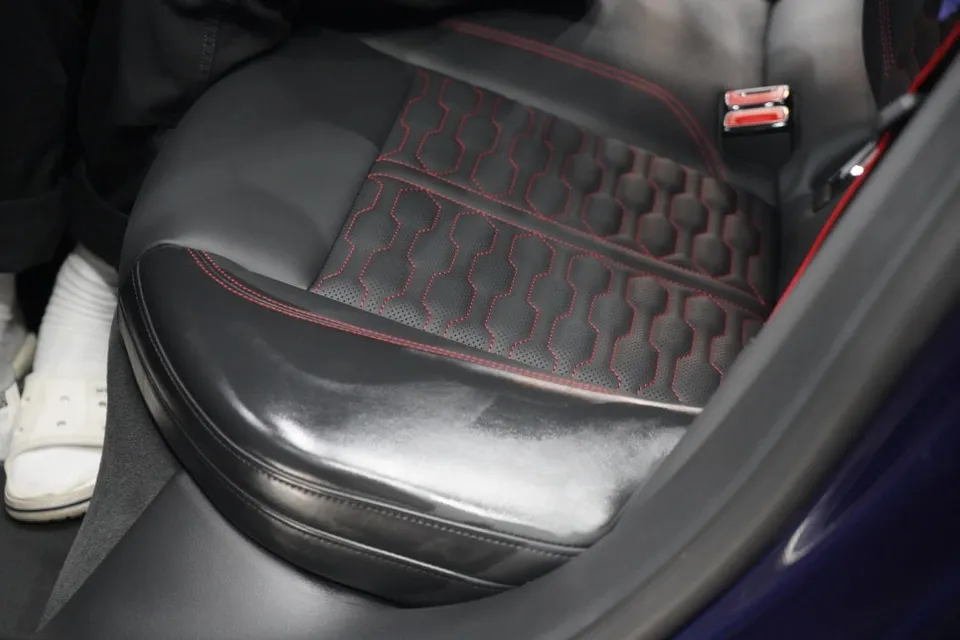
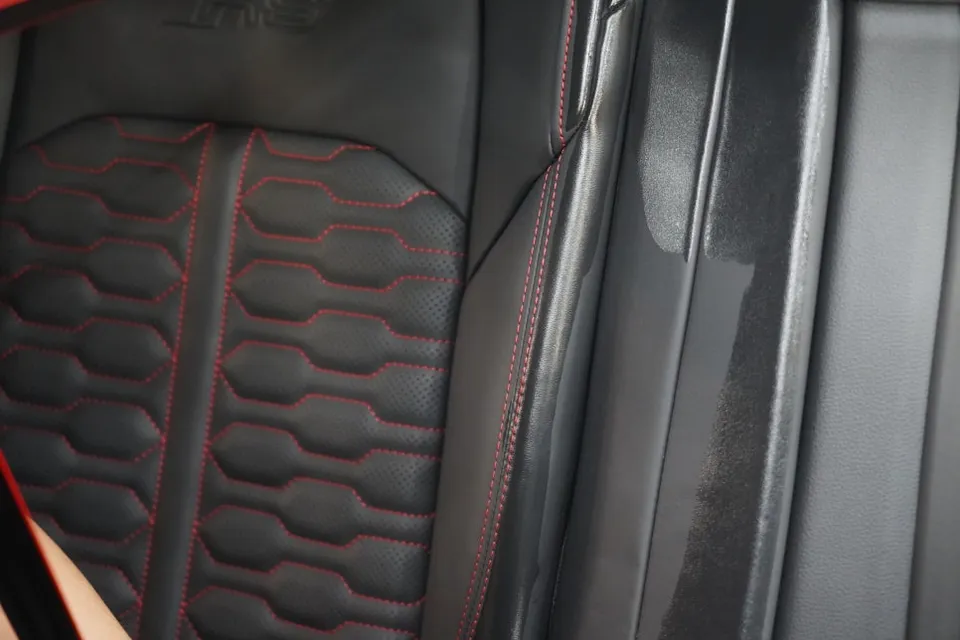
Audi RS Seat Ventilation & Heating retrofit: Approx. $750 USD. Enjoy enhanced comfort year-round with cooling and heating functions.
Audi RS Seat Ventilation & Heating: A Comfort Upgrade
For drivers of the high-performance Audi RS, comfort is just as crucial as power. While many luxury vehicles offer integrated seat climate control, retrofitting this feature can significantly enhance the driving experience, especially in varying climates. This review delves into the Seat Ventilation & Heating upgrade for an Audi RS, covering the installation process, real-world results, durability, and overall value.
Installation Process and Materials
The process of retrofitting seat ventilation and heating involves carefully disassembling the existing seats to integrate new components. This typically includes installing heating elements and ventilation fans beneath the seat upholstery. The system is then wired into the car's electrical system, often with custom-designed control switches that can be seamlessly integrated into the dashboard or center console for a factory-like appearance. The materials used are crucial for both performance and longevity. High-quality heating pads and quiet, efficient fans are essential. The upholstery itself is usually retained, though some installers might offer options for perforated leather to improve airflow. The installation for this Audi RS was completed in South Korea, a common hub for automotive customization services.
Before & After: Enhanced Comfort and Durability
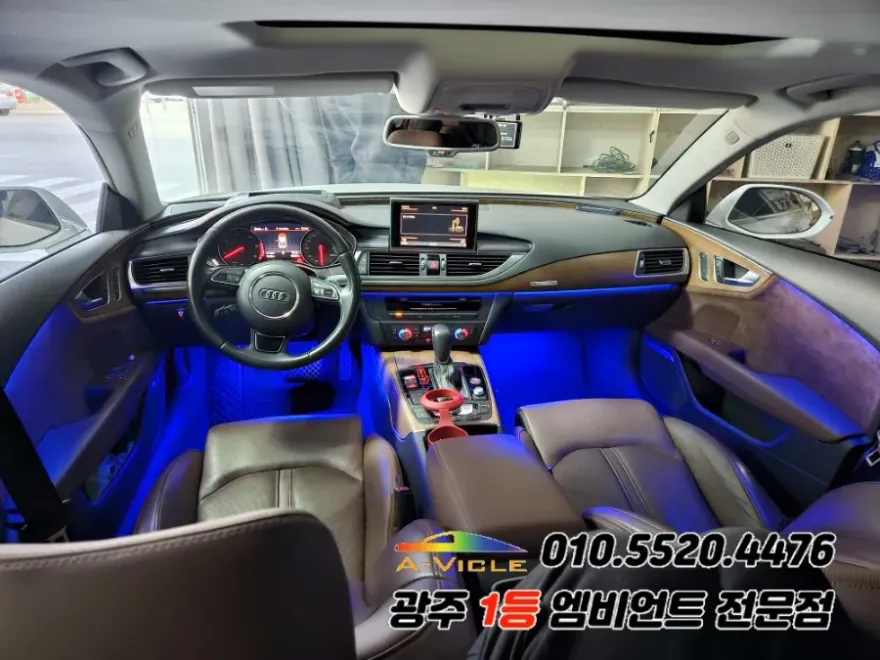
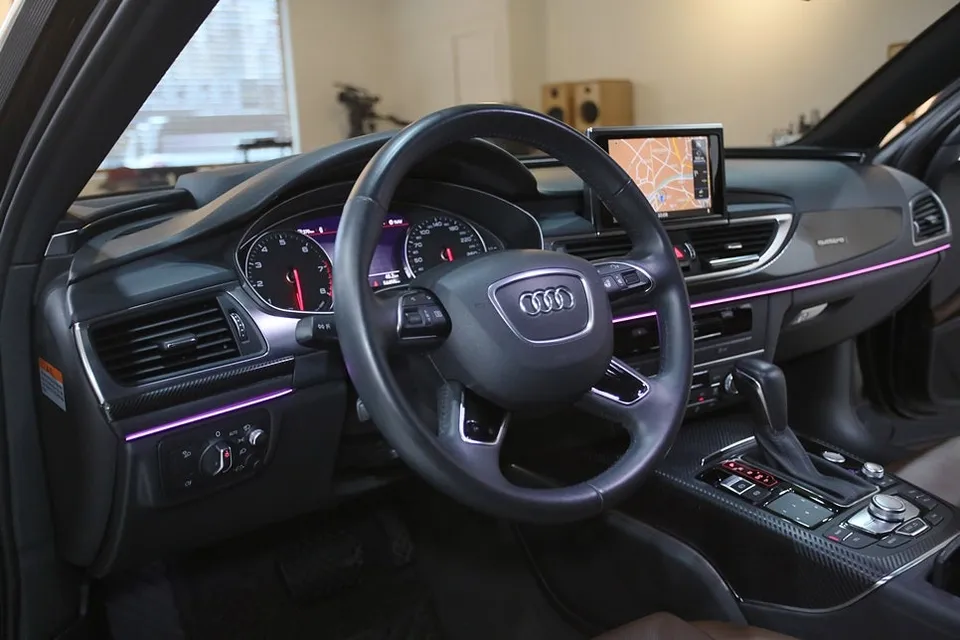
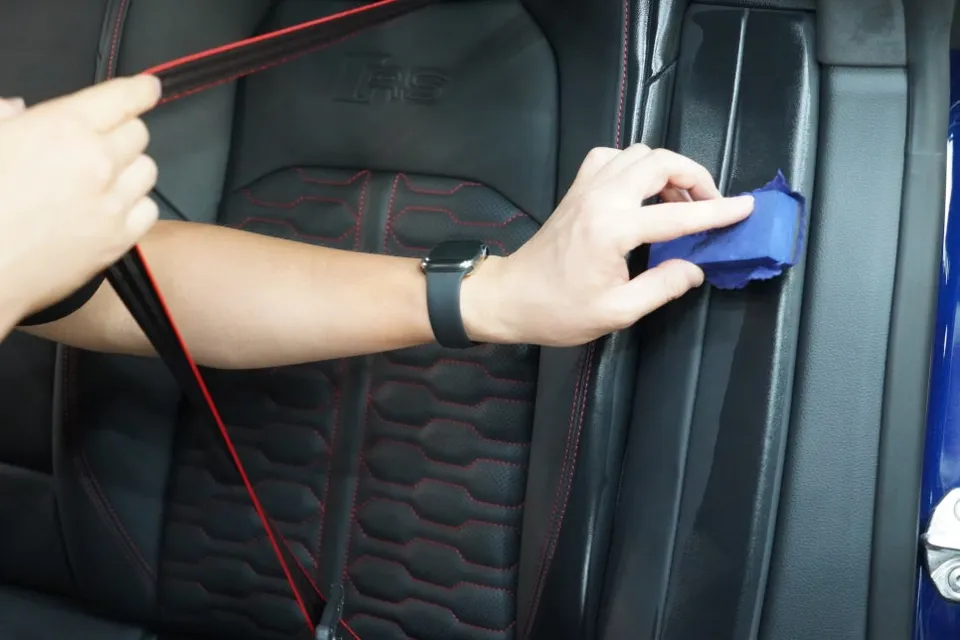
The most significant change after installing Seat Ventilation & Heating is the dramatic improvement in comfort. On hot days, the ventilated seats provide a cooling sensation, preventing the discomfort of sitting on a hot surface. In colder weather, the heating elements quickly warm the seats, offering a cozy environment. The 'before' state is the standard Audi RS seat, while the 'after' is a significantly more comfortable and climate-controlled seating experience. Durability is a key consideration. Reputable installations use robust components designed to withstand daily use. Maintenance is generally minimal, often involving occasional cleaning of the seat surfaces. For the heating elements, care should be taken not to puncture them during cleaning or with sharp objects. The fans are typically sealed units requiring no user maintenance. The overall durability is expected to be high, comparable to factory-installed systems, provided quality parts and professional installation are used.
Is the Seat Climate Upgrade Worth It for Your Audi RS?
Deciding whether to invest in a Seat Ventilation & Heating upgrade for your Audi RS depends on your priorities and climate. If you frequently experience extreme temperatures or simply desire a more luxurious and comfortable driving environment year-round, the retrofit can be a worthwhile investment. The cost can vary, but for this Audi RS, the total cost was approximately 1,000,000 KRW (roughly $750 USD at the time of review), which is considerably less than the premium often charged for factory-integrated systems. The benefits of enhanced comfort, particularly the cooling function, can significantly improve the daily driving experience, making it a valuable addition for many owners. The key is to choose a trusted installer who uses high-quality components to ensure longevity and performance.

Frequently Asked Questions
Q. How much does ventilated seat installation cost for an Audi RS?
The Seat Ventilation & Heating upgrade for this Audi RS cost approximately 1,000,000 KRW (around $750 USD). Typical installation costs in the US can range from $600 to $1,500 depending on the vehicle and installer.
Q. How long does seat ventilation installation take on an Audi RS?
The durability of these retrofitted systems is generally high, often lasting many years with proper care. To maintain them, simply clean the seat surfaces regularly and avoid puncturing the heating elements with sharp objects.
Q. Are aftermarket ventilated seats worth it for an Audi RS?
This seat climate upgrade is most beneficial for Audi RS owners who frequently drive in very hot or cold climates, or who prioritize year-round driving comfort. The value proposition lies in achieving a luxury feature at a fraction of the factory option cost.
Q. How are ventilated seats installed in an Audi RS?
Installation involves: 1. Carefully disassembling the existing seat upholstery. 2. Integrating thin heating elements and ventilation fans beneath the fabric. 3. Wiring the system into the car's power supply and installing custom controls.
Q. What is the difference between OEM and aftermarket ventilated seats for an Audi RS?
OEM systems are factory-integrated with seamless controls and guaranteed compatibility, while aftermarket retrofits offer a more budget-friendly way to add the feature. For most owners seeking enhanced comfort, a professional aftermarket installation provides excellent value.
OhCar Partner Shop