BMW 1 Series F20 OEM Options Installation Review
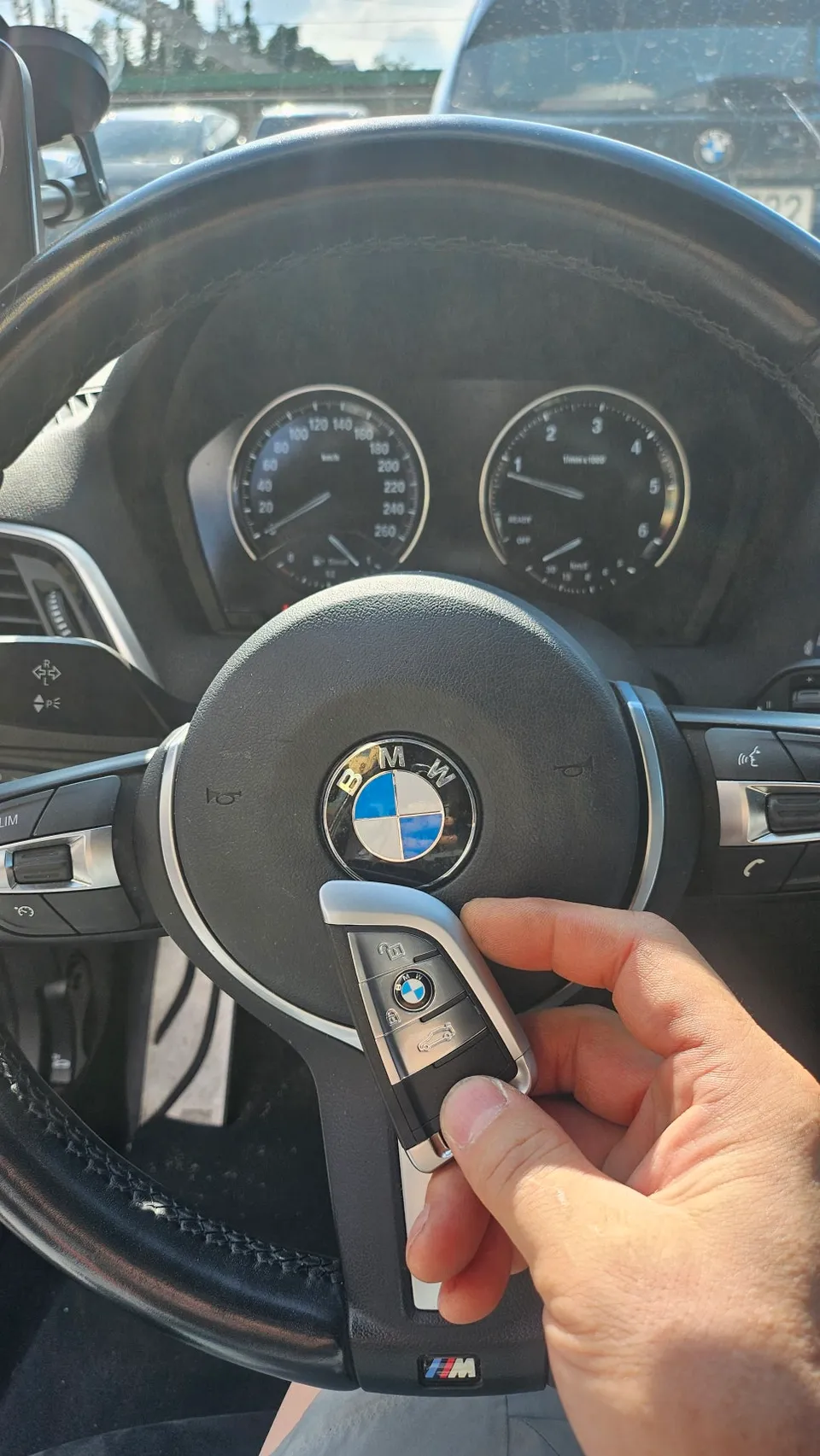
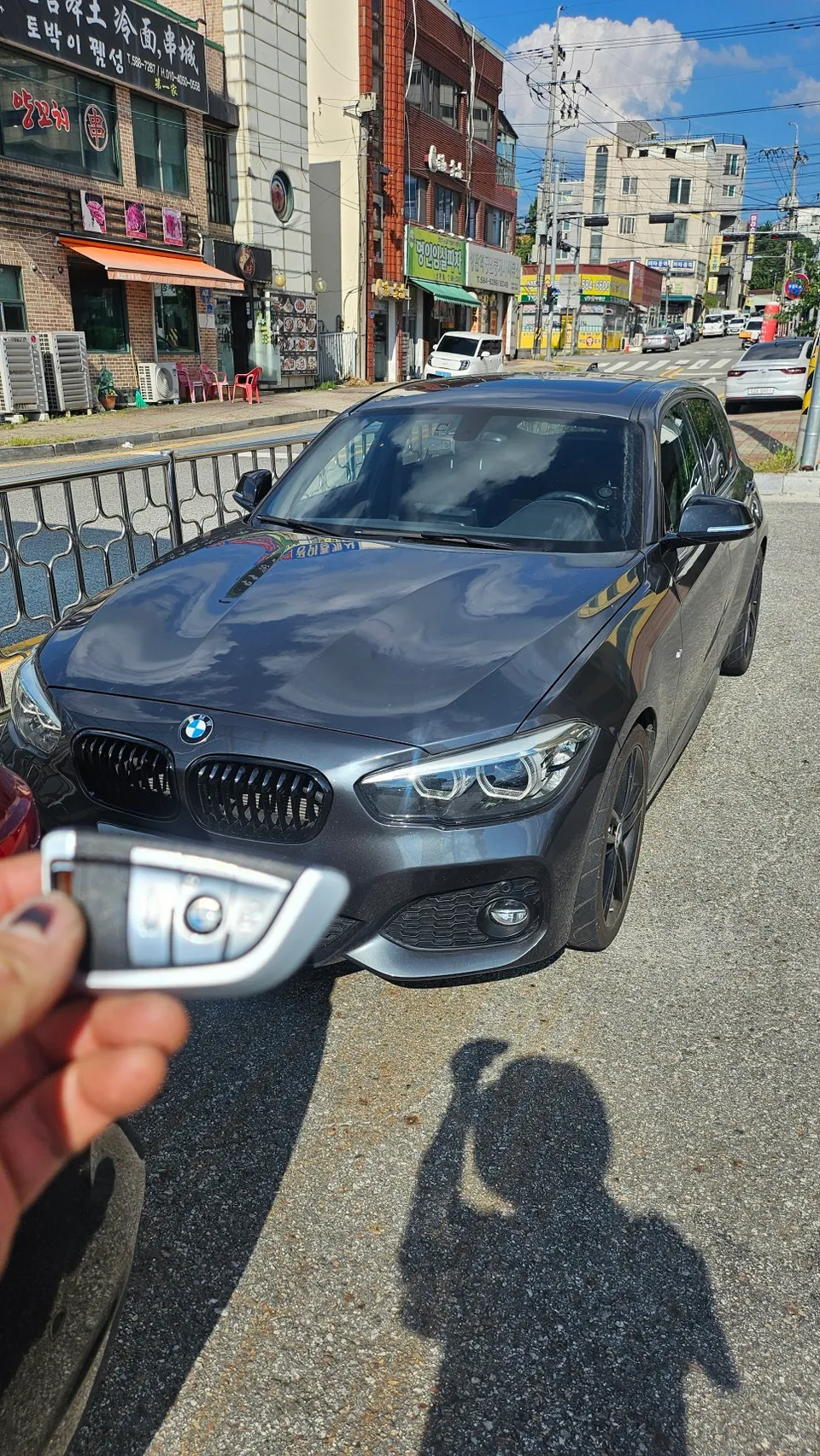
BMW 1 Series F20 OEM options retrofit: Cost varies by feature. Results are factory-perfect integration and durability.
BMW 1 Series F20 OEM Options: A Comprehensive Review
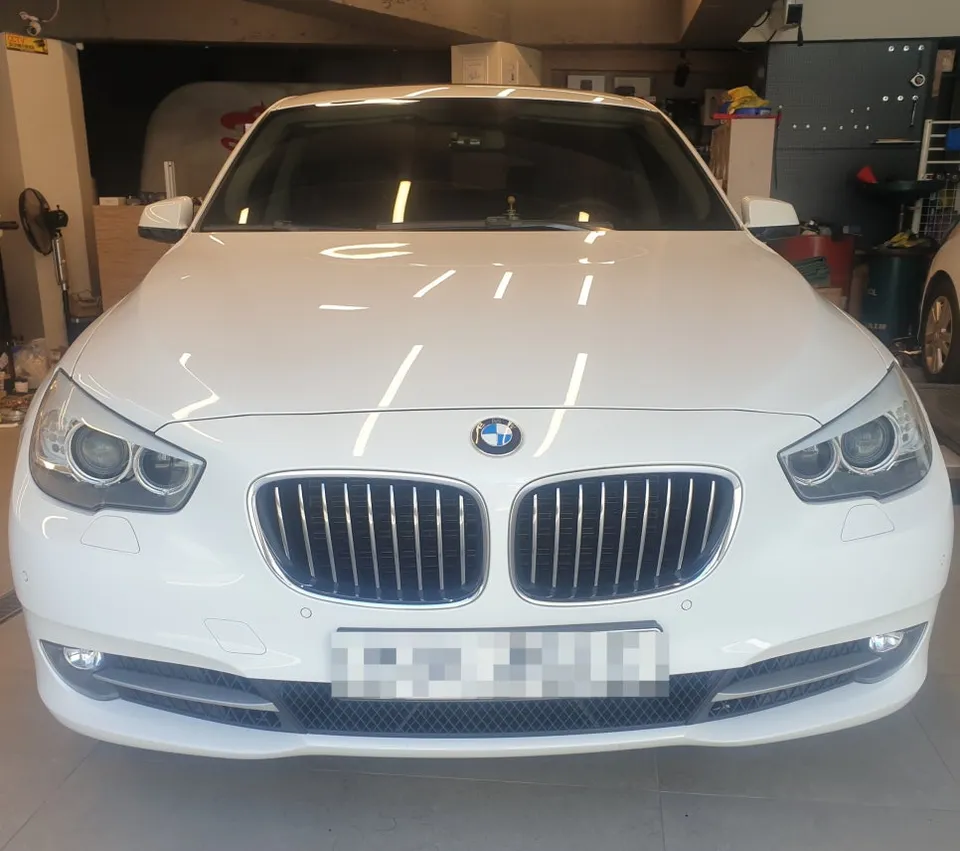
When considering enhancements for your BMW 1 Series F20, the allure of OEM options and factory upgrades is undeniable. These are not aftermarket add-ons but rather features designed and integrated by BMW itself. This review delves into the specifics of retrofitting factory options, covering installation, cost, durability, and whether these upgrades are a worthwhile investment for your F20.
Understanding Factory Option Retrofits
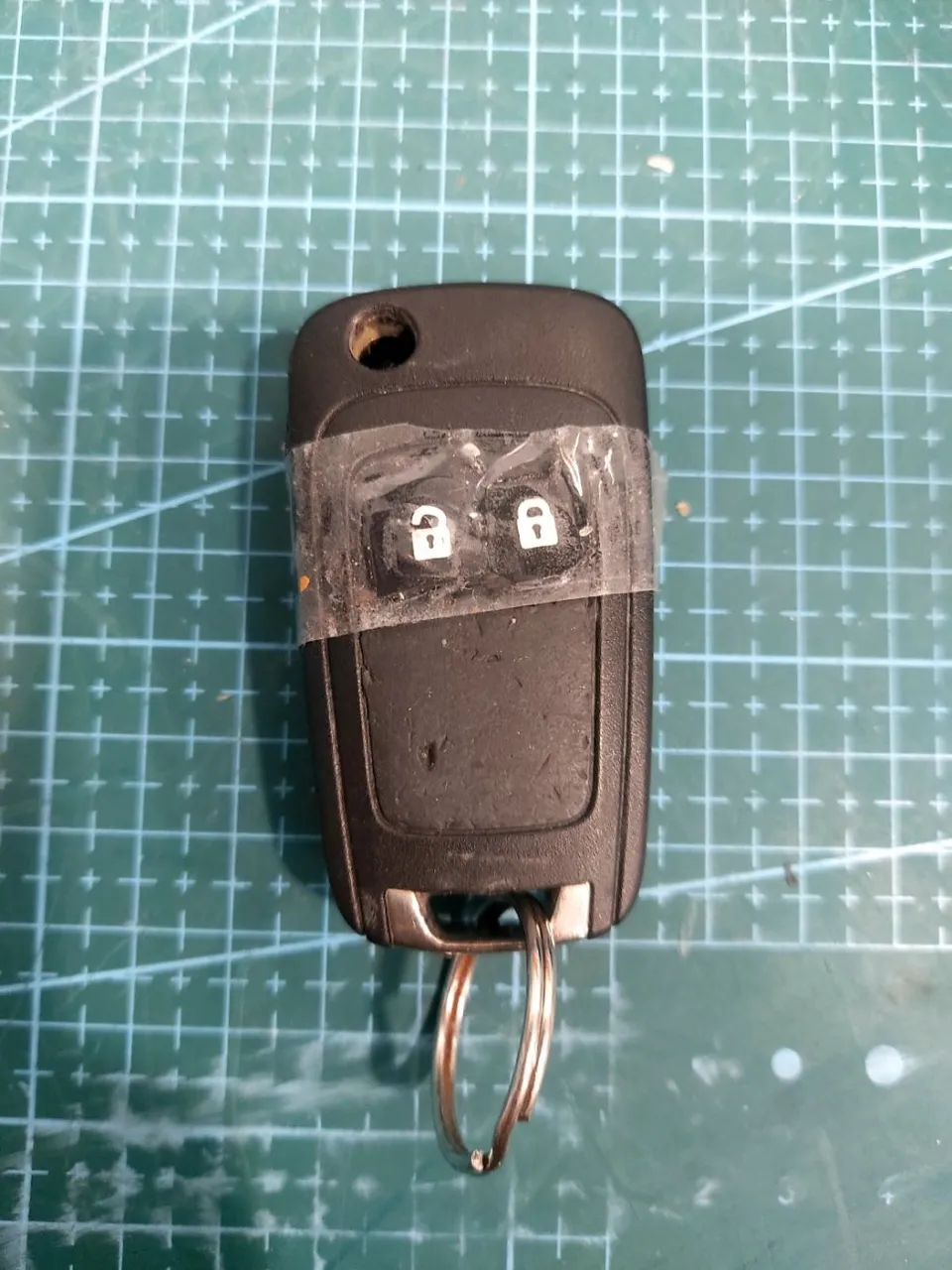
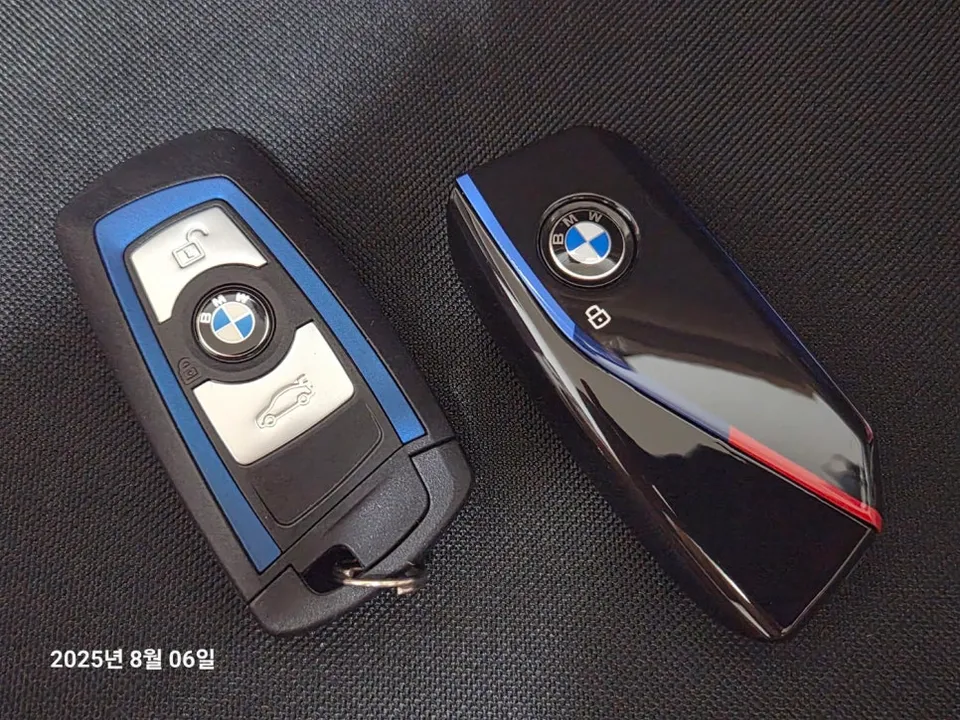
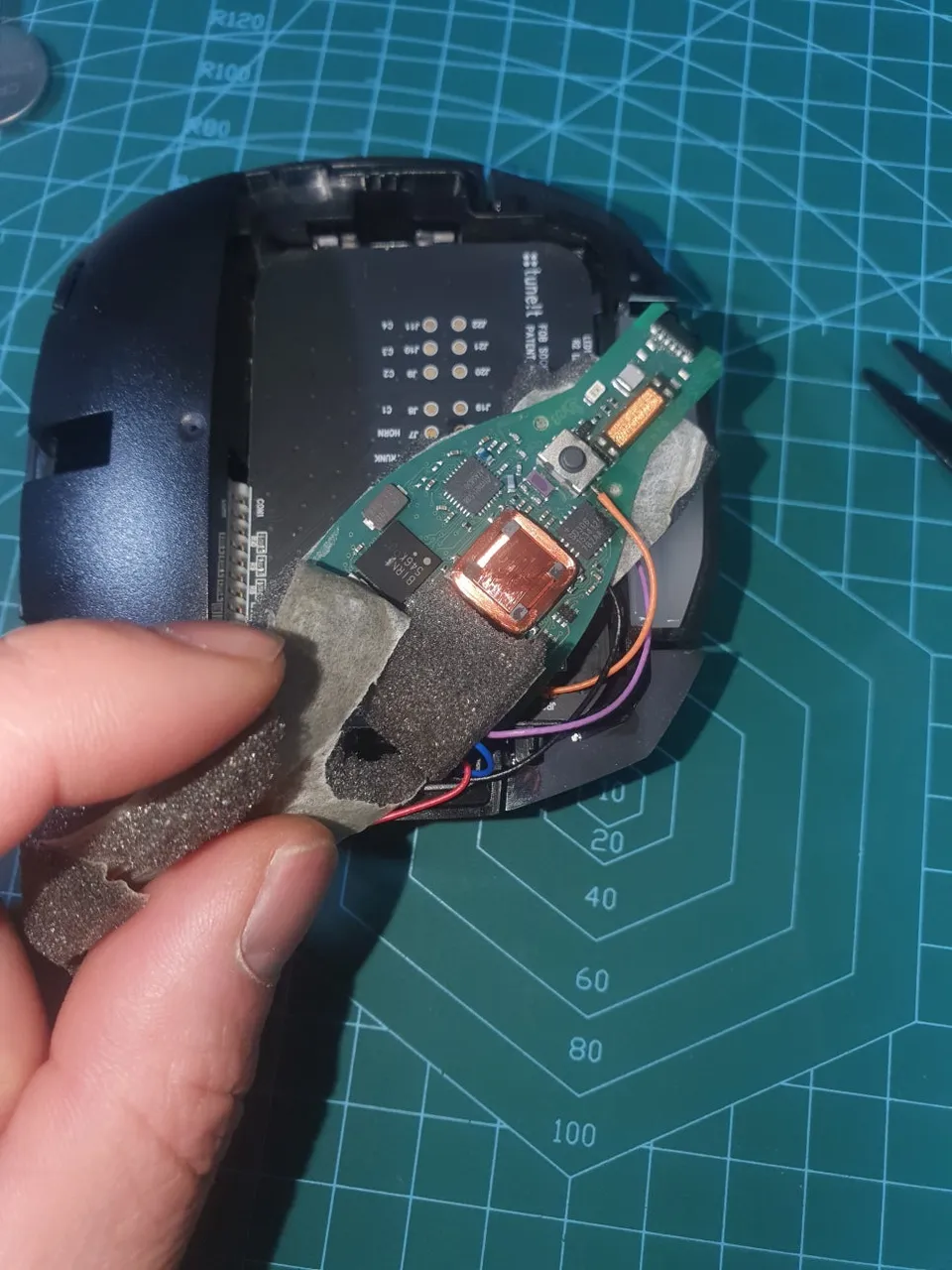
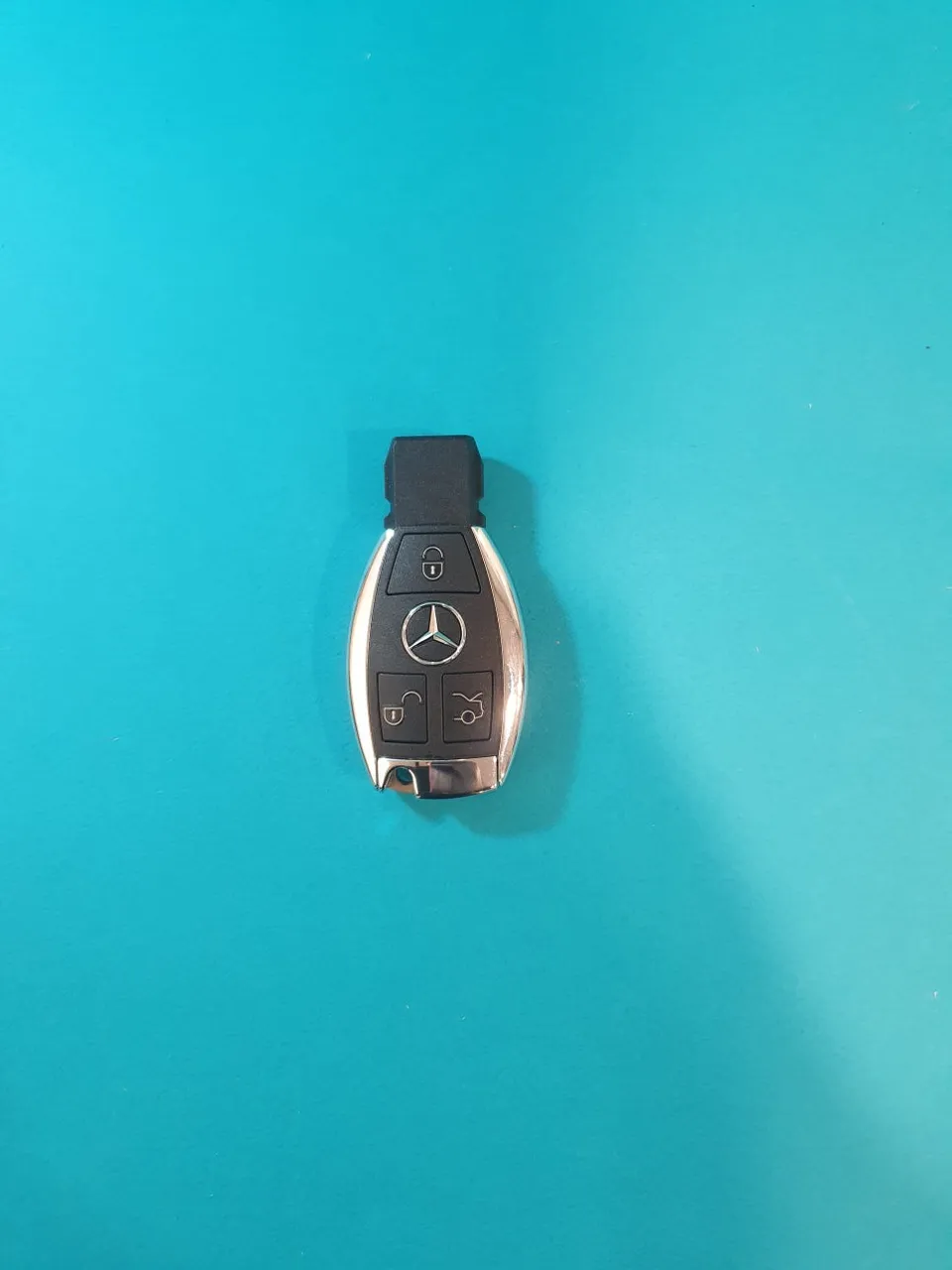
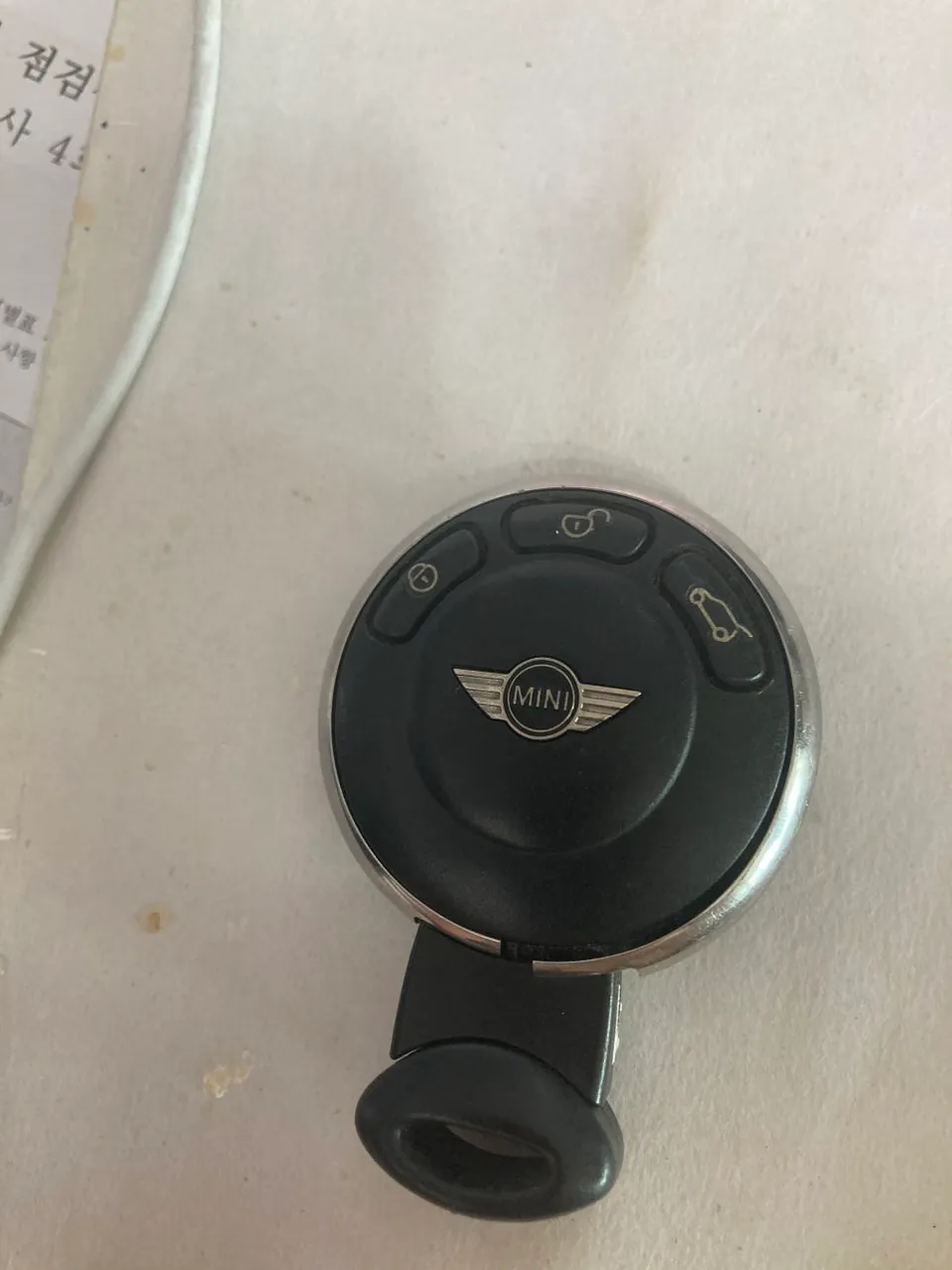
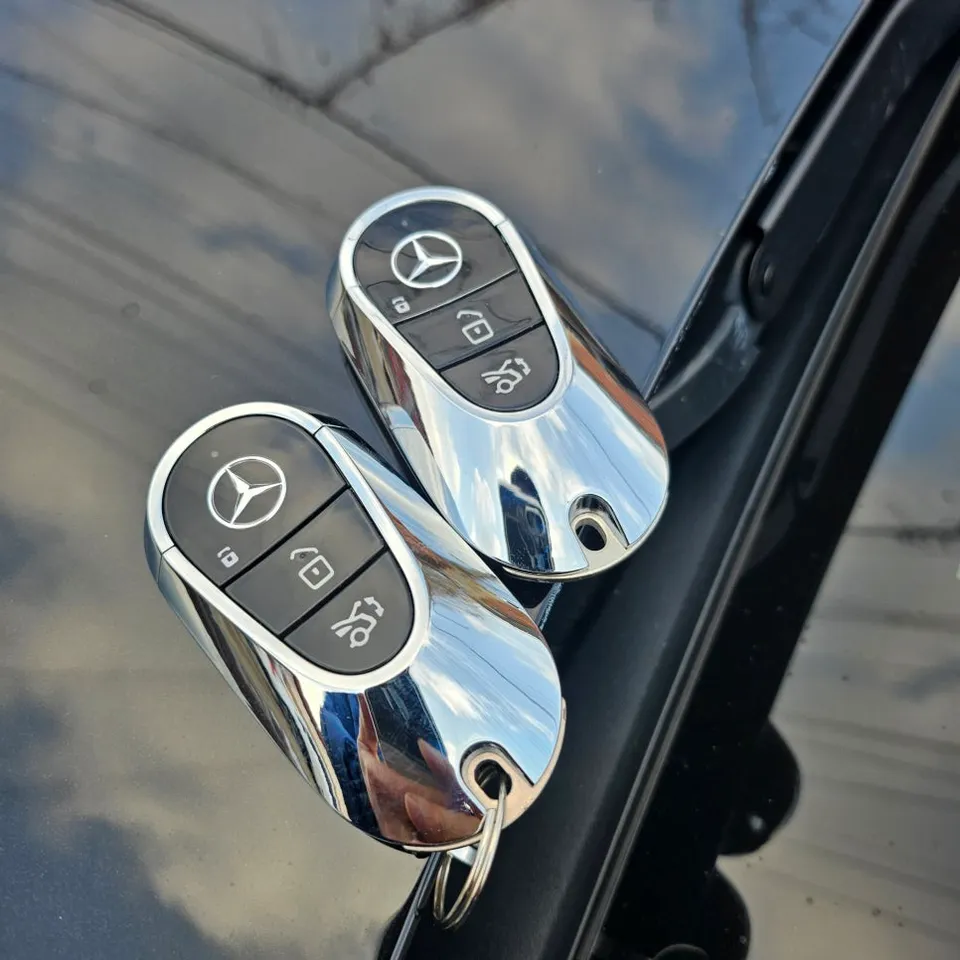
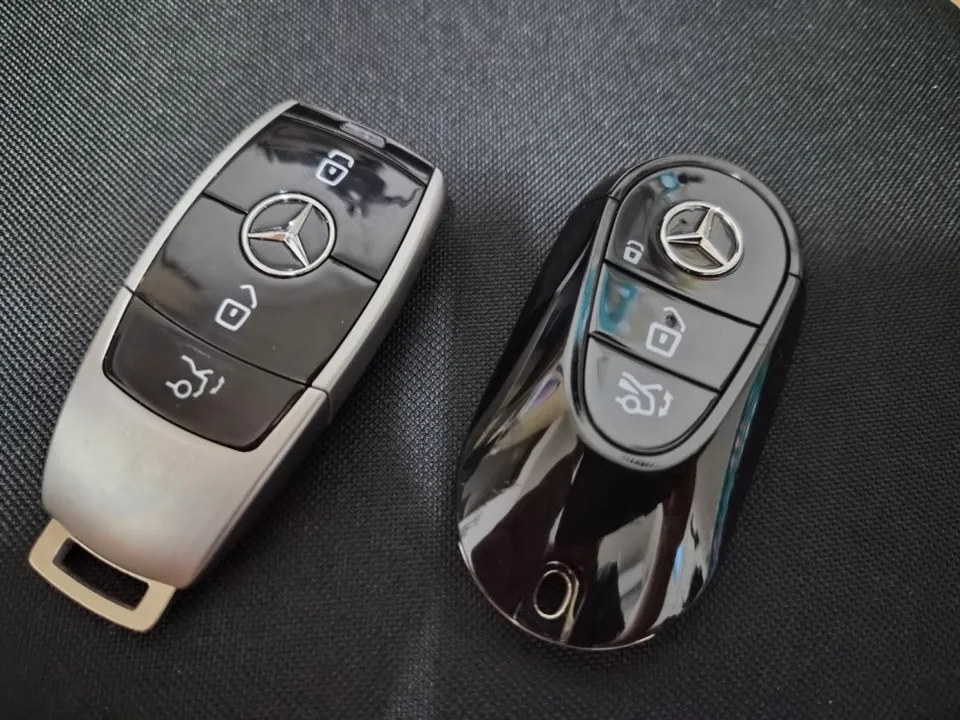
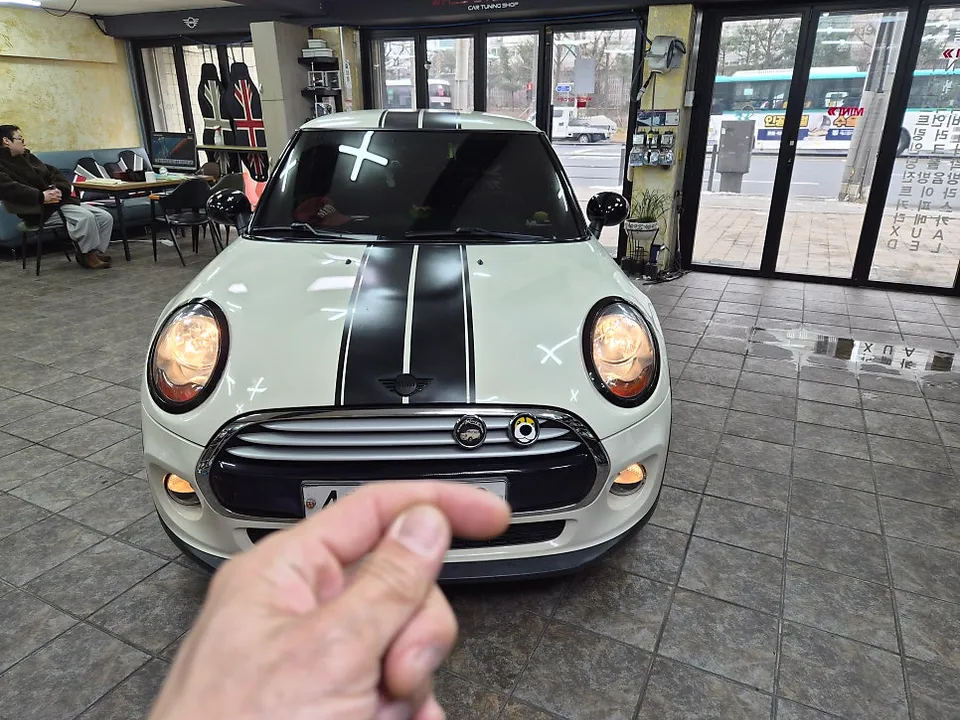
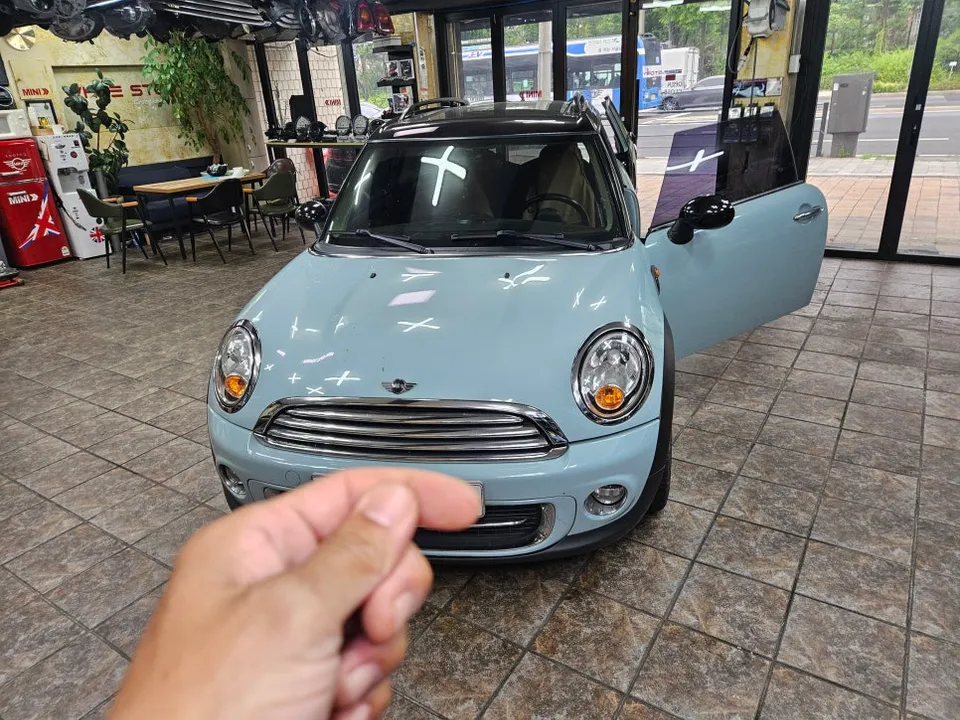
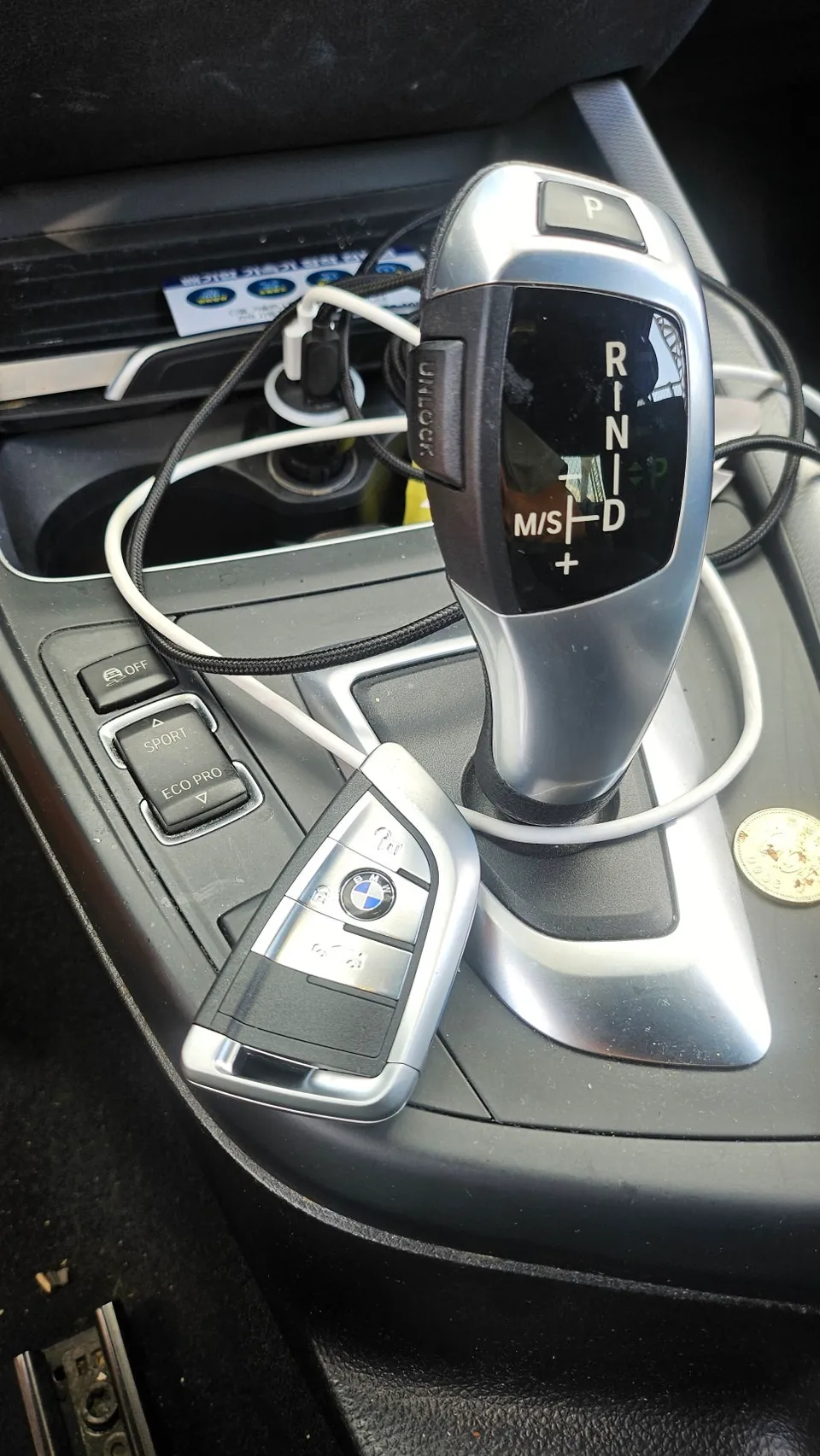
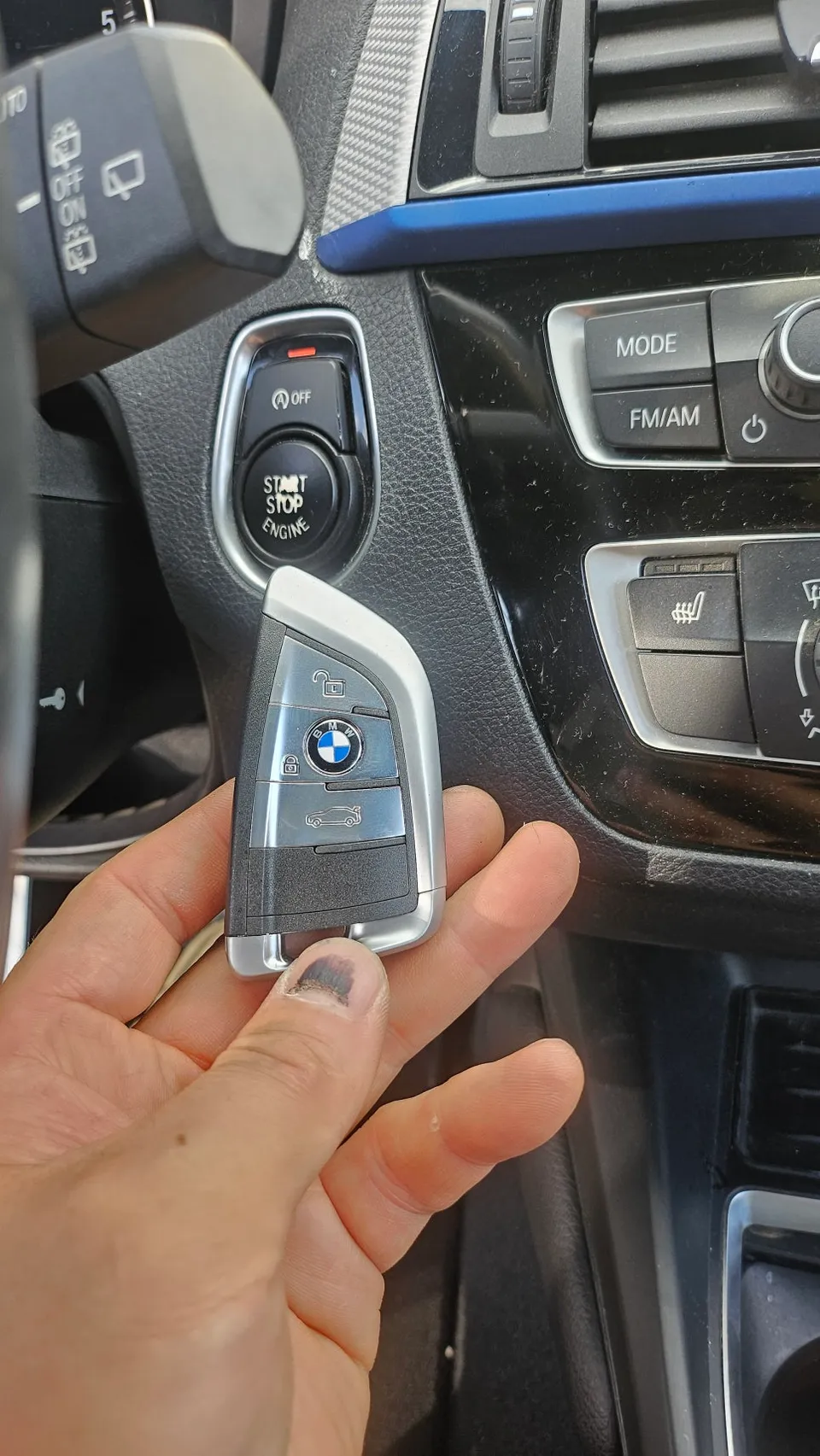
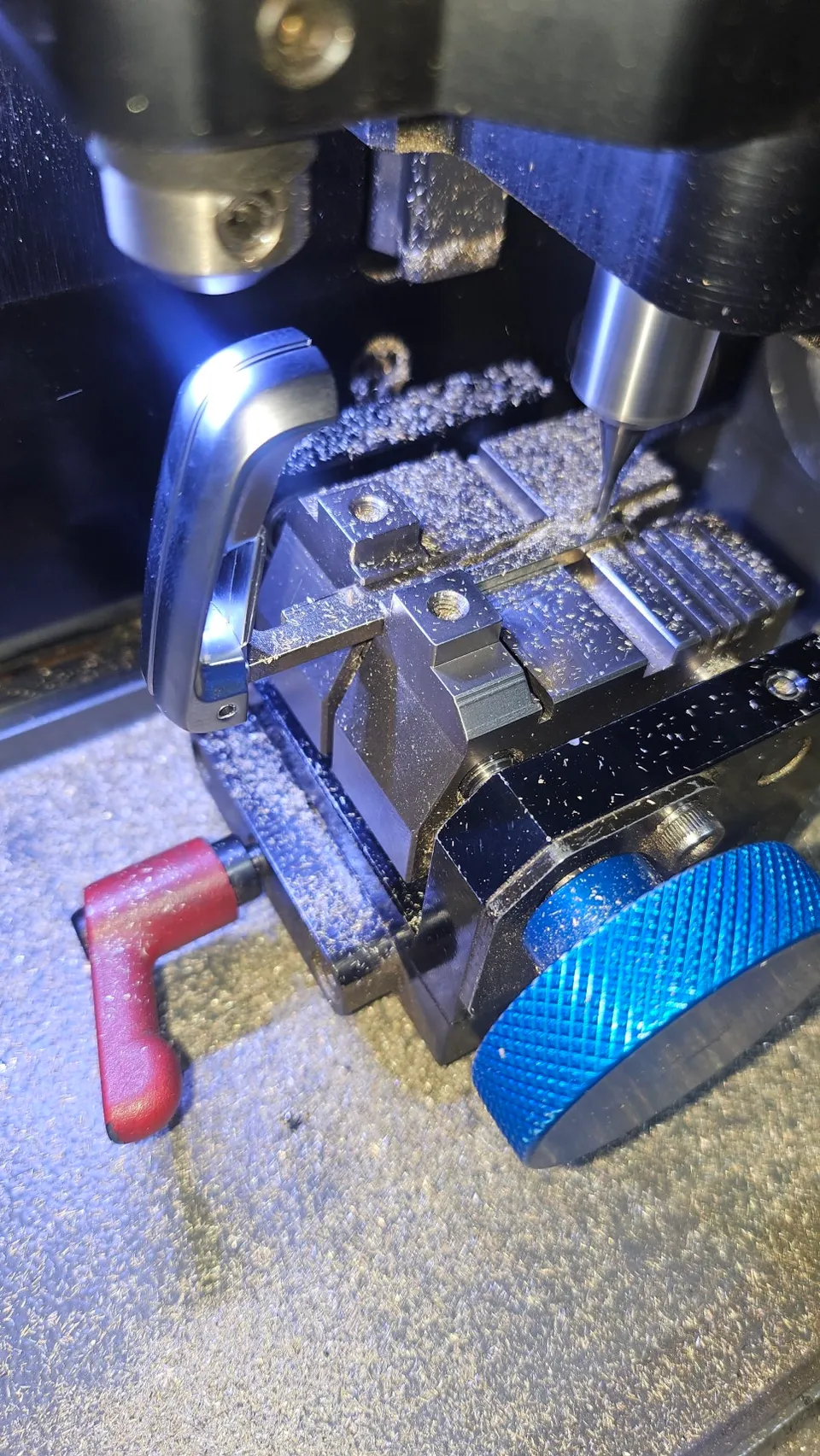
The Korean context for this service often involves specialized shops that handle the repair, copying, and upgrading of vehicle keys and related electronic components. While the original Korean title mentions key creation for a BMW F20 Shadow Edition without any existing keys, the broader service encompasses retrofitting various factory options. This can range from digital and older key systems to more advanced modifications. The focus is on providing genuine BMW parts and ensuring they integrate seamlessly with your vehicle's existing systems. The expertise lies in understanding the intricate electronics and coding required to make these factory options function as if they were installed at the production line.
Installation Process and Results
The installation of OEM options on a BMW 1 Series F20 typically involves precise coding and physical integration. The process requires specialized knowledge and tools to ensure compatibility and proper function. For instance, if you're retrofitting a new key system, the process would involve programming the new key to your car's immobilizer and central locking systems.
Installation process:
- Diagnosis and Part Sourcing: Identifying the desired OEM option and sourcing the genuine BMW part is the crucial first step. This ensures perfect compatibility.
- System Integration and Coding: The new component is physically installed, and then the vehicle's software is coded to recognize and operate the new feature. This is often the most complex part, requiring specific diagnostic tools.
- Testing and Verification: After installation and coding, thorough testing is performed to ensure the OEM option functions exactly as intended by BMW.
The results are, by definition, factory-level. Unlike aftermarket parts that can sometimes lead to compatibility issues or a less refined finish, OEM options integrate flawlessly. This means the functionality, aesthetics, and durability will match the original factory standard. For example, a retrofitted navigation system will look and perform identically to one installed at the factory.
Durability, Maintenance, and Value
When it comes to durability, OEM options generally offer the best longevity. Since they are manufactured to BMW's stringent standards, they are designed to withstand the rigors of daily use and integrate perfectly with the car's existing systems. Maintenance is typically straightforward, often involving the same procedures as the original factory-installed components. For example, if you retrofit a higher-spec audio system, its maintenance would align with BMW's recommendations for audio components.
The decision of whether OEM options are worth it depends on individual needs and priorities. If you value factory integration, seamless performance, and long-term reliability, then retrofitting OEM options can be a sound investment. It allows you to enhance your BMW 1 Series F20 with features that might not have been available or chosen at the time of purchase, without compromising the vehicle's integrity. The cost can be significant, often ranging from several hundred to thousands of dollars depending on the complexity of the option, but the value lies in the factory-quality finish and functionality.
Frequently Asked Questions
Q. How much does OEM option and factory upgrade installation cost for a BMW 1 Series F20?
The cost for OEM options and factory upgrades on a BMW 1 Series F20 varies significantly based on the specific feature, typically ranging from several hundred to thousands of dollars. In Korea, these services are often quoted in KRW, with prices potentially translating to a comparable USD range.
Q. How long does OEM options installation take on a BMW 1 Series F20?
OEM options and factory upgrades on a BMW 1 Series F20 are generally durable and designed for long-term use. Basic maintenance usually involves standard vehicle care, similar to factory-installed components.
Q. Are OEM options worth adding after purchase for a BMW 1 Series F20?
OEM options are most beneficial for owners who prioritize factory-level integration and seamless functionality. They offer excellent value for those seeking to enhance their vehicle with features that match original BMW standards.
Q. How are OEM factory options installed on a BMW 1 Series F20?
Installation involves sourcing genuine BMW parts, physically integrating them into the vehicle, and then coding the car's software to recognize and operate the new feature. Finally, thorough testing ensures everything functions correctly.
Q. What is the difference between dealer-installed options and aftermarket upgrades for a BMW 1 Series F20?
OEM factory options are designed and manufactured by BMW for seamless integration, ensuring factory-level performance and aesthetics. Aftermarket upgrades are made by third-party companies and may sometimes lead to compatibility issues or a less refined finish.
OhCar Partner Shop