Porsche 911: Vinyl Wrap vs. Paint Protection - Which is Best?
When it comes to protecting a legendary machine like the Porsche 911, enthusiasts face a crucial decision: vinyl wrap or paint protection film (PPF)? This Porsche 911 vinyl wrap vs paint protection comparison delves into the nuances of each option, helping you make an informed choice for your prized possession. Both offer a shield against the elements and daily wear and tear, but their capabilities, longevity, and aesthetic impact differ significantly. Let's break down what each has to offer.
Understanding the Options: Vinyl Wrap vs. Paint Protection Film (PPF)
At first glance, both vinyl wraps and PPF might seem like a simple layer of protection. However, their composition, purpose, and performance are distinct. Understanding these differences is key to choosing the right solution for your Porsche 911.
What is Vinyl Wrap?
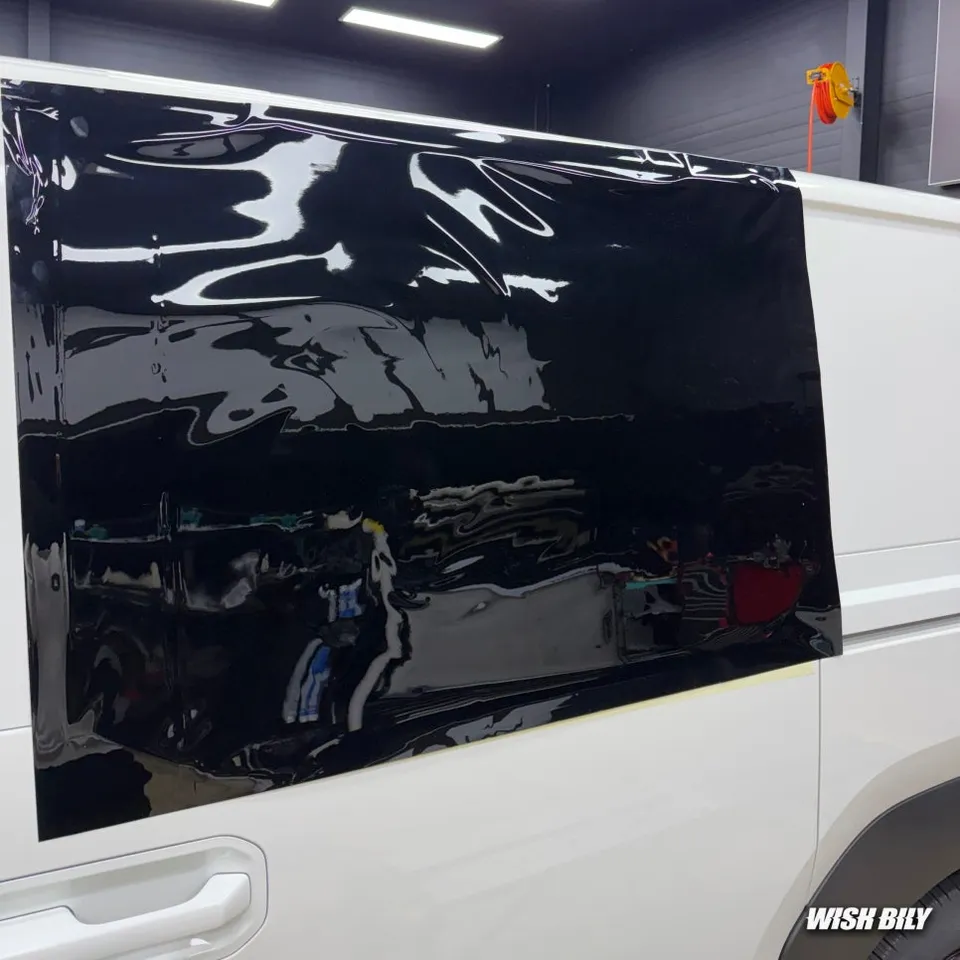
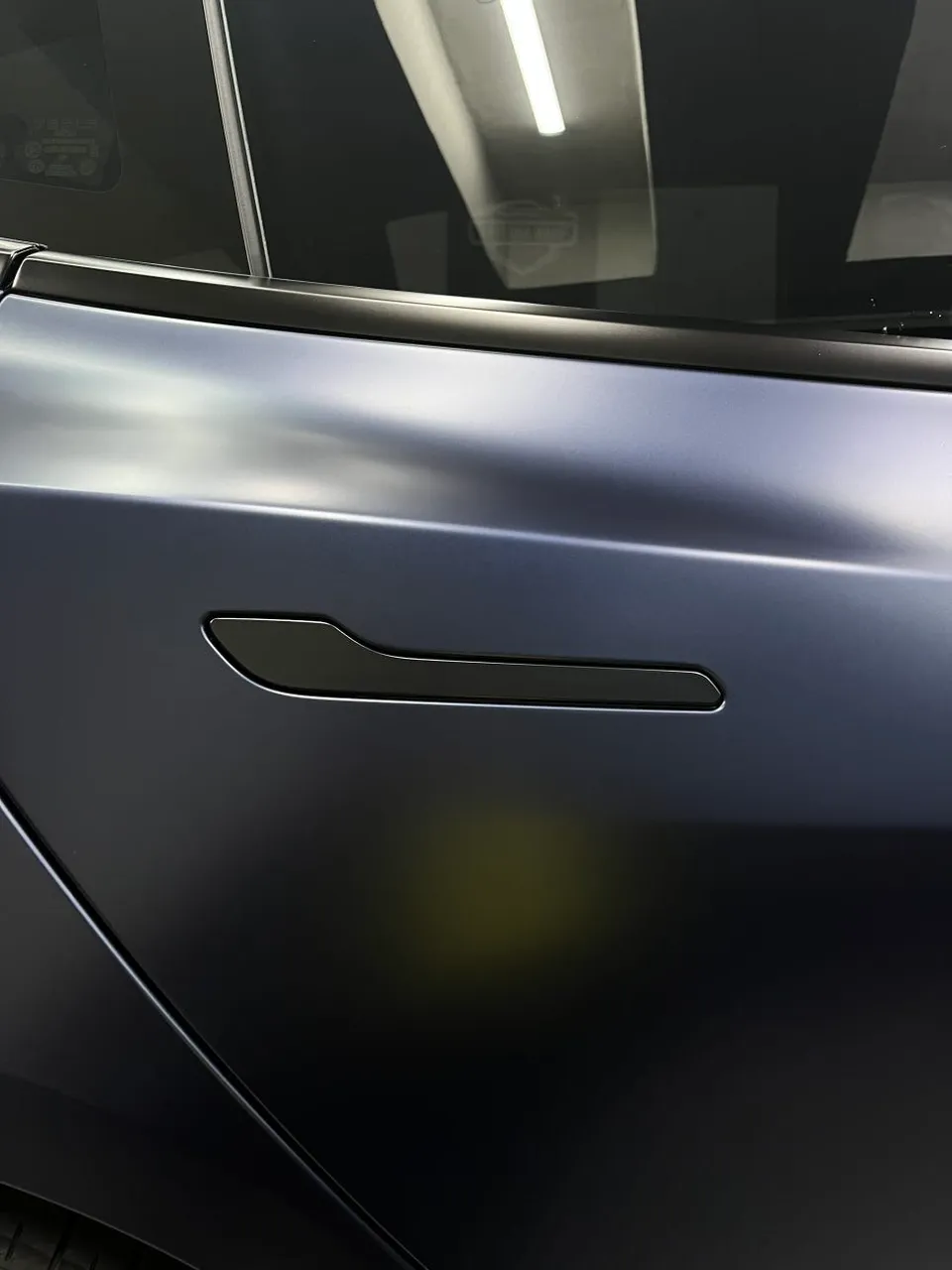
Vinyl wraps are essentially large, adhesive-backed sheets of PVC (polyvinyl chloride) that are applied to the exterior of a vehicle. They are primarily an aesthetic modification, offering a vast array of colors, finishes (matte, gloss, satin, chrome, carbon fiber, etc.), and even custom graphics. While they do provide a degree of protection against minor scratches and UV rays, this is secondary to their visual transformation capabilities. Think of it as a stylish, temporary skin for your car.
What is Paint Protection Film (PPF)?
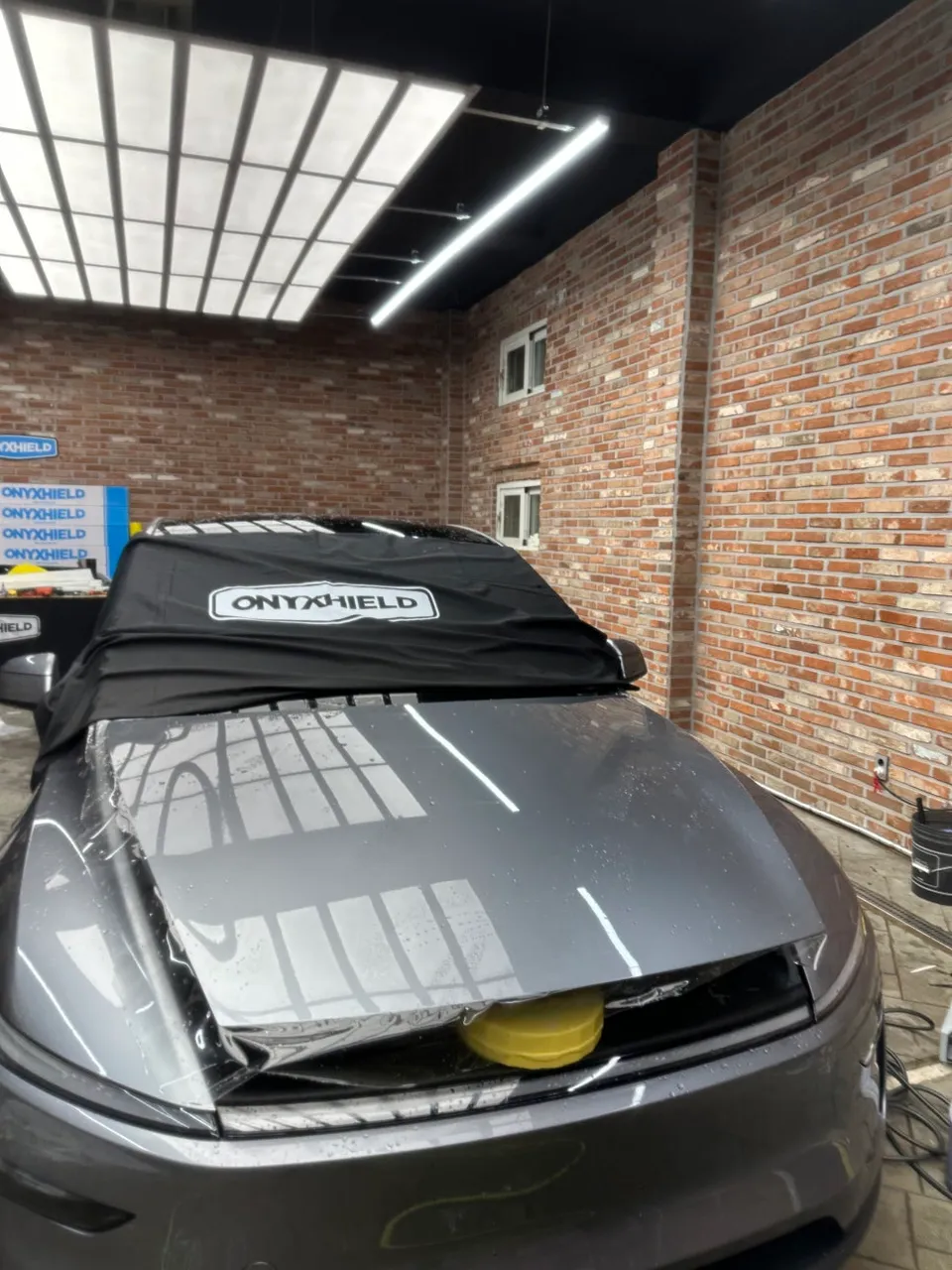
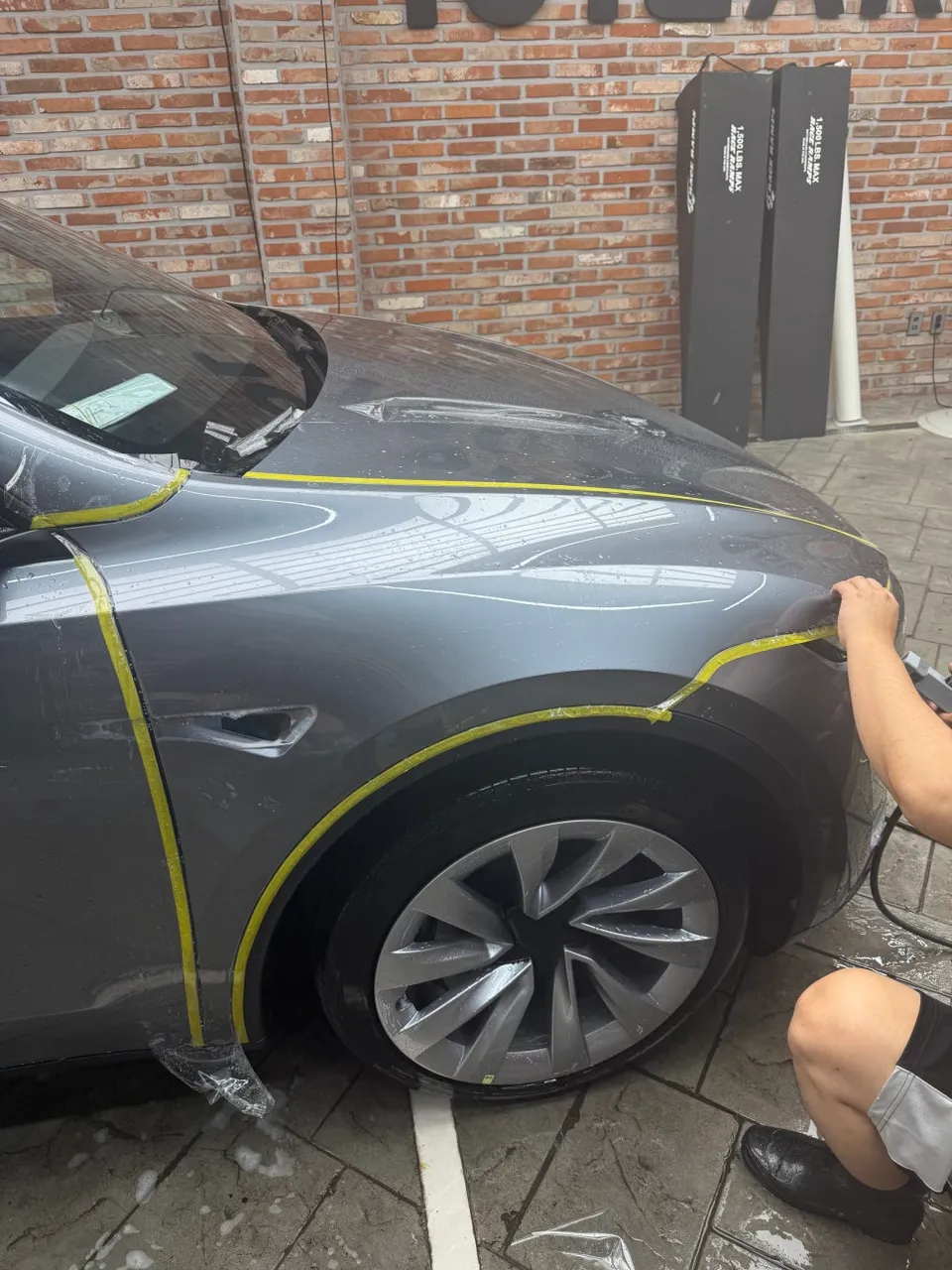
Paint Protection Film, often referred to as PPF or clear bra, is a transparent, thermoplastic urethane film. Its primary purpose is to protect the original paintwork from physical damage. PPF is engineered to be incredibly durable, offering superior resistance to rock chips, scratches, swirl marks, insect acids, bird droppings, and other environmental contaminants. Modern PPF also features self-healing properties, meaning minor scratches can disappear with heat. It's a dedicated shield for your car's paint.