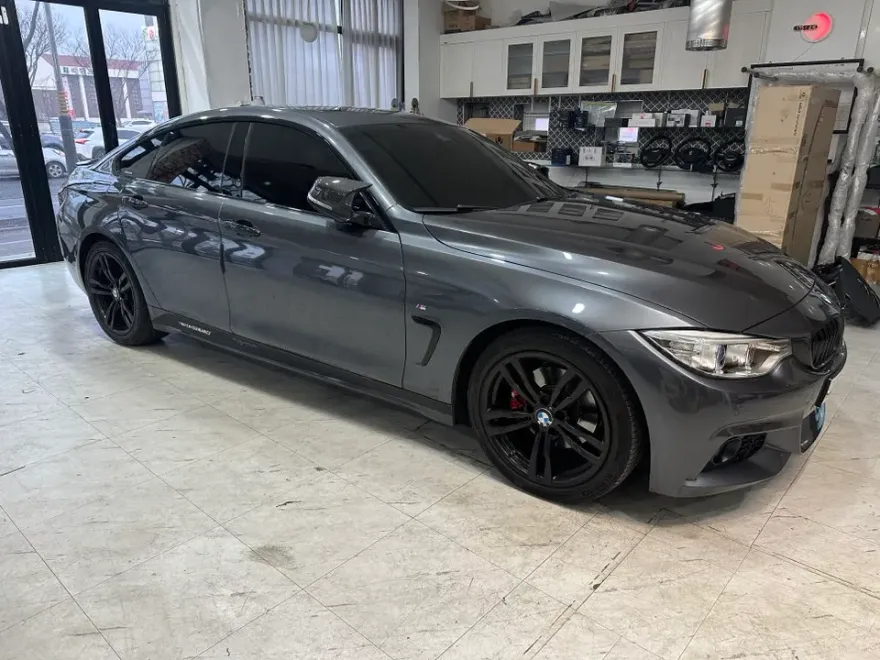
BMW 3 Series Dash Cam Installation Review
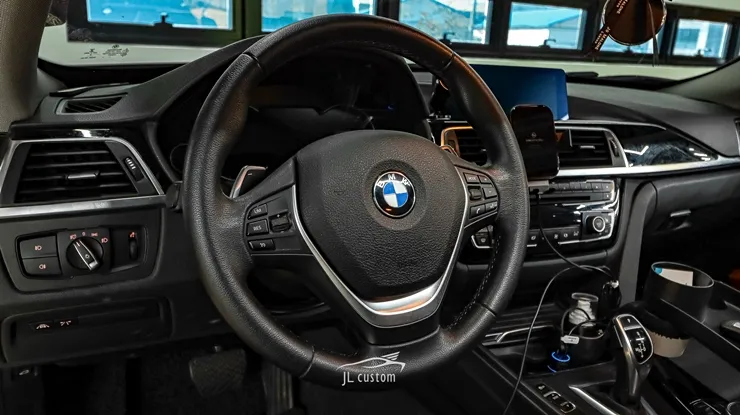
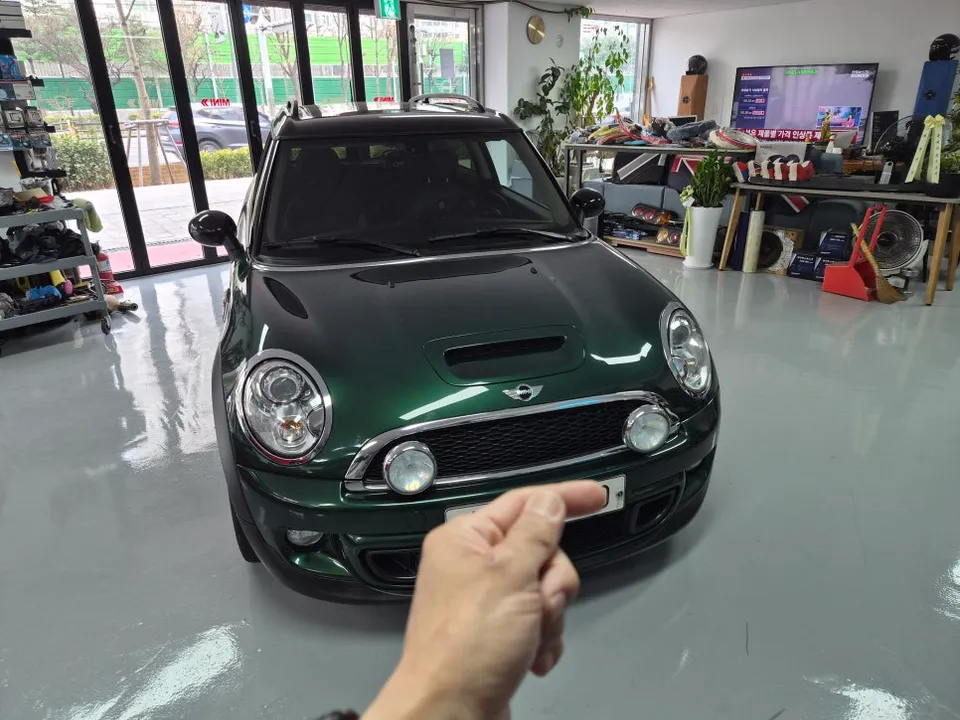
Before
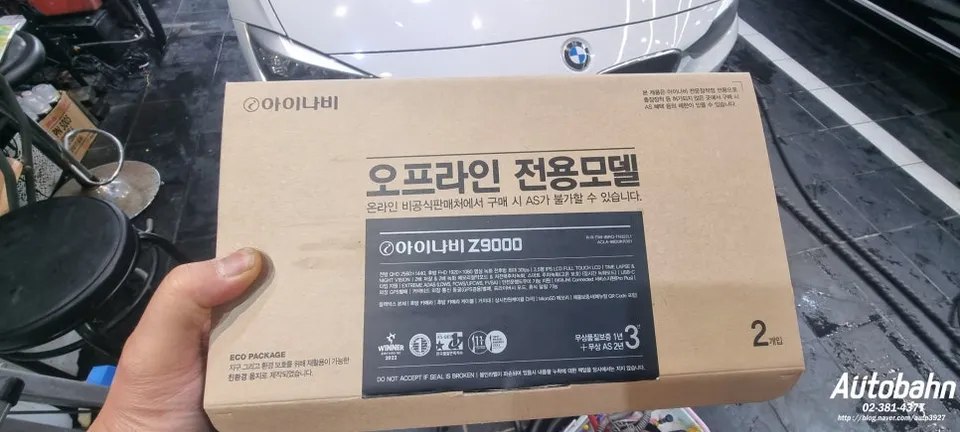
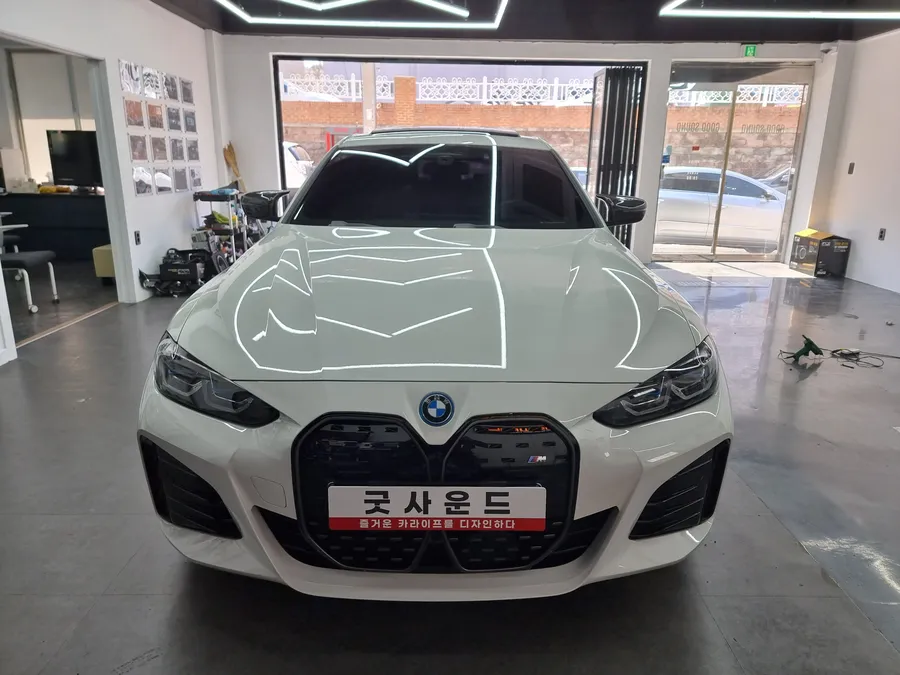
After
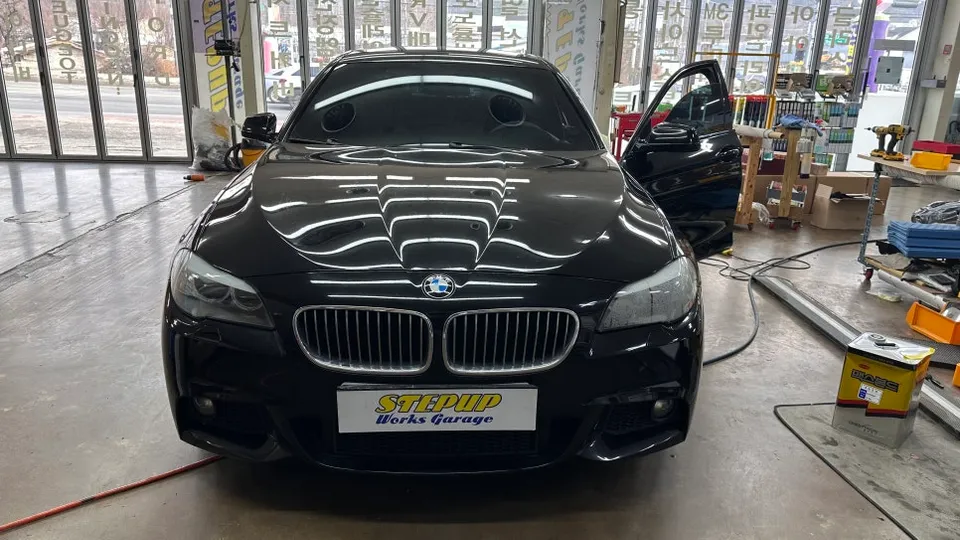
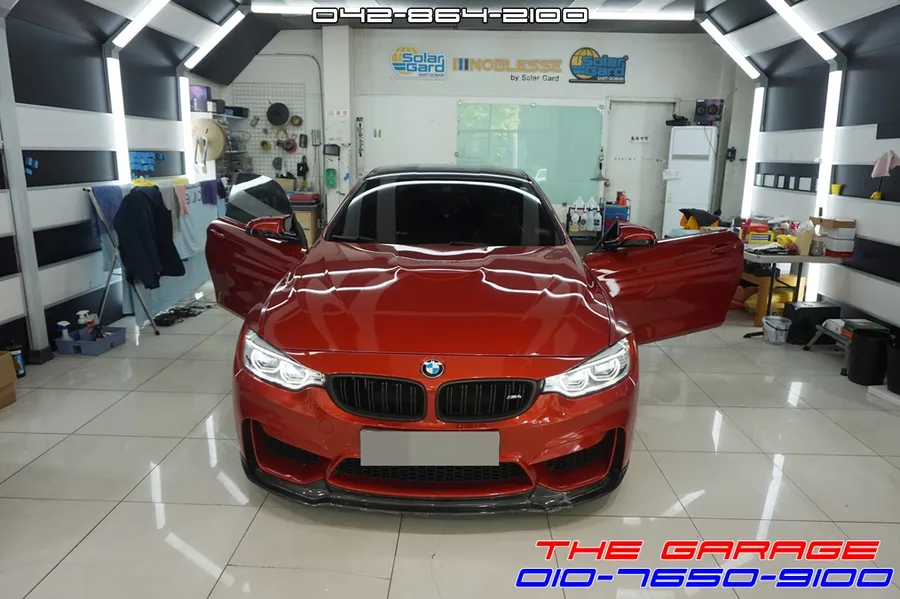
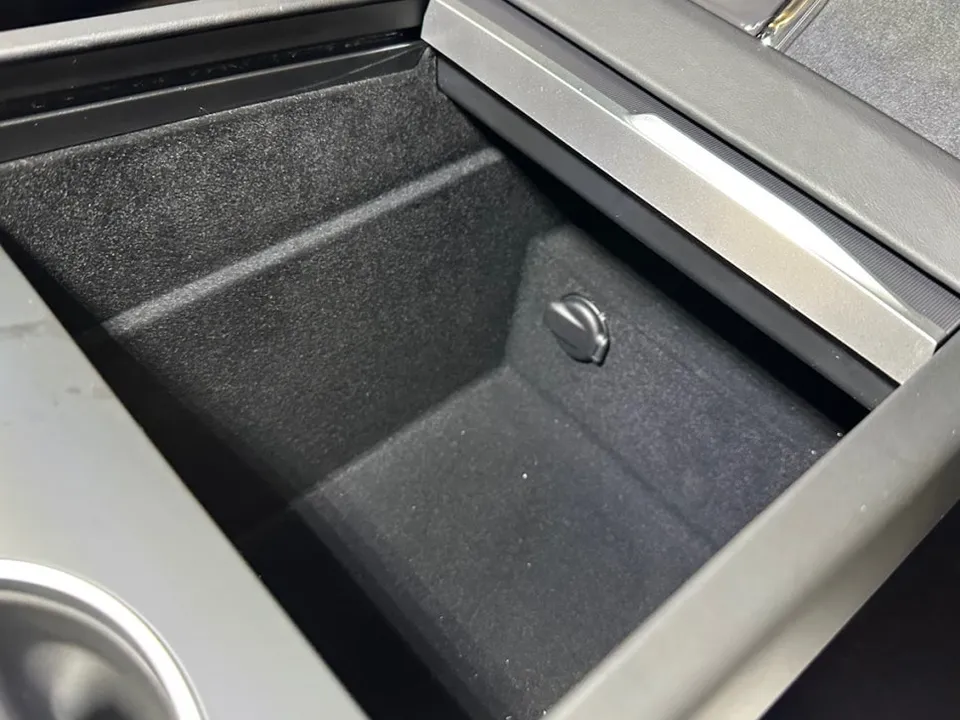
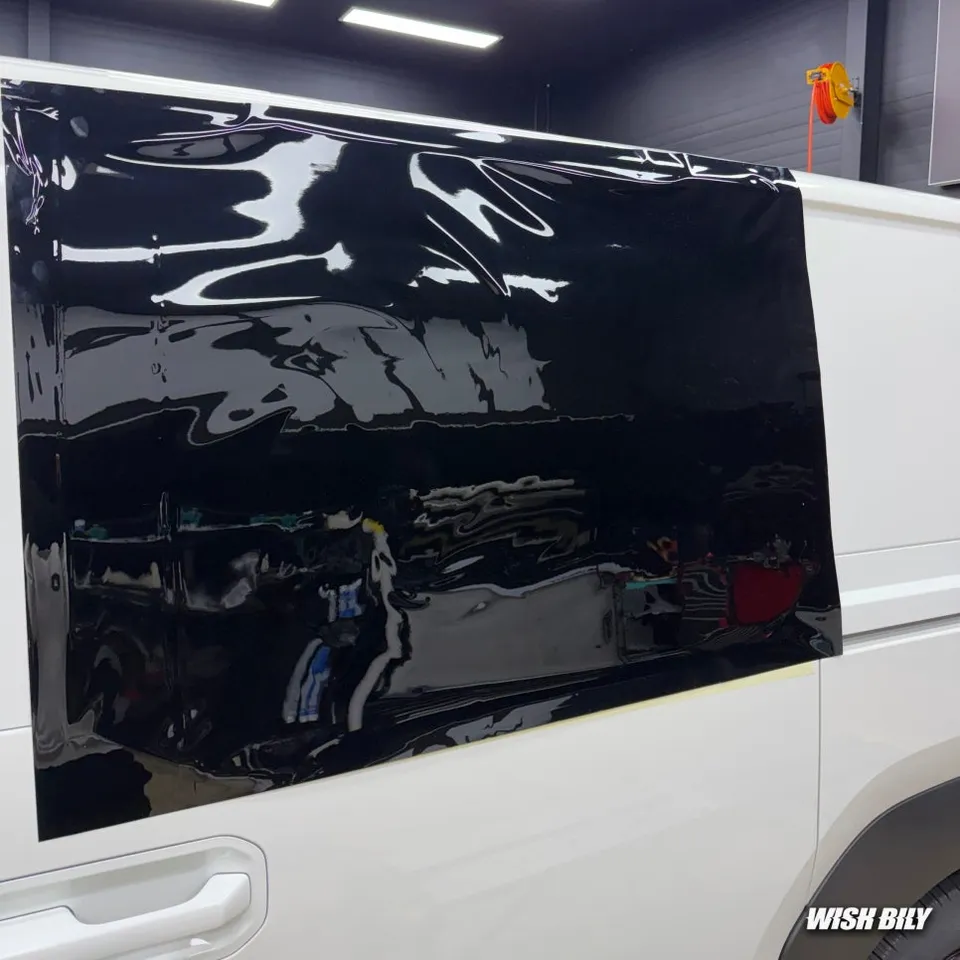
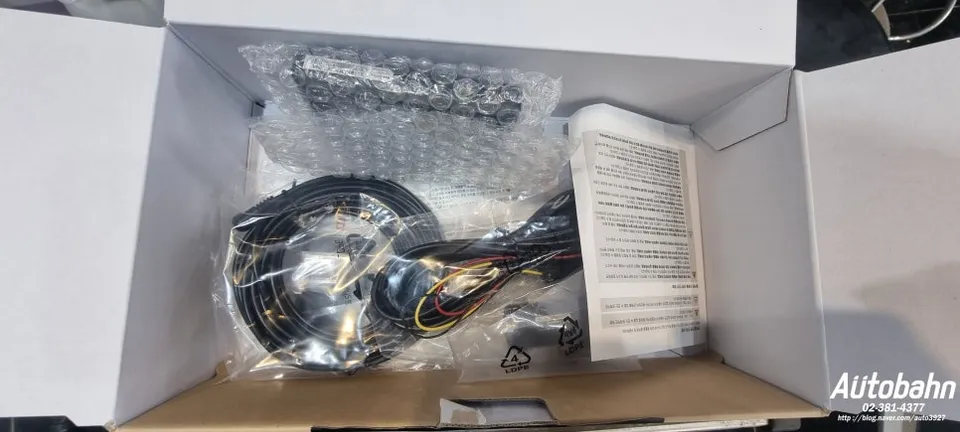
Process photos
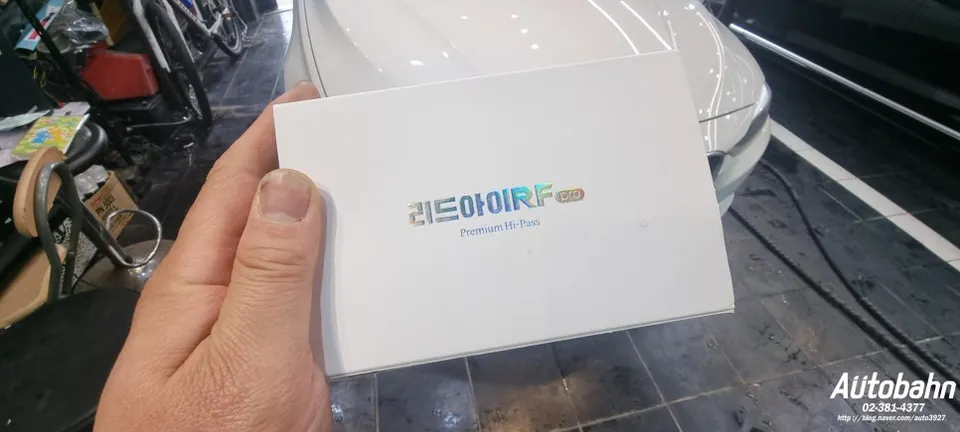
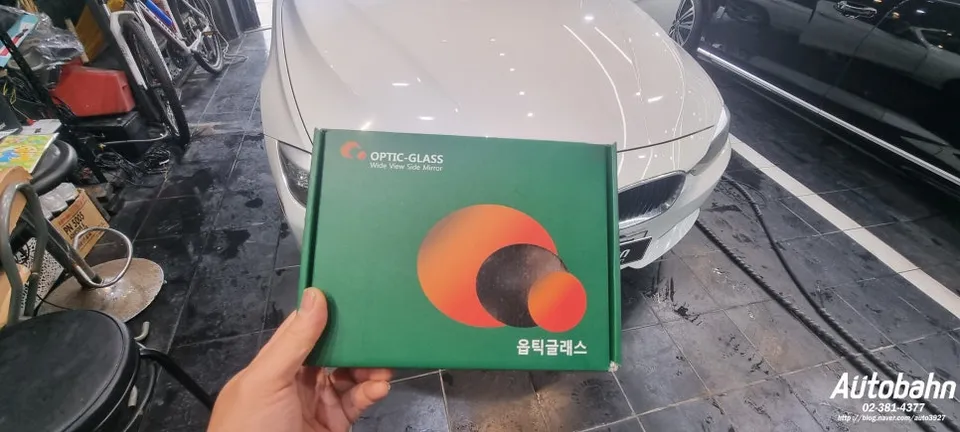
BMW 3 Series dash cam installation with iNavi Z9000, RF Hi-Pass, and wide mirror: ₩700,000. Enhanced safety and visibility.
Professional Dash Cam Installation for Your BMW 3 Series
This review covers the installation of an iNavi Z9000 dash cam, along with an RF Hi-Pass (toll tag reader) and an Optic Glass wide-angle mirror, on a BMW 3 Series. The owner, who inherited the car from her husband, found the original mirror too small and her existing dash cam outdated. Seeking a cost-effective upgrade, she visited our facility for a weekend installation. This service aims to provide peace of mind and enhanced safety features for your driving experience.
Dash Cam Installation Process and Benefits
The installation process for a dash cam, especially when integrating features like an RF Hi-Pass and a wide-angle mirror, requires careful attention to detail. For this BMW 3 Series, the goal was a clean, professional finish that integrated seamlessly with the vehicle's interior. The iNavi Z9000 is a popular choice for its reliability and recording quality. The addition of an RF Hi-Pass simplifies toll payments, while the Optic Glass wide-angle mirror significantly improves rearward visibility, addressing the owner's specific concerns about the original mirror's size.
The benefits of a modern dash cam extend beyond simple recording. Features like parking mode allow the camera to continue monitoring your vehicle even when parked, capturing any potential incidents. This is crucial for protecting your BMW 3 Series from hit-and-runs or vandalism. The hardwiring process ensures the dash cam is powered reliably without draining the car battery, thanks to built-in voltage cut-off features. The overall cost for this comprehensive installation, including the dash cam, RF Hi-Pass, and wide-angle mirror, was approximately 700,000 Korean Won (roughly $500 USD, subject to exchange rates). This price reflects the quality of the components and the professional labor involved.
Durability, Maintenance, and Decision Making
When considering a dash cam installation, durability and maintenance are key factors. High-quality dash cams like the iNavi Z9000 are built to withstand varying temperature conditions inside a vehicle. Regular maintenance typically involves checking the lens for cleanliness and ensuring the memory card is functioning correctly. Most modern dash cams offer automatic formatting or alerts for memory card issues. The professional hardwiring ensures a secure connection, minimizing the risk of dislodging during normal driving. For owners of a BMW 3 Series, investing in a reliable dash cam system is a worthwhile decision, especially when combined with other convenience features like an RF Hi-Pass and improved mirrors. It enhances safety, provides evidence in case of accidents, and adds value to the driving experience.
Installation process:
- The existing rearview mirror and any old dash cam are carefully removed.
- The new Optic Glass wide-angle mirror is mounted.
- The iNavi Z9000 dash cam is positioned and secured.
- Wiring for the dash cam and RF Hi-Pass is discreetly routed through the car's interior trim.
- Connections are made to the vehicle's fuse box for continuous power (parking mode) and ignition-switched power, ensuring a clean and safe hardwire installation.
Frequently Asked Questions
Q. How much does dash cam installation cost for a BMW 3 Series?
The installation for this BMW 3 Series, including an iNavi Z9000 dash cam, RF Hi-Pass, and wide-angle mirror, cost approximately 700,000 Korean Won. In the US, professional dash cam installation typically ranges from $100 to $300, depending on the complexity and features.
Q. How long does dash cam installation take on a BMW 3 Series?
Professional dash cam installation, including hardwiring and accessory integration like an RF Hi-Pass, usually takes 2-4 hours. To ensure longevity, keep the dash cam lens clean and periodically check the memory card's health.
Q. Is a hardwired dashcam worth it over a self-install for a BMW 3 Series?
A hardwired dashcam is highly recommended for a BMW 3 Series, especially for utilizing parking mode features without battery drain. It offers a cleaner installation and greater reliability compared to simple plug-in options.
Q. How is a dashcam professionally installed on a BMW 3 Series?
Professional installation involves discreetly routing wires through the vehicle's trim for a clean look. 1. The dash cam and any accessories are mounted securely. 2. Power and ground wires are connected to the car's fuse box for reliable operation. 3. All connections are tested to ensure proper functionality, including parking mode.
Q. What is the difference between a 1-channel and 2-channel dashcam for a BMW 3 Series?
A 1-channel dashcam records only the front view, while a 2-channel system includes a second camera for rear recording, providing comprehensive coverage. For maximum safety and evidence collection, a 2-channel dashcam is generally recommended for a BMW 3 Series.
OhCar Partner Shop