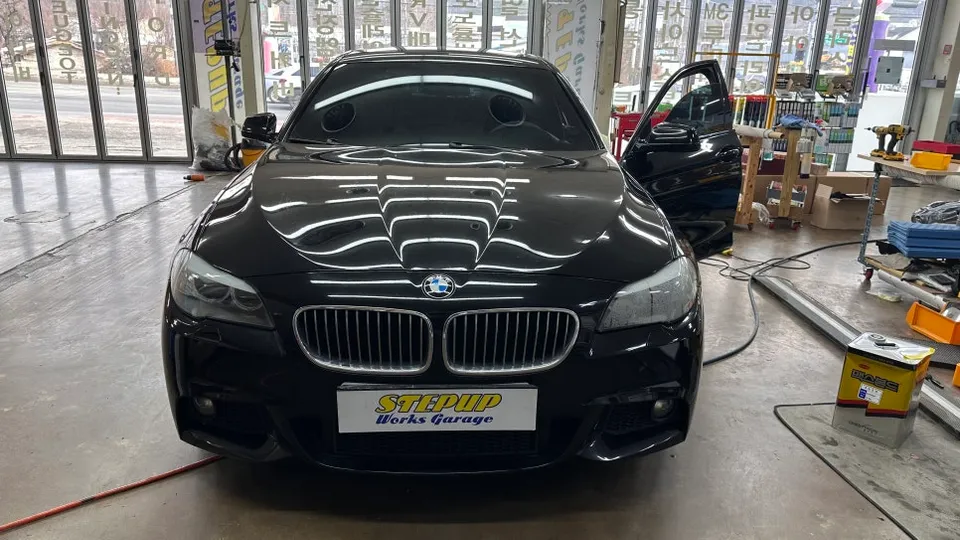
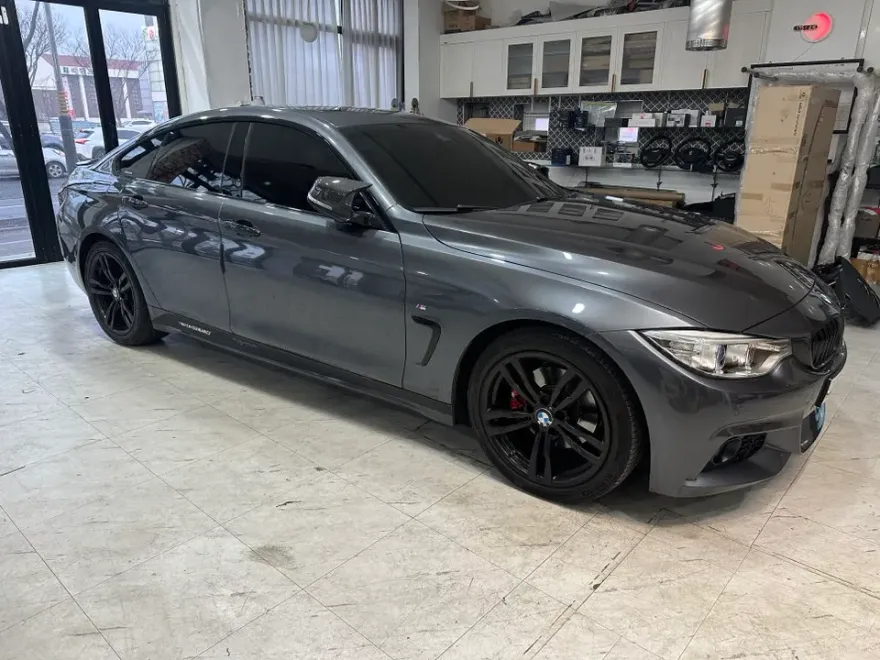
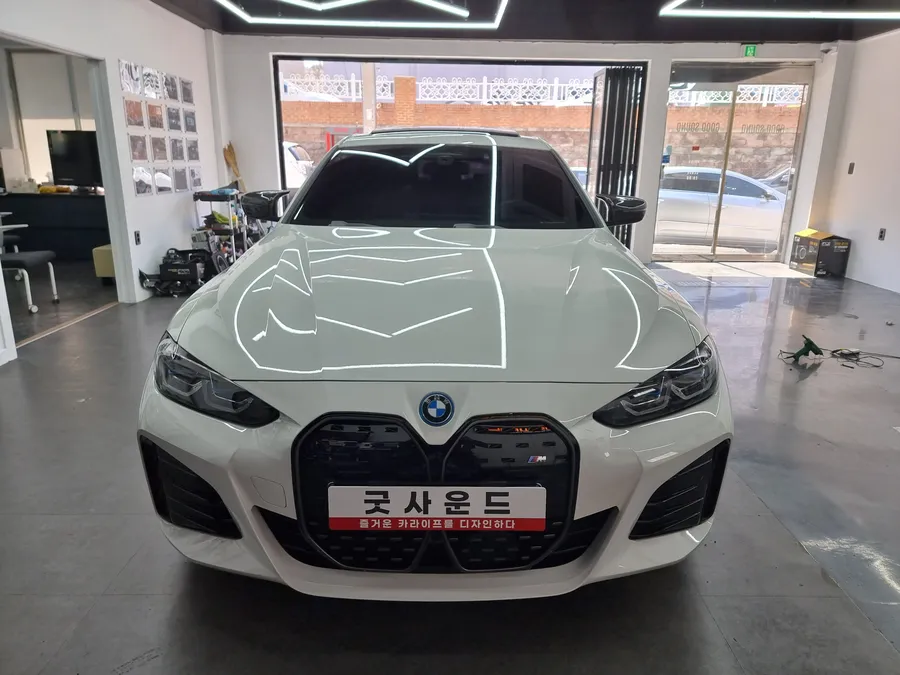
BMW 3 Series Seat Climate Upgrade Review
Service Price
$40–80
Estimated price · Actual price may vary by shop
Before
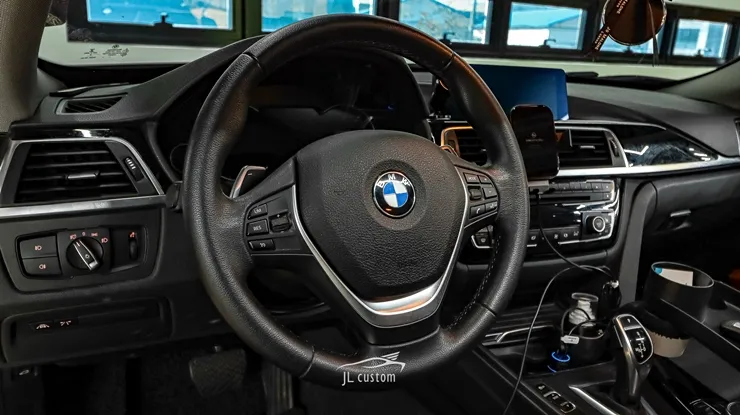
After
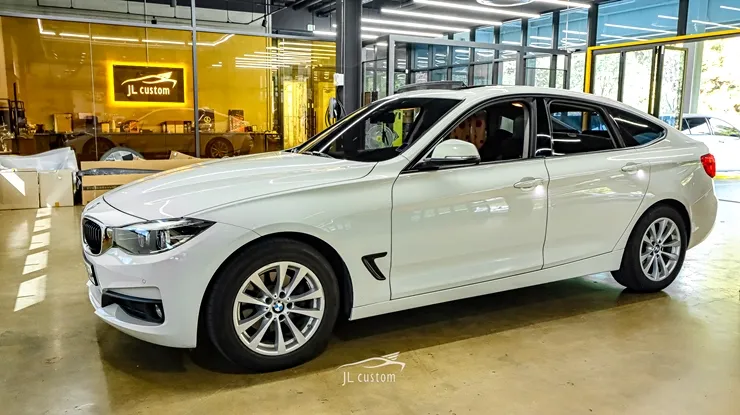
BMW 3 Series seat climate upgrade: Costs vary, but expect enhanced comfort year-round. Professional installation recommended.
Enhance Your BMW 3 Series Driving Experience with Seat Climate Control
For BMW 3 Series owners, especially those with the 320D model, the desire for a more comfortable driving experience, particularly during harsh weather, is common. While some luxury vehicles come equipped with advanced climate control options, many, including certain BMW configurations, may lack integrated seat ventilation and heating. This often leads owners to consider professional aftermarket installations to achieve the desired comfort. This review delves into the specifics of retrofitting seat ventilation and heating for your BMW 3 Series, covering what to expect in terms of cost, the installation process, and the tangible benefits.
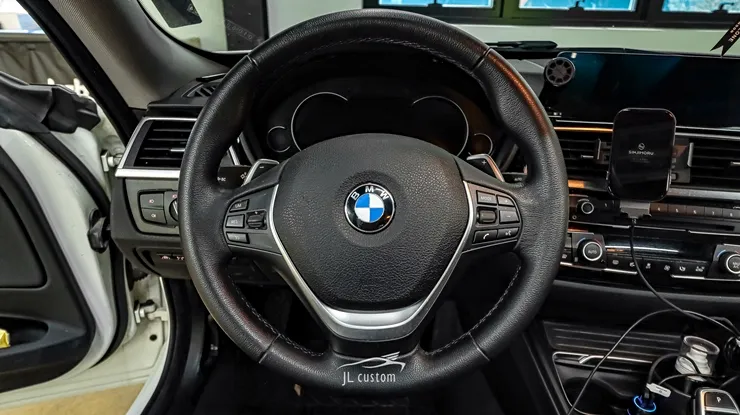
Understanding Seat Ventilation & Heating Installation for Your BMW 3 Series
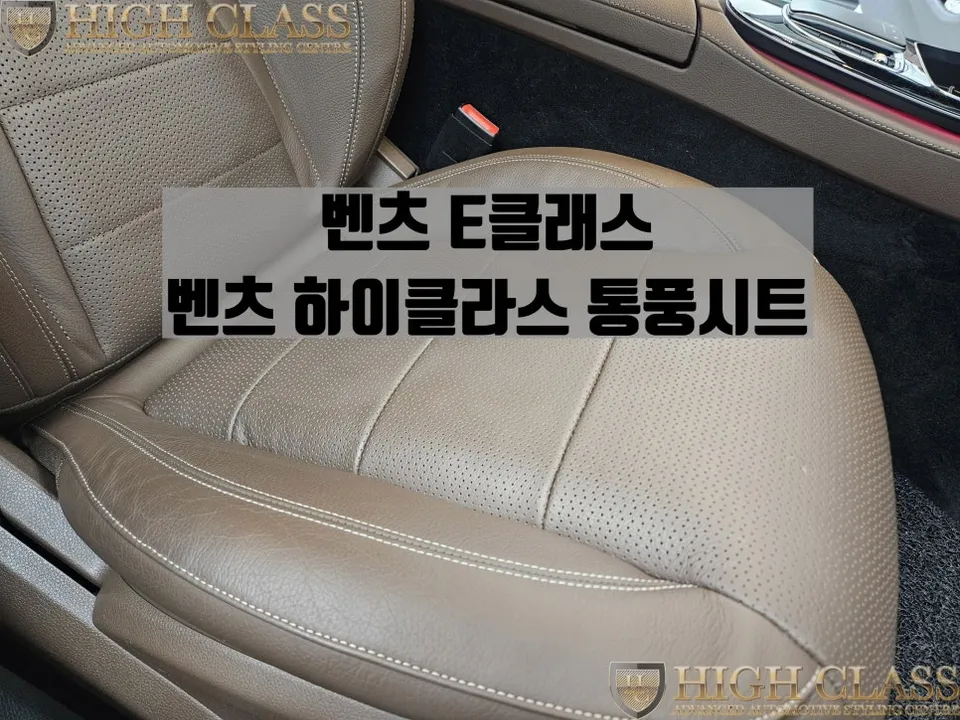
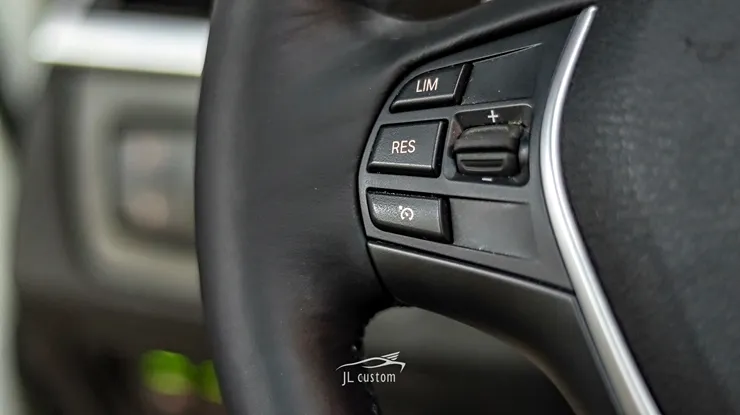
The process of installing seat ventilation and heating in a BMW 3 Series is a meticulous one, requiring precision and expertise. It typically involves carefully disassembling the existing seat upholstery to integrate specialized heating elements and/or ventilation fans. These components are designed to be as unobtrusive as possible, ensuring minimal impact on the seat's original feel and appearance. The goal is to achieve a factory-like finish, where the added climate control functions seamlessly integrate with your vehicle's interior. The KR context mentions a steering wheel heating installation for a BMW 320D costing approximately 300,000-500,000 KRW (roughly $220-$370 USD), with variations depending on the steering wheel design and the quality of heating materials used. While this specific context is for steering wheel heating, seat climate upgrades often fall within a similar or higher price bracket for professional installations.
Installation Process:
- Careful removal of the original seat covers.
- Integration of thin, high-quality heating elements or ventilation fans beneath the upholstery.
- Re-upholstering the seats, often with premium materials to match the original interior.
- Installation and wiring of control switches, typically placed in an accessible and ergonomic location.
- Thorough testing to ensure all functions operate correctly and safely.
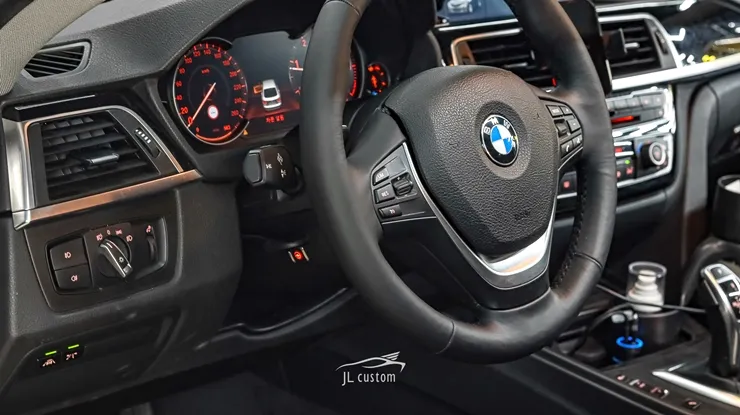
Before & After: The Impact of Seat Climate Upgrades
The most significant change after a seat ventilation and heating installation is the dramatically improved comfort level in all seasons. During hot summer months, ventilated seats help dissipate heat and moisture, preventing discomfort and sticking. In cold winter weather, heated seats provide rapid and consistent warmth, making chilly drives much more pleasant. While the KR context notes a minimal change in steering wheel thickness after heating element installation, a similar principle applies to seats – the aim is to maintain a natural feel. Some minor changes in seat contour or grip might be perceptible initially, but most owners adapt quickly. The durability of these aftermarket systems is generally good, provided professional installation is performed using quality components. Maintenance typically involves ensuring the controls are functioning and avoiding spills or damage to the seat surfaces that could affect the integrated electronics.
Considering a seat climate upgrade for your BMW 3 Series is a decision that balances cost against enhanced comfort and driving pleasure. For many owners, the ability to personalize their cabin's climate, regardless of external conditions, significantly boosts the overall ownership experience. The investment can be particularly worthwhile for those who spend a considerable amount of time driving or live in regions with extreme temperatures.
Frequently Asked Questions
Q. How much does seat ventilation installation cost for a BMW 3 Series?
Professional seat ventilation and heating installations for a BMW 3 Series can vary significantly in price. While the KR context mentions steering wheel heating around $220-$370 USD, full seat climate upgrades typically range from $400 to $800+ per seat in the US.
Q. How durable are aftermarket ventilated seats for a BMW 3 Series?
Aftermarket ventilated and heated seats are generally durable when installed by professionals using quality components. Regular maintenance involves keeping the seat surfaces clean and ensuring the control switches are functioning properly.
Q. Are aftermarket ventilated seats worth it for a BMW 3 Series?
Aftermarket ventilated seats are worth it for BMW 3 Series owners seeking enhanced comfort in all weather conditions. They significantly improve the driving experience, especially for those in extreme climates or who drive frequently.
Q. How are ventilated seats installed in a BMW 3 Series?
Installation involves carefully removing seat covers, integrating thin heating or ventilation components, re-upholstering, and wiring control switches. The process aims for a seamless, factory-like integration.
Q. What is the difference between OEM and aftermarket ventilated seats for a BMW 3 Series?
OEM (Original Equipment Manufacturer) seats are integrated during the vehicle's production, offering seamless integration and factory warranty. Aftermarket installations provide a retrofit option for vehicles without these features, often at a lower cost but requiring professional installation.
OhCar Partner Shop