BMW 3 Series F30 OEM Options Review — Cost & Results
Service Price
$40–80
Estimated price · Actual price may vary by shop
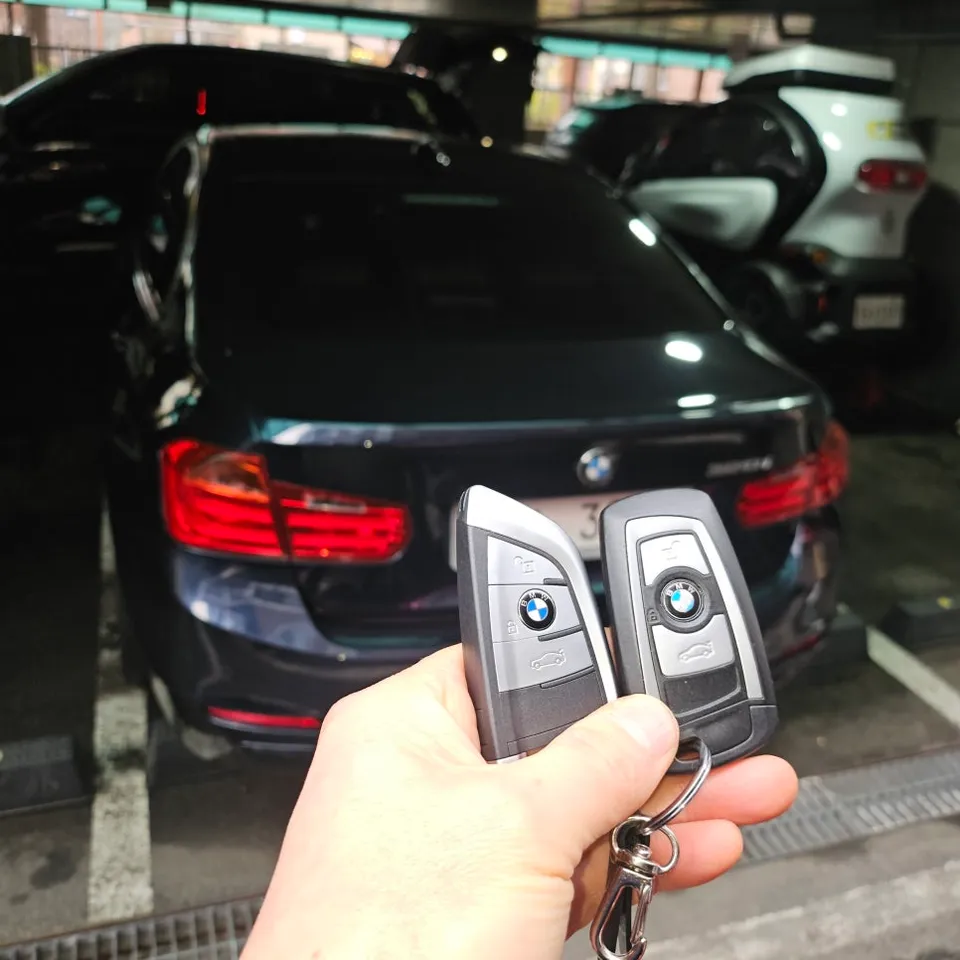
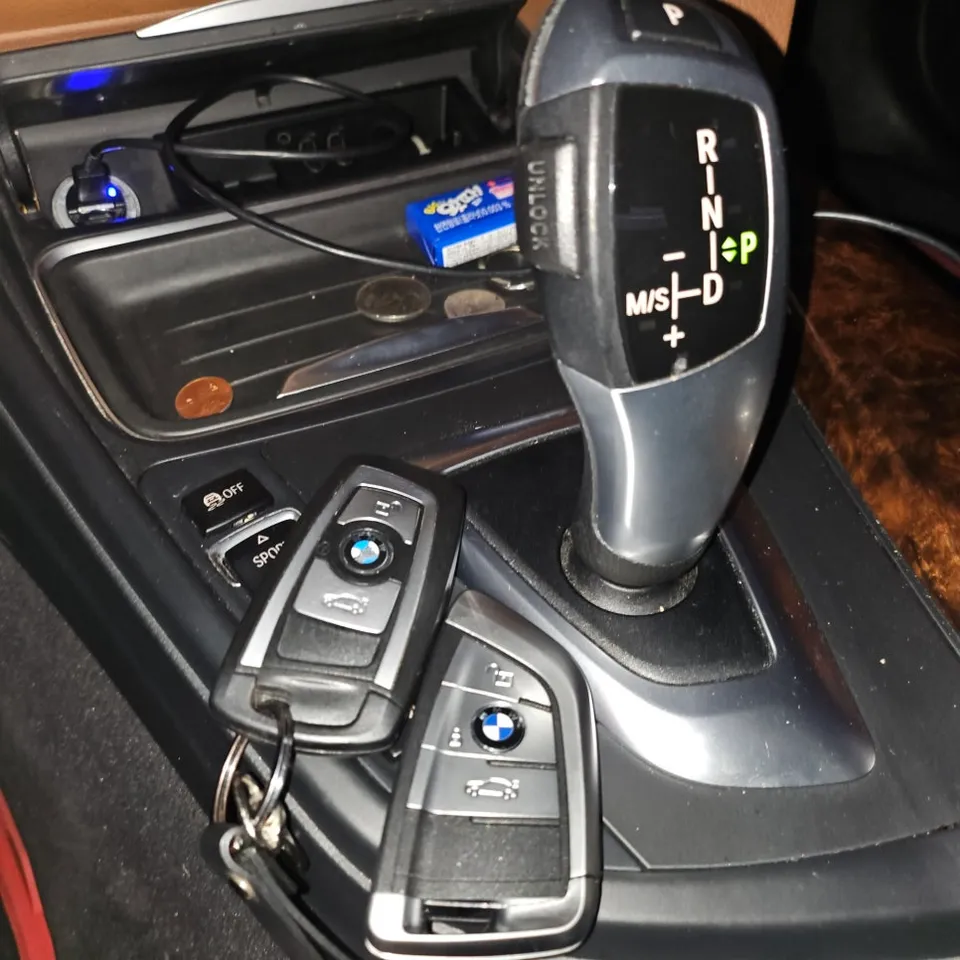
BMW 3 Series F30 OEM options installation costs vary. Professional integration ensures factory-like results and durability.
Upgrading Your BMW 3 Series F30 with OEM Options
For owners of the BMW 3 Series F30, the desire to enhance the vehicle's functionality and aesthetics often leads to exploring OEM options. These are factory-designed upgrades that integrate seamlessly with your car's existing systems. Unlike aftermarket parts, OEM options ensure perfect compatibility and maintain the vehicle's original design integrity. This review delves into the specifics of retrofitting factory options, their costs, installation process, and overall value for your F30.
Understanding OEM Factory Upgrades
When considering a factory option retrofit for your BMW 3 Series F30, it's crucial to understand what this entails. These aren't just accessories; they are often integrated electronic or mechanical components designed by BMW for specific models. For instance, features like advanced navigation systems, enhanced audio components, or even specific lighting packages can be retrofitted as OEM options. The key benefit is that these upgrades are built to the same standards as the original parts, ensuring reliability and a factory-perfect finish. This contrasts with dealer-installed options, which might be sourced from third parties but are installed by the dealership, or aftermarket upgrades, which are made by companies other than the original manufacturer and may not integrate as seamlessly.
OEM Options Installation Process
The installation of OEM options on a BMW 3 Series F30 is a precise process that requires specialized knowledge and tools. While the exact steps vary depending on the specific option being installed, a general procedure involves:
- Diagnostic Scan: The vehicle's onboard computer is scanned to identify compatible modules and prepare the system for the new option.
- Component Installation: The physical OEM part is installed, which might involve removing existing trim panels, running wiring harnesses, or integrating new electronic modules.
- Programming and Coding: This is a critical step where the vehicle's software is updated to recognize and operate the new OEM option. This ensures all functions work correctly and communicate with other vehicle systems.
- System Test: A thorough test is performed to confirm the new option is functioning as intended and that no error codes have been generated.
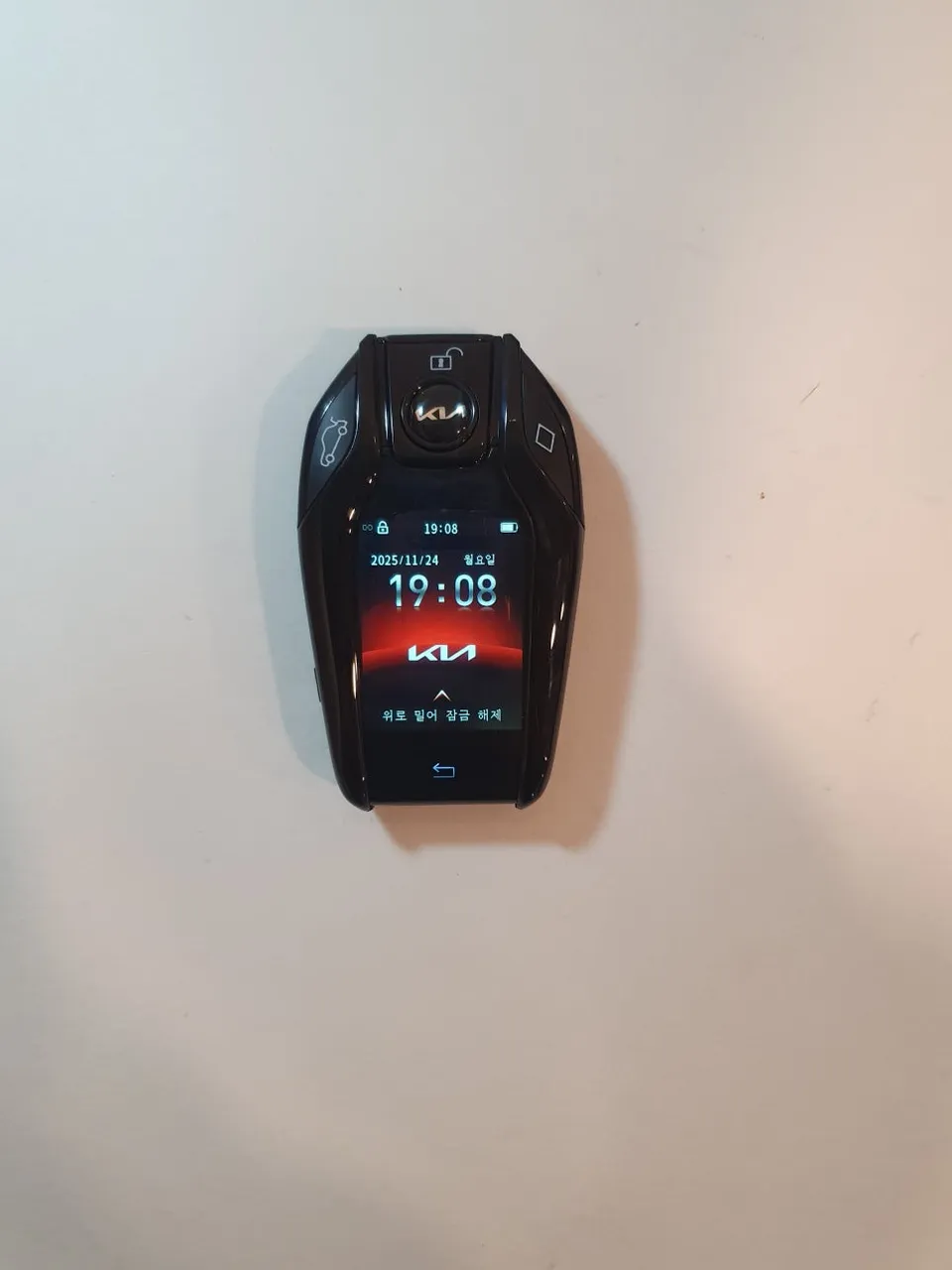
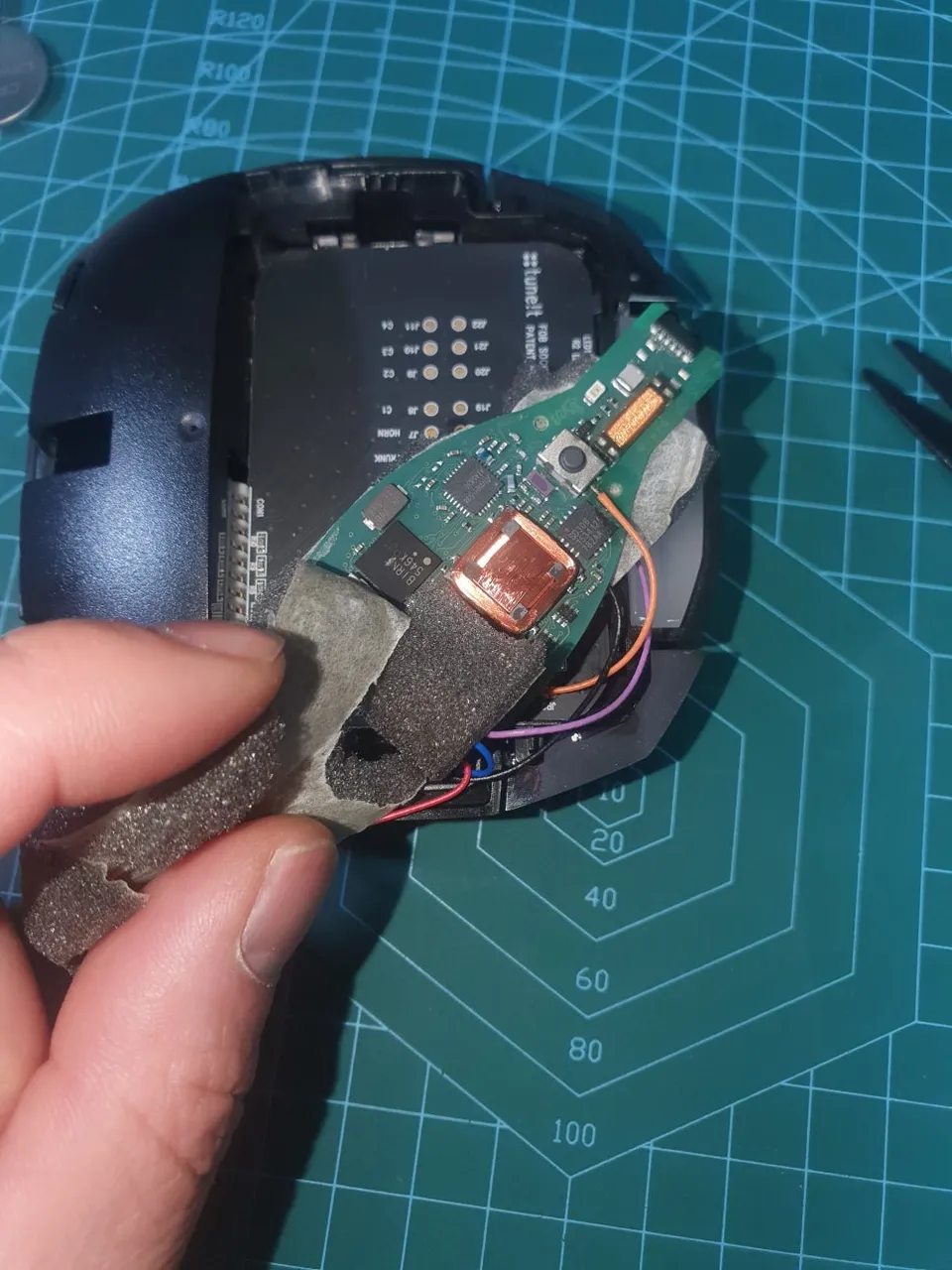
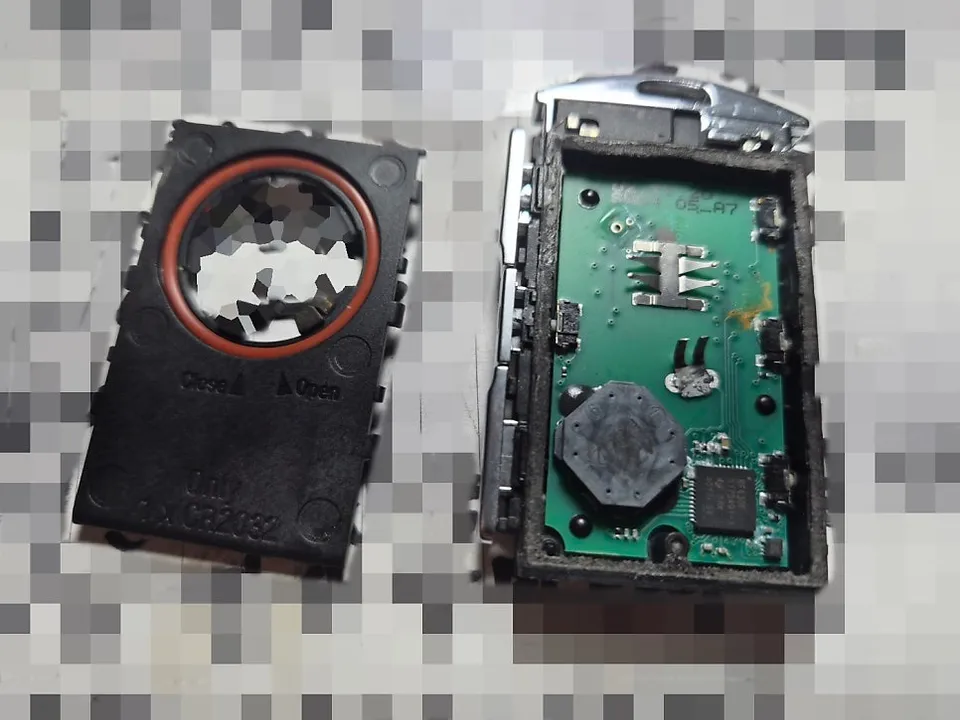
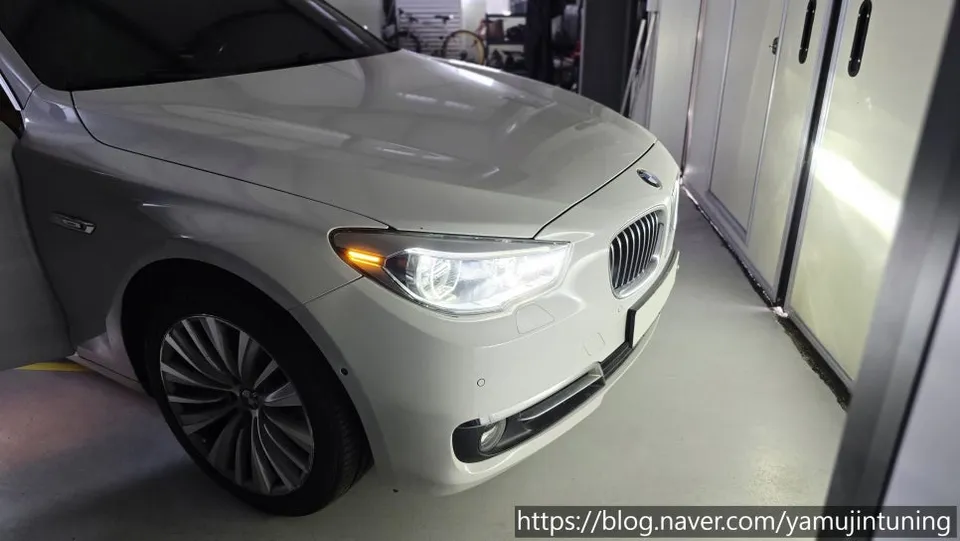
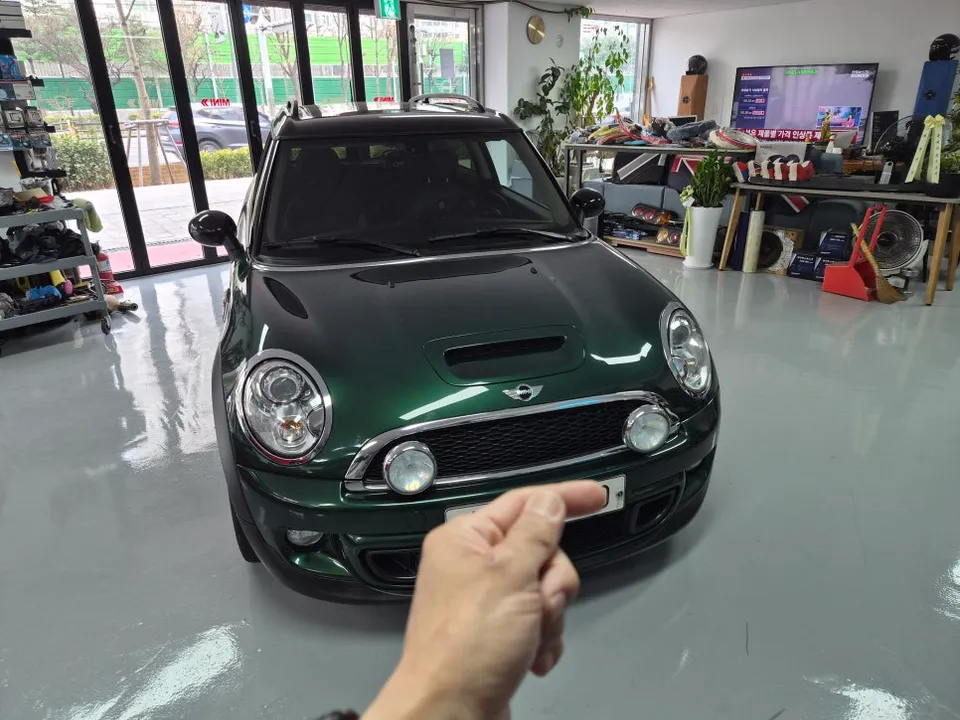
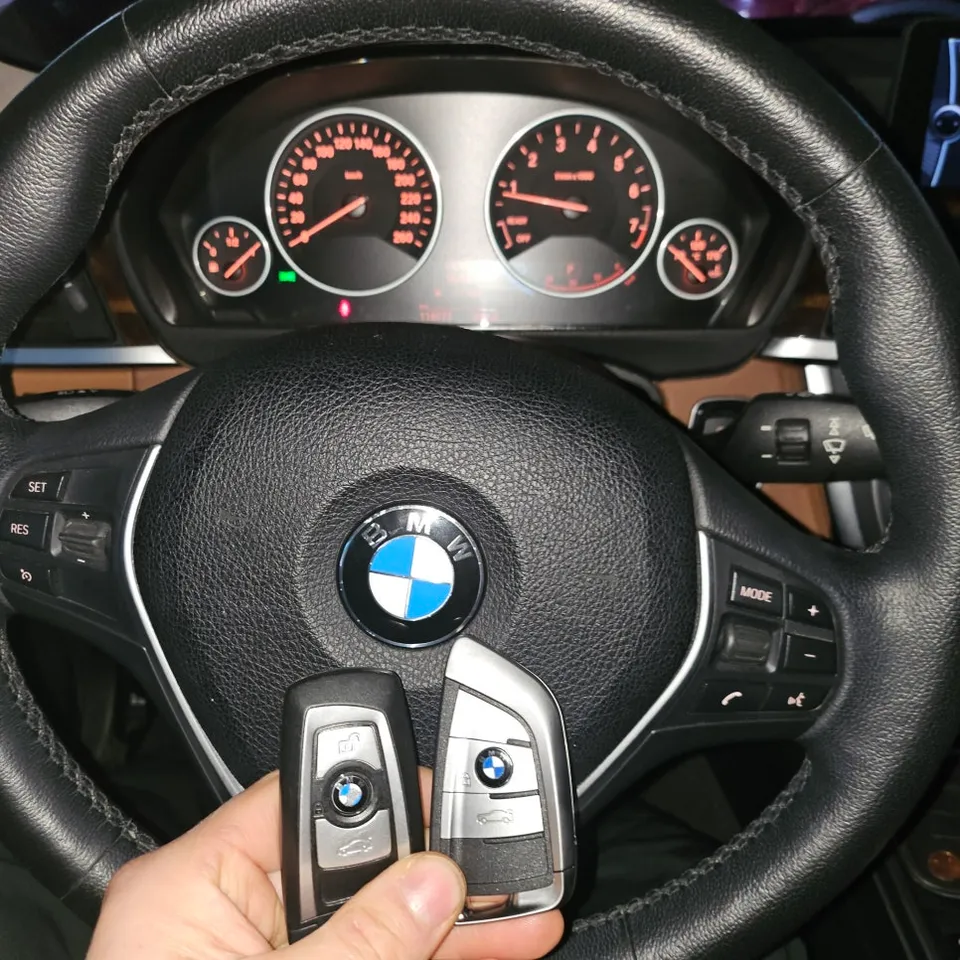
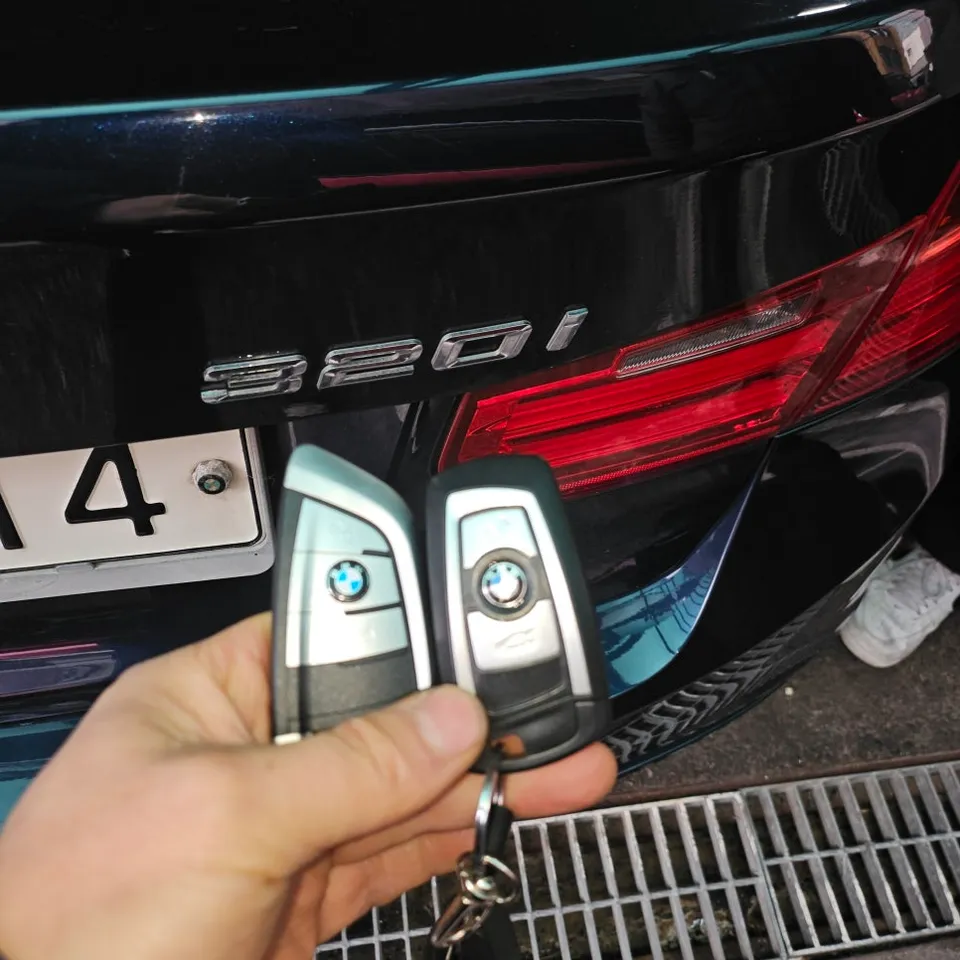
The original context for a similar service in Korea, specifically for a BMW 320i F30 smart key copy, highlights that such complex electronic integrations require expert handling. The process involves reading and registering immobilizer data, a task that demands professional equipment and expertise to avoid system malfunctions or the deletion of existing keys. This underscores the importance of using qualified technicians for any OEM option retrofit.
Durability and Maintenance of OEM Options
One of the primary advantages of choosing OEM options is their inherent durability. Because they are manufactured to BMW's stringent standards, they are designed to last the lifetime of the vehicle. Maintenance is typically minimal, often involving the same care you would give to the original components. For electronic upgrades, software updates might occasionally be necessary, usually handled during routine service appointments. For physical components, regular cleaning and inspection are generally sufficient. Unlike some aftermarket solutions that might degrade over time or require frequent adjustments, OEM options offer a long-term, reliable enhancement to your BMW 3 Series F30.

Is Retrofitting OEM Options Worth It?
The decision to retrofit OEM options on your BMW 3 Series F30 depends on your specific needs and budget. If you're looking to add features that were unavailable or not selected at the time of purchase, and you prioritize seamless integration and long-term reliability, then OEM options are often a worthwhile investment. The original Korean context mentions that smart key duplication for a 2012 BMW 320i F30 typically costs between 300,000 to 600,000 KRW (approximately $220-$450 USD, depending on exchange rates), with the service being completed on the same day. While this specific example is for key duplication, it illustrates the specialized nature and cost associated with BMW electronic retrofits. For general OEM options, costs can vary significantly, ranging from a few hundred to several thousand dollars depending on the complexity of the feature. The value lies in enhancing your driving experience with features that feel like they were always part of the car, without compromising its integrity.
Frequently Asked Questions
Q. How much does OEM option and factory upgrade installation cost for a BMW 3 Series F30?
The cost for OEM options and factory upgrades on a BMW 3 Series F30 can vary widely, from hundreds to thousands of dollars, depending on the specific feature. In the US, expect a range of $40-$80 for simpler services like key duplication, with more complex retrofits costing significantly more.
Q. How long does OEM options installation take on a BMW 3 Series F30?
Installation times for OEM options on a BMW 3 Series F30 can range from a few hours to a full day, depending on the complexity of the upgrade. Proper maintenance typically involves ensuring software is up-to-date and keeping physical components clean.
Q. Are OEM options worth adding after purchase for a BMW 3 Series F30?
OEM options are worth adding if you prioritize seamless integration, factory-quality performance, and long-term durability. They are ideal for owners who want to enhance their vehicle's functionality with features that feel original to the car.
Q. How are OEM factory options installed on a BMW 3 Series F30?
OEM factory options are installed through a precise process involving a diagnostic scan, physical component installation, programming and coding of the vehicle's software, and a final system test to ensure full functionality.
Q. What is the difference between dealer-installed options and aftermarket upgrades for a BMW 3 Series F30?
OEM factory options are designed and manufactured by BMW for seamless integration, while dealer-installed options may be sourced from third parties but installed by the dealership. Aftermarket upgrades are made by independent companies and may not integrate as perfectly with the vehicle's systems.
OhCar Partner Shop